
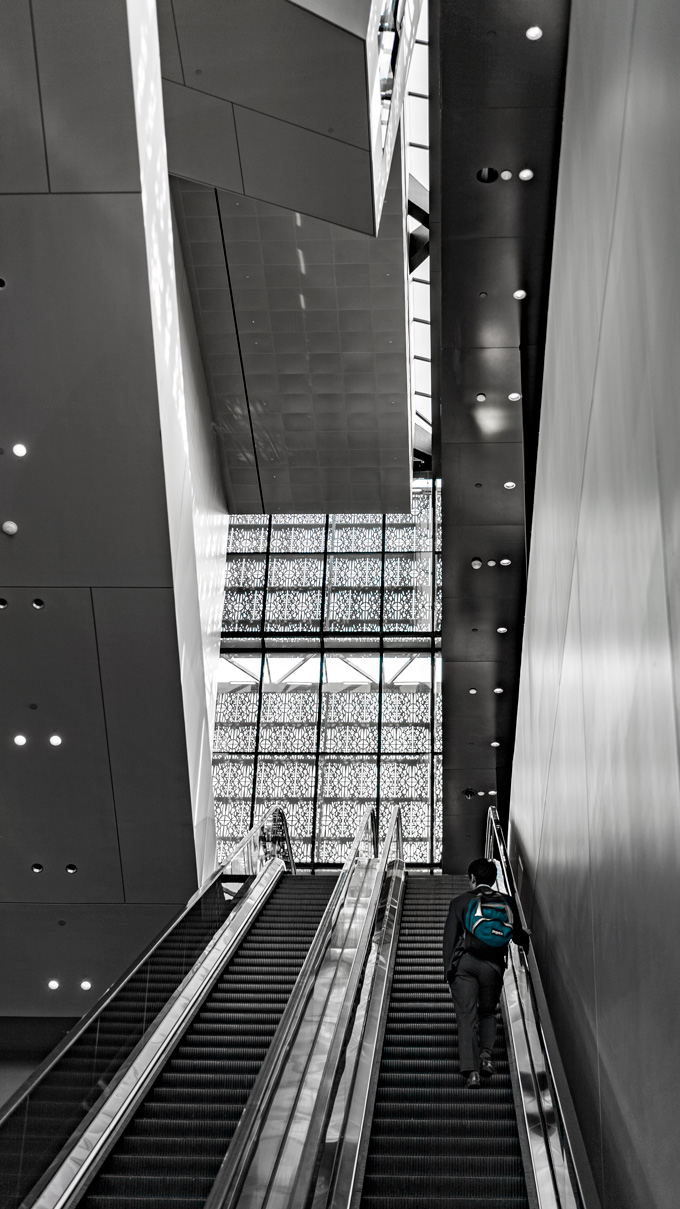
I was pretty excited about visiting the National Museum of African American History and Culture in Washington, D.C. ever since I heard about its opening in the summer of 2016.
I’ve always been interested in minority history and issues. In my adulthood, I came to the realization that I really didn’t understand the origin and impact of the Atlantic Slave Trade.
[slogan]Was I just not paying attention in class or was this shameful history whitewashed in American schools?[/slogan]
I can’t answer that, but I’m glad we live in an era of enlightenment about the true nature of this country’s “founding fathers.”
[slogan]Did you know Thomas Jefferson owned more than 600 slaves?[/slogan]
The National Museum of African American History and Culture makes that plain with an arresting group of bronze statues on the ground floor. Jefferson is standing on a platform with a brick for every slave he owned piled up around him. He is surrounded by women who stood up to slavery and made advancements for black people in this country’s most dangerous times to do so.
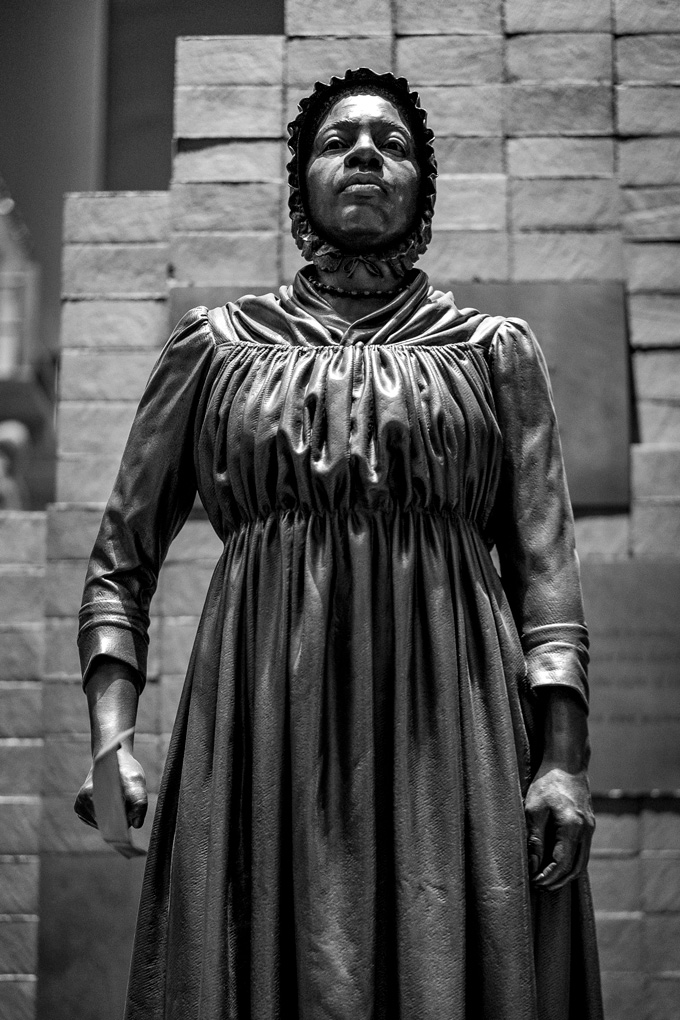
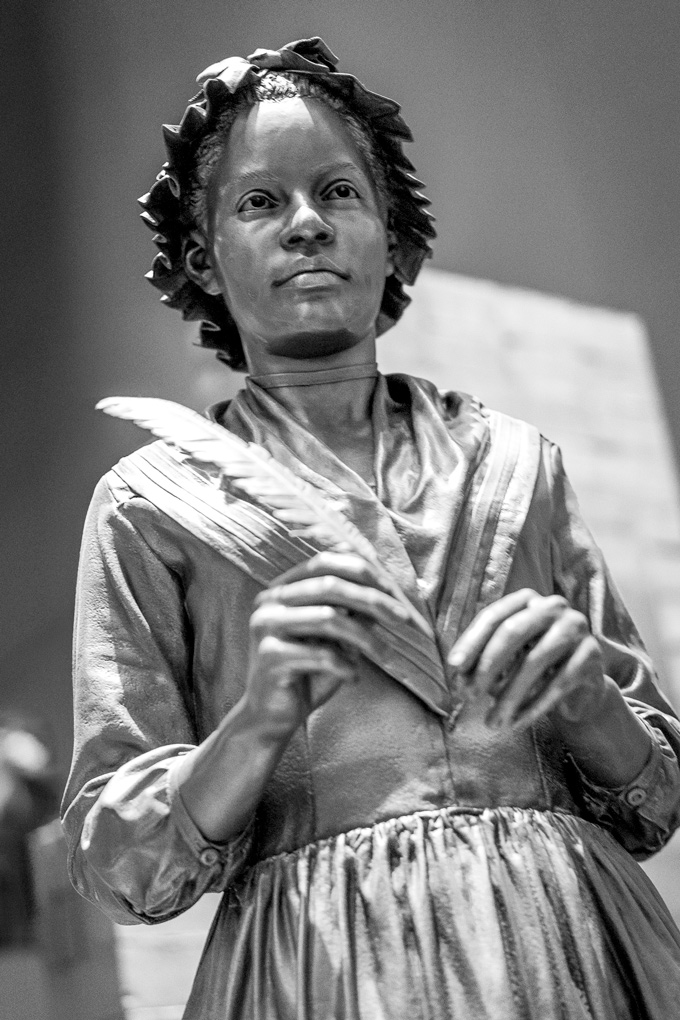
This is just one of the aesthetic elements of the National Museum of African American History and Culture that has a clear emotional impact. The design of the exhibits can you lead you to no other conclusion than that the African American experience is ultimately a painful one.
In fact, the lower floors are literally dark. The dim lighting and narrow passage from the entrance of the history galleries is a psychological trip as well as a historical one.
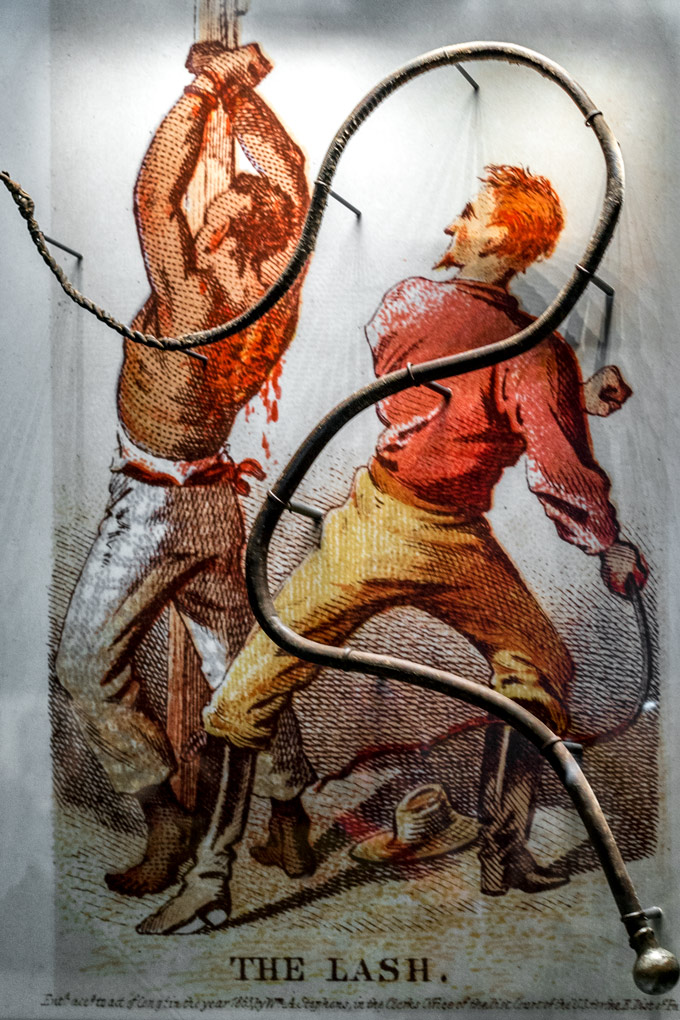
Mimicking the layout of a slave ship, visitors are forced into close quarters to examine the history galleries which start in 1400 and end in 1968, three floors up. After taking an elevator to the subterranean level C3, you enter a room nearly in darkness, save for the lighted wall displays. Multimedia displays, artifacts, and infographics tell the story of the Atlantic Slave Trade. The claustrophobia is intentional as you weave through a section filled with the sights and sounds of a slave ship.
I often force myself to confront human suffering, but even so, I didn’t find the museum so heavy-handed in recounting the horrors of slavery that I had nightmares. Still, there’s no sugar-coating the immense profitability of slavery and its resulting pain.
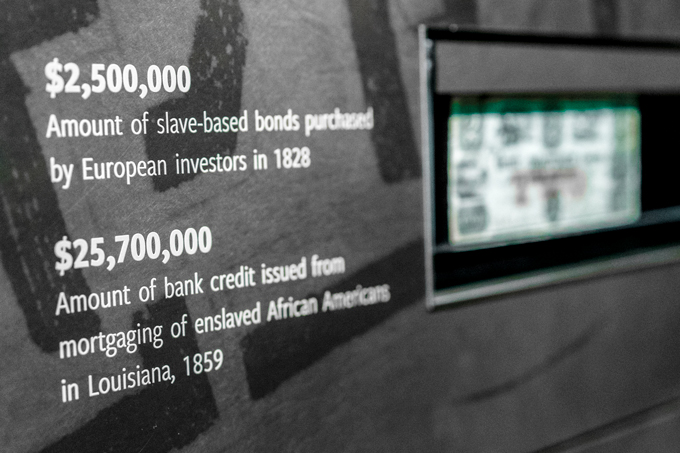
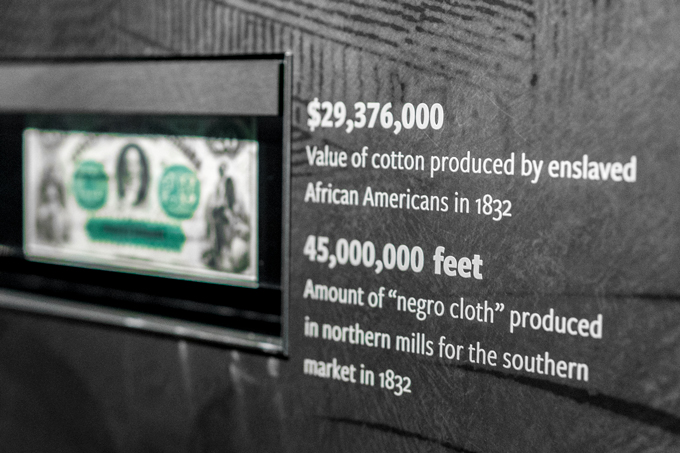
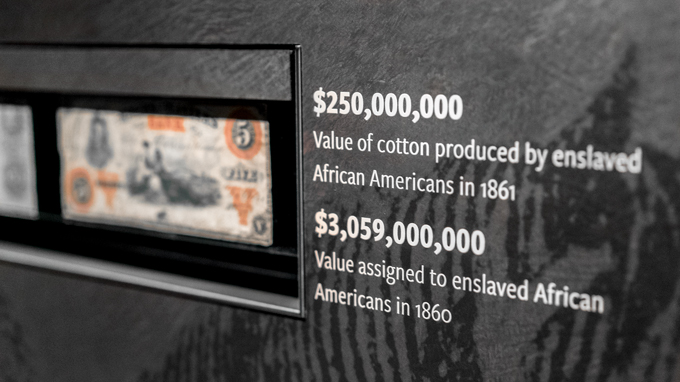
As visitors move upwards towards the top floor of the histories gallery (still in the dimly lit subterranean floors), there is hope. The exhibits move chronologically through the ages — from Black Power to Motown and even a Michelle Obama exhibit.

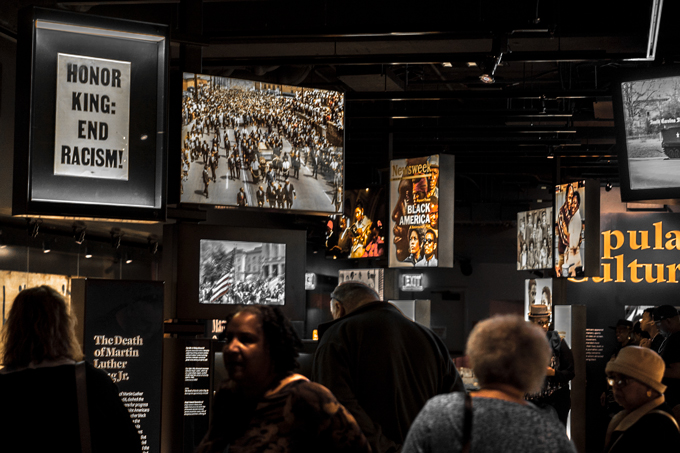
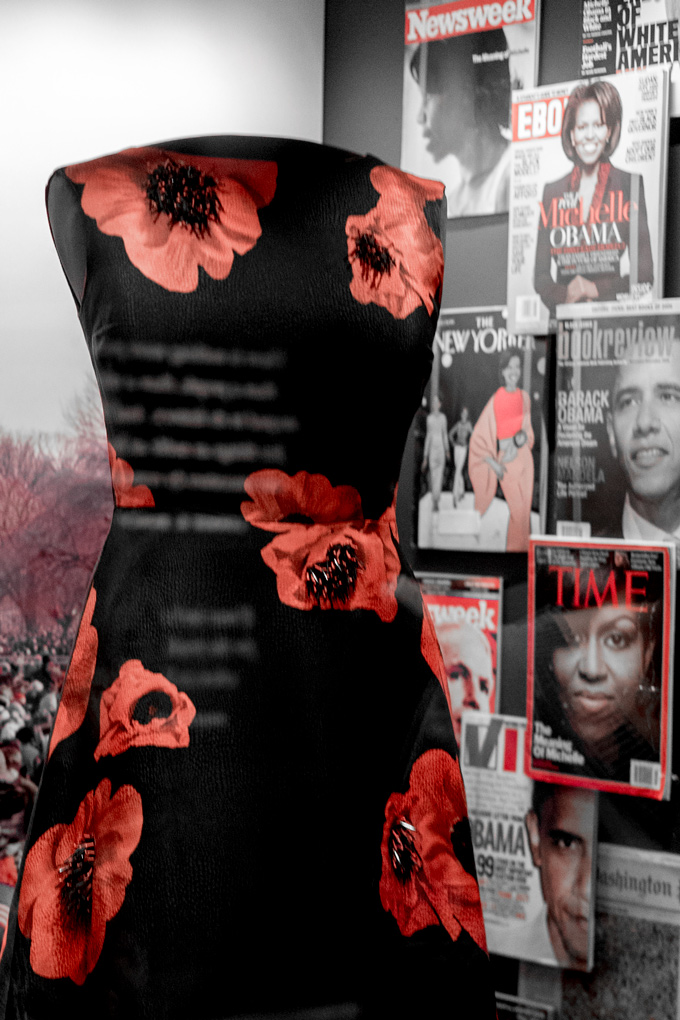
Along the way you meet underdogs and villains, but heroes too. In the upper floors, a celebration of black pop culture through black and white photography was a highlight, as well as learning what it meant to travel the U.S. by car during the Jim Crow era. An African-American mailman became an unlikely hero when he compiled a guide of safe places to eat, fuel up, and sleep. It’s called the Negro Motorist Green Book and was published for 30 years.
Practical Tips for Visiting NMAAHC
As part of the Smithsonian museums in Washington, D.C., there is no entrance fee for National Museum of African American History and Culture (visit official site here). However, due to popular demand (the museum just opened in September 2016), you must acquire a timed entry pass to enter.
There are a couple of ways of acquiring passes. I arrived at the museum’s opening in the morning, stood in line, and received a pass for later in the day.
You may also try to obtain a pass online, but availability is limited so plan early.
Once you enter, you can stay as long as you like. There are 85,000 square feet of exhibition space, nearly 3,000 objects, 12 exhibitions, 13 different interactives with 17 stations, and 183 videos housed on five floors. Don’t expect to see it all in a day unless you’re superhuman or are wearing 5 inches of foam on your feet. After visiting 4-5 museums in D.C., my feet and back were incredible sore.
Stay tuned for more Washington, D.C. coverage, but tell me first…
What’s your favorite thing to do in D.C.?


