
urgent call thai

Urgent Call for Thai PM to Strengthen China Tourism Ties Amid Economic Slump

The Thai travel sector is issuing an urgent plea to the government this week. Industry leaders want immediate action to strengthen tourism ties with China. This demand comes as China experiences a significant economic slowdown that threatens regional travel.

Chinese economic growth has hit a three-year low in the second quarter of the year. The economy expanded by only 4.3 percent, missing the projected estimate of 4.5 percent. This marks the slowest expansion rate China has seen since the end of 2022.

Key Takeaways

  • Economic Pressures: China’s second-quarter economic growth has slowed to 4.3 percent, impacting domestic consumption and outbound travel demand.
  • Strategic Demands: The Association of Thai Travel Agents (Atta) is urging the Prime Minister to secure affordable direct flights from China’s secondary cities.
  • Regional Vision: Industry experts want Thailand to become a central hub connecting China with the broader ASEAN tourism market.

The Prime Minister’s Critical Mission to Beijing

The Association of Thai Travel Agents (Atta) is pushing for immediate governmental intervention. They want Prime Minister Anutin Charnvirakul to prioritize tourism discussions during his official visit to Beijing. The goal is to secure strategic partnerships that actively benefit both nations.

Adith Chairattananon, the honorary secretary-general of Atta, emphasized the importance of this diplomatic trip. He noted that tourism operators expect the government to seize this crucial opportunity immediately. Forging alliances with Chinese secondary cities could dramatically boost future arrival numbers.

Thailand has long relied on Chinese tourists to drive its vital hospitality and travel sectors. However, the current economic climate requires a more nuanced approach to marketing and international connectivity. The focus must shift from simply counting arrivals to building resilient, long-term partnerships.

Why Direct Flights and Affordable Fares Matter Now

Domestic consumption within China remains alarmingly weak due to ongoing macroeconomic uncertainties and pressures. Because of this, Chinese travelers are becoming much more price-conscious when planning their international vacations. They are actively seeking destinations that offer the absolute best value for their money.

Mr. Adith pointed out that promotional airfares are now essential to sustain consistent travel demand. Airlines must offer more convenient, direct flights from various Chinese provinces directly to Thailand. This proactive strategy will help maintain a steady flow of visitors despite unfavorable economic conditions.

Thailand currently holds a distinct competitive advantage over many other expensive international holiday destinations. Travel to Thailand remains relatively cheaper, making it an attractive option for budget-conscious tourists. Strategic discounts and affordable packages will encourage Chinese travelers to choose Thailand consistently over competitors.

Positioning Thailand as the Ultimate Regional Hub

Industry leaders firmly believe Thailand has the potential to become a massive regional aviation hub. By improving infrastructure, the country can help China connect effortlessly with the rest of Southeast Asia. This would ultimately position Thai airports as the primary gateways for all ASEAN exploration.

Furthermore, Thailand can serve as a vital alternative transit route for long-haul global commercial flights. Mr. Adith noted that this could actively mitigate risks associated with sudden global flight disruptions. For instance, recent geopolitical incidents in the Middle East severely impacted international travel routes earlier this year.

A robust connection between China and Thailand benefits the entire regional Southeast Asian economy. By offering alternative routes to Europe, Thailand can secure a much more stable aviation sector. This strategic positioning requires immediate government backing and international cooperation to succeed long-term.

Upgrading the Bilateral Tourism Agreement for the Future

To ensure long-term stability, the travel sector is suggesting a major diplomatic policy upgrade. They want the government to renew the existing Thailand-China Bilateral Tourism Agreement as soon as possible. This renewal would officially elevate standard marketing partnerships into comprehensive, mutually beneficial strategic cooperation.

Creating a joint working committee is a top priority for travel industry experts right now. This committee would include dedicated representatives from both Thailand and China to tackle critical travel issues. It would also provide a rapid response framework for any unforeseen emergencies involving international tourists.

Safety and security remain massive concerns for international travelers in the current global climate. The joint committee would strictly monitor tourism standards and facilitate crucial cross-border data exchanges. This collaborative approach would significantly boost traveler confidence and ensure much higher safety protocols.

Expanding the Focus Beyond Short-Term Gains

The Thai government must look past immediate financial victories and simple tourist arrival quotas. Mr. Adith stressed that the state visit to China must build enduring, long-term international cooperation. Chasing short-term gains will not adequately protect the industry from future global economic downturns.

Leveraging air connectivity is just the very first step in this comprehensive regional recovery plan. Establishing a firm tourism cooperation framework will protect both nations from unpredictable travel market fluctuations. This strong foundation is absolutely necessary to keep the hospitality sector thriving for the next decade.

The ultimate goal is to create a seamless, unified common market between China and ASEAN. By working together, these combined nations can share valuable resources and attract travelers from across the globe. Thailand is perfectly positioned to boldly lead this massive economic and cultural integration effort.

Building the Ultimate ASEAN-China Travel Network

The government should also initiate aggressive efforts to expedite the broader ASEAN-China tourism strategy. Developing a joint marketing plan would allow cooperating nations to offer exciting multi-country tourism routes. This would attract ambitious travelers who want to experience several Southeast Asian cultures in a single trip.

This unprecedented level of international cooperation would pave the way for massive regional technological advancements. It would efficiently link international transport networks and streamline digital payment systems across national borders. Seamless digital transactions are incredibly important to modern Chinese consumers traveling and spending abroad.

Enhanced tourism facilitation would ultimately benefit all participating countries involved in this expansive regional network. By actively lowering restrictive travel barriers, the entire ASEAN bloc can enjoy increased shared economic prosperity. Thailand’s proactive leadership in Beijing this week could trigger a lucrative new era of regional travel.

Providing high-quality experiences is essential for maintaining a strong reputation in modern global tourism. Thailand must consistently demonstrate expertise, authoritativeness, and trustworthiness to all international visitors. This aligns perfectly with the core foundational principles of sustainable and responsible global travel management.

When tourists feel safe and valued, they eagerly share their positive experiences online and offline. This organic word-of-mouth promotion is far more effective than any expensive traditional marketing campaign. Upgrading safety standards through the proposed joint committee is a crucial step toward this ambitious goal.

The travel industry is counting heavily on the Prime Minister to deliver tangible, actionable results. The high-level discussions in Beijing will likely shape the future of Thai tourism for several years. The sector remains optimistic that these strategic talks will finally yield a stronger, more resilient economy.

Adapting to the Modern Chinese Traveler’s Needs

The demographic of the average Chinese tourist has shifted significantly over the last few years. Today’s younger travelers are fiercely independent and highly focused on unique, authentic cultural experiences. They are rapidly moving away from massive tour groups in favor of highly personalized travel itineraries.

Thailand must adapt its tourism offerings quickly to capture this rapidly evolving and highly lucrative market segment. Highlighting hyper-local cuisine, historical landmarks, and community-based tourism will attract these modern, savvy explorers. The proposed ASEAN-China strategy must heavily incorporate these modern cultural nuances into its regional marketing plans.

Digital connectivity is another non-negotiable factor for attracting younger generations of tech-savvy international travelers. Integrating popular Chinese social media and mobile payment platforms into the Thai economy is absolutely essential. The proposed digital payment linking would instantly solve many frustrating friction points for incoming modern tourists.

The Critical Role of Seamless Visa Policies

Visa regulations play a massive role in a traveler’s decision-making process when selecting holiday destinations. Thailand has previously implemented successful visa-free policies to quickly boost arrival numbers during peak travel seasons. Maintaining and refining these highly open policies with China will be crucial for sustained long-term success.

A permanent, streamlined visa process greatly encourages spontaneous travel and frequent repeat visits from tourists. When frustrating travel barriers are removed, people are far more likely to book last-minute weekend getaways. The joint working committee should prioritize frictionless border entries as a primary, immediate policy objective.

By consistently demonstrating a welcoming and accommodating stance, Thailand solidifies its position as a top destination. The Prime Minister’s visit to Beijing is the perfect platform to solidify these critical, industry-saving agreements. The entire hospitality supply chain is waiting eagerly for positive, actionable news from these international negotiations.

Similar Posts

  • Thai PM Says Statue Damage Cannot Compare to Soldiers’ Sacrifices

    BANGKOK – Prime Minister Anutin Charnvirakul stated that the dismantling of a statue resembling a Hindu deity near the Thai-Cambodian border cannot be equated with the sacrifices of Thai soldiers injured in the ongoing conflict. His remarks came in response to concerns raised by India over the statue’s removal, which Indian officials described as disrespectful […]

  • | | |

    Govt accelerates FBR reforms to build transparent,…

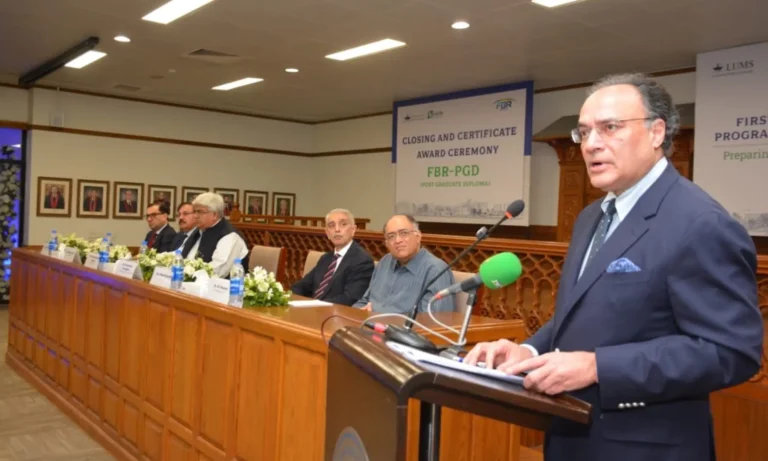
    LAHORE: The federal government has intensified efforts to modernise Pakistan’s tax system by accelerating reforms in the Federal Board of Revenue (FBR), expanding the cashless economy and integrating advanced digital technologies to improve transparency and tax compliance. Speaking at the certificate distribution ceremony for the FBR’s Postgraduate Diploma Programme at Lahore University of Management Sciences (LUMS), Finance Minister Muhammad Aurangzeb said the government is committed to creating a taxpayer-friendly and transparent financial system that supports long-term economic growth. He said reforms are being implemented simultaneously in tax policy and tax administration, with a new operational model being introduced in the FBR to improve efficiency, accountability and public trust. The minister added that Prime Minister Shehbaz Sharif is personally overseeing initiatives aimed at documenting the economy, broadening the tax base and promoting digital financial transactions. Aurangzeb revealed that authorities have uncovered major sales tax evasion cases, resulting in higher tax collections and increased revenue for the national exchequer. He stressed that modern digital tools, integrated databases and artificial intelligence will play a central role in strengthening tax administration and bringing the FBR in line with international standards. Calling on tax officials to continuously upgrade their skills, the finance minister said restoring taxpayers’ confidence and protecting national resources remain among the institution’s highest priorities. He expressed confidence that ongoing reforms would improve the business environment and ensure the benefits of economic reforms reach ordinary citizens. FBR Chairman Muhammad Rashid Langrial also addressed the ceremony, highlighting the importance of professional training and capacity building for tax officers. He said the organisation is focused on developing a modern, transparent and efficient tax system capable of meeting Pakistan’s evolving economic needs.

  • |

    Electricity tariff may rise by Rs2.50 per unit as July FCA pushes recovery above Rs34bn

    ISLAMABAD: Electricity consumers across Pakistan could face an additional burden of around Rs2.50 per unit as the government moves to recover more than Rs34 billion through the July 2026 monthly Fuel Charges Adjustment (FCA), according to sources. The proposed increase is expected to affect consumers of distribution companies (Discos) as well as K-Electric, with the final adjustment to be determined by the National Electric Power Regulatory Authority (Nepra) after reviewing the relevant power purchase and generation costs. Sources said the expected positive FCA for July has largely been driven by higher electricity consumption during the peak summer season and greater reliance on expensive generation sources. Among the key factors behind the anticipated increase are the use of liquefied natural gas (LNG) procured from the spot market and furnace oil to meet additional electricity requirements, particularly during periods of high demand. June FCA already approved The expected July adjustment comes after Nepra approved a positive FCA of Re0.7503 per unit for electricity consumed in June 2026. The adjustment was lower than the Rs1.20 per unit sought by the Central Power Purchasing Agency-Guaranteed (CPPA-G). Under the FCA mechanism, variations in fuel costs and other electricity generation and purchase-related expenses are passed on to consumers through periodic adjustments. For July, CPPA-G will submit its relevant claims to Nepra, which will examine the costs and determine the admissible adjustment before issuing separate decisions for the respective distribution companies. Multiple costs to be examined The regulator is expected to assess several components included in the FCA claim before determining the final amount recoverable from consumers. Separate adjustments will subsequently be calculated for each Disco after taking into account electricity purchased through CPPA-G, bilateral arrangements with small power producers and captive power producers, as well as electricity supplied under net-metering arrangements. The final impact on consumers could therefore vary depending on the individual power procurement mix and applicable tariff structure of each distribution company. Expensive generation raises concerns The expected tariff increase has emerged at a challenging time for Pakistan’s industrial sector, where electricity prices remain a major concern for manufacturers and exporters. Industrial consumers are already facing pressure from elevated production costs, while exporters are also dealing with uncertainty caused by deteriorating security and economic conditions in the Middle East. The latest FCA discussion has also brought the issue of partial-loading charges under scrutiny. During a recent hearing, Nepra raised questions over approximately Rs4.9 billion in partial-loading costs and asked CPPA-G to explain the reasons behind the additional expenditure and measures being considered to control it. Solar power changes demand pattern CPPA-G told the regulator that the partial-loading charges were not primarily the result of inefficient operation by power plants. Instead, the agency attributed the costs largely to changes in electricity consumption patterns caused by the rapid expansion of rooftop solar generation. According to CPPA-G, daytime demand from the national grid has declined as more consumers generate electricity through rooftop solar systems. Conventional power plants are consequently required to operate below their optimum capacity during solar-generation hours. However, demand rises again in the evening when solar generation falls, forcing grid-connected power plants to increase generation quickly. This change in the daily demand curve has created additional operational costs for the power system. The authority noted that partial-loading charges recorded in June 2026 were around Rs1 billion higher than the corresponding amount in June 2025, highlighting the growing financial impact of the changing electricity demand pattern. Plant shutdowns could increase costs The Independent System and Market Operator (ISMO) also informed the regulator that shutting down power plants during periods of lower demand would not necessarily provide a cheaper solution. According to ISMO, taking plants completely offline to avoid partial-loading charges could result in substantial start-up expenses when the units are required again to meet evening demand. The issue has therefore become increasingly important as the rapid growth of distributed solar generation continues to alter the traditional pattern of electricity consumption. Exporters seek cheaper fuel options Amir Sheikh, a prominent textile exporter, called for the removal of the levy imposed on high-speed diesel and furnace oil-related generation costs, arguing that furnace-oil-based power plants could offer an alternative to expensive RLNG-fired generation under certain circumstances. He maintained that allowing more flexible use of available generation sources could help reduce the overall cost of electricity, particularly during periods when LNG prices remain elevated. Sheikh also proposed a change in the way FCA-related surcharges are calculated. He suggested that the additional charges should be recovered on the basis of projected electricity consumption rather than only through the conventional mechanism, similar to the approach followed under quarterly tariff adjustments (QTA). Falling demand creates another challenge Another concern raised during the discussion was the continuing decline in electricity demand and its possible implications for future tariff adjustments. Rehan Javed highlighted the potential impact of lower electricity consumption on the power sector’s financial structure, particularly as fixed system costs are spread over a smaller volume of electricity sales. The Ministry of Energy’s Power Division, however, said the decline in demand was largely linked to the increasing number of consumers using net-metering facilities. The ministry maintained that although distributed solar generation was changing electricity consumption patterns, its impact on future quarterly tariff adjustments would not necessarily be as severe as feared by industrial consumers. Government seeks to avoid costly LNG purchases The Power Division further explained that electricity demand was being managed in a manner designed to reduce dependence on expensive RLNG spot-market cargoes. Officials said excessive reliance on spot LNG during the summer could significantly increase power generation costs and ultimately translate into higher electricity tariffs for consumers. The government is therefore attempting to balance electricity availability, fuel costs and demand management while dealing with the changing structure of Pakistan’s power market. If Nepra ultimately approves an FCA close to the expected Rs2.50 per unit, consumers could face another substantial increase in their electricity bills. The final adjustment, however, will depend on Nepra’s assessment of CPPA-G’s July claim and the costs deemed

  • | |

    Another Reko Diq-Sized mining project in Pakistan,…

    ISLAMABAD: The United States has expressed strong confidence in Pakistan’s mineral sector, with a senior US Embassy official revealing that the Trump administration is prepared to support another mega mining project on the scale of  to invest in Pakistan despite security concerns, viewing the country’s vast mineral wealth as strategically important for future global industries. During a background briefing with journalists on Wednesday, the embassy official said Washington considers Pakistan a key partner in the global race for critical minerals that are essential for advanced technologies, clean energy, artificial intelligence, semiconductors and defence manufacturing. According to the official, the US government is encouraging American investors to explore Pakistan’s untapped mineral resources, ranging from large-scale copper and gold projects to smaller mining ventures worth only a few million dollars. US Prepared to Finance Another Mega Project The official said the US administration is ready to support another project comparable to the multibillion-dollar Reko Diq development if geological surveys and feasibility studies demonstrate strong commercial potential. He added that financing support could be extended through US institutions such as the Export-Import (Exim) Bank and the Development Finance Corporation, both of which are playing a growing role in securing global supply chains for critical minerals. The official noted that American companies are not only interested in major mining investments but are also examining opportunities to acquire, develop and expand smaller mining operations across Pakistan. Reko Diq Progress Continues Despite Delays Discussing the Reko Diq copper and gold project, the official acknowledged that work is progressing, although at a slower pace than initially anticipated. He explained that project costs are currently being reassessed, after which developers will return to financiers to finalize the remaining funding package. The first phase of the Reko Diq project is estimated to cost around $7.7 billion, while the US Exim Bank has already offered $1.25 billion in financing. However, the overall financial structure remains under discussion. The project has experienced delays due to rising construction costs and security concerns in Balochistan, prompting project stakeholders to revise cost estimates more than once. Earlier this year, Barrick Gold, which owns a 50 percent stake in the project, also reviewed development timelines because of increasing costs and security-related challenges. Major Economic Benefits Expected The embassy official said Reko Diq has the potential to transform Pakistan’s economy once it becomes fully operational. According to the estimates shared during the briefing, the project could generate nearly $2 billion in annual free cash flow. Of this amount, around $500 million would go directly to the Government of Balochistan, while another $500 million would benefit Pakistan’s state-owned enterprises. The official further stated that Pakistan’s mining sector currently contributes roughly 3 percent to the country’s economy, while Reko Diq alone could increase national GDP by approximately 0.5 percentage points, highlighting its significance for long-term economic growth. Critical Minerals Becoming Strategic Priority The US official emphasized that critical minerals have become a top strategic priority for Washington as demand continues to rise across technology, renewable energy and defence sectors. Pakistan possesses commercially attractive reserves of copper, antimony, tungsten and several other minerals considered essential for future industries. He said American companies believe Pakistan has enormous untapped potential, particularly as global demand for copper is expected to rise sharply over the coming decades. The official added that US firms are actively seeking long-term supply agreements for minerals extracted from Pakistani mines, while some investors are interested in purchasing and developing smaller mining assets. Investment Opportunities Across Pakistan Besides Balochistan, American investors are also exploring mineral opportunities in Khyber-Pakhtunkhwa, particularly for copper deposits, while rare earth mineral prospects in Gilgit-Baltistan have also attracted attention. The official said the United States is searching globally for around 60 critical minerals needed for emerging technologies, many of which are found in Pakistan. He noted that several companies have already begun exploration and extraction activities in different regions of the country. Security Remains the Biggest Challenge Despite strong investment interest, the official acknowledged that security remains one of the most significant obstacles facing mining projects in Pakistan. He said US companies fully understand the risks associated with operating in regions such as Balochistan and Khyber-Pakhtunkhwa but remain willing to invest if appropriate security arrangements are provided. The official stressed that the Pakistani government should continue strengthening security measures and facilitating investors to ensure long-term success of mining projects. He added that American companies are encouraged to partner with local firms, which possess valuable experience in navigating operational and security challenges in remote mining areas. US Calls for Transparent Investment Environment The embassy official also urged Pakistan to maintain a transparent, predictable and competitive investment climate to attract greater foreign investment into the mineral sector. He noted that Pakistan’s participation in the US Critical Minerals Initiative earlier this year reflects growing cooperation between the two countries in securing future mineral supply chains. According to the official, if exploration and investment continue at the current pace, Pakistan’s mining industry could emerge as one of the country’s strongest economic sectors over the next 10 to 20 years, creating employment, increasing exports and significantly boosting national revenues.

  • |

    Pakistan Stock Exchange ends week lower as KSE-100 falls 1,325 points

    The Pakistan Stock Exchange (PSX) witnessed a relatively volatile trading week, with the benchmark KSE-100 Index ending lower after losing 1,325 points over the five trading sessions. The benchmark index settled at 180,104 points at the close of the week, compared with its previous level, reflecting a decline in investor sentiment and selling pressure across the market. During the week, the KSE-100 Index moved within a range of 2,568 points. The index touched a weekly high of 182,347 points, while its lowest level stood at 179,778 points, highlighting fluctuations in trading activity throughout the period. Despite the overall decline in the benchmark, trading activity remained substantial. A total of approximately 3.41 billion shares changed hands during the week, with the combined traded value reaching around Rs152 billion. The market’s overall capitalization also came under pressure during the reporting period. According to the weekly market data, total market capitalization declined by approximately Rs107 billion, falling to Rs20.13 trillion. Market participants continued to monitor developments affecting domestic economic conditions, investor confidence and broader market sentiment. The movement in the benchmark index reflected a cautious approach among investors, with fluctuations in buying and selling activity contributing to the week’s overall performance. The decline in the KSE-100 Index comes despite continued interest in equities, as investors assessed market valuations and economic indicators while keeping a close watch on developments that could influence the direction of the stock market in the coming sessions.

  • | | |

    PSX drops over 1,000 points

    The Pakistan Stock Exchange (PSX) remained under pressure on Thursday as the benchmark KSE-100 Index fell by more than 1,000 points during intraday trading, reflecting cautious investor sentiment amid rising geopolitical tensions and uncertainty in global financial markets. By late morning, the KSE-100 Index had dropped to around 174,994 points, losing over 1,049 points, or approximately 0.6%, from the previous session. Selling pressure was witnessed across several major sectors, including automobile assemblers, cement, fertiliser, oil and gas exploration, oil marketing companies, power generation and refineries. Heavyweight stocks also traded in negative territory, contributing to the market’s decline. The latest downturn follows a sharp fall in the previous trading session, when the benchmark index lost nearly 1,581 points. Analysts attributed the continued weakness to escalating tensions in the Middle East, which have fuelled concerns over global economic stability and pushed international oil prices higher. Global market uncertainty also weighed on investor confidence. Asian stock markets showed mixed performance as investors assessed the US Federal Reserve’s decision to keep interest rates unchanged. The central bank’s policy stance left markets uncertain about the future direction of interest rates, while rising US Treasury yields added to concerns. Meanwhile, international oil prices remained volatile. Brent crude slipped below $90 per barrel after surging sharply a day earlier as conflict in the Middle East intensified. Despite the heightened tensions, reports indicated that commercial shipping through the region continued. Regional equity markets also experienced fluctuations, with technology shares remaining under pressure following recent losses linked to concerns over heavy investment in artificial intelligence and slowing returns.

Leave a Reply

Your email address will not be published. Required fields are marked *