artificial intelligence future

Artificial Intelligence and the Future of the Lega…

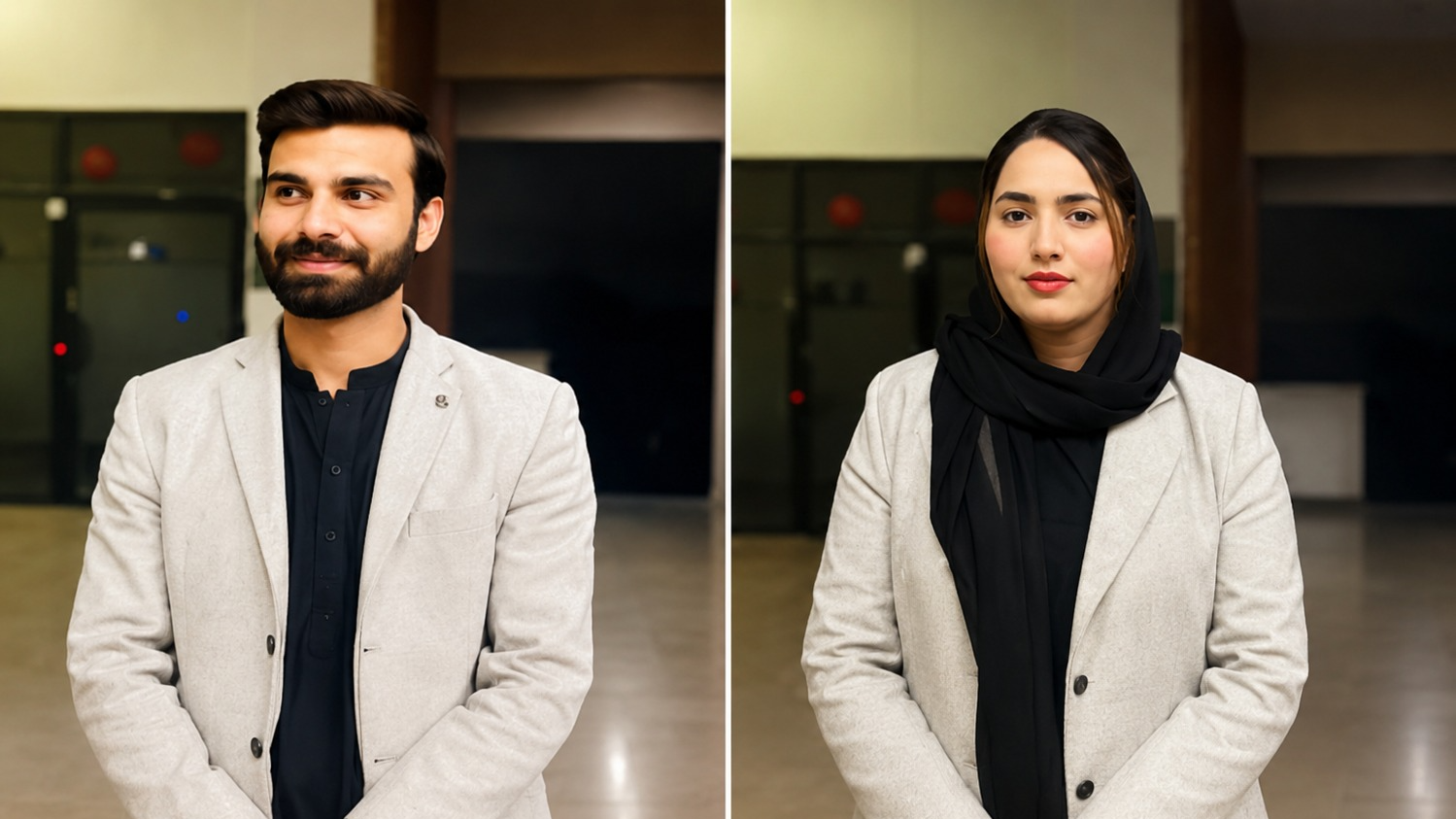
By Asma Rahmat, Final Year Law Student, SLC, Superior University and Muhammad Ameer Hamza, Final Year Law Student, SLC, Superior University


The legal profession has long been regarded as one of the most respected and tradition-bound institutions in society, founded on human intellect, ethical judgment, and the pursuit of justice. Yet, like every other profession, it is now experiencing the profound impact of Artificial Intelligence (AI). Across the globe, AI is transforming industries by automating routine tasks, enhancing productivity, and improving decision-making. The legal sector is no exception. While countries with advanced legal systems have already begun integrating AI into legal practice and judicial administration, Pakistan is only beginning to explore its potential. The challenge before us is not whether AI will become part of the legal profession, but whether we are prepared to embrace this technological revolution while preserving the fundamental values of justice, fairness, and the rule of law.

Artificial Intelligence has the ability to process vast amounts of information within seconds, making it an invaluable tool for legal professionals. Today, AI-powered software can conduct legal research, review contracts, summarize lengthy case files, identify relevant judicial precedents, and even assist in drafting legal documents. These are tasks that traditionally consumed hours or even days of a lawyer’s time. By automating repetitive and time-consuming work, AI enables lawyers to focus on the more complex aspects of their profession, including legal strategy, courtroom advocacy, negotiation, and client counseling. Rather than replacing legal professionals, AI has the potential to become a reliable assistant that enhances both efficiency and accuracy.

For Pakistan, where the judicial system continues to struggle with delays and an ever-growing backlog of cases, the responsible use of AI could bring much-needed reform. Thousands of litigants wait years for the resolution of their disputes, often because courts are overburdened and administrative processes remain largely manual. AI can assist in organizing digital records, managing court schedules, classifying legal documents, and simplifying legal research for judges and lawyers alike. These improvements could significantly reduce delays, improve case management, and make the justice system more efficient without compromising judicial independence. Importantly, AI should support judicial decision-making rather than replace it, as the final responsibility for interpreting the law must always remain with judges.

Beyond improving efficiency, AI also offers an opportunity to strengthen access to justice. A significant portion of Pakistan’s population cannot afford legal representation or lacks access to basic legal information. AI-powered legal assistance platforms, particularly those available in Urdu and regional languages, could provide citizens with preliminary guidance on their legal rights, court procedures, and available remedies. Such tools would not replace qualified lawyers but could empower individuals by helping them understand the legal system before seeking professional assistance. In a country where legal awareness remains limited, technology can become a powerful means of promoting legal literacy and strengthening public confidence in the justice system.

The emergence of AI is equally significant for legal education. Law students now have access to intelligent research tools that can summarize judgments, explain complex legal principles, compare international legal systems, and assist in legal writing. These technologies can make legal education more interactive and research-oriented. However, they also present a challenge. Students must avoid becoming overly dependent on AI-generated content, as legal education is ultimately designed to develop analytical reasoning, critical thinking, and independent judgment. Future lawyers must learn not only how to use AI responsibly but also how to question its outputs, verify legal authorities, and apply legal principles thoughtfully.

Despite its many advantages, Artificial Intelligence raises several legal and ethical concerns that cannot be ignored. AI systems are not infallible. They may generate inaccurate information, misinterpret legal authorities, or reflect biases contained within the data on which they were trained. A lawyer who relies solely on AI without verifying its results risks providing incorrect legal advice or presenting flawed arguments before the court. Furthermore, the use of AI raises important concerns regarding client confidentiality and data protection. Lawyers have a professional and ethical obligation to protect sensitive client information, and any use of AI must ensure that confidential data is handled securely. These concerns highlight the importance of developing ethical guidelines governing AI’s use within the legal profession.

Pakistan currently lacks a comprehensive legal framework specifically regulating Artificial Intelligence. While existing laws address cybercrime and certain aspects of electronic transactions, they do not adequately address issues such as AI accountability, transparency, liability, algorithmic bias, or the protection of personal data in AI-assisted legal services. As AI becomes more prevalent, policymakers must establish a clear regulatory framework that encourages technological innovation while safeguarding constitutional rights, including privacy, equality before the law, and the right to due process. Such regulation will be essential to ensuring that AI serves society without undermining public trust in legal institutions.

Perhaps the greatest misconception surrounding AI is the belief that it will eventually replace lawyers. In reality, the legal profession depends upon qualities that no machine can fully replicate. Lawyers do not merely apply legal rules; they exercise judgment, interpret complex factual situations, negotiate settlements, understand human emotions, and advocate persuasively before courts. Similarly, judges must balance competing rights, interpret legislation in light of constitutional principles, and deliver reasoned decisions based on justice and equity. These responsibilities require wisdom, experience, empathy, and moral reasoning—qualities that remain uniquely human. AI can provide information and support, but it cannot replace the conscience, ethical responsibility, and professional judgment that define the legal profession.

The future of the legal profession in Pakistan therefore lies in collaboration rather than competition between humans and technology. Law schools should introduce courses on Artificial Intelligence, legal technology, and digital ethics to prepare future lawyers for an increasingly technology-driven profession. Bar councils and regulatory authorities should establish professional standards governing the ethical use of AI in legal practice, while the judiciary should continue investing in digital infrastructure to improve the administration of justice. At the same time, legal professionals must embrace lifelong learning so they can adapt to technological advancements without compromising the integrity of their profession.

Artificial Intelligence is not a threat to the legal profession; it is an opportunity to modernize it. If adopted responsibly, AI can enhance legal research, improve judicial efficiency, expand access to justice, and strengthen legal education. However, technology should always remain a tool that supports, rather than replaces, human judgment. Justice is ultimately a human endeavor founded on fairness, compassion, and accountability. As Pakistan moves toward an increasingly digital future, the successful integration of Artificial Intelligence into the legal profession will depend not only on technological progress but also on our commitment to constitutional values, ethical responsibility, and the enduring principle that the law must always serve humanity.
Similar Posts

  • Gen Z, Jantar Mantar & PM Modi

    If a protest is peaceful, does not create problems for the public, and remains free of violence, it is a basic human right. In fact, protest is a sign of a living society. Dead people cannot protest or resist. Unfortunately, in our society, the protests of ordinary and poor people are often looked down upon, even though every protest should be judged on its own merits. People often complain that today’s generation is not as good as the previous one. But history shows that every older generation has made the same complaint about its youth. Even centuries ago, elders believed that young people had lost their values. Times have changed, but this mindset has remained the same. I believe that every new generation brings something better than the one before it. Today’s young people have access to knowledge in ways that no previous generation could have imagined. The internet and artificial intelligence have placed the world’s knowledge within everyone’s reach. As a result, today’s youth are more informed, more curious, and more aware. This is exactly what can be seen in the recent **Generation Z protests in India**. These young people are presenting their demands in a calm and respectful manner. Their speeches are based on logic rather than emotion. Whether boys or girls, they explain their concerns with confidence and reason. According to the protesters, **152 examination papers have leaked over the past ten years**, affecting nearly **70 million students**. They believe that Education Minister **Dharmendra Pradhan** should take responsibility and resign. They are demanding reforms in the education system, action against police officers who used force on students, medical treatment for the injured, the release of arrested protesters, and the withdrawal of cases filed against them. One female student said that their movement should not be turned into a Hindu-Muslim issue. She explained that her closest friend is Muslim and that religion has never come between them. According to her, the real issues are education, employment, and a better future—not religious divisions. She also argued that public money should be spent on schools and hospitals instead of fueling religious politics. Another young protester remarked that India’s two prominent leaders, Prime Minister Modi and Yogi Adityanath, do not have children of their own, so they may not fully understand the struggles faced by students and young people. Some protesters also mocked allegations that they were receiving funding from Pakistan or China. Holding packets of chips and spices, they jokingly referred to them as their “Pakistani funding,” using humor to challenge what they described as baseless accusations. The movement has not relied only on slogans. Students have also used songs, poetry, and creative performances to express their message. In some places, however, clashes with the police have occurred. The movement traces its origins to remarks made by **Justice Surya Kant** of the Supreme Court of India, who reportedly compared some unemployed young people to “cockroaches” during a court hearing. Many students felt insulted by the comment, which eventually led to the formation of the **Cockroach Janata Party** protest movement. The movement focuses on issues such as examination paper leaks, unemployment, and reforms in the education system. Among its well-known figures are **Abhijit Deepke** and **Sonam Wangchuk**. Wangchuk carried out a 26-day hunger strike before being taken into custody and moved to a hospital. What began in Delhi has gradually spread to other cities across India. Reports indicate that police have used baton charges, tear gas, and water cannons against demonstrators. Several international human rights organizations have expressed concern over the use of force against peaceful protesters. The students argue that India is the world’s largest democracy and that the right to peaceful protest must be protected rather than suppressed. Prime Minister Narendra Modi has announced that cases involving examination paper leaks will be referred to fast-track courts and that those responsible will face strict action. However, many protesters believe that promises alone are not enough and that concrete reforms are needed. History has shown that governments often underestimate public movements in their early stages. If legitimate concerns are ignored, such movements can grow into much larger crises, as has happened in several countries in the past. If the demands of these young people are genuine and reasonable, the government should engage with them directly, listen to their concerns, and reform the education system where necessary. If officials have failed in their responsibilities, they should be held accountable. A strong democracy is one that listens to peaceful voices instead of trying to silence them.

  • World Day Against Trafficking in Persons 2026: Hum…

    The World Day against Trafficking in Persons is observed every year on 30 July, to eradicate one of the gravest violations of human dignity. Human trafficking is a criminal offence and it is a profound violation of human rights that deprives millions of women, men, and children of their freedom, dignity, and security. Recognizing the growing global threat, the United Nations General Assembly adopted Resolution in December 2013, designating 30 July as the World Day against Trafficking in Persons. The Resolution aims to raise awareness of the plight of victims, promote and protect their rights, strengthen international cooperation, and encourage the effective implementation of international legal instruments against trafficking. Human trafficking is often described as modern slavery, but legally it encompasses a much broader range of criminal conduct. The internationally accepted definition is contained in the Protocol to Prevent, Suppress and Punish Trafficking in Persons, Especially Women and Children (commonly known as the Palermo Protocol), which supplements the United Nations Convention against Transnational Organized Crime (UNTOC), entered into force in 2003. The Palermo Protocol defines trafficking as the recruitment, transportation, transfer, harbouring, or receipt of persons through means such as force, coercion, abduction, fraud, deception, abuse of power, or abuse of a position of vulnerability for the purpose of exploitation. It obliges States Parties to criminalize trafficking, protect and assist victims while respecting their human rights, prevent trafficking through coordinated national measures, and strengthen international cooperation in investigation, prosecution, and law enforcement. By establishing a comprehensive framework based on prevention, protection, prosecution, and international partnership, the Palermo Protocol remains the cornerstone of the global legal response to human trafficking. One of the most visible global initiatives against trafficking is the UNODC Blue Heart Campaign. The Blue Heart symbolizes solidarity with victims while simultaneously representing the cold-heartedness of traffickers who buy and sell human beings for profit. Through awareness campaigns, educational activities, partnerships and public engagement, the initiative encourages governments, businesses and citizens to become active participants in preventing trafficking. The campaign also supports the United Nations Voluntary Trust Fund for Victims of Human Trafficking, which provides direct assistance to victims through specialized organizations across the world. The Blue Heart has become an internationally recognized symbol reminding us that behind every trafficking statistic is a human life requiring protection and justice. For many years, discussions on trafficking largely focused on sexual exploitation and forced labour. While these remain widespread, trafficking has evolved dramatically with technological advancement and globalization. Recruitment increasingly occurs through social media platforms, online advertisements, messaging applications, dating websites and fraudulent recruitment agencies. Criminal organizations use digital technologies to identify vulnerable individuals, establish trust, arrange transportation, monitor victims, launder criminal proceeds and evade law enforcement. The United Nations has therefore selected ‘Trapped Behind the Scam’ as the theme for the 2026 World Day against Trafficking in Persons, drawing attention to one of the fastest-growing forms of trafficking: the exploitation of victims within online scam compounds. Across several regions, particularly in East and South-East Asia, individuals are deceived through fake overseas employment opportunities. Upon arrival, their passports are confiscated, movement is restricted, and they are forced to conduct online financial fraud, cryptocurrency scams, romance scams and other cyber-enabled offences under threats of violence and debt bondage. Victims themselves become instruments of organized crime while remaining victims under international law. Two publications issued by UNODC in 2024 provide a comprehensive understanding of the contemporary trafficking landscape. While the UNODC Convergence Report 2024 examines how human trafficking has become increasingly intertwined with cybercrime, financial fraud, money laundering, and other forms of transnational organized crime, the UNODC Global Report on Trafficking in Persons 2024 presents the latest global trends, patterns, and statistics on trafficking in persons. The UNODC Convergence Report 2024 marks an important shift in understanding organized crime. Rather than viewing trafficking, cybercrime, drug trafficking, corruption, financial fraud and money laundering as separate criminal activities, the report demonstrates that they increasingly converge and reinforce one another. Human trafficking now forms part of broader criminal ecosystems. Organized criminal groups simultaneously engage in trafficking, cyber-enabled fraud, money laundering, corruption, document forgery, identity theft and financial crime. Criminal profits are rapidly transferred across jurisdictions through sophisticated laundering mechanisms, while digital technologies enable offenders to recruit victims, communicate securely and conceal illicit proceeds. According to the UNODC Global Report on Trafficking in Persons 2024, human trafficking remains a pervasive global crime affecting every region of the world. Between 2020 and 2023, authorities detected 202,478 victims across 156 countries, of whom 38% were children (22% girls and 16% boys) and 62% were adults (39% women and 23% men). Forced labour emerged as the most prevalent form of exploitation, accounting for 42% of detected victims, followed by sexual exploitation (36%), while forced criminality (8%), mixed forms of exploitation (8%), other forms of exploitation (4%), forced begging (1%), and forced marriage (1%) constituted the remaining cases. The report further reveals that 70% of convicted traffickers are men, 28% are women, and 74% of traffickers operate within business-like or governance-type organized criminal groups, underscoring that trafficking in persons is predominantly driven by sophisticated organized crime networks rather than isolated offenders. Recent UNODC assessments indicate that trafficking patterns continue to evolve. Organized criminal groups are responsible for a substantial majority of detected trafficking cases. Victims originate from an increasingly diverse range of countries and are trafficked across multiple regions. Online recruitment has become commonplace, while forced criminality, including cyber-enabled fraud, is emerging as a rapidly expanding form of exploitation. Pakistan has strengthened its legal and institutional response to human trafficking through the Prevention of Trafficking in Persons Act, 2018, enacted in line with the United Nations Convention against Transnational Organized Crime (UNTOC) and the Palermo Protocol. The Prevention of Trafficking in Persons Rules, 2020 further require the National Police Bureau to establish and maintain a centralized national database on trafficking in persons. In pursuance of this mandate, the Bureau has established the National Database on Trafficking in Persons Management Unit to develop an integrated system for nationwide data collection, analysis,

  • Freedom of Expression or Freedom to Spread Disorde…

    As a journalist, my entire professional life has been dedicated to defending freedom of expression, civil liberties, and an independent press. Throughout more than two decades in journalism, I have firmly believed that the right to express one’s views is a fundamental human right, protected not only by Pakistan’s Constitution but also by the Universal Declaration of Human Rights and the laws of most democratic nations. However, no right in any civilized society is absolute. Every freedom comes with responsibility. When freedom is divorced from responsibility, it ceases to be a force for reform and instead becomes a source of disorder. That is why every mature democracy has established legal and ethical boundaries to ensure that freedom of expression serves the public interest rather than undermining it. The rise of social media has revolutionized the flow of information. Today, an ordinary citizen possesses communication power that was once reserved for major media organizations. A smartphone, a short video, and a single click can spread information, allegations, or opinions across the globe within minutes. Used responsibly, this technology promotes transparency, accountability, and public awareness. Used recklessly, without verification or evidence, it can inflict irreparable damage on individuals, institutions, and society. The recent controversy involving the University of the Punjab illustrates this challenge. A video circulated on social media in which serious allegations were made against several faculty members. Shortly after the video surfaced, the university administration issued an official statement rejecting the allegations and referred the matter to the police, the Cyber Crime Investigation Agency, and other relevant authorities for investigation. The episode also exposed another troubling aspect of today’s digital environment. Several freelance vloggers and social media accounts amplified the allegations, yet many failed to present the university’s official response with equal prominence. One of the fundamental principles of journalism is to provide all concerned parties with an opportunity to present their position before public opinion is shaped. Based on the information currently available and my own research, the viral video did not publicly present independently verifiable evidence supporting the allegations. Nor has it been established that a formal written complaint was submitted through the university’s prescribed grievance mechanism before the video was released. If the ongoing investigation establishes otherwise, those findings must be accepted with the same commitment to fairness and truth. Equally important is ensuring that the investigation is not limited solely to the allegations themselves. If it is established that any individual or group deliberately misled students, orchestrated a coordinated campaign, or exploited social media to damage the reputation of an institution or its members, those responsible should also be held accountable under the law. Conversely, if the allegations are substantiated, the complainants deserve full justice without discrimination. Accountability must apply equally to everyone. This case extends far beyond a single university. It reflects the growing problem of irresponsible social media usage. Increasingly, individuals bypass legal forums, institutional complaint mechanisms, and investigative authorities, choosing instead to take their grievances directly to social media. Within minutes, a viral post can shape public opinion, damage reputations, and, in many cases, allow the “court of social media” to pronounce its verdict long before any formal investigation has concluded. Such a trend blurs the line between freedom of expression and irresponsible expression. Recognizing these risks, many developed countries have introduced stricter regulations governing digital platforms. The European Union’s Digital Services Act (DSA) and Digital Markets Act (DMA) require major technology companies to act swiftly against illegal content, terrorist propaganda, child sexual abuse material, counterfeit products, and other harmful content. These laws also require greater transparency in algorithms, stronger user protections, and comprehensive risk assessments, with violations carrying multi-billion-euro penalties. The United States follows a different constitutional model. While the First Amendment provides broad protection for freedom of speech, this does not mean that every form of online content is beyond regulation. Social media companies continue to enforce community standards against hate speech, incitement to violence, terrorism-related content, child exploitation, financial fraud, and other unlawful activities. Several U.S. states are also developing legislation addressing AI-generated deepfakes, child online safety, and digital privacy. In Pakistan, the Prevention of Electronic Crimes Act (PECA) provides the principal legal framework for addressing cybercrime. However, concerns have repeatedly been raised by political parties, journalists, and human rights organizations regarding aspects of its implementation. This underlines the importance not only of effective legislation but also of its transparent, impartial, and constitutional enforcement. The rapid rise of artificial intelligence, deepfake technology, disinformation, and organized online propaganda has made responsible journalism and responsible social media use more important than ever. Freedom of expression remains the cornerstone of every democratic society, but using that freedom to damage individuals or institutions without credible evidence serves neither journalism nor democracy. Pakistan, like many other countries, faces the challenge of preserving free expression while preventing the misuse of digital platforms. The objective should never be to silence legitimate criticism or suppress dissent. Instead, it should be to ensure that freedom is exercised with honesty, evidence, and accountability.   Freedom of expression is the soul of democracy. Yet when it is separated from truth, integrity, and responsibility, it no longer remains freedom—it becomes disorder. A civilized society is one where the law protects those who speak the truth while holding accountable those who knowingly spread falsehoods. That balance represents the true spirit of free expression and remains the hallmark of every democratic, civilized, and dignified nation.    

  • The Perfect Human: Prophetic Biography and the Sci…

    The boundless and dynamic history of Seerah—the prophetic biography—bears witness to how every era’s intellectual currents, scholarly demands, and civilizational pressures have played a pivotal role in shaping the style of this sacred literary genre. In the earliest biographical periods, the primary objective was the preservation of prophetic traces and historical continuity, which later evolved during the medieval age into polemical, defensive, and theological debates. Up until the mid-twentieth century, the major goal of Seerah writing remained a reasoned defense against Western Orientalist objections alongside historical verification. However, in this fast-paced, technology-driven, and metaphysics-averse scientific age of the twenty-first century—where the prevailing trend is to test every narrative against data, logic, and objective criteria—there has been an intense, growing need to present the Seerah of the Prophet (PBUH) with an intellectual cadence that steps outside traditional rhetoric to directly appeal to the modern scientific mind and international academic paradigms. To bridge this intellectual gap, Dr. Ashfaq Ahmed—a distinguished professor of computer science and engineering at the University of Texas at Arlington and director of the Center for Advanced Computing Systems—authored a valuable English work titled The Perfect Human, Muhammad (PBUH). To bring this book into the broader Urdu sphere and facilitate access for intellectual and academic circles, Saqlain Shaukat translated it into Urdu under the title Bashar-e-Kamil: Muhammad ﷺ, an endeavor that undeniably holds a prominent and esteemed place in our intellectual world. The most distinctive quality of this book is that its author is not a traditional graduate of a religious seminary or a conventional orator, but rather a scientist accustomed to weighing every phenomenon through algorithmic precision, systematic models, and multi-level bibliographies. The undertaking of Seerah by a computer science professor with such meticulousness—weaving historical events into a fact-based narrative—bestows upon the account a rare academic and objective validity. Abandoning traditional emotional hyperbole, the author adopts a methodology of historical and documentary evidence that convinces the reader the life of the Prophet (PBUH) is not merely a scattered collection of emotional episodes, but rather the most authentic and actionable code for human evolution and global civilizational formation. The first part of the book comprises fifty-three detailed chapters, presenting a continuous historical narrative of the Prophet’s (PBUH) life. The true uniqueness of this section lies in how the author intertwines nearly fifteen hundred Quranic verses and authentic references from other heavenly scriptures into the text with such skill that the Quran itself becomes the speaker of the Seerah. In particular, the critical analysis applied to the Constitution of Medina (Mithaq-e-Madinah), the documentary treaties of the Medinan state, and other political and social conditions offers rich intellectual nourishment for students of international law, modern political science, and sociology. The second part of this scholarly masterpiece represents an entirely novel and unique chapter in the history of Seerah writing. This section encompasses comprehensive research statements based on one hundred distinct human attributes extracted from the individual, collective, and moral life of the Prophet (PBUH). Each attribute is connected to the historical and Quranic evidence of the first part in such a way that it ceases to be mere verbal advice and instead becomes a living, dynamic model of action. For today’s globalized world—which suffers from materialism, moral decline, and severe intellectual chaos—these one hundred attributes serve as a Magna Carta fully capable of restoring the fractured equilibrium of modern man. The most significant aspect distinguishing this work from traditional Seerah books is its systematic model and algorithmic framework. As an engineering professor, Dr. Ashfaq Ahmed has transitioned the study of Islamic history and the Seerah away from traditional narrative and into a structured system and source code. The one hundred attributes listed at the end of the book are essentially a reverse engineering of the Seerah, providing modern humanity, the corporate world, and academic institutions with a moral source code that any organization in the world can implement to achieve professional success—provided it is applied independently of its colonial and unjust frameworks. Furthermore, the balanced academic perspective that Dr. Ashfaq Ahmed establishes to foster interfaith harmony and intellectual tolerance acts as a robust intellectual bridge for the new generation living in the West and for non-Muslim academies. However, when this book is examined critically through the lens of objective, deep Islamic thought and history, certain fundamental contradictions become apparent in its methodology and narrative, limiting its universal utility to a degree. It is most important to clarify here that Islam is by no means opposed to science or objective research. Throughout Islamic history, illustrious Muslim scientists such as Ibn al-Haytham, al-Khwarizmi, and al-Biruni enlightened humanity precisely by integrating faith with scientific reasoning. Therefore, Dr. Ashfaq Ahmed’s methodology is not an inherent intellectual deviation; rather, its true tragedy lies in the fact that, in its scramble to satisfy the modern scientific mind, it sidelines Islam’s divine and metaphysical essence. The understanding of the prophetic Seerah in Islam is not merely a dry collection of historical events, political treaties, or social algorithms. It is built upon a spiritual equilibrium of divine revelation from heavenly sources, miracles that transcend intellect, and a profound love for the Divine—elements that cannot be entirely imprisoned within the mold of computer science source codes. When an author begins to present the Seerah as a corporate model, they inadvertently weaken the metaphysical beauty of the religion, which offers humanity deep spiritual fulfillment alongside intellectual satisfaction. The second critical observation regarding this assessment is that, in attempting to satisfy the modern scientific mind, the author occasionally reduces historical events to material causes, effectively rendering the original element of miraculous and divine succor either entirely absent or marginalized. An authentic Muslim intellectual perspective maintains that while the material causes of Islamic history hold their proper place, the operational force behind them is divine will and unseen support—the fundamental catalyst without which the entire narrative of the Seerah feels incomplete and lifeless. The book’s assertion that the Magna Carta of the Prophet’s (PBUH) attributes serves as a source code for the

  • Justice Begins with the Well-being of Judges

    When we talk about justice, we usually think about independent courts, fair and speedy decisions, and honest judges. But we often forget one important question: What about the justice-sector people behind all this? Judges have one of the most demanding jobs in society. Every day, they decide cases that affect people’s lives, freedom, families, businesses, property, and rights. They are expected to remain fair, independent, and impartial, no matter how difficult or ‘high profile’ the case may be. To recognize the importance of supporting judges, the United Nations General Assembly declared 25 July as the International Day for Judicial Well-being in March 2025. Judges also need healthy and supportive working conditions to perform their duties effectively. Being a judge is not easy. Many judges face heavy workloads, long working hours, difficult and emotionally charged cases, public criticism, security risks, and administrative responsibilities. These challenges can affect their physical and mental health. When judges are under constant stress, it can also affect the quality and speed of justice. Looking after judges is therefore not a personal favour; it helps the entire justice system. Healthy and motivated judges are better able to make fair decisions, uphold the rule of law, and maintain public confidence in the courts. The idea of judicial well-being gained international attention with the adoption of the Nauru Declaration on Judicial Well-being on 25 July 2024. The Nauru Declaration on Judicial Well-being is founded on seven guiding principles: (1) judicial well-being is essential to judicial independence and the effective administration of justice; (2) judicial stress should be recognized without stigma; (3) promoting judicial well-being is a shared responsibility of judges and judicial institutions; (4) courts should foster an ethical, respectful, and inclusive judicial culture; (5) awareness, education, prevention, and support measures should be encouraged; (6) each jurisdiction should develop well-being initiatives suited to its own needs and circumstances; and (7) all efforts to promote judicial well-being should respect human rights and fundamental freedoms. A 2021 survey by the Global Judicial Integrity Network of the United Nations Office on Drugs and Crime (UNODC), involving judges from more than 100 countries, highlights the growing importance of judicial well-being. The survey found that 76% of judges lack enough time to care for their physical and mental health, 92% experience work-related stress, 89% know colleagues suffering from stress or anxiety, 69% believe mental health remains a taboo subject in the judiciary, 83% say their court systems provide insufficient support, and 97% believe judicial well-being deserves greater attention. Judges also reported that poor well-being affects the efficiency of courts, the quality of judicial decisions, public confidence in the judiciary, access to justice, judicial integrity, and procedural fairness. These findings show that judges around the world face similar challenges. When judges receive proper support, they are better able to make fair and balanced decisions; work more efficiently; maintain high ethical standards; resist outside pressure; and strengthen public confidence in the courts. Supporting judges means strengthening the rule of law and improving the delivery of justice. Governments and judicial institutions should take practical steps to improve judicial well-being. These include reducing excessive workloads; providing confidential counselling and mental health services; creating peer-support programmes; offering leadership and well-being training; protecting judges from harassment and intimidation; and ensuring safe and healthy working environments. It is also important to create a culture where judges feel comfortable seeking support when they need it. In Pakistan, judges work under immense psychological pressure. The rapid growth of social media has changed the environment in which justice is delivered. Cases that are still pending before the courts are frequently debated online, with people openly expressing opinions and expecting decisions that match their own views. Such public discussion creates pressure on judges, even if it does not influence their legal reasoning or final decisions. Many judges are also present on social media or are more visible in public life than in the past. Their participation in public events and increased interaction with society have reduced the professional distance that traditionally existed between judges and the public. While greater engagement has its benefits, it also exposes judges to public criticism, expectations, and scrutiny, which can affect their psychological well-being. For a judge, there should be no distinction between an ordinary case and a so-called ‘high-profile case.’ Article 25 of the Constitution of Pakistan guarantees that all citizens are equal before the law. Every case deserves the same attention, fairness, and impartiality. However, media coverage and public opinion often create the perception that certain cases are more important than others. Even where judges remain completely independent, such external attention can create significant psychological pressure. Another challenge is public perception of the justice system. Justice is delivered by many institutions, including the police, prosecution, lawyers, prison authorities, investigators, and the courts. Delays and weaknesses often result from failures across the entire justice sector. Yet, when justice is delayed, or public confidence declines, the criticism is directed mainly at the judiciary. Judges become the visible face of the justice system and bear the burden of public dissatisfaction, even when the causes lie beyond the courts. This constant scrutiny, criticism, and pressure can affect judges’ morale and well-being. Pakistan has recently taken an important step by placing judicial well-being on the national agenda. To mark the International Day for Judicial Wellbeing, the Law and Justice Commission of Pakistan will organize the country’s first National Conference on Judicial Wellbeing at the Supreme Court of Pakistan on 25 July 2026. This initiative is a welcome beginning. However, promoting judicial well-being should become a permanent part of judicial reform rather than a one-day observance. Protecting judges’ well-being ultimately strengthens the rule of law and improves public confidence in the administration of justice. Justice is delivered by people. Judges are expected to remain fair, calm, independent, and ethical while making decisions that can change people’s lives. They can perform this important role best when their own well-being is protected.

  • The 4th Shusha Global Media Forum and Azerbaijan?…

    The 4th Shusha Global Media Forum themed “The Mission of the Media in Promoting Peace: Restoring Truth and Rebuilding Trust” was held in the city of Shusha, the Republic of Azerbaijan. More than 160 journalists and media representatives from 54 countries attended the forum, with participants from 30 international news agencies and 60 major media organizations. The forum gave journalists, media experts, editors and public officials a chance to come together and discuss how the media can help build a more peaceful and informed world. This is a very important forum, because it attracted attention to the growing role of Azerbaijan in the world. It was also the reflection of Azerbaijan’s remarkable development under the leadership of His Excellency President Ilham Aliyev. A few days back, Azerbaijan hosted World Urban Forum 2026, then Baku Energy Week 2026, and now the 4th Shusha Global Media Forum was held in Azerbaijan. The success rate and the widespread participation in all these international forums show that Azerbaijan is a trusted member of international community and is emerging as a key regional player. It is worth mentioning that the forum was held in Shusha, a city in Nagorno-Karabakh, Azerbaijan. The choice of holding the forum in Karabakh region is extremely significant. Thanks to the forum that journalists from around the world were able to see how the government of Azerbaijan managed to rebuild this war-torn region within just five years. The city of Shusha served as the symbol of renewal. The 4th Shusha Global Media Forum is important as it brought together voices from different countries to discuss the future of global media. The discussions focused on how the social media and news are changing. What new challenges are being faced by the journalists and media across the world and how all countries can work together to address these challenges. At the same time forum also explored how journalism is adapting to artificial intelligence, disinformation and declining public trust, with discussions focusing on responsible reporting, media ethics and international dialogue. It provided a great opportunity to journalists and media experts from across the globe to directly engage with the President of Azerbaijan and ask him questions directly. The forum highlighted how today’s media is being transformed by AI, digital communication, and the growing spread of misinformation. Participants also discussed how they can uphold principles of ethical journalism and ensure factual and accurate reporting in this era of technological advancement. They also discussed how they can make people trust the media more, in what ways media and governments should respond to false or misleading information. It should be noted that the experts highlighted both the challenges and opportunities presented by digital media and the artificial intelligence. When they discussed the misuse of AI, they also talked about how AI should be used responsibly in journalism and media. It shows the responsible attitude of both the participants and the leadership of Azerbaijan that they brought such important topic under discussion. The forum also underscored that media is not just for reporting events but it plays a pivotal role in building trust encouraging dialogue and promoting understanding between nations. The role of the leadership of Azerbaijan in hosting the Global Media Forum for the 4th time is highly commendable. Creating such an engaging international platform at a time when the global information environment is becoming more complex deserves immense praise. The forum also paved the way for cultural exchange, dialogue, and increased human connectivity as people from diverse backgrounds attended the event. The most interesting and the strongest feature of the Shusha Global Media Forum, I believe, is its openness to different viewpoints. It provides equal opportunity to all the participants to ask questions, share their experiences, give new ideas, and discuss pressing global issues in a professional environment. Such opportunities encourage honest conversations and result in some pragmatic ideas that can actually help address various challenges and fight disinformation. These discussions are very important as news travels faster than ever before and public trust in media remains a global concern. Another highlight of the forum was the use of artificial intelligence in journalism, how is AI both an opportunity and a challenge for the journalism. At the forum, experts discussed the role of AI in news production, fact-checking and content creation. They agreed that technology is helpful in improving efficiency but it can never replace human judgment, moral standards, and accurate reporting done by humans. The exchange of ideas on these topics reflected Azerbaijan’s readiness to host conversations on issues that are shaping the future of global communication. A particularly positive aspect of the event was the participation of media representatives from wide range of countries. All of them came together to discuss common challenges, exchange ideas and share knowledge. Such platforms, dialogues, and collaborations help reduce misunderstanding between societies. Professional connections are built and already existing networks are strengthened. Meanwhile, such platforms also open new areas of cooperation and create opportunities for future collaborations. It also allows participants to learn from one another’s experiences in dealing with rapidly changing media environments. When His Excellency President Ilham Aliyev addressed the forum he talked about peace, regional advancements, connectivity and the increasing importance of dialogue and communication. H.E.’s participation made it clear that Azerbaijani leadership will always support international discussions on media and global affairs. Moreover, the senior government officials were also present at the forum. Their presence demonstrated Azerbaijan’s efforts to maintain direct engagement with the international media community. With the passage of time, the Shusha Global Media Forum has evolved into a respected international platform for discussing the future of journalism and strengthening media cooperation. Its significance lies in the fact that it offers an opportunity to media professionals to come together and discuss and timely resolve the pressing challenges global media is facing. The continued success of the forum showcases Azerbaijan’s commitment to promoting dialogue, responsible journalism, and global engagement.

Leave a Reply

Your email address will not be published. Required fields are marked *