electricity tariff likely
|

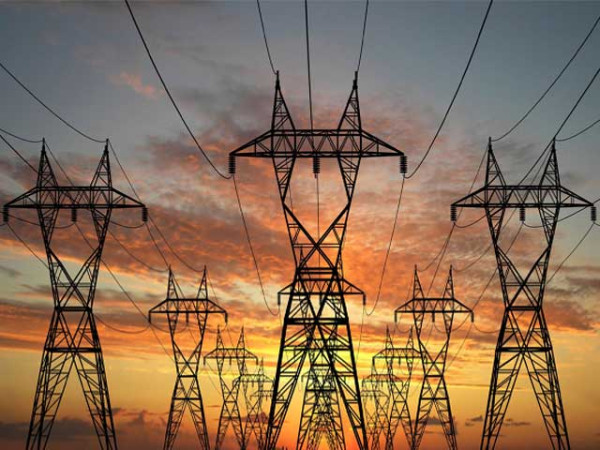
Electricity tariff likely to increase by Rs1 per unit from next month

ISLAMABAD: Electricity consumers across Pakistan may face higher power bills from next month as electricity distribution companies have approached the National Electric Power Regulatory Authority (NEPRA) seeking a quarterly tariff adjustment.

According to sources, the proposed adjustment could result in an increase of around Rs1 per unit in electricity prices during the upcoming quarter.

The distribution companies have submitted their adjustment request to NEPRA, which will examine the figures and determine the impact on consumers under the applicable quarterly tariff mechanism.

Sources said the expected increase is linked to the expiry of the existing quarterly adjustment relief. Under the current arrangement, consumers are receiving a relief of Rs1.99 per unit, which is scheduled to expire at the end of the current month.

With the relief ending, electricity tariffs are expected to rise for consumers across the country from next month, subject to NEPRA’s approval of the proposed adjustment.

The quarterly tariff adjustment mechanism is used to pass on changes in electricity generation costs and other relevant expenses to consumers. Depending on the regulator’s assessment, the resulting adjustment can either increase or reduce electricity bills.

The proposed increase is likely to add to the financial burden on households and businesses already facing elevated electricity costs. Consumers are now awaiting NEPRA’s decision, which will determine the final impact on electricity tariffs in the upcoming quarter.

NEPRA is expected to review the distribution companies’ submissions before announcing its decision. The final adjustment may differ from the amount initially sought by the power distribution companies following the regulator’s scrutiny of the data and applicable costs.

Similar Posts

  • Singapore’s Global Talent Push: ONE Pass Holders Double in Two Years

    BANGKOK – Singapore has significantly ramped up its push to attract the best minds in the world. The city-state has more than doubled the number of high-earning foreign professionals holding a special work visa since its launch. The number of Overseas Networks and Expertise (ONE) Pass holders jumped to 8,500 by December 2025. This is […]

  • |

    Gold prices rise for third straight session, hit two-month high

    Gold prices extended their upward momentum on Tuesday, climbing for a third consecutive session as investors turned their attention to key US inflation figures that could influence expectations for the Federal Reserve’s next interest-rate decision. The precious metal continued to attract buying interest amid renewed safe-haven demand and growing expectations that US monetary policy could become less restrictive if economic data point to a cooling economy. Spot gold gained around 1% to reach $4,432.74 per ounce by 0217 GMT, its highest level since June 5. US gold futures also advanced, rising 1.7% to $4,492.60 per ounce. Market analysts said several factors were contributing to the latest rally, including investors who had stayed on the sidelines during gold’s earlier decline and are now returning to the market as prices recover. IG market analyst Tony Sycamore said the move was partly being driven by a fear of missing out among investors who had failed to take advantage of the previous decline toward the $4,000 level. He also pointed to short-covering by speculative traders and renewed demand for gold as a safe-haven asset. Sycamore added that gold could have further room to advance over the medium term, potentially opening the way for a stronger recovery toward the $5,000-per-ounce mark. US inflation data in focus Investors are now closely watching the latest US inflation figures, with the consumer price index (CPI) scheduled for release on Wednesday and producer price data due on Thursday. The reports are expected to provide important clues about the future direction of US interest rates. Markets have already reduced expectations for further monetary tightening following weaker-than-expected US employment data released last week. The latest jobs figures raised concerns about the strength of the US economy and encouraged traders to reassess expectations for the Federal Reserve’s policy path. At its July meeting, the Federal Reserve left interest rates unchanged, although three policymakers dissented and supported an increase. The split among officials highlighted uncertainty over the appropriate direction of monetary policy as the central bank continues to balance inflation risks against signs of economic weakness. Gold generally benefits from a lower-interest-rate environment because the metal does not provide interest or other regular income. When bond yields and interest rates decline, the opportunity cost of holding non-yielding bullion becomes less significant, potentially increasing its appeal among investors. Fawad Razaqzada said that if incoming economic data continue to indicate a slowing US economy without a significant acceleration in inflation, financial markets could further reduce expectations for tighter monetary policy. Such a development could weigh on the US dollar while creating a more supportive environment for gold, he said. Geopolitical tensions add to safe-haven demand Geopolitical developments also remained an important factor in precious-metals markets. US President Donald Trump responded to Iran’s conditions for a potential peace agreement with demands of his own, including calls for compensation over people killed during wars, attacks and protests. The exchange has added uncertainty to diplomatic efforts aimed at resolving the conflict and reopening the Strait of Hormuz, a strategically important waterway for global energy shipments. Any prolonged disruption or renewed tensions around the Strait could increase concerns over global energy supplies and economic stability. Such uncertainty often encourages investors to seek traditional safe-haven assets, including gold. Analysts are therefore watching both economic indicators and geopolitical developments for signs that could influence bullion prices in the coming sessions. Other precious metals also gain Gold was not the only precious metal to advance during Tuesday’s trading. Spot silver increased by 0.9% to $66.30 per ounce, maintaining its recent strength. Platinum also moved higher, gaining 0.7% to $1,765.26 per ounce. Meanwhile, palladium rose 0.8% to $1,394.00 per ounce. With US inflation figures due later in the week, traders are expected to remain cautious while assessing whether the latest economic data will reinforce expectations for a shift toward easier monetary policy. For gold, a combination of softer US economic indicators, a potentially weaker dollar, lower interest-rate expectations and continued geopolitical uncertainty could provide additional support to prices in the near term.

  • |

    Sistrology face backlash over Spider-Man movie outfits

    Spider-Man fever has reached Pakistan, but a recent appearance by popular YouTube sisters Sistrology has sparked an online debate over fashion and modesty. With Tom Holland returning as Peter Parker in the latest Spider-Man film, Spider-Man: Brand New Day, the superhero has once again become a global pop culture sensation. The film has dominated conversations worldwide, drawing huge crowds to cinemas and inspiring fans to celebrate the iconic Marvel character in different ways. The excitement has also been felt in Pakistan, where moviegoers have flocked to theatres to watch the superhero adventure. As the craze continues to grow, many fans have embraced the theme by wearing Spider-Man-inspired outfits and accessories during cinema visits. Among those joining the trend were the members of Sistrology, the popular Pakistani YouTube sisters known for sharing lifestyle content, vlogs, and family moments. The younger sisters recently attended a screening of the film dressed in Spider-Man-themed outfits, documenting the experience in a vlog that quickly gained traction across social media platforms. While many viewers enjoyed the fun and playful costumes, others reacted negatively after clips from the vlog began circulating online. The sisters’ appearance soon became the subject of widespread discussion, with social media users expressing mixed opinions about their clothing choices. Critics argued that the outfits were not suitable and questioned whether they aligned with local cultural values. Some users claimed the costumes were too revealing, while others suggested the sisters should have opted for more modest attire. A number of comments focused on the contrast between international pop culture trends and traditional expectations surrounding public appearances in Pakistan. Several social media posts criticizing the vlog quickly went viral. One user questioned the absence of modesty, while another described the outfits as inappropriate. Others used humour and wordplay to mock the costumes, creating memes and jokes that spread across various platforms. Despite the criticism, the sisters also received support from fans who defended their right to express themselves through fashion. Supporters argued that the costumes were inspired by a globally popular superhero and were intended purely for entertainment. Many also pointed out that dressing according to a movie theme is a common practice at cinemas around the world and should not automatically become a source of controversy. The incident has once again highlighted how quickly social media can turn a lighthearted moment into a national discussion. Public figures and influencers often find themselves under intense scrutiny, with even casual fashion choices becoming topics of debate. As of now, Sistrology have not publicly responded to the criticism surrounding their Spider-Man-themed outfits. However, the discussion continues online, with users divided between those who believe the sisters crossed a line and those who feel they are being unfairly judged for simply participating in a global movie trend. The episode reflects the growing influence of social media in shaping public opinion, where viral moments can spark conversations about entertainment, culture, fashion, and personal expression within just a few hours.

  • | | |

    Pakistan receives $3.6 billion in remittances in J…

      KARACHI: Pakistan received $3.6 billion in workers’ remittances from overseas Pakistanis during July 2026, marking a significant increase compared with the same period last year, according to data released by the State Bank of Pakistan (SBP). The central bank reported that remittance inflows increased by 13% year-on-year in July and also recorded a 4.5% rise compared with the previous month. The latest figures highlight the continued importance of overseas Pakistanis in supporting the country’s foreign exchange position and overall economic stability. Saudi Arabia remained the largest source of remittances during the month, sending $913.9 million to Pakistan. The United Arab Emirates (UAE) followed with $737.3 million, while overseas Pakistanis in the United Kingdom contributed $555.5 million. The United States also remained an important source, accounting for $317.2 million in remittance inflows. Prime Minister Shehbaz Sharif welcomed the increase and expressed satisfaction over the $3.6 billion received in July. In a statement issued by the Prime Minister’s Office, he said the 13% year-on-year increase in remittances was encouraging and reflected the continued contribution of overseas Pakistanis to the national economy. The prime minister also highlighted the 4.5% month-on-month growth, saying that the consistent financial support provided by overseas Pakistanis was playing an important role in strengthening Pakistan’s economy. He described overseas Pakistanis as a valuable and integral part of the country’s economic mainstream. The latest figures have also generated positive expectations regarding Pakistan’s remittance outlook for the ongoing financial year. Topline Research estimated that remittances could reach around $40.1 billion during FY27 if the current trend continues. Economist Dr Khaqan Najeeb said remittances were becoming increasingly important as a source of foreign exchange, particularly at a time when Pakistan’s export sector continued to face difficulties. According to him, the country’s weak domestic economic conditions, limited employment opportunities and significant differences between local and international wages were encouraging more Pakistanis to seek employment abroad. He noted that the movement of workers overseas was resulting in a corresponding flow of foreign exchange back into Pakistan. The economist said these inflows were helping the country manage its balance of payments and reduce pressure on its external accounts. However, he also warned that the growing dependence on remittances highlighted deeper structural weaknesses within the domestic economy. Dr Najeeb pointed out that Pakistan’s increasing reliance on overseas employment reflected the country’s inability to generate enough productive and well-paying jobs at home. While remittances provide valuable financial support and strengthen foreign exchange reserves, he argued that sustainable economic growth requires stronger domestic employment opportunities and a more competitive export sector. The July figures therefore present both an encouraging development and a broader economic challenge. Rising remittances are providing Pakistan with much-needed foreign exchange, but policymakers also face the task of improving domestic economic conditions so that overseas employment becomes a choice rather than a necessity for a growing number of Pakistanis.

  • |

    Petrol prices may bring relief in two days if global oil rates stay stable

    LAHORE: Federal Petroleum Minister Ali Pervaiz Malik has indicated that consumers could receive some relief in petroleum prices within the next two days if international crude oil rates remain stable, while acknowledging that elevated fuel costs continue to place pressure on households and the wider economy. Speaking in Lahore, the petroleum minister said the government was closely monitoring developments in the international oil market and would take the prevailing global prices into account during the next petroleum price review. Malik explained that petroleum prices in Pakistan are linked to international market trends and are calculated on the basis of a seven-day average. He said the Oil and Gas Regulatory Authority (OGRA) is responsible for determining the prices under the existing mechanism. He added that the movement of global oil prices during the next couple of days would be particularly important in determining whether consumers could receive positive news in the upcoming review. Government averts fuel supply crisis The minister said Pakistan had managed to maintain uninterrupted supplies of petroleum products despite severe pressure created by regional tensions and volatility in international energy markets. According to Malik, Prime Minister Shehbaz Sharif and his team took measures on both the economic and diplomatic fronts to ensure that the country did not experience a fuel shortage. He said the government had continued supplying petroleum products across the country even during a period when uncertainty in the region was creating serious risks for energy-importing nations. “There was no shortage of petroleum products in Pakistan during the tension,” Malik said, stressing that maintaining fuel supplies remained one of the government’s key priorities. He acknowledged, however, that preventing a shortage did not eliminate the financial burden caused by high international oil prices. International oil market remains a major concern Malik said the recent regional conflict created extraordinary volatility in global energy markets. He pointed to sharp increases in crude oil, petrol and diesel prices during the period of heightened tensions. He said crude oil prices had at one stage climbed as high as $170 per barrel, while diesel prices reached around $280 and petrol prices also touched $170. The minister further referred to periods when market expectations pointed towards even more dramatic increases, with petrol and diesel prices moving towards levels of around $500. Such volatility, he said, demonstrated the difficulties faced by countries that rely heavily on imported energy to meet domestic requirements. Pakistan, being an energy-importing country, remains particularly vulnerable to sudden increases in international oil prices because changes in global rates can quickly affect domestic fuel prices, transportation expenses and industrial costs. Expensive fuel putting pressure on people The petroleum minister conceded that high fuel prices are creating difficulties for ordinary citizens and businesses. He said an increase in petroleum prices does not remain confined to fuel stations, as higher transportation and energy costs eventually affect the prices of goods and services throughout the economy. According to Malik, expensive petroleum products increase the cost of moving agricultural produce, industrial raw materials and finished goods, thereby adding to inflationary pressure. “The people are suffering” because petroleum products are expensive, he said, while maintaining that the government was making efforts to provide relief within its available financial capacity. Petroleum levy collection exceeds target Malik also disclosed that the government collected around Rs1,900 billion through the petroleum levy during the previous year, exceeding the official target of Rs1,700 billion. The collection represents an important source of government revenue, but the minister acknowledged the broader economic implications of relying on petroleum-related revenues while consumers are already facing high fuel costs. He said the government had to balance revenue requirements with the need to protect consumers from excessive increases in petroleum prices. Prices cut when conditions allowed The minister said the government reduced petroleum prices whenever international market conditions and other relevant factors created room for downward revisions. He said Prime Minister Shehbaz Sharif had ordered reductions when an agreement was reached and circumstances permitted the government to pass on the benefit to consumers. Malik said the administration was attempting to manage fuel prices within the limits imposed by international markets and domestic economic conditions. He also recalled the prime minister’s commitment to introducing greater transparency in the petroleum pricing mechanism. The minister said the government had been required to make difficult decisions as part of broader efforts to stabilise the economy and place Pakistan on a sustainable development path. Heavy reliance on imported energy questioned Malik also raised concerns over Pakistan’s longstanding dependence on imported energy. He questioned why the country had continued relying on overseas energy supplies for decades despite having significant potential for developing domestic oil and gas resources. The minister said Pakistan obtains around 90% of its energy requirements from foreign sources, leaving the economy exposed to fluctuations in global energy prices and geopolitical developments. He argued that reducing this dependence should be treated as a long-term national priority. According to Malik, Pakistan has promising gas resources in areas such as Waziristan and Balochistan, and greater efforts are required to explore, develop and utilise domestic reserves. He said increasing local production could eventually reduce pressure on the country’s import bill and provide greater protection against international price shocks. Focus shifts towards domestic energy development The minister said Pakistan could not continue responding to every international energy crisis after it had already occurred. Instead, he stressed the need for long-term investment in exploration, infrastructure and domestic energy production. He said the government wants to move the country away from a cycle in which international price increases immediately translate into domestic economic difficulties. Malik described development of local energy resources as an important component of Pakistan’s broader economic strategy. He said the government was working towards an environment in which energy availability could support industrial expansion, investment and economic growth. Major energy infrastructure initiative planned Malik also referred to a new infrastructure initiative, saying the prime minister and the field marshal had assigned a major internationally recognised company to undertake energy infrastructure work within a

  • | |

    Pakistan Idol announces long-awaited finale date

    Pakistan Idol is set to return to television with its much-awaited finale after a prolonged interruption, giving viewers another chance to see the singing competition reach its conclusion. The Pakistani adaptation of the internationally recognised Idol format attracted considerable attention after its return, introducing audiences to several emerging singers and providing them with a national platform. However, the programme faced a number of setbacks during its run. The show was unexpectedly halted, with financial difficulties and the wider economic situation cited among the reasons for the interruption. Reports of disputes involving payments to vendors also added to the controversy surrounding the production. The unexpected suspension left viewers uncertain about whether the competition would ever receive a proper conclusion. Fans repeatedly called for the remaining episodes to be completed, particularly as the programme had already developed a following. The wait now appears to be over. Pakistan Idol has officially announced that a finale episode will be aired on August 23. Superstar Atif Aslam shared the announcement with his followers, confirming the return of the programme for its concluding episode. Atif Aslam’s involvement has added further excitement to the announcement, as the celebrated singer is among the major names associated with the latest season. The judging panel also features prominent names from Pakistan’s music industry, including Fawad Khan, Zeb Bangash and Bilal Maqsood. The judges had previously hinted that the programme could return, keeping hopes alive among its viewers. The announcement has generated a mixed reaction on social media. While many fans welcomed the news and expressed excitement about finally seeing the finale, others questioned how the competition would conclude after such a lengthy interruption. Some viewers also wondered about the fate of the quarter-final and semi-final stages, asking how the production would move directly toward the finale after the extended break. Despite the questions, the announcement has renewed interest in Pakistan Idol. Fans who had been waiting for the competition to receive a proper ending can now look forward to the scheduled finale on August 23.

Leave a Reply

Your email address will not be published. Required fields are marked *