urgent need clean

Urgent Need for Clean Drinking Water in Gwadar

By Shayhaq Siraj

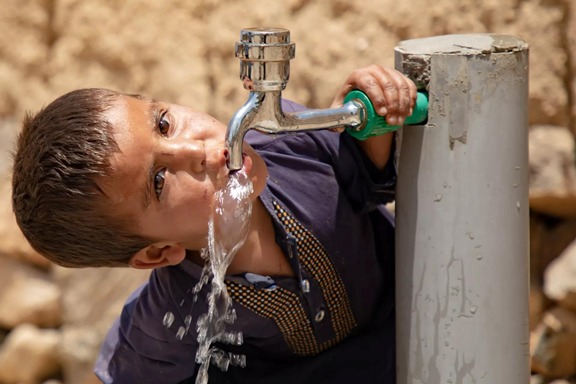
Gwadar, a city that stands as a symbol of development and economic promise, is unfortunately facing a severe crisis of clean drinking water. Despite being a focal point of national and international attention due to its strategic importance, the basic necessity of safe water remains a distant dream for many residents.

The people of Gwadar are forced to rely on water tankers and private suppliers, which are often expensive and unreliable. In many areas, the available water is contaminated and unfit for human consumption, posing serious health risks, especially to children and the elderly. Waterborne diseases are becoming increasingly common, highlighting the urgent need for intervention.

It is deeply concerning that while large-scale development projects are underway, the fundamental rights of local citizens are being overlooked. Access to clean drinking water is not a luxury; it is a basic human right that must be ensured for every individual.

The authorities must take immediate and effective measures to address this crisis. Investment in proper water supply infrastructure, desalination plants, and efficient distribution systems is crucial. Furthermore, strict monitoring should be implemented to ensure the quality of water being supplied to the public.

Gwadar’s true progress cannot be measured solely by infrastructure and investment but by the well-being of its people. Providing clean drinking water is essential for a healthy, prosperous, and sustainable future.

I hope the concerned authorities will take swift action to resolve this pressing issue.
Similar Posts

  • The Waste and Garbage Problem in Pakistan

    By Durhum I am writing this letter to draw your kind attention and that of the concerned authorities toward one of the most serious and ignored problems in our country today: the waste and garbage problem in Pakistan. We see garbage on the roads near our homes, schools, and other areas. This problem is getting worse day by day, especially in the big cities of Pakistan like Lahore, Islamabad, etc. When we go out, we see that the dustbins are full, and still no one comes to empty them. Plastic is flying in the air. Because of the garbage, the roads smell very bad and are dirty. If it rains, the drains get blocked because of the plastic. This is not just making the roads dirty; it is also affecting people and making them ill. In some areas, garbage trucks do not come regularly, and there is also a shortage of dustbins. People throw everything on the roads, such as food and plastic, and many people do not care that throwing waste makes our roads dirty. Throwing garbage causes numerous problems. Because of this waste, mosquitoes, rats, and other pests come out, spreading diseases like malaria and dengue. Children are mostly getting sick because of this garbage. Also, water is becoming polluted because garbage is thrown near rivers or seas, making the water dirty. This waste can also cause drains to become blocked. In Karachi, especially in Lyari, garbage is thrown everywhere, and the area is full of waste. This problem can be solved if there is regular garbage collection, more dustbins, and clean rivers and roads. The government cannot solve this problem alone; we must also avoid throwing plastic, paper, and other waste on the streets. Schools should teach students not to throw garbage on the roads. Many countries have solved this problem because citizens do not litter. In Dubai and Turkey, the roads are clean and look beautiful because they regularly sweep the roads and dispose of waste properly. Throwing garbage and waste is not a small problem; it is affecting our bodies, health, and environment. Ultimately, this problem can be solved if we change our habits. Pakistan will become like other beautiful countries if we all work together. If we keep ignoring it, our surroundings will become even dirtier. If a country has a clean environment, it means it has a clean nation. There is a saying that “Cleanliness is half of faith.” Islam also teaches us to keep our country, cities, and roads clean. There is another saying that “Small litter makes a big problem.” This means that waste and garbage may seem like a small issue, but they can affect a person’s entire life.

  • Death Certificate

    By Waseem Hasil Every family eventually faces the quiet, overwhelming pain of losing someone they love. In those raw moments of grief, the last thing anyone should have to worry about is whether they can afford the paperwork required to officially honor their loss and settle their loved one’s affairs. I am writing to you today not just as a citizen raising a policy issue, but as someone deeply concerned about how our current administrative system treats grieving families during their most vulnerable hours. While government policies often announce free registration, the human reality at the ground level tells a very different story. Citizens arriving at local union council offices or municipal counters are frequently met with unexpected charges, costly attestation fees, and confusing legal hurdles. For a family that has just lost its primary earner, coming up with extra money for delayed registration fines, stamp papers, or succession documentation is an agonizing extra weight to carry. It feels deeply unfair that obtaining a basic legal paper, something essential for pension claims and family inheritance, becomes a financial negotiation. Official procedures should reflect compassion and empathy, serving as a support system rather than an added obstacle. When we allow indirect fees and procedural delays to mount, we make an already heartbreaking situation needlessly harder for ordinary people who are simply trying to do what is right. I sincerely appeal to your office to step into the shoes of those waiting at municipal desks across the country. Please establish strict oversight to clear away hidden fees, simplify the paperwork, and ensure that every family, regardless of their financial status, can obtain a death certificate with dignity and ease.

  • Losing Hope After Being Rejected

     By Granaz Assa Every student dreams of getting an opportunity to show their talent and prove their abilities. Schools and educational institutions regularly organize speech, debate, and other competitions to encourage students to discover their potential and build their confidence. These events are meant to inspire students and help them grow. However, there is an issue that is rarely discussed: the disappointment and loss of hope that many students experience after being rejected without being given a fair chance. Many students spend days or even weeks preparing for these competitions. They write and revise their speeches, practice repeatedly, and overcome their fear of speaking in front of an audience. They invest their time, energy, and emotions because they believe that their hard work will be recognized. Unfortunately, some students are rejected within just a few moments, sometimes before they even get the opportunity to present their speech. Such rejection can be deeply discouraging. While rejection is a natural part of life and no one can succeed every time, every student deserves a fair opportunity to demonstrate their abilities. If a student’s speech is weak, if their confidence is low, or if they need to improve their presentation skills, they should be informed of their mistakes with kindness and honesty. Constructive feedback helps students understand where they need improvement and motivates them to work harder. A student who knows their weaknesses can overcome them and return stronger in the future. On the other hand, rejecting students without any explanation or guidance only leaves them confused, disappointed, and hopeless. Instead of learning from the experience, they may begin to doubt their abilities. Such experiences can have a lasting impact on a student’s confidence. Many talented students stop participating in competitions because they fear facing rejection again. They begin to believe that their efforts have no value and that their voices do not matter. As a result, they lose the confidence to express themselves and miss opportunities to develop important communication and leadership skills. Educational institutions should remember that competitions are not only about selecting winners. They are also about encouraging learning, building confidence, recognizing potential, and helping every student grow, regardless of the final result. I have personally experienced this feeling. After being rejected without a chance to present my speech, I felt extremely hopeless and disappointed. I questioned whether all my hard work had been meaningless. However, I later realized that every student deserves encouragement, even if they are not selected. A few words of guidance and constructive feedback can restore confidence and inspire students to keep trying. By giving every participant a fair chance and treating them with respect, educational institutions can help students remain hopeful, determined, and ready to achieve greater success in the future.

  • The Addiction of Social Media

    By Saba Bakhtiyar I am writing this letter to share important information with you that today is the age of technology. Mobile phones and the internet have made our lives easier. But one big drawback of this technology is social media addiction. Facebook, WhatsApp, Instagram, TikTok, and YouTube have connected people together, and many people have become addicted to them. What is social media addiction? When someone spends too much time on social media and feels restless without it, that is called social media addiction. In this condition, people think that if they do not check their phones, they will be left behind by the world. People also use social media to overcome their loneliness. However, many people are unaware that this habit can turn out to be dangerous for them. It can affect mental health, cause depression, lead to a lack of sleep, create distance in families and relationships, and reduce students’ attention towards education, which is another big problem. Social media is a tool. If we use it wisely, it helps us. If we misuse it, it harms us. Seeing perfect lives online makes people feel insecure about their own lives, and it has also increased online harassment and hate comments. Moreover, notifications and reels distract people from their work and studies. They are so busy on social media that they are not interested in their personal work. Due to social media, it is affecting people a lot. People share too much personal information, which can be misused. As well as this, many people are addicted to checking their phones every few minutes. The most dangerous thing is that nowadays small children are using mobile phones, and it is affecting them a lot. Their eyes are affected due to excessive phone use. Children can also easily access inappropriate content online, and they spend less time playing outdoor games. Parents should set screen time limits for their children and give them outdoor games and books instead of mobile phones. A mobile phone is a tool, not a toy for small children. Parents must guide them. People should also stay away from their mobile phones as much as possible. It is a very huge problem for people. They should use mobile phones, but within limits. Set a daily time limit for social media use, and follow pages that teach you, not just entertain you. Do not use your mobile phone all the time because it is very harmful.

  • Mental Health Matters

    By Asma Qayyum Mental health is an essential part of a person’s overall well-being. It influences how we think, feel, make decisions, cope with stress, and interact with others. Despite its importance, many people still hesitate to discuss mental health because of fear, stigma, shame, or misunderstanding. Breaking this silence is the first step toward creating a society where everyone feels safe and encouraged to seek help. According to the World Health Organization (WHO), approximately 1 in every 8 people worldwide lives with a mental health condition. The WHO also reported that around 1.1 billion people were living with a mental disorder in 2021. Furthermore, depression affected approximately 280 million people globally in 2019, including 23 million children and adolescents. These figures highlight that mental health challenges are widespread and can affect anyone, regardless of age, gender, or social background. Among the most common mental health conditions are anxiety and depression, which affect hundreds of millions of people around the world. Several factors contribute to poor mental health, including academic pressure, financial difficulties, family conflicts, traumatic experiences, loneliness, bullying, and excessive use of social media. Young people are particularly vulnerable because they often experience significant emotional, academic, and social pressures during their formative years. Poor mental health can have serious consequences for both individuals and society. It may reduce concentration, lower academic and workplace performance, damage relationships, and increase the risk of physical health problems. If left untreated, mental health conditions can significantly reduce a person’s quality of life and overall well-being. The encouraging news is that most mental health conditions can be effectively treated and managed with timely support. Seeking help from mental health professionals, talking to trusted family members or friends, exercising regularly, getting enough sleep, eating a balanced diet, and practicing healthy stress-management techniques can greatly improve mental well-being. Schools, colleges, workplaces, and communities also play a vital role by promoting awareness, reducing stigma, and encouraging open conversations about mental health. In conclusion, mental health deserves the same attention and care as physical health. By encouraging open discussions, supporting those who are struggling, and increasing public awareness, we can break the silence surrounding mental health. Together, we can build a more compassionate, understanding, and healthier society where no one feels alone in facing mental health challenges.

  • Preserving Balochi Traditions

    By Aamina Asghar The Baloch are an ancient people with a rich culture that is distinct from many other cultures around the world. Whether it is their weddings or their way of life, everything about their culture is unique. Most particularly, Balochi weddings have their own beautiful traditions but many modern trends influenced by social media and other cultures are gradually replacing them. It is good to enjoy modern trends, but we should not forget our own traditions that identifies us in the world. The below I mention some of the keen factors affecting the culture: Our Culture Is Our Identity Baloch wedding traditions have been passed down by our ancestors. They tell the story of who we are and remind us of our rich cultural heritage. Culture is what identify us from any part of the world and make us look different from the native of that particular area. Traditional Balochi Dress Balochi brides and grooms wear beautiful traditional dresses with fine embroidery done by Baloch women’s hand. They are hand-made cloths. Nowadays, many people prefer modern designer clothes instead of traditional Balochi attire. The trend has been influenced from social media and is adopted by the living persons in their daily life. Wedding Customs Many families now arrange Mehndi ceremonies, Dholki events, dance performances, bridal shows, and other celebrations that were not traditionally part of Baloch weddings. As a result, our original customs are becoming less common. As a result, few young people know the traditional practices of Balochi Culture. Decoration Traditional Baloch weddings had simple decorations that focused on family, culture, and tradition. Today, expensive stage decorations, flower walls, and modern themes are becoming very popular, making the marriage more expensive. Upon seeing such things, everyone around the society expects such marriages to take place in future, badly affecting the poor people who cannot afford them and thus ends up insulting them in others’ eyes. Social Media Influence Many people copy what they see on social media without thinking about their own culture. It is good to know about other’s culture, but killing your own culture for others is never beneficial for the generation to come. Our culture should be preserved. Music and Celebration Traditional Balochi music and cultural celebrations should be encouraged because they keep our heritage alive. Sadly, very few people are well aware of Balochi singers. We respect other singers when it comes to our own Balochi singers who are preserving the language are never valued or recognized by majority of us. Thus, modern trends are not bad, but we should not allow them to replace our beautiful traditions. Baloch wedding traditions are an important part of our culture. Our dresses, music, customs, and celebrations reflect our identity, and we should respect and preserve them. This will help future generations understand the value of Balochi culture. Let us take pride in being Baloch, promote our traditions and show the world the beauty of our culture.

Leave a Reply

Your email address will not be published. Required fields are marked *