| |

US expands import blacklist over Chinese forced la…

The United States has banned imports from 43 additional Chinese companies over alleged human rights abuses and forced labour involving Uyghurs and other minority groups in the Xinjiang region.

The decision marks the largest single expansion of the Uyghur Forced Labor Prevention Act Entity List since its enactment in December 2021, bringing the total number of restricted entities from 144 to 187.

Newly blacklisted firms span electronics, lithium, metals, pharmaceuticals, and food sectors, including major capacitor manufacturer Hunan Aihua Group and exporter Chacha Food Co, which US officials accuse of sourcing materials or recruiting personnel through state-backed forced labour programmes.

While US Customs and Border Protection has intercepted more than 24,300 shipments valued at nearly $1 billion under the law, the Chinese embassy in Washington has rejected the allegations, maintaining that workers of all ethnic groups in Xinjiang freely choose their employment and receive equal remuneration.

Similar Posts

  • | |

    Trump halts Iran strike, pushes for deal

    US President Donald Trump has announced that he is postponing plans for a new military strike against Iran, saying he is giving diplomacy another opportunity to resolve tensions over Tehran’s nuclear programme and restore navigation through the Strait of Hormuz. In a statement posted on his social media platform, Trump said Iran, along with other countries in the Middle East, had requested additional time to finalize an agreement aimed at reopening the strategic waterway and addressing international concerns over Iran’s nuclear activities. Trump said he had agreed to suspend military action for the time being, provided that negotiations lead to a rapid and meaningful agreement. He added that the decision was made in the interest of regional stability, global security and the future prosperity of Iran. He also claimed that Israel supports the diplomatic approach, although Israeli officials had not publicly commented on the statement. Despite the temporary pause, tensions remain high across the region. Iranian officials warned that any military action by the United States or its allies would trigger an immediate and decisive response. Tehran maintained that it would defend its sovereignty against any form of aggression. Iranian Foreign Minister Abbas Araqchi held separate telephone conversations with senior officials from Pakistan, Türkiye and Saudi Arabia to discuss the rapidly evolving regional situation. During the talks, he warned that any attack on Iran would have serious consequences for regional peace and stability. Araqchi also stressed that Iran would respond proportionately if the United States, Israel or any regional country participated in military action against Iranian territory. The discussions focused on preventing further escalation and encouraging diplomatic efforts to avoid a wider conflict. Meanwhile, Saudi Crown Prince Mohammed bin Salman also held talks with President Trump to seek clarification on Washington’s plans regarding Iran. Although officials confirmed that the conversation took place, no further details were released. Iranian media affiliated with the country’s security establishment warned that attacks on Iran’s energy infrastructure could result in retaliatory strikes against oil and gas facilities across the Gulf region. The warning has heightened concerns among energy producers and international markets. President Trump acknowledged that negotiations remain difficult and admitted that his confidence in reaching an agreement has weakened. However, he said his administration continues to pursue diplomatic engagement before considering further military action. Senior US officials remain involved in efforts to secure a negotiated settlement. The conflict has already had a significant impact on global energy markets. Fighting between US, Israeli and Iranian forces has disrupted regional stability and increased uncertainty over international oil supplies. The Strait of Hormuz remains one of the world’s most important shipping routes for crude oil exports. Continued security threats have reduced commercial shipping through the passage, raising concerns over global energy supplies and increasing pressure on oil prices. Analysts say prolonged instability in the Gulf could further affect international markets if diplomatic efforts fail. Rising oil prices have already placed additional economic pressure on many countries dependent on imported energy. Regional security concerns have also expanded beyond the Strait of Hormuz. Maritime authorities reported separate incidents involving commercial vessels near Oman, including damage to a tanker after it was struck by an unidentified projectile. Another vessel reported a nearby explosion but escaped without damage.

  • |

    Pakistan’s trade deficit surges 25% to nearly $4 billion in July 

    ISLAMABAD: Pakistan’s trade deficit expanded sharply during the first month of the new fiscal year, reaching nearly $4 billion in July, as a strong rise in imports continued to outpace export growth, highlighting persistent weaknesses in the country’s external sector despite a series of incentives announced for exporters. According to the latest figures released by the Pakistan Bureau of Statistics (PBS), the country’s trade deficit widened to $3.95 billion in July 2026, compared to $3.16 billion recorded during the same month last year. The deficit increased by approximately $794 million, representing an annual rise of 25.2%. The widening gap was primarily driven by a substantial increase in imports, which climbed to $6.9 billion from $5.8 billion in July 2025. This reflects an increase of more than $1 billion, or 18% year-on-year, indicating stronger demand for imported goods and raw materials. Exports Show Growth but Remain Below Key Milestone While Pakistan’s exports registered positive growth, they once again failed to cross the important $3 billion monthly mark. Exports reached $2.94 billion, falling short of the milestone by around $61 million. On an annual basis, exports increased by 9.5%, adding nearly $256 million compared to July last year. Although the improvement reflects steady recovery in overseas shipments, analysts believe the pace remains insufficient to counter the rapid expansion in imports. Exports had crossed the $3 billion threshold in January 2026, touching approximately $3.05 billion, but the country has been unable to maintain that level in the months that followed. Tariff Reforms Under Scrutiny The latest trade figures have renewed debate over Pakistan’s tariff liberalisation policy, introduced under broader economic reforms supported by international financial institutions, including the World Bank and the International Monetary Fund (IMF). The government has gradually lowered tariff barriers to increase competition and integrate Pakistan more closely into global markets. However, economists argue that the economy was opened before domestic industries were provided with sufficient support to compete effectively. Business leaders have repeatedly pointed out that exporters continue to face high energy prices, elevated financing costs, tax-related uncertainties and exchange rate volatility, all of which reduce their competitiveness in international markets. Earlier projections by the World Bank had suggested that tariff reforms would increase exports by 14% while limiting import growth to around 7%. However, the latest figures suggest imports have grown much faster than anticipated, while export gains have remained comparatively modest. Government Rolls Out Fresh Export Incentives To strengthen export performance, the federal government has announced a series of financial support measures during the current fiscal year. In the federal budget, Prime Minister Shehbaz Sharif reduced the minimum and advance tax on exporters to 1.25% and abolished the 10% super tax on export earnings in an effort to improve liquidity and encourage investment in export-oriented industries. More recently, the government approved a Rs98 billion export support package aimed at improving competitiveness and increasing foreign exchange earnings. Under the revised Export Finance Scheme (E-EFS), exporters will be able to obtain six-month working capital loans at an interest rate of 8.5%, with the government absorbing 5 percentage points of the financing cost. The subsidy for this component alone is estimated at Rs58 billion during the current fiscal year. ECC Approves New Financing Facilities The Economic Coordination Committee (ECC) has also expanded access to concessional financing by increasing the ceiling of the existing short-term financing portfolio from Rs1 trillion to Rs1.5 trillion. In addition, the committee approved the launch of a new Long-Term Growth Financing Facility, allowing exporters to access loans at an interest rate of 2% for the first two years, followed by a fixed 5% rate for the subsequent eight years. The government has also introduced a performance-based rebate scheme, effective from July 1, 2026, with an estimated annual allocation of Rs15 billion. Under the programme, exporters recording annual export growth of up to 10% over the previous year will receive a rebate equal to 1% of the incremental export value, while exporters achieving growth exceeding 10% will qualify for a 2% rebate on additional exports. Long-Term Challenges Persist Despite successive incentive packages introduced over several decades, Pakistan continues to struggle with achieving sustained export-led growth. Industry observers note that no single Pakistani exporter has generated $1 billion in annual export earnings, underscoring the structural challenges facing the country’s export sector. These challenges include limited product diversification, low industrial productivity, rising production costs, inconsistent policy implementation and insufficient value addition. Monthly Performance Offers Some Relief On a month-on-month basis, the trade data presented a more encouraging picture. Exports increased by 31% in July compared to June, rising by approximately $697 million, while imports remained largely unchanged at around $6.9 billion. As a result, the monthly trade deficit narrowed by nearly 15%, or around $709 million, compared with the previous month.

  • | |

    Justin Baldoni’s company ordered to pay New York…

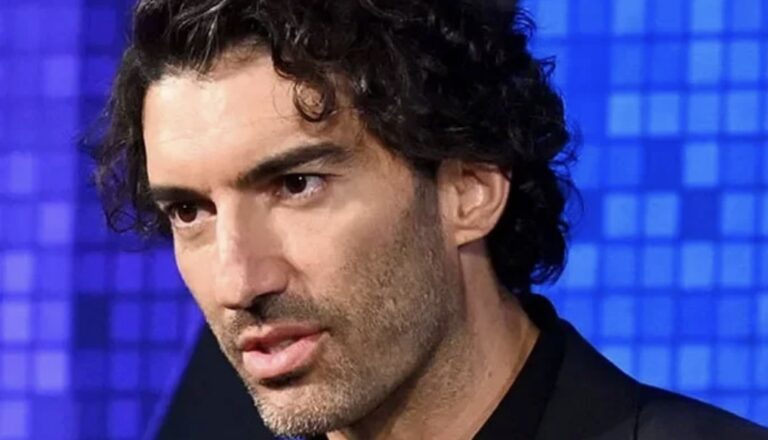
    Justin Baldoni’s production company, Wayfarer Studios, has suffered another legal setback after a New York court ordered it to pay more than $171,000 in legal fees to The New York Times. The ruling comes after the studio’s defamation lawsuit against the newspaper was dismissed, marking the latest chapter in the long-running legal battle connected to the It Ends With Us controversy.  According to court documents, Justice Gerald Lebovits ordered Wayfarer Studios to pay $171,616.20 to cover a large portion of the newspaper’s attorney fees. The award stems from New York’s anti-SLAPP law, which is designed to protect journalists and media organizations from lawsuits that attempt to silence reporting on matters of public interest.  The dispute began after The New York Times published a December 2024 investigative report examining allegations made by actress Blake Lively regarding the production of It Ends With Us. The article detailed claims of sexual harassment and workplace retaliation and included allegations that a public relations campaign had been used to damage Lively’s reputation after she raised concerns.  In response, Wayfarer Studios filed a $250 million defamation lawsuit against the newspaper, arguing that the report relied on misleading information and unfairly portrayed Baldoni and the company. However, the case was dismissed in 2025 after a judge concluded that The New York Times had acted within the protections afforded to journalists reporting on issues of public concern. The court also found that Wayfarer had failed to provide sufficient evidence to support its defamation claims.  After winning the case, The New York Times sought reimbursement for the legal costs it incurred while defending itself. Although the newspaper initially requested more than $181,000 in attorney fees, the judge approved a slightly lower amount of $171,616.20. The court also rejected Wayfarer Studios’ request to delay the payment while pursuing an appeal, noting that a previous settlement had effectively waived that option.  The latest ruling adds to a difficult period for Baldoni and his production company, which have been involved in several high-profile legal disputes connected to It Ends With Us. While many of those matters have now been resolved or settled, the financial consequences continue to unfold.  Neither Justin Baldoni nor Wayfarer Studios had publicly commented on the latest order at the time of publication. Meanwhile, The New York Times welcomed the outcome, maintaining that its reporting was accurate, responsibly sourced and protected under the law. 

  • | |

    Two officials martyred in Kohat terror attack

    Two government officials were martyred and another was seriously injured after terrorists attacked a government vehicle at a joint security check post near the Kohat Toll Plaza on the Indus Highway late Thursday night, officials said. According to police, unidentified armed men opened fire on a customs enforcement vehicle that was carrying out routine anti-smuggling duties at the joint check post. The intense firing caused the vehicle to catch fire, resulting in heavy damage. The officials martyred in the attack were identified as Assistant Sub-Inspector (ASI) Sajjad-ul-Islam of the Kohat Excise Office and Customs Enforcement Constable Jawad Ahmed of the Peshawar Collectorate. Both officers lost their lives while performing their official duties. Another Customs official, Basirullah, suffered serious injuries during the attack. Rescue teams reached the scene shortly after receiving an emergency call, provided first aid and shifted the injured official to the District Headquarters Hospital in Kohat for further treatment. Rescue personnel also recovered the body of the customs constable from the burnt government vehicle, while firefighters extinguished the blaze to prevent it from spreading further. Soon after the incident, police and security forces cordoned off the area and launched a search operation to trace the attackers. Authorities have started an investigation to determine how the attack was carried out and identify those responsible. Officials said the attack created panic in the area, prompting additional security measures along the highway and surrounding locations. Funeral prayers for ASI Sajjad-ul-Islam were offered near his residence in Kohat. Senior officials from the Excise Department, law enforcement agencies and other government institutions attended the funeral and paid tribute to his services. The Excise Department described him as a dedicated and professional officer who served the department with commitment and courage. Officials expressed solidarity with his family and prayed for the elevation of his rank. Funeral prayers for Customs Constable Jawad Ahmed were also offered at the Custom House in Peshawar. Customs officials, colleagues and family members attended the funeral to pay their final respects. The Customs Department expressed deep sorrow over the loss of its officer, stating that he embraced martyrdom while carrying out his national duty. The department honoured his sacrifice and extended condolences to his family. Prime Minister Shehbaz Sharif strongly condemned the terrorist attack and expressed deep grief over the martyrdom of the two officials. He offered condolences to their families, prayed for the speedy recovery of the injured officer and directed the relevant authorities to arrest those behind the attack. The prime minister reaffirmed the government’s commitment to eliminating terrorism, saying operations against militant groups would continue until peace and stability are fully restored across the country.

  • |

    Harry sees Invictus Games as chance to reconnect with King Charles

    Prince Harry reportedly views next year’s Invictus Games in Birmingham as a genuine opportunity to repair his strained relationship with King Charles. The event is said to hold deep personal significance for him. According to RadarOnline, organisers of the Invictus Games are planning to invite the monarch to attend next year’s edition. Insiders claim the Duke of Sussex sees the homecoming event as a meaningful chance to grow closer to his father. A source told the outlet that Harry views the Birmingham Games as one of the most significant moments he’s experienced in years. According to the insider, bringing Invictus back to Britain carries deep personal weight for him. The source explained that Harry is determined to make the event a landmark occasion, one that celebrates both the organisation’s achievements and the servicemen and women it was created to support. That ambition, they said, remains central to his motivation. Beyond the event itself, insiders suggest there’s an added layer of significance given where things currently stand between Harry and his father. According to the source, Harry believes Invictus offers a rare setting where Charles could attend without the visit becoming solely about their relationship. The insider explained that the competitors would remain the true focus of the occasion throughout. At the same time, father and son could appear together in support of a cause they both understand and care about. That dynamic, sources suggest, could offer a low-pressure opportunity for the two to reconnect. Rather than a formal reconciliation attempt, the setting would allow any interaction between them to unfold naturally within a broader, shared purpose. For Harry, insiders say, the Games represent more than just an athletic event. They are being viewed as a potential turning point in a relationship that has remained visibly strained in recent years. Whether King Charles ultimately accepts the invitation remains to be seen. If he does, though, the Birmingham Games could become one of the more closely watched royal moments of the coming year.

  • Ministry moves to resolve Israeli-zoo owner dispute on Koh Samui

    KOH SAMUI, Thailand – The Interior Ministry has pledged to intervene and bring an end to the escalating dispute between the owner of an exotic animal zoo on Koh Samui and an Israeli family who were refused entry, with Deputy Interior Minister Polapee Suwunchwee stating on Sunday that administrative action would be taken to resolve […]

Leave a Reply

Your email address will not be published. Required fields are marked *