ajk elections two
| |

AJK elections, two polling stations set up in Mult…

MULTAN: Preparations are in full swing in Multan for the second phase of the Azad Jammu and Kashmir (AJK) elections, with authorities establishing two polling stations to facilitate voters registered in the constituency.

According to election officials, the polling stations have been set up for LA-42 Valley-III, where a total of 966 registered voters are expected to cast their ballots. Polling for the second phase of the AJK elections is scheduled to take place on August 2.

Police said comprehensive security arrangements have been finalised to ensure a peaceful voting process. A total of 295 police personnel have been deployed at the two polling stations to maintain law and order and provide security for voters, polling staff and election materials.

Election authorities said all necessary arrangements are being completed ahead of polling day. Officials confirmed that ballot papers, ballot boxes and other election materials will be delivered to the polling stations before voting begins.

The contest in the constituency is expected to be closely watched, with four candidates in the race. The main competition is anticipated between Pakistan Muslim League-Nawaz (PML-N) candidate Syed Wajid Ali and Pakistan Peoples Party (PPP) candidate Asim Sharif Butt.

The second phase of the AJK elections will cover three districts of Muzaffarabad Division as well as 12 refugee seats, making it a key stage in the electoral process.

Authorities have urged voters to cooperate with security personnel and follow election rules to ensure a smooth and transparent polling process. Officials expressed confidence that the arrangements in Multan will enable eligible voters to exercise their democratic right in a safe and orderly environment.

Similar Posts

  • | |

    Court issues arrest warrants for KP CM

    An Islamabad court has issued non-bailable arrest warrants for Khyber Pakhtunkhwa Chief Minister Sohail Afridi after he repeatedly failed to appear in a case related to alleged misleading statements and defamatory remarks against state institutions. The court observed that the chief minister neither appeared personally nor sent legal counsel despite being summoned on multiple occasions. After noting his continued absence, the judge ordered law enforcement authorities to ensure his appearance at the next hearing. The court also warned that if Afridi fails to appear again on the next hearing, scheduled for September 3, legal proceedings could be initiated to declare him a proclaimed offender under the relevant provisions of law. The case was registered by the National Cyber Crime Investigation Agency (NCCIA) under the Prevention of Electronic Crimes Act (PECA). Investigators allege that the chief minister used electronic media to make misleading statements and defamatory remarks targeting state institutions. In another significant legal development, former senator and senior Pakistan Tehreek-e-Insaf (PTI) leader Ejaz Ahmed Chaudhry has approached the Supreme Court after the Lahore High Court refused to suspend the sentence handed down to him by an anti-terrorism court. Chaudhry is currently serving his sentence at Lahore’s Kot Lakhpat Jail. He was convicted over his alleged involvement in meetings held before the violent incidents that followed the events of May 9, 2023. In his petition, Chaudhry argued that the conviction was based on weak and disputed evidence. He maintained that he was not originally nominated in the FIR and that his name was added later through supplementary statements. The petition also stated that no weapons, electronic devices, or other incriminating evidence were recovered from him. The petition further argued that police witnesses failed to present independent evidence linking him to the alleged conspiracy. It asked the Supreme Court to suspend his sentence and grant him bail until his appeal is decided. Meanwhile, Aleema Khan, sister of PTI founder Imran Khan, alleged that her brother was being denied his basic rights in prison. Speaking to journalists outside Adiala Jail, she claimed he was facing mistreatment and said public support would be crucial for securing his release. Aleema said supporters from across the country were expected to participate in the PTI’s planned protest movement. She added that she was not concerned about possible legal action against herself and would continue campaigning for her brother’s release. Another sister of the former prime minister, Noreen Niazi, also criticised the judicial system and expressed hope that Imran Khan would soon be released.

  • | |

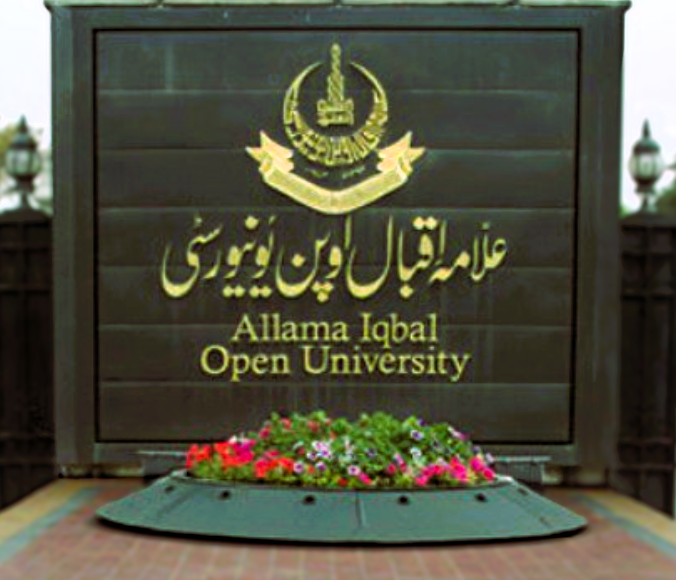
    AIOU recruitment process declared non transparent …

    Islamabad: A controversy has emerged over the recruitment process of Allama Iqbal Open University (AIOU) after the Wafaqi Mohtasib declared that the selection process for senior academic positions lacked transparency and directed the university to cancel appointments and repeat the process. The decision came after a complaint filed by a female complainant, who challenged her exclusion from the shortlist for Professor and Associate Professor positions despite claiming she met the required eligibility criteria. The Wafaqi Mohtasib, after reviewing documents and hearing both sides, concluded that maladministration was established and stated that serious questions were raised about the transparency of the selection process. The Ombudsman referred the matter to the Vice Chancellor of AIOU with directions to cancel the appointments and conduct the recruitment process again according to proper procedures. The controversy relates to faculty recruitment advertisements issued by AIOU for Professor and Associate Professor positions. According to the findings, AIOU advertised several academic positions on 15 September 2024, and received a large number of applications. Officials informed that 388 applications were received for 25 advertised Professor and Associate Professor positions. The university introduced an Internal Assessment Framework to shortlist candidates before sending applications for further evaluation. According to AIOU, the decision was taken because evaluating hundreds of academic files through experts would create major financial and administrative difficulties. Officials estimated that external evaluation of dossiers could cost around Rs26 million. Under the new system, eligible candidates were assessed through multiple stages including vision statement, leadership assessment, psychological assessment, teaching demonstration and screening interview. The assessment was conducted out of 50 marks, and 24 candidates were recommended for further selection stages. However, the female complainant was not recommended for any position. The female complainant challenged the process, arguing that the university changed recruitment procedures after the hiring process had already started. She claimed that according to the original recruitment rules, eligible candidates were required to appear before the Selection Board and that the introduction of an Internal Assessment as an elimination stage had no legal basis. She also argued that she was not properly informed about all stages of the assessment process. The complainant stated that she was informed about teaching demonstration and leadership assessment but was not informed about psychological assessment and screening interview. The complaint also raised concerns over fair hearing rights, claiming that she was excluded from the final process without written reasons or an opportunity to explain her position. Another serious issue raised was the timing of the Selection Board meeting. The complainant claimed that the Selection Board meeting took place on 10 April 2026, a public holiday, and that the approval process and appointment letters were completed unusually quickly on the same day. She questioned whether the process was properly transparent. She argued that recruitment rules and selection criteria should not be changed after the recruitment process has started. The Ombudsman examined the matter and found that the selection process did not appear transparent. The findings stated that several questions raised by the complainant required attention and that the recruitment process showed signs of maladministration. AIOU officials had defended the process, saying the Internal Assessment Framework was approved by the university’s Executive Council and applied to the advertised positions. They said the system was designed to identify the most competitive candidates while reducing time and financial burden. The case now requires AIOU to report compliance with the Ombudsman’s decision within the given period. The controversy has raised broader questions about transparency, fairness and recruitment procedures in public sector universities, where senior academic appointments directly affect the quality of education.

  • Thailand to Lift Afternoon Alcohol Sales Ban Ahead of New Year, Minister Confirms

    BANGKOK – Deputy Prime Minister Sophon Zarum announced on Tuesday that the long-standing ban on alcohol sales between 2 p.m. and 5 p.m. will be officially lifted in time for the New Year celebrations. The move follows the conclusion of a 15-day public hearing process, allowing the new regulation to be enacted ahead of the […]

  • NADRA launches special registration facility for minorities

    The National Database and Registration Authority (NADRA) has introduced a special facility for members of minority communities. As part of activities marking National Minorities Day, NADRA has launched a special registration campaign from August 10 to 13. Under the campaign, special teams accompanied by mobile registration vans are visiting areas with large minority populations and providing citizens with identity-related services close to their homes. NADRA has urged members of minority communities to take advantage of the services being provided by these teams in their respective areas and ensure that they have valid legal identification. The mobile registration vans are also equipped with iris-scanning facilities. NADRA has strongly appealed to all citizens to make full use of this facility and get their iris scans completed without paying any additional fee.

  • Pakistan Tourism faces tough questions as Senate reviews PTDC’s future

    Islamabad: The Pakistan Tourism Development Corporation (PTDC) came under scrutiny as the Senate Standing Committee on Inter Provincial Coordination raised concerns over its performance, financial situation and the condition of tourism facilities across the country. The Committee questioned the current position of PTDC while reviewing tourism related matters during a meeting held at Parliament House under the chairmanship of Senator Dilawar Khan. Members stressed the need for better management of tourism facilities and demanded a clearer picture of the condition of government owned tourism properties. The meeting focused on development projects and public issues in Chitral, including tourism, roads, electricity, telecommunications and transportation matters. Senator Dilawar Khan chaired the meeting, which was attended by Senator Aimal Wali Khan, Senator Syed Kazim Ali Shah, Senator Zamir Hussain Ghumro, Senator Mohammad Abdul Qadir, Senator Naseema Ehsan, Senator Saifullah Abro and senior officials from relevant departments. During discussions, the Committee reviewed PTDC’s performance and financial situation and examined the condition of tourism facilities and government buildings in Chitral. Members expressed concern over the condition of public properties linked with tourism and requested a detailed report regarding damaged government buildings. The Committee directed the concerned authorities to provide complete information about the damaged properties so that their condition, maintenance requirements and future use could be properly reviewed. Senators emphasized that tourism has significant potential for economic growth, especially in areas like Chitral where natural beauty attracts visitors from across Pakistan and abroad. However, they stressed that proper facilities, better management and timely development work are necessary to increase tourism opportunities. The Committee also reviewed other development challenges affecting Chitral. Officials from the National Highway Authority briefed members about progress on the Lowari Tunnel and nearby road projects. The Committee expressed concern over delays, funding issues and safety arrangements, directing that these important projects should be completed within the required timeframe. NHA officials assured the Committee that details regarding Korean financial assistance for related projects would be presented in the next meeting. The Committee also discussed delays in the feasibility study for the Chakdara Road project and called for early action to improve road safety and reduce future costs. Apart from tourism and roads, the Committee reviewed electricity and telecommunications issues in Chitral. Officials provided updates on the fibre optic project, electricity supply and load shedding problems. The Committee decided to invite officials from the Power Division and Pakistan Telecommunication Authority in the next meeting to discuss solutions for uninterrupted mobile services. The Committee also discussed transportation issues related to wheat supply between Punjab and Khyber Pakhtunkhwa. Members stressed that unnecessary barriers to inter provincial trade should be avoided. The Rawalpindi District Police Officer informed the Committee that police action is only taken against vehicles violating legal requirements. However, the Committee sought records of complaints related to check posts and directed that action should be taken against any officials found involved in corruption. Officials from the Punjab Food Department informed the Committee that there was no ban on the transportation of wheat from Punjab, while the Khyber Pakhtunkhwa Food Department explained the province’s wheat requirements and supply situation. Chairman Senator Dilawar Khan directed all relevant departments to submit progress reports on previous committee decisions before the next meeting. He reaffirmed that public projects must be completed on time with transparency, proper coordination and improved services for citizens.

  • | |

    79th Independence Day ignites nationwide patriotic…

    Independence Day celebrations were held across Punjab and Khyber-Pakhtunkhwa on Thursday, with political leaders, judges and government officials highlighting national unity, development, democracy and the sacrifices made for Pakistan. Punjab Chief Minister Maryam Nawaz Sharif, in her Independence Day message, said the occasion was a day for the younger generation to renew its commitment to the country’s future. She said she wanted to see young people equipped with books, pens and laptops, stressing that genuine development would only be achieved when no section of society was left behind. Lahore High Court Chief Justice Justice Aalia Neelum, addressing a flag-hoisting ceremony, said love for the homeland was part of faith. She said every citizen had a responsibility to work tirelessly for the country’s progress and added that the Punjab judiciary was striving to ensure the effective delivery of justice. Independence Day celebrations were also held at King Edward Medical University in Lahore. Punjab Health Minister Khawaja Salman Rafique attended the ceremony as chief guest, cut the Independence Day cake and led prayers for the country’s security and prosperity. He said every citizen must play a role in Pakistan’s development. A flag-hoisting ceremony was also organised at the Sports Board Punjab. The secretary sports, director general sports and other officials and employees attended the event. The national flag was hoisted and participants observed a minute of silence in memory of the martyrs who sacrificed their lives for Pakistan. Jamiat Ulema-e-Islam-Fazl chief Maulana Fazlur Rehman said Independence Day should also serve as an opportunity to reflect on the objectives and sacrifices behind the creation of Pakistan. He said the country was established in 1947 on the principles of unity, discipline and firm faith, but 79 years later the nation had still not fully achieved national cohesion. Fazlur Rehman called for overcoming regional, linguistic and group-based divisions and urged people to move forward as one Pakistani nation. He said the objectives of Pakistan’s creation included an Islamic system, a prosperous economy and stable democracy. Jamaat-e-Islami Pakistan chief Hafiz Naeemur Rehman said Pakistan was created on the basis of the Two-Nation Theory but the country had yet to fully realise the objectives for which it was established. He criticised successive governments for making people’s lives difficult and said the implementation of the Quran and Sunnah was essential to achieving Pakistan’s true destination. In Khyber-Pakhtunkhwa, Governor Faisal Karim Kundi hoisted the national flag at Governor House. Iran’s Consul General Ali Banafsheh Khah also attended the ceremony. Prayers were offered for Pakistan’s development, prosperity and stability, while Kundi and the Iranian consul general jointly cut the cake marking the country’s 79th Independence Day. K-P Adviser on Finance Muzammil Aslam said the province had witnessed significant improvements and called for greater efforts to strengthen the region. He said the provincial government had faced serious financial difficulties when it took office but the situation had subsequently improved. Aslam said officials should set clear targets for what they wanted to achieve before the next Independence Day. He also stressed the need for collective efforts to eliminate terrorism from the province. K-P Chief Secretary Shahab Ali Shah said the objectives behind the creation of Pakistan would be fulfilled. He said the people would not hesitate to make sacrifices for the country and would continue working towards its progress and stability. Federal Minister for IT Shaza Fatima Khawaja also congratulated the nation on Independence Day. She paid tribute to the martyrs who sacrificed their lives defending the country and described the armed forces as guarantors of peace and development. She said Pakistan’s growing international standing reflected the efforts of its political and military leadership. According to her, Pakistan is increasingly recognised globally for its commitment to peace, development, defence and its vision of a digital future.

Leave a Reply

Your email address will not be published. Required fields are marked *