brad pitt responds
| |

Brad Pitt responds as children continue dropping ‘Pitt’ surname

Hollywood star Brad Pitt has spoken publicly for the first time about several of his children choosing to remove “Pitt” from their surnames, saying he understands their decision as the family continues to deal with the fallout of his long-running split from ex-wife Angelina Jolie. His remarks came after weeks of renewed attention surrounding the legal name changes of several of the couple’s children.
The issue resurfaced after Vivienne Jolie-Pitt, 18, filed a petition in Los Angeles County Superior Court to legally change her name to Vivienne Marcheline Jolie, citing “personal” reasons. She joins siblings Shiloh, Zahara and Maddox, who have either legally dropped or publicly stopped using the Pitt surname in recent years.
According to reports, Pitt addressed the matter during a recent press interaction, acknowledging his children’s choice and expressing support despite the emotional toll it has taken on him.
“I understand,” Pitt said when asked about the surname changes. He added, “And if they don’t want it, neither do I.”
The Oscar-winning actor continued, “I want them to know that I stand with them as they bravely turn the page on the hell I put them through.” The remarks marked the first time Pitt has publicly commented on the issue since multiple children moved to distance themselves from his surname.
Sources present at the event said the actor appeared emotional while discussing the situation. Pitt reportedly admitted it was painful to realise that some of his children no longer wished to be associated with his name.
Reflecting on their decision, he said, “So when they decide that being associated with me is just an unacceptable way to live the rest of their lives.”
Despite his disappointment, Pitt stressed that he respected their choice. “That’s what being a dad’s all about,” he said, adding that he offered his “100%” support to Shiloh, Zahara, Maddox and Vivienne as they move forward with their decisions.
Pitt and Jolie finalised their divorce in December 2024, ending years of legal proceedings that began after Jolie filed for divorce in 2016. Since then, reports have consistently described a strained relationship between Pitt and several of the couple’s six children. The family rift has often been linked to an alleged altercation aboard a private plane in 2016, after which Jolie initiated divorce proceedings.
While the actor had largely remained silent on the matter, reports suggested he had intentionally kept his distance from the public discussion to avoid escalating tensions within the family.
On the same day his comments emerged, Pitt was photographed spending time with his girlfriend, Ines de Ramon, in Carmel Highlands, California. The couple, who have reportedly been together since November 2022, appeared relaxed during the outing despite continued public interest in Pitt’s relationship with his children.
The surname changes continue to attract widespread attention, reflecting the ongoing estrangement within one of Hollywood’s most closely watched families. Pitt’s latest remarks suggest he is choosing acceptance over confrontation as his children make deeply personal decisions about their identities.
Similar Posts

  • |

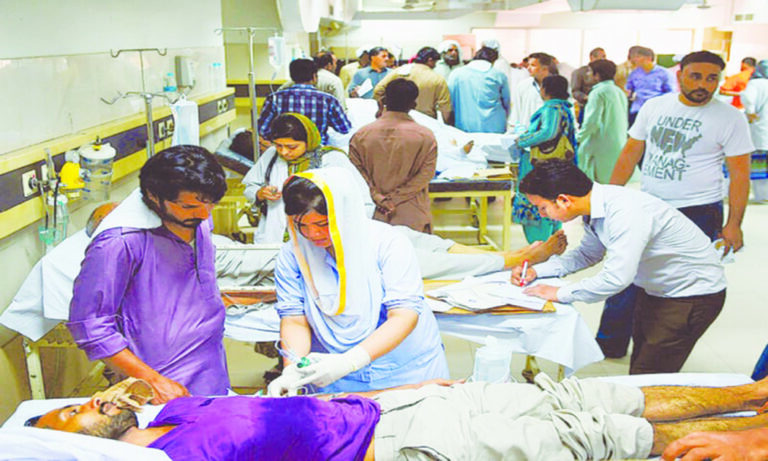
    Pakistan’s health system requires lasting reform

    By Raja Ashraf A country’s healthcare system is judged not only by the number of hospitals it has but also by whether people can access timely, affordable, and quality medical care. In Pakistan, public confidence in the health sector has weakened due to persistent challenges, including shortages of healthcare professionals, rising medicine prices, under-resourced hospitals, and the continued presence of unqualified medical practitioners. These issues require comprehensive and long-term reforms rather than short-term policy responses Healthcare is a fundamental right closely linked to Article 9 of Pakistan’s Constitution, which guarantees the right to life. The Supreme Court has interpreted this provision to include access to essential healthcare services. Pakistan is also a signatory to the International Covenant on Economic, Social and Cultural Rights, which commits the country to progressively ensuring the highest attainable standard of physical and mental health for its citizens. One of the most pressing concerns is the shortage of qualified doctors in rural and underserved regions. Although medical institutions produce thousands of graduates every year, many public health facilities outside major cities continue to face vacant positions. As a result, many communities struggle to obtain even basic healthcare services and are often forced to travel long distances for treatment. The migration of doctors, nurses, and other healthcare professionals to foreign countries has further weakened the healthcare system. Better salaries, improved working conditions, career opportunities, and greater security abroad encourage many skilled professionals to leave Pakistan, creating significant gaps in public hospitals and specialized medical services. The pharmaceutical sector also faces increasing challenges. Some multinational pharmaceutical companies have reduced their presence in Pakistan, raising concerns about future medicine availability and investor confidence. While local pharmaceutical manufacturers continue to meet much of the country’s demand, policymakers must create a stable regulatory and economic environment that supports both domestic production and responsible international investment. The rising cost of medicines has become another major burden for families already affected by inflation. Patients suffering from chronic illnesses such as diabetes, hypertension, and cardiovascular diseases often require lifelong treatment, making affordability a growing concern. At the same time, the continued circulation of counterfeit and substandard medicines highlights weaknesses in regulation and quality control, despite improvements in oversight by regulatory authorities. Public hospitals also frequently experience shortages of essential medicines and emergency supplies, forcing patients to purchase drugs from private pharmacies. This increases treatment costs and can delay critical medical care during emergencies. Ensuring uninterrupted medicine supplies in government hospitals should remain a national priority. Another persistent issue is the presence of unqualified medical practitioners, commonly known as quacks, particularly in areas where licensed healthcare providers are scarce. Tackling this problem requires stronger enforcement of existing laws alongside improved access to qualified medical professionals. Pakistan’s healthcare challenges extend beyond these issues to include inadequate public health funding, ageing hospital infrastructure, weak primary healthcare services, limited mental health facilities, and uneven implementation of health policies across provinces. Addressing these problems requires a comprehensive national strategy focused on increasing healthcare investment, improving working conditions for medical professionals, strengthening medicine regulation, modernizing pharmaceutical oversight, expanding preventive care, and reinforcing primary healthcare services. Investing in healthcare is not merely a public expense—it is an investment in human capital, economic growth, and national development. Pakistan possesses skilled healthcare professionals, reputable medical institutions, and a capable pharmaceutical industry. With sound policymaking, stronger governance, and sustained investment, these strengths can be transformed into a healthcare system that guarantees every citizen safe, affordable, and quality healthcare. The need for reform is no longer in question; the real challenge is ensuring that action is not delayed any further.

  • |

    Fernandez defends Argentina after World Cup Final controversies

    BUENOS AIRES: Argentina midfielder Enzo Fernandez has defended his team’s FIFA World Cup 2026 campaign, saying the players represented their country “in the best possible way” despite a series of controversial incidents that overshadowed their run to the final. The Chelsea star shared an emotional message on social media after Argentina’s 1-0 extra-time defeat to Spain in Sunday’s World Cup final, insisting the team had given everything for the national jersey throughout the tournament. Fernandez’s own campaign ended on a disappointing note after he was sent off late in normal time for a second yellow card following a challenge on Spanish defender Pau Cubarsi. Reduced to 10 men, Argentina struggled to contain Spain before Ferran Torres scored the decisive winner in the 106th minute to hand La Roja the world title. The final was also marred by post-match controversy. Reports alleged that midfielder Leandro Paredes attempted to confront members of the Spanish squad during their celebrations, prompting FIFA to open an investigation into possible disciplinary breaches. Argentina’s players also drew criticism after turning their backs while Spain collected their medals and lifted the World Cup trophy. Earlier in the tournament, the team sparked political controversy by displaying a banner reading “Las Malvinas son Argentinas” following their semi-final victory over England. The slogan refers to Argentina’s long-standing claim over the Falkland Islands, a dispute that remains highly sensitive between Argentina and the United Kingdom. Despite the criticism, Fernandez chose to focus on the team’s commitment and unity rather than the controversies. “As time goes by, you realise there is something much bigger than just a result,” he wrote. “For years, this group has represented Argentina in the best possible way. Competing is not only about winning, but about giving everything for the shirt and never giving up.” The 25-year-old also thanked Argentina’s supporters for standing by the team throughout the tournament, describing wearing the national jersey as the greatest honour of his career. Fernandez, who lifted the FIFA World Cup with Argentina in Qatar in 2022, admitted that missing out on a second consecutive title was painful but vowed to continue giving his all whenever he represents his country. Although Argentina fell short in the final, Fernandez’s message sought to shift the focus from controversy to the dedication and determination shown by the squad throughout their journey to another World Cup final.

  • | |

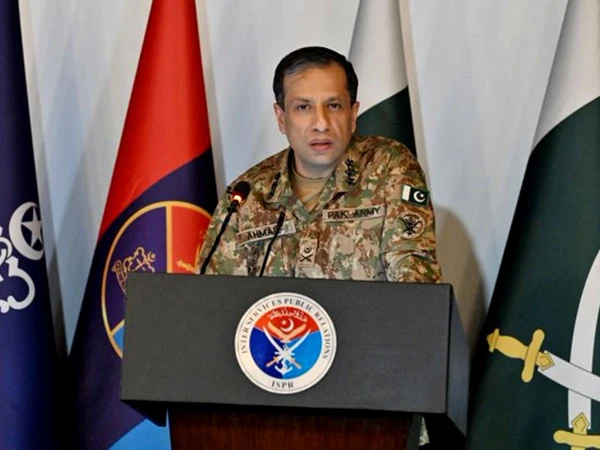
    DG ISPR holds special session with students during…

    RAWALPINDI: The Director General of the Inter-Services Public Relations (ISPR) held a special interactive session with participants of the ISPR Summer Internship 2026, discussing national security, terrorism, misinformation and the responsible use of social media. According to ISPR, the internship programme has attracted more than 6,000 students from across Pakistan, who are participating at 21 different stations nationwide. The initiative aims to provide young people with greater awareness of national institutions, security issues and the challenges facing the country. During the session, the DG ISPR responded to a wide range of questions from students, offering detailed explanations on issues related to Pakistan’s security environment, information warfare and the importance of verifying information before sharing it on digital platforms. A key focus of the discussion was the growing challenge of misinformation, disinformation and propaganda. Students were encouraged to critically evaluate online content and avoid circulating unverified news that could mislead the public or harm national interests. Participants said the session provided valuable guidance on identifying false narratives and understanding the impact of digital misinformation. They described the interaction as informative and said it helped clear up several misconceptions surrounding national security and current affairs. The briefing also covered the situation in Azad Jammu and Kashmir, where participants were given an overview of Pakistan’s official position and regional developments. Students said the discussion helped them better understand the ground realities and the broader context of issues affecting the region. According to participants, the DG ISPR also addressed questions regarding what the military described as hostile propaganda campaigns and security threats. Students noted that the detailed responses helped clarify several issues that had previously caused confusion or uncertainty. At the conclusion of the session, participants expressed their commitment to promoting accurate information and exercising greater responsibility while using social media platforms. They also pledged to play a constructive role in countering false information by relying on verified sources and encouraging informed public discourse. The ISPR Summer Internship has become one of the military’s flagship youth engagement initiatives, bringing together students from universities across the country for interaction with officials, educational activities and discussions on national issues. Officials said the programme is intended to strengthen awareness among young Pakistanis, encourage critical thinking and promote responsible digital citizenship at a time when misinformation and online propaganda continue to pose growing challenges worldwide.

  • | | |

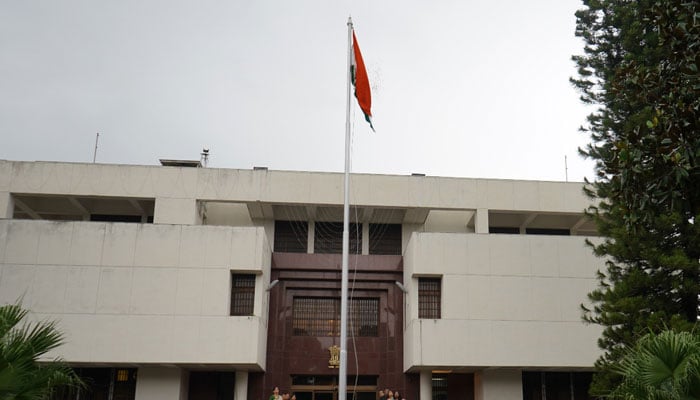
    New Indian chargé d’affaires takes charge in Pa…

    Dr. Styanjal Pandey has formally assumed his responsibilities as the new Indian chargé d’affaires in Pakistan. He will serve as the head of the Indian High Commission in Islamabad. Pandey took charge of the position on August 1, 2026, according to diplomatic sources. His appointment comes after the completion of the tenure of former Indian chargé d’affaires Geetika Srivastava. Srivastava has completed her diplomatic assignment in Pakistan and has returned to India. After assuming his new responsibilities, Pandey also visited Pakistan’s Ministry of Foreign Affairs in Islamabad. During the visit, he held a formal meeting with Sajjad Haider, Director General for South Asia at the Foreign Office. The meeting was part of his initial diplomatic engagements after taking charge of the Indian mission. Pandey also met other relevant officials of the Ministry of Foreign Affairs. The meetings focused on diplomatic engagement and matters concerning bilateral relations between Pakistan and India. Pandey’s arrival marks a change in leadership at the Indian High Commission in Islamabad at a time when relations between the two neighbouring countries remain closely watched. As chargé d’affaires, he will oversee the functioning of the Indian diplomatic mission in Pakistan and represent New Delhi in official diplomatic engagements. Diplomatic sources said Pandey has begun his official engagements following his appointment. His meetings with Pakistani officials are expected to provide an opportunity for continued diplomatic communication between the two countries. The Indian High Commission in Islamabad plays a key role in maintaining official contacts between Pakistan and India.

  • | |

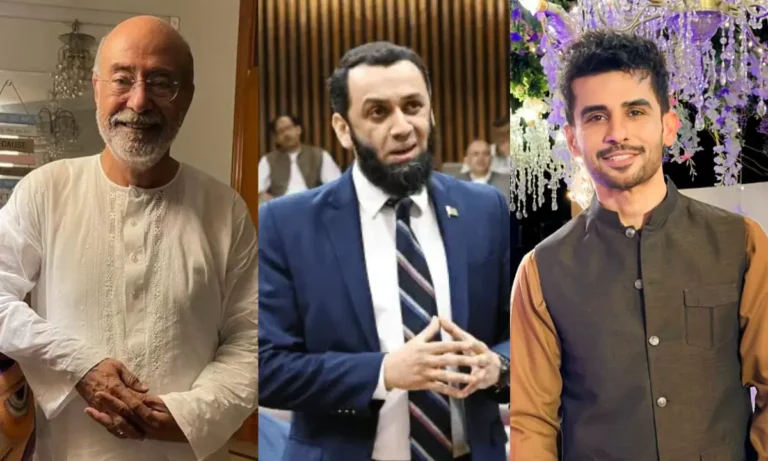
    Tarar proposes mentors for young actors

    Federal Minister for Information and Broadcasting Attaullah Tarar has proposed launching a mentorship programme for young actors following the controversy surrounding the alleged disrespectful treatment of veteran actor Mohammed Ahmed by fellow actor Fahad Sheikh. In a statement shared on X, Tarar described the reported incident as “highly deplorable” and said respect for senior artists must remain a core value of Pakistan’s entertainment industry. The minister said the proposed initiative would allow emerging actors to learn professional ethics, discipline and acting skills from experienced performers. He suggested that Mohammed Ahmed, given his decades-long contribution to television, would be well suited to lead the programme, or that a council of senior actors could oversee the initiative. Tarar also announced that he would soon convene a meeting of television artists and industry stakeholders to seek recommendations on establishing the mentorship programme. The controversy began after Mohammed Ahmed, during a recent podcast interview, recalled being mocked and humiliated by a younger lead actor while working on a television production. He described incidents in which the actor allegedly ridiculed him in front of colleagues and behaved disrespectfully during filming. Although Ahmed did not initially identify the individual, videos circulating on social media later linked actor Fahad Sheikh to the allegations. Responding to the criticism, Sheikh issued a public apology, saying that incomplete accounts of the incident had created a misleading narrative. He maintained that he had already apologised to Mohammed Ahmed privately before the issue gained widespread attention online. Sheikh also offered another public apology, acknowledging Mohammed Ahmed’s seniority and expressing hope that the veteran actor would accept his apology. He insisted that he had never intended to insult a senior colleague.

  • |

    Meta hit with record $567m child safety fine

    A US judge in New Mexico has ordered Meta to pay $567 million over allegations that its social media platforms failed to adequately protect children from harmful content and online risks. The ruling is the largest penalty Meta has faced in a child safety case. It brings the total amount the company has been ordered to pay in the New Mexico case to $942 million, including an earlier $375 million penalty. Judge Bryan Biedscheid ruled that Meta’s platforms had created harms serious enough to be considered a “public nuisance”. He compared the company’s operations to a factory, saying harmful effects on children spread beyond the platforms and affect families, schools, healthcare providers and law enforcement. The judge ordered the money to be placed in a fund designed to address the impact of social media-related harm on children. A large portion of the fund, about $420 million, will support clinical and behavioural health programmes for people affected by such harms. Additional funding will be used for awareness and prevention programmes, including training for teachers and healthcare professionals. The court also imposed a series of measures aimed at strengthening protections for users under 18. Meta will be required to prevent adult users from messaging minors and stop accounts belonging to users under 18 from being recommended to adults. The company must also restrict the sending and receiving of nude material by underage users. The ruling further requires Meta to adopt a strict policy against adult users involved in child sexual exploitation. Other restrictions include removing “like” counts for users under 18 and limiting push notifications during overnight hours. Notifications will also be restricted during normal school hours on school days. The court additionally ordered a monthly usage limit of 90 hours across Instagram and Facebook for users under 18. Meta, which operates Instagram, Facebook, WhatsApp and Threads, rejected the ruling and said it would appeal. The company said it works to protect users and has been transparent about the challenges of detecting harmful content and malicious actors. Meta also maintained that the ruling does not accurately reflect its efforts to protect teenagers online. The New Mexico case began with a lawsuit filed by state authorities in 2023. Prosecutors argued that Meta’s platforms exposed children to harmful material and enabled contact with sexual predators. During the earlier stage of the case, Meta was found to have violated New Mexico’s consumer protection law. The court determined that its recommendation systems could direct young users towards harmful content and potentially dangerous contacts. Meta is facing thousands of similar lawsuits across the United States. Nearly three dozen state attorneys general are also pursuing claims involving the company’s treatment of children and their privacy.

Leave a Reply

Your email address will not be published. Required fields are marked *