sindh chief minister
| |

Sindh Chief Minister reviews Karachi water reform …


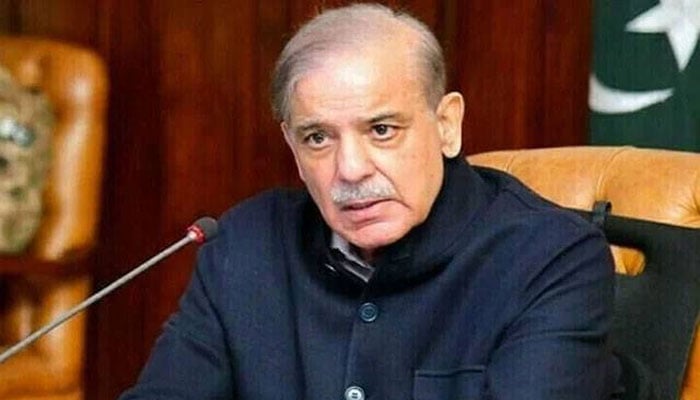
Sindh Chief Minister Syed Murad Ali Shah met with World Bank Country Director Bolormaa Amgaabazar during a high-level meeting held to review the progress of Karachi’s water reform projects. The meeting focused on accelerating initiatives aimed at improving the city’s water supply and wastewater management systems. It was attended by the Sindh Minister for Local Government, Karachi Mayor Murtaza Wahab, the Chief Secretary, the Principal Secretary, and other senior government officials.

During the meeting, Chief Minister Murad Ali Shah and the World Bank Country Director assessed the overall progress of the Karachi Water and Sewerage Services Improvement Project (KWSSIP). Both sides agreed on a fast-track roadmap to improve Karachi’s water supply and drainage infrastructure. The Chief Minister directed all relevant departments to ensure the timely completion of ongoing KWSSIP projects and to accelerate progress on the K-IV water supply project, which is considered one of the city’s most important infrastructure initiatives.

Officials informed the meeting that Sui Southern Gas Company handed over the project site on June 22, 2026. Preparations are currently underway for a joint technical inspection of the 96-inch diameter water pipeline. In addition, rehabilitation work on the NIPA Bridge and other related technical activities is progressing according to schedule, with completion targeted for August 20.

The briefing also highlighted that the procurement process for the K-IV expansion project has entered its final phase. The World Bank has already issued its No Objection Certificate (NOC), clearing the way for the next stage of implementation. Authorities stated that the official tender for the K-IV project will be advertised shortly. Before large-scale installation begins, a pilot program will be launched to evaluate technical performance and operational efficiency.

The meeting included a detailed review of the appointment of consultants and the technical studies required for the project’s successful implementation. Officials emphasized that these studies are essential to ensure that the infrastructure meets international standards and addresses Karachi’s long-term water management challenges.

Karachi Mayor Murtaza Wahab informed the participants that chlorination stations have been relocated to their designated sites and are currently undergoing commissioning. Water quality testing is expected to begin on July 30, marking another significant milestone in the project. He also reported that compensation has been paid to 186 out of the 203 individuals affected by the development works, demonstrating continued progress in addressing social and resettlement obligations.

Chief Minister Murad Ali Shah instructed the Karachi Water and Sewerage Corporation (KWSC) to complete the commissioning and testing process without delay. He reiterated that providing safe and clean drinking water to the people of Sindh remains one of the provincial government’s highest priorities.

The Chief Minister further directed all concerned institutions to strengthen coordination and communication to avoid unnecessary delays. He stressed that modern water utility organizations operate through effective data management, metering systems, and advanced technology, adding that Karachi requires a modern and efficient water management system capable of meeting the demands of its growing population.

Speaking at the meeting, World Bank Country Director Bolormaa Amgaabazar reaffirmed the World Bank’s continued commitment to supporting Karachi in achieving sustainable water supply and wastewater management. She emphasized that institutional reforms, good governance, social safeguards, and timely implementation are essential for the long-term success of the projects. She also expressed confidence that continued cooperation between the Sindh government and the World Bank would help improve essential public services and enhance the quality of life for Karachi’s residents.

Similar Posts

  • |

    Momina Iqbal and Usama Khan team up for new drama Nizaam

    Pakistani television is gearing up for another major drama as acclaimed actors Momina Iqbal, Usama Khan, and Nauman Ijaz are set to share the screen in an upcoming Green TV production tentatively titled Nizaam. The project has already entered the production phase, with filming currently underway, raising excitement among drama enthusiasts eager to see the trio together. Momina Iqbal, who began her career in the fashion industry before transitioning into acting, has steadily established herself as one of Pakistan’s most admired television stars. Since making her acting debut in Parlour Wali Larki, she has taken on a variety of challenging roles that have showcased her versatility. Whether portraying emotionally driven protagonists or strong antagonists, Momina has consistently impressed audiences with her commanding performances. Her role in Do Kinaray further highlighted her ability to balance complex emotions and compelling screen presence, earning praise from viewers and critics alike. Joining her in Nizaam is Usama Khan, one of the most recognizable faces of the younger generation of Pakistani actors. Over the past few years, Usama has built a loyal fan base through a series of memorable television performances. While his recent projects have generated mixed responses, the actor remains a popular name in the entertainment industry. Expectations are high that Nizaam will mark a significant return for him, offering a powerful role that allows him to reconnect with audiences and showcase his acting range. Adding further weight to the cast is veteran actor Nauman Ijaz, whose presence alone often elevates any television project. Widely regarded as one of Pakistan’s finest performers, Nauman has built a remarkable career through unforgettable performances across numerous critically acclaimed dramas. His ability to portray layered, emotionally rich characters has made him one of the industry’s most respected artists. In Nizaam, he is expected to play a pivotal role that will be central to the drama’s narrative. The upcoming serial is written by Fatima Faizan, whose previous work has received attention for its engaging storytelling and strong character development. With a fresh script and an experienced cast, the drama is expected to offer a gripping viewing experience that combines emotional depth with compelling performances. The project is being produced by Multiverse Production for Green TV, a channel that has gained recognition for presenting unique stories and high-quality productions in recent years. Although specific plot details have not yet been revealed, the collaboration between established stars and a talented creative team has already generated considerable anticipation. As filming progresses, viewers are eagerly awaiting more information about the storyline, supporting cast, and official release schedule. Given the popularity of its lead actors and the strong creative team behind it, Nizaam is already emerging as one of the most anticipated Pakistani television dramas expected to premiere in the coming season. Fans will be watching closely for further updates as the production moves toward its official launch.

  • | |

    Shahid Khaqan Abbasi criticizes government over ec…

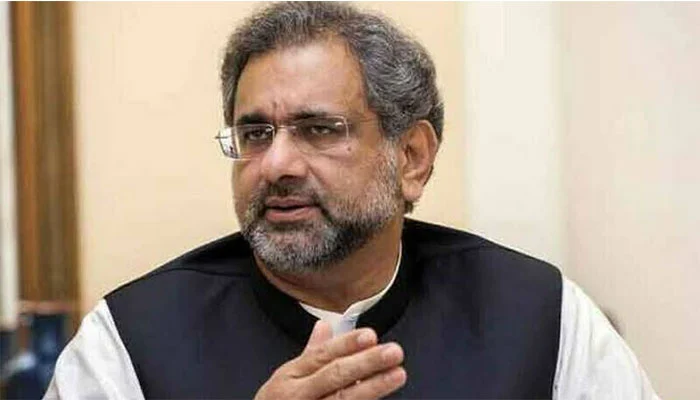
    The head of the Awam Pakistan Party, Shahid Khaqan Abbasi, has criticized the government over the country’s worsening economic and political situation, saying that even government representatives have now started raising concerns about the state of affairs in Pakistan. Speaking at a press conference in Islamabad, Abbasi said that the interior minister had realized after four to five years that the country was facing serious governance challenges, while ordinary Pakistanis had been expressing similar concerns for years. “The people of Pakistan have been saying the same thing for the past four to five years,” Abbasi stated, adding that government ministers should raise such issues directly during cabinet meetings instead of discussing them publicly. The former prime minister stressed that Pakistan urgently requires meaningful reforms and warned that temporary or superficial measures would not solve the country’s deep-rooted problems. He argued that the country has repeatedly experimented with short-term solutions every year, but what is needed is a fundamental change in the system. “We need to change the system and establish the rule of law,” Abbasi said, emphasizing that strong institutions and equal application of laws are necessary for long-term stability. Abbasi also criticized political divisions and the practice of using accountability cases against opponents. He called for an end to the cycle of imprisoning political rivals, questioning how the country could progress if every politician was accused of corruption. “If all politicians are corrupt, then who will run the country?” he asked. The Awam Pakistan Party leader claimed that two major stakeholders currently play a dominant role in running the country, but instead of working together, both sides continue to blame each other for national problems. Discussing the economic situation, Abbasi said that the income of Pakistani citizens has declined significantly over the past six years. He claimed that household purchasing power has fallen by approximately 14 percent, leaving many families struggling financially. “Every household in Pakistan has become poorer,” he said, adding that unemployment has reached its highest level in 21 years. Abbasi also highlighted the increasing tax burden on citizens, stating that the average Pakistani now pays around Rs60,000 in taxes annually. He said that taxes that were previously around Rs30,000 have doubled in recent years, while poverty continues to rise across the country. The former prime minister argued that Pakistan is struggling to attract investment because of inconsistent policies and uncertainty. He accused the government of relying heavily on taxation rather than creating conditions that encourage economic growth. “There is no certainty about when new taxes will be imposed,” Abbasi said, claiming that unpredictable policies discourage businesses and investors from operating in Pakistan. He also raised concerns about public health and food security, stating that thousands of children in Pakistan are affected by HIV and that the government has started importing wheat despite the country being an agricultural economy. “A country known for agriculture is now purchasing wheat from abroad,” he remarked. Abbasi further criticized rising costs of essential services, including electricity, gas, petrol, and diesel. He said that ordinary citizens are facing increasing financial pressure because of continuous price increases. According to Abbasi, Pakistan’s current situation reflects a broader governance failure, and without major reforms, improvements in economic conditions will remain difficult. He called for political cooperation, institutional reform, and policies focused on economic stability rather than short-term measures.

  • | | |

    Constitutional provisions fuel referendum debate

    Debate over the possibility of holding a national referendum has resurfaced in Pakistan, prompting discussions among political observers and constitutional experts about the legal framework governing such a move. Although the government has made no official announcement regarding a referendum, speculation in political circles has raised questions about when and how a nationwide vote can be conducted under the Constitution. Constitutional experts say Articles 48(6) and 48(7) of the Constitution empower the prime minister to propose a referendum on a matter of national importance. Under Article 48(6), the prime minister may refer such a proposal to a joint sitting of Parliament. If approved by the joint session, the matter can be presented to the public through a referendum in the form of a “Yes” or “No” question. Article 48(7) further provides that Parliament may legislate the procedure for conducting a referendum and determining its results. Legal experts note that, unlike a constitutional amendment, such legislation does not require a two-thirds majority and can be passed through a simple majority of members present, provided the quorum is complete. The renewed debate has also revived interest in the history of referendums in Pakistan. The concept first gained prominence during the political crisis that followed the March 7, 1977 general elections. Opposition parties, united under the Pakistan National Alliance (PNA), rejected the election results, alleging widespread rigging. They later boycotted provincial assembly elections and launched a nationwide protest movement demanding fresh elections, dissolution of assemblies and the resignation of then-prime minister Zulfikar Ali Bhutto. Despite mediation efforts by Saudi Arabia, negotiations between the government and the opposition failed, and the political deadlock culminated in the imposition of martial law by General Muhammad Zia-ul-Haq on July 5, 1977. Following these developments, constitutional provisions allowing referendums were introduced through the Seventh Constitutional Amendment. Pakistan’s first referendum was held on December 19, 1984, during General Zia-ul-Haq’s rule. While the public was asked to vote on the continuation of the Islamization process, a “Yes” vote effectively extended Zia’s presidency for another five years. Official results declared overwhelming support for the proposal, though opposition parties questioned both the process and the outcome. A second nationwide referendum was held in April 2002 under General Pervez Musharraf. The exercise enabled him to secure another five-year presidential term before the general elections later that year. After the 2002 elections, Musharraf was formally elected president by an electoral college comprising Parliament and the four provincial assemblies under the framework established through the Seventeenth Constitutional Amendment. Political analysts say recent discussions intensified after comments made during a media briefing by the Director General of Inter-Services Public Relations (ISPR), whose carefully worded responses to questions on constitutional matters drew public attention.

  • | |

    Murad vows action as Mir Raza murder probe uncover…

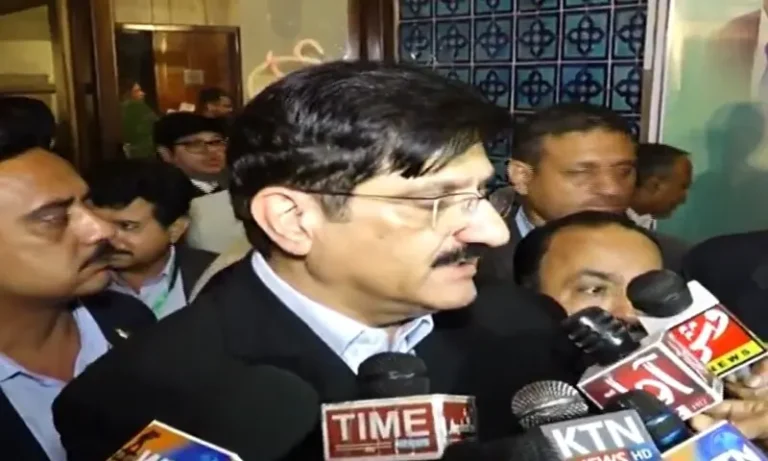
    KARACHI: Sindh Chief Minister Syed Murad Ali Shah has assured the family of murdered businessman Mir Raza that the investigation will be conducted fairly and that those responsible for any police or medico-legal lapses will face action once the case is concluded. Speaking to reporters at the Arts Council Karachi on Tuesday, the chief minister said the proposed judicial commission was not meant to investigate the murder itself. He explained that the police were responsible for probing the killing, while the commission was intended to examine shortcomings in the handling of the case by police and medico-legal authorities. Murad said the provincial government had initially discussed the commission with Mir Raza’s parents through the home minister and Karachi mayor, and the family had agreed to the proposal. However, after the family later withdrew its support, the government respected their decision. Meanwhile, investigators have received the chemical analysis report from Mir Raza’s first post-mortem, which reportedly detected traces of acid on his shirt. The report also found gunshot residue on the rear side of the shirt’s perforation, identified as the entry wound. Further samples were collected during a second post-mortem after the body was exhumed. So far, investigators have received the DNA report, which confirmed that the remains belonged to Mir Raza. The investigation team is also preparing to conduct geofencing around different locations near the crime scene in Gulistan-i-Jauhar to establish the movements of people in the area around the time of the incident. Call data records from Mir Raza’s mobile phone will also be obtained as part of the probe. At the request of the family’s lawyer, Jibran Nasir, DSP Siraj Lashari and Inspector Mohammed Ali have been added to the investigation team headed by DIG Amir Farooqui. Mir Raza, an IBA graduate and owner of the food business Wafflix, went missing on July 28. His body was discovered the following day in bushes near Shahi Qila Ground in Gulistan-i-Jauhar. In a related development, the National Cyber Crime Investigation Agency (NCCIA) has summoned four people over alleged defamatory social media content concerning Sindh Senior Minister Sharjeel Inam Memon and his son in connection with the murder case. Syed Abdullah, Amin Qureshi, Bilal Warsi and Obaid Qureshi have been directed to appear before the NCCIA’s Karachi office on August 13. The notices were issued following a complaint filed on Memon’s behalf, alleging that fabricated and defamatory material had been circulated through digital platforms. Memon had approached the cybercrime agency after claims circulated online alleging that he owned a guest house in Gulistan-i-Jauhar where Mir Raza was allegedly tortured and killed. Other posts claimed that Memon’s son had travelled to London immediately after the incident and was later seen accompanied by a security guard. The latest developments come as investigators continue to piece together the circumstances surrounding Mir Raza’s disappearance and death, while authorities face growing pressure to ensure that every aspect of the case is thoroughly examined.

  • | |

    Noreen Gulwani’s bold take on love, respect and freedom

    Actor Noreen Gulwani has spoken about financial independence, relationships and personal growth, saying respect and understanding should remain the foundation between men and women. In a recent interview, Gulwani said women should not become overconfident or self-centred after becoming financially independent. She explained that some women may develop such attitudes after experiencing years of social restrictions. She said earning money should bring confidence but should not lead to arrogance. According to her, everyone should remain open to advice and criticism regardless of their financial status. Gulwani also said men have an equal responsibility in building respectful relationships. She added that women want to be treated with kindness and dignity rather than feeling controlled or restricted. Talking about marriage, the actor said she has not rushed into the decision because she is waiting for the right partner. She said she meets people and tries to understand their thoughts and personalities before considering marriage. Gulwani encouraged young people to see their twenties as a time for exploring their identity and discovering their goals. She said society often creates pressure to complete education, get a job, marry and have children quickly, but people should also focus on understanding themselves. She shared that her priorities have changed over time. The actor said she now dreams of living closer to nature and raising children away from the pressures of city life and excessive screen use. Discussing her career journey, Gulwani revealed that she initially studied journalism and broadcasting abroad. However, she later realised that the field did not match her personality and decided to focus on writing and acting. She described theatre as her biggest artistic passion. According to Gulwani, stage acting requires more energy, creativity and quick decision-making compared with television performances. She recalled that live theatre often requires actors to handle unexpected situations immediately because there is no chance to stop and repeat a scene. Speaking about social media controversies, Gulwani said she avoids unnecessary public debates. She believes that not every statement requires a response and prefers to maintain a neutral approach. Commenting on singer Falak Shabir’s views about women’s clothing, she said she did not agree with his opinion but did not think responding publicly would change the situation. She added that everyone should have the freedom to make personal choices.

  • |

    Anil Kapoor turns Anand Ahuja’s birthday into a family love fest

    Anil Kapoor stepped up to celebrate his son-in-law in style. He shared a heartfelt note for Anand Ahuja on Instagram. The post came with a lovely set of pictures. Anand, husband to Sonam Kapoor, celebrated his birthday on July 29. In his caption, the 69-year-old actor opened up about his bond with Anand. He said Anand’s presence always brings him a sense of calm. Just seeing him or hearing his voice seems to do the trick. It is a small detail, but it says a lot about how close the two have become. Anil did not stop there. He spoke about how thoughtfully Anand treats everyone in the family. He praised the ease with which Anand cares for Sonam and their children. This quality, Anil wrote, fills him with comfort and joy. He ended the note on a simple, warm birthday wish. Anand was quick to respond to the sweet gesture. He replied with his signature humour, joking about how many of his old hairstyles had made it into Anil’s post. He also thanked his father-in-law for always being encouraging and kind. The celebrations did not end there. Sonam joined in with her own tribute. She shared a series of throwback photos capturing their journey as a couple. She described Anand as her safest place and closest support system. She added that she would pick him again, no matter how many lifetimes she got. Anand responded in his usual playful tone. He lovingly called her his dream machine in return. The couple has been married since May 2018. They exchanged vows in a small, intimate Punjabi wedding that was widely covered at the time. Since then, their relationship has often stood out for its warmth, humour and visible affection, something fans and family alike have noticed again and again. Sonam and Anand became parents for the first time in 2022, welcoming their son Vayu. Their family grew further this year when they welcomed their second son on March 29, 2026. Between Anil’s touching note and Sonam’s loving tribute, Anand’s birthday turned into more than just a celebration. It became a public reminder of just how close-knit this family really is, and how easily that affection comes through in the little things they share online.

Leave a Reply

Your email address will not be published. Required fields are marked *