germany hunts terror
|

Germany hunts terror suspect after Berlin pride cr…

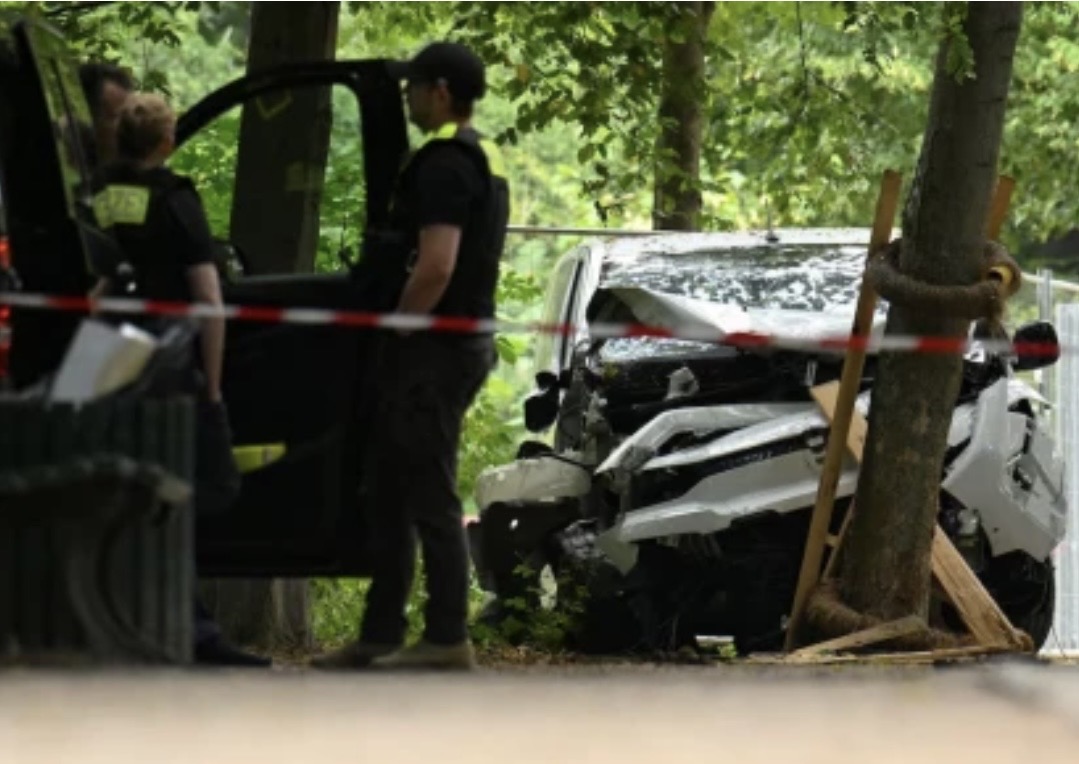
German authorities launched a national manhunt on Sunday for an individual suspected of ploughing a minivan into a crowd near a huge LGBTQ Pride gathering in Berlin, killing one person and injuring 29 others. The attack occurred in Tiergarten park near the Brandenburg Gate at approximately 10 pm, close to one of Europe’s largest annual LGBTQ celebrations, Christopher Street Day.

The incident is the latest in a series of vehicle attacks on crowds in Germany that have intensified debate around security and immigration amid a surge in support for the far-right. Chancellor Friedrich Merz urged Germans to protect liberal values, stating: “We will defend the freedom, openness, and liberal spirit of our lives and our society with everything we can do.”

It remains unclear whether the perpetrator acted alone, as police said more than one person may have exited the van. Berlin broadcaster RBB reported that an Iranian who had been a passenger in the vehicle had been arrested. The fire service confirmed that three of the injured were in a life-threatening condition.

The attack comes at a sensitive time for Merz’s unpopular coalition government, which is undergoing a bruising cabinet reshuffle amid criticism of its effectiveness. The far-right Alternative for Germany party, campaigning on immigration and security, was quick to comment on the attack. AfD co-chief Tino Chrupalla said on X: “We will not allow religious extremists to divide our country with violence and intolerance!”

Germany has experienced several vehicle attacks in recent years. In May, a man believed to have mental health problems drove into a pedestrian zone in Leipzig, killing two and injuring three. In 2016, a Tunisian failed asylum seeker hijacked a truck and drove it into a busy Christmas market, killing 11 people.

At the Tiergarten park, people lit candles and left flowers in memory of the victim. The investigation is ongoing, with authorities working to determine the full circumstances of the attack. The incident has once again raised questions about security measures at public events and the broader challenges of preventing such acts of violence. The government faces increasing pressure to address these concerns while upholding the country’s commitment to openness and tolerance. As the manhunt continues, the nation mourns the loss of life and hopes for the recovery of those injured in this senseless act of violence. The coming days will be crucial in determining the motives behind the attack and ensuring that those responsible are brought to justice. The international community has expressed solidarity with Germany, offering support in the aftermath of the tragedy. The attack serves as a stark reminder of the ongoing threat of extremism and the need for continued vigilance to protect public safety.
Similar Posts

  • | |

    Secret Service probes alleged leak of JD Vance tra…

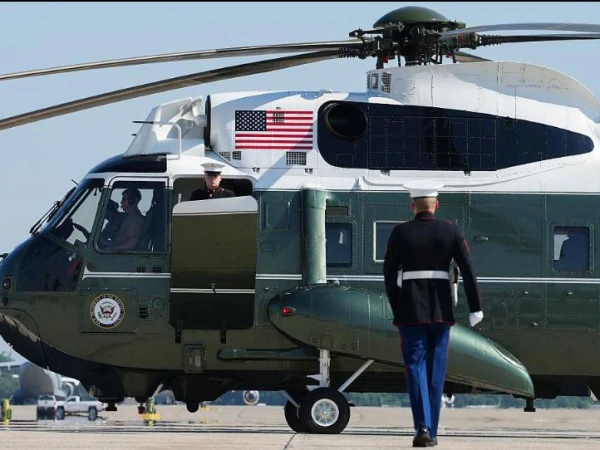
    WASHINGTON: A member of US Vice President JD Vance’s security detail is under investigation over allegations that sensitive information related to the vice president’s travel arrangements was leaked to the media, raising concerns about security protocols surrounding one of the country’s highest-ranking officials. The US Secret Service confirmed on Friday that an administrative investigation is underway into the conduct of an officer assigned to Vance’s protective unit. Officials said the inquiry could potentially lead to a criminal investigation depending on the findings. Secret Service spokesperson Anthony Guglielmi said the agency takes any breach of operational security seriously and would not tolerate actions that could compromise the safety of protected government officials. “The Secret Service maintains strict standards regarding operational and informational security,” Guglielmi said in a statement. “Any violation of those standards is thoroughly reviewed and investigated.” The controversy emerged after a US media outlet published a report claiming that Vance had made several unusual requests involving his security team and travel arrangements. The report cited unnamed sources who alleged that some members of the vice president’s protective detail had expressed frustration over certain personal travel-related requests. One of the claims attracting significant attention involved an alleged proposal to use Marine Two, the official helicopter designated for the vice president, to transport Vance’s son to a secure golf course for golf lessons. According to the report, discussions about using the government aircraft for the trip were considered but never materialized. The proposed flight was ultimately canceled due to severe weather conditions, including thunderstorms that made flying unsafe. While the report has fueled debate in Washington, no evidence has been publicly presented showing that any rules were broken regarding the proposed transportation arrangements. The focus of the investigation currently remains on how details of the vice president’s security operations allegedly reached the media. The Office of the Vice President has not issued a detailed response to the report, and Vance’s team has so far declined to comment publicly on the allegations. Political analysts say the case highlights two sensitive issues often facing senior government officials: the appropriate use of official resources and the protection of confidential security information. Security experts warn that unauthorized disclosures about the travel plans or protective measures of top government leaders can create significant risks, even when the information appears routine. As investigators continue reviewing the matter, attention remains fixed on whether the alleged leak violated federal regulations and what consequences could follow if wrongdoing is confirmed. The findings could have broader implications for security procedures protecting senior US officials.

  • | | | |

    Iran threatens action over US economic support

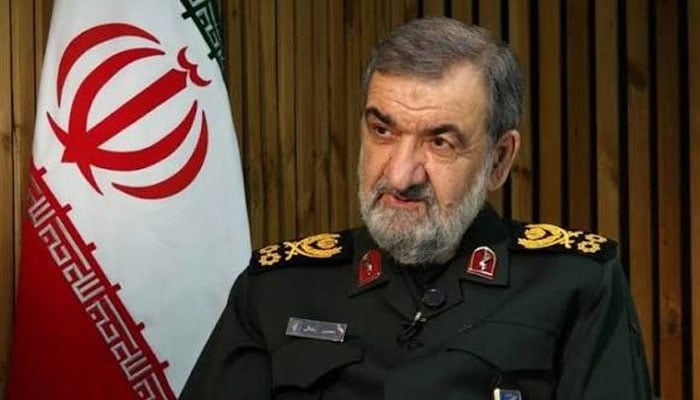
    Iran’s National Security Council chief Mohsen Rezaei has warned that the interests of countries assisting the United States in its economic war against Iran could be targeted. In an interview, Major General Mohsen Rezaei urged Iran’s neighbouring countries not to cooperate with Washington against Tehran. He warned that Iran could consider them hostile if they joined the US economic campaign. Rezaei said Iran did not want to escalate the conflict. However, he warned that any neighbouring country supporting the economic war could face attacks on its interests. He also threatened to prevent even a single drop of oil from passing through the Persian Gulf or the Strait of Hormuz. He said other routes used to import oil through the Persian Gulf could also be targeted. Rezaei further warned that locations linked to Iranian opposition groups could also come under attack if the United States continued meeting groups opposed to the Iranian government. According to Rezaei, the US had expected to end the conflict within a few days and take control of Iran’s oil and gas resources. He claimed that around 1,200 oil tankers had become unusable during the conflict, affecting 15 per cent of the global fleet. He said Tehran should reconsider its approach to the conflict and its diplomatic engagement with the international community. Rezaei accused Washington of failing to honour its commitments. Rezaei said Iran was no longer the same country it was before the conflict. He described new military appointments by Supreme Leader Mojtaba Khamenei as a sign that Iran was preparing for war. He added that the perception of the United States among Iranian youth had also changed. According to him, many young Iranians no longer view America as a country committed to peace. Rezaei accused Washington of betraying negotiations, diplomacy and agreements it had signed. He also warned that US policies could encourage more countries to seek nuclear weapons. He criticised US President Donald Trump and claimed that the world had begun viewing Iran differently. Rezaei said Iran would change its approach to warfare and use the lessons learned from the current conflict in any future war. Asked about the Makkah agreement involving Pakistan, Türkiye and Saudi Arabia, Rezaei said it indicated that the United States had informed those countries of its intention to leave the region. On former Crown Prince Reza Pahlavi, Rezaei said those who believed his return would turn Iran into a “paradise” should reconsider their view. He claimed that bringing Pahlavi back to power could instead lead to Iran being divided into five parts.

  • | | |

    Syria sentences former President Bashar al-Assad to death

    A Syrian court has sentenced former President Bashar al-Assad to death over allegations of premeditated and deliberate killings. The sentence was issued in absentia. Assad was not present in court when the ruling was announced. The court also sentenced Atef Najib, a former security official who served during Assad’s rule, to death. According to the court, the charges against Assad relate to allegations of killings that were deliberately planned and carried out. The ruling marks a major development in the legal proceedings against the former Syrian president. Assad was removed from power before the court issued the sentence. The court proceeded with the case in his absence. It reached its decision based on the charges brought against him. Atef Najib was also named in the proceedings. He served as a security official during the Assad era and was handed the same punishment. The court described the alleged crimes as involving premeditation and deliberate killing. These allegations formed the basis of the death sentences. The development comes amid continued legal and political efforts concerning officials associated with the former Syrian government. The ruling against Assad could become an important part of the legal record surrounding his years in power. The former president has faced allegations related to serious abuses during the conflict in Syria. The latest court decision focuses specifically on charges of premeditated and deliberate murder. The sentence was announced without Assad appearing before the court. The court also issued its decision against Najib in connection with the same proceedings. Further legal developments could determine how the sentences are handled and whether additional proceedings follow. According to the reported ruling, the former Syrian leader was convicted on charges described as war crimes and crimes against humanity. The decision marks a significant development in legal proceedings against senior figures from Assad’s former government. Assad ruled Syria for nearly 24 years after succeeding his father, Hafez al-Assad, in 2000. His government faced years of armed opposition after protests erupted across the country in 2011. The conflict developed into a prolonged civil war involving Syrian government forces, opposition groups and several foreign powers. The war caused widespread destruction and a major humanitarian crisis. Millions of Syrians were forced to leave their homes, while large numbers sought refuge in neighbouring countries and beyond. Assad remained in power throughout most of the conflict. His government was accused by international organisations and rights groups of carrying out serious abuses against civilians. The former government repeatedly rejected many of the allegations. Assad’s rule eventually came to an end in December 2024. Opposition-led forces advanced towards Damascus, forcing him to leave the country with members of his family. He subsequently travelled to Moscow, where Russia provided him with protection. The latest verdict is the first death sentence against Assad under Syria’s transitional authorities. The new authorities have begun legal proceedings against officials and figures associated with the former government. Some defendants have appeared before the courts in person, while proceedings against others have been conducted in absentia. The case against Assad is therefore being closely watched as part of broader efforts to address alleged crimes committed during the conflict. The death sentence also represents a dramatic reversal for a leader who remained at the centre of Syrian politics for decades.

  • | | |

    Pakistan, 7 muslim countries condemn Israel over G…

    Pakistan and seven other Muslim countries have condemned Israel’s reported rejection of the Gaza peace plan, warning that opposition to a political settlement could undermine efforts to end the conflict and achieve lasting regional peace. A joint statement issued by Pakistan, Egypt, Türkiye, Indonesia, Jordan, Qatar, Saudi Arabia and the United Arab Emirates said Israel’s rejection of the Gaza plan and Palestinian statehood was damaging peace efforts. The countries expressed concern over attempts to prevent implementation of the comprehensive plan and stressed the need for immediate action to end the war in Gaza. They also called for measures to address the humanitarian crisis and support reconstruction and recovery in the territory. The statement reaffirmed support for the Palestinian people’s right to self-determination and the establishment of an independent Palestinian state. The eight countries rejected any attempt to prevent or deny Palestinian statehood, saying a two-state solution remains the path toward a fair and lasting peace. They backed the establishment of a sovereign Palestinian state along the 1967 borders, with East Jerusalem as its capital. The countries also urged all parties to cooperate on the second phase of the Gaza plan and called for concrete steps toward implementing the Gaza roadmap.

  • |

    Delhi internet cut as student protests escalate

    The Indian government has reportedly suspended mobile internet services in several parts of central New Delhi as nationwide protests over examination paper leaks continue to gain momentum. The move came amid heightened security and growing demonstrations led by students and youth groups demanding accountability over alleged irregularities in the country’s examination system. According to informed sources, telecom companies were instructed to disable mobile data services in and around the main protest sites in central Delhi. The internet restrictions affected thousands of residents, commuters and businesses in the area. The suspension caused significant disruption to daily life. Shopkeepers, restaurants and street vendors reported difficulties accepting digital payments because many businesses in India rely heavily on internet-based payment systems. Residents also experienced problems accessing online services and communication platforms. The protests have continued for more than a month, with students camping in central Delhi and demanding the resignation of Education Minister Dharmendra Pradhan. Demonstrators accuse the government of failing to prevent examination paper leaks that reportedly affected nearly two million students across the country. Student leaders say the paper leak scandal has seriously damaged confidence in India’s examination system and has put the future of millions of young people at risk. They insist the demonstrations will continue until those responsible are held accountable and meaningful reforms are introduced. Prime Minister Narendra Modi recently addressed the controversy and promised strict action against individuals involved in examination fraud. He said the future of India’s youth remains a national priority and announced plans to establish fast-track courts to ensure speedy trials in paper leak cases. However, opposition leaders argued that the government’s response does not go far enough. Congress leader Rahul Gandhi renewed his demand for the dismissal of Education Minister Dharmendra Pradhan, accusing the government of failing to protect the country’s education system and the interests of students. The demonstrations intensified after security forces attempted to stop protesters marching toward Parliament during the monsoon session. Police used tear gas and batons to disperse crowds after protesters tried to breach security barriers. Clashes later broke out, leaving scores of protesters and security personnel injured. Following the unrest, authorities increased security across central Delhi by deploying additional police personnel, strengthening barricades and monitoring key government buildings to prevent further violence. The protest movement, which initially focused on examination paper leaks, has gradually expanded into a broader campaign highlighting concerns over unemployment, educational opportunities and governance. Protest organisers say the issue is no longer limited to examination irregularities but has become a wider movement demanding transparency, accountability and reforms.

Leave a Reply

Your email address will not be published. Required fields are marked *