six candidates prepare
|

Six candidates prepare for first televised debate in UN leadership race

The six candidates competing to become the next Secretary General of the United Nations are set to take part in a televised debate ahead of the official selection process, offering diplomats, UN staff, and the public a chance to hear their plans for leading the organisation through one of the most challenging periods in its history.

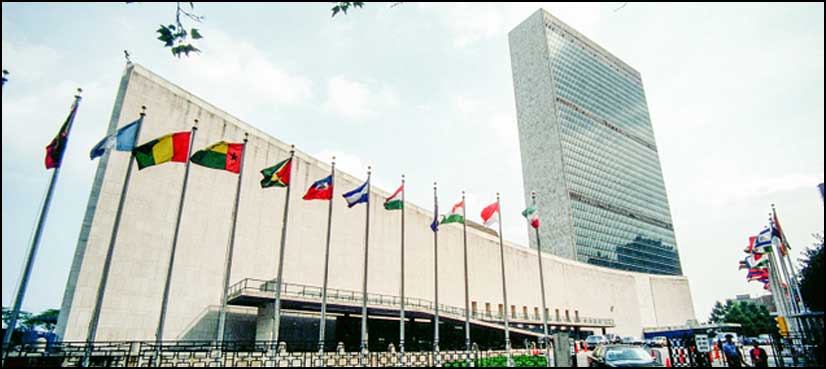
The debate will be held in the United Nations General Assembly Hall in New York and comes just one week before the Security Council begins formally considering candidates to succeed Secretary General Antonio Guterres, whose term ends later this year. The 90 minute event will feature questions from diplomats, United Nations employees, and representatives of civil society, and will be broadcast live.

The six candidates are former Chilean President Michelle Bachelet, former Ecuadorian Foreign Minister Maria Fernanda Espinosa, Argentine diplomat Rafael Grossi, Costa Rican economist Rebeca Grynspan, Guyanese Foreign Minister Carolyn Rodrigues Birkett, and former Senegalese President Macky Sall. Each is seeking to lead the global organisation at a time when it faces financial pressures, political divisions, and increasing criticism from member states.

General Assembly President Annalena Baerbock said the debate provides a valuable opportunity for the candidates to present their leadership vision and priorities before the selection process begins. She stressed that the next Secretary General must not only improve the efficiency of the United Nations but also defend the principles of the UN Charter, including peace and security, human rights, and sustainable development.

The organisation is currently facing one of its most difficult periods in recent years. The administration of US President Donald Trump has criticised the United Nations for what it describes as excessive spending, expanding beyond its core responsibilities, and failing to produce effective results. Washington has called for the organisation to focus more closely on maintaining international peace and security, while many other member states argue that protecting human rights and promoting development remain equally important responsibilities.

Over recent weeks, each candidate has already answered several hours of questions from representatives of the UN’s 193 member states. During those discussions, most pledged to continue reform efforts aimed at making the organisation more efficient, transparent, and responsive to global challenges. Many also emphasised the need for a more active diplomatic role for the Secretary General in preventing conflicts and supporting peace negotiations.

The formal selection process begins on July 30 when the 15 members of the UN Security Council hold their first confidential straw poll. During these informal votes, council members anonymously indicate their preferred candidates. Several rounds of voting may take place until one candidate secures the required support of at least nine council members without being vetoed by any of the five permanent members, namely the United States, China, Russia, the United Kingdom, and France.

Once the Security Council agrees on a candidate, the recommendation will be sent to the General Assembly for final approval. The successful candidate will officially begin serving as Secretary General on January 1, 2027.

Diplomats say the race remains highly competitive with no clear favourite. Rafael Grossi is widely viewed as one of the strongest contenders because of his international profile and experience leading the International Atomic Energy Agency. However, several diplomats believe Rebeca Grynspan and Carolyn Rodrigues Birkett also enjoy significant support among member states.

Speculation continues over whether another candidate could still emerge before the final decision is made. Reports have also mentioned the name of FIFA President Gianni Infantino as a possible outsider, although he is not among the officially declared candidates.

This year’s contest has also renewed calls for the United Nations to appoint its first female Secretary General. Many member states argue that after eight decades of male leadership, the organisation should choose a woman for its highest office. Latin American countries are also pressing their case under the informal tradition of rotating the position among different world regions, making the current race one of the most closely watched leadership contests in recent UN history.
Similar Posts

  • | |

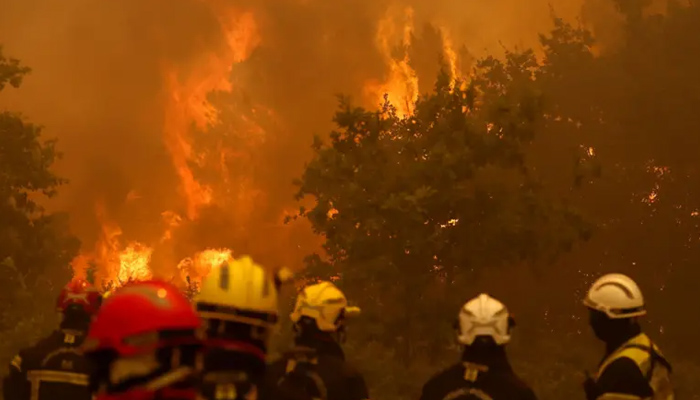
    France wildfires force 150,000 to evacuate amid he…

    A relentless heatwave has triggered massive wildfires across southwestern France, forcing around 150,000 people to evacuate as flames swept through forests and threatened homes in one of the country’s most popular tourist destinations. French authorities ordered the complete evacuation of Cap Ferret, a renowned coastal resort, after fast-moving fires engulfed nearly 47,000 acres of forest. Officials said more than 100 homes had been damaged as firefighters continued battling the blaze under extreme weather conditions. The rapidly spreading fire has prompted an extensive emergency response, with President Emmanuel Macron directing the French military to assist firefighting teams in containing the flames and protecting nearby communities. The crisis has also spread beyond France. In neighboring Spain, authorities declared the country’s first-ever national emergency over a wildfire near Madrid, highlighting the growing impact of the ongoing heatwave across southern Europe. According to media reports, the Spanish wildfire has destroyed more than 43 homes, while approximately 19,000 residents living in mountainous areas west of Madrid were ordered to evacuate. More than 2,000 emergency personnel, supported by 10 firefighting aircraft, have been deployed to contain the flames. Officials warned that soaring temperatures, dry vegetation and strong winds have created ideal conditions for wildfires, making firefighting operations increasingly difficult. The latest disaster comes only weeks after France experienced one of its deadliest heatwaves in recent years. According to the country’s national public health agency, 21,674 deaths were recorded between June 17 and July 2, compared with an expected 15,910 deaths under normal conditions. The agency said the period saw 5,764 excess deaths—an increase of 36% above normal mortality levels—underscoring the severe health impact of prolonged extreme heat. Climate experts have repeatedly warned that rising global temperatures are increasing the frequency and intensity of heatwaves and wildfires across Europe. As emergency crews continue to battle the blazes in France and Spain, authorities remain on high alert, warning residents that worsening weather conditions could fuel further fires in the coming days.

  • | |

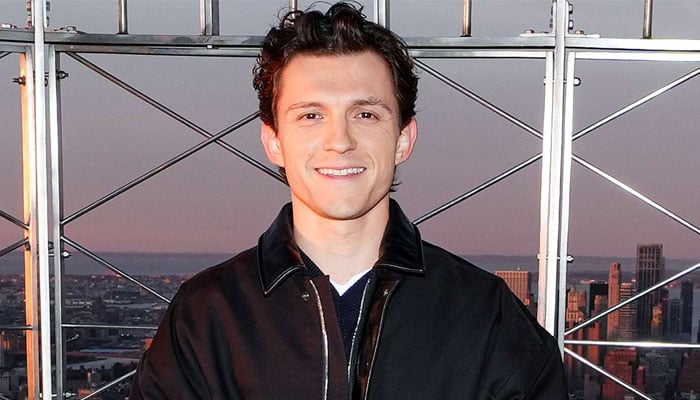
    Tom Holland breaks silence on brand-new project after Spider-Man

    Hollywood superstar Tom Holland has broken his silence regarding his latest creative venture outside the Marvel Cinematic Universe, opening up about his decision to prioritize Christopher Nolan’s highly anticipated cinematic epic The Odyssey alongside his wife, Zendaya. ​Speaking during a recent promotional tour for Spider-Man: Brand New Day, the 30-year-old actor addressed rumors surrounding production overlaps between the two blockbuster projects. Holland disclosed that filming schedules for Nolan’s ambitious adaptation of Homer’s ancient Greek saga initially clashed directly with the filming timeline for his upcoming Fourth Spider-Man installment, creating a major professional dilemma. ​Holland revealed that his decision to lock in the role in Nolan’s film was heavily influenced by a playful yet decisive nudge from Zendaya. Recalling the pivotal moment when the opportunity arose, Holland shared that Zendaya delivered a humorous ultimatum, urging him not to pass up the chance to work with the legendary director: ​”Zendaya jokingly looked at me and said, ‘If you turn down Christopher Nolan, I’m leaving you.’ In all seriousness, working with Nolan has been a lifelong dream, and having Zendaya push me to take that leap made all the difference. It required some very uncomfortable schedule negotiations, but it was an opportunity I couldn’t pass up.” ​The scheduling conflict required Holland to hold tough conversations with Sony Pictures executives to delay the production start of Spider-Man: Brand New Day, allowing him to complete filming on The Odyssey first. The Nolan-directed epic, which features an all-star ensemble cast including Holland, Zendaya, Lupita Nyong’o, and Matt Damon, marks the couple’s first major feature film collaboration outside the Spider-Man franchise. ​Reflecting on his expanding filmography, Holland noted that stepping into non-superhero roles under visionaries like Nolan has allowed him to mature as an actor. While he remains deeply devoted to Peter Parker, Holland emphasized that exploring grounded, complex character studies is essential for his long-term artistic growth. ​With Spider-Man: Brand New Day and The Odyssey both generating massive global anticipation, Holland’s willingness to navigate high-stakes industry negotiations highlights his evolving standing as one of Hollywood’s most sought-after leading men.

  • | |

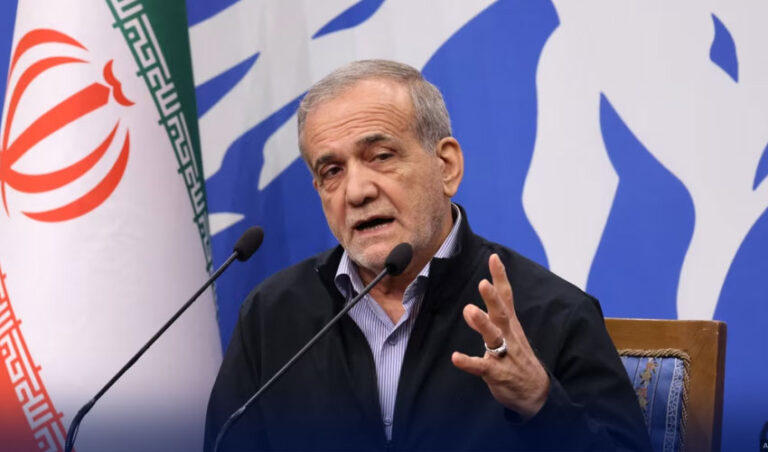
    Pezeshkian rejects pressure as Iran seeks path to de-escalation

    Iranian President Masoud Pezeshkian has said Tehran will not surrender to external pressure or compromise its military and defensive capabilities, while stressing that Iran remains open to diplomacy if it can help protect the country’s interests. In a televised interview marking the second anniversary of his presidency, Pezeshkian said Iran would resist any attempt to force it into submission. He maintained that Tehran had the right to preserve its defence capabilities and would not accept demands aimed at weakening its military strength. The Iranian president described his country’s response during the latest conflict with the United States and Israel as an act of self-defence. He praised Iran’s armed forces, including the Army, Islamic Revolutionary Guard Corps and Aerospace Forces, for their performance during the fighting. Pezeshkian also accused Washington and Tel Aviv of attempting to bring Gulf countries together against Iran. He said Tehran was working to prevent further regional divisions and maintained that Muslim countries should cooperate regardless of sectarian differences. He rejected claims that Iran sought territorial expansion or intended to attack neighbouring states. According to Pezeshkian, Iran wanted peaceful relations with countries in the region and had no plans to seize territory or expand its borders. The president also questioned why some regional countries allowed their territories to be used for attacks against Iran. He said Tehran did not seek confrontation with those states but would respond against locations from which it was attacked. Meanwhile, senior US military officials are reportedly pushing for a path toward de-escalation as concerns grow over the effectiveness and sustainability of further military action against Iran. According to a report, Chairman of the Joint Chiefs of Staff Gen Dan Caine has privately urged senior Trump administration officials to explore options for ending the conflict. The discussions reportedly involved senior figures including CIA Director John Ratcliffe, Secretary of State Marco Rubio and Vice President JD Vance. US officials are said to believe that continued air operations alone may not be enough to force Tehran to accept Washington’s demands. There are also concerns about Iranian retaliation against US allies and regional energy infrastructure. The report further indicated that shortages of some US weapons, including air-defence interceptors and precision munitions, could make a prolonged conflict increasingly difficult. Despite the concerns, US officials reportedly believe American forces could still inflict significant damage on Iran if President Donald Trump orders further escalation. At the same time, Washington is examining diplomatic options that could allow Trump to present an agreement as a political achievement. A possible agreement between Iran and Oman could provide a major breakthrough in efforts to reopen the Strait of Hormuz, according to a US official. Washington expects Tehran and Muscat to reach an understanding that would allow commercial shipping and oil traffic to resume through the strategic waterway. The United States has indicated that it could lift its blockade of Iranian ports once commercial shipping is restored and Iran fulfils its commitments. The Strait of Hormuz is one of the world’s most important energy routes, with a significant share of global oil supplies traditionally passing through it. Disruptions caused by the conflict have contributed to higher energy prices and increased inflationary pressure. The latest diplomatic activity follows several previous claims that a deal over the strait was close, although Iranian officials have repeatedly denied that formal negotiations were taking place. Regional tensions have also prompted Pakistan, Saudi Arabia and Türkiye to strengthen military cooperation through a joint defence agreement signed in Makkah. Under the agreement, an armed attack against any one of the three countries would be treated as an attack against all three. The countries said the pact was intended to strengthen collective deterrence and protect regional security. Türkiye stressed that the agreement was defensive and was not directed against any particular country. However, the deal comes amid heightened tensions involving Iran and growing concerns about the conflict spreading across the Gulf and wider Middle East. Meanwhile, diplomatic efforts are continuing on the Lebanon front, where officials are discussing arrangements for monitoring the potential disarmament of Hezbollah under a US-backed framework. Pezeshkian has also defended diplomatic engagement with Washington despite opposition from Iranian hardliners. The Iranian president argued that dialogue could be useful if it allowed Tehran to safeguard its national interests and secure its rights.

  • |

    Thailand’s ancient monastery earns Unesco World Heritage status

    A historic Buddhist monastery in southern Thailand has been added to the Unesco World Heritage List, giving the country another globally recognized cultural landmark and providing stronger support for its long term preservation. The recognition marks an important milestone for Thailand as it is the first World Heritage site located in the country’s southern region. The newly listed site is Wat Phra Mahathat Woramahawihan, located in Nakhon Si Thammarat province. The Thai Foreign Ministry announced that it is now Thailand’s ninth World Heritage site. Officials said the designation will help improve conservation efforts through closer cooperation between national authorities and local communities, ensuring the monastery remains protected for future generations. The announcement was celebrated at the monastery with traditional ceremonies. Monks gathered to chant blessings while officials and visitors took part in the event by striking a ceremonial gong. Local media described the atmosphere as one of pride and celebration as the centuries old temple received international recognition. According to Unesco, the monastery has served as one of the region’s leading Buddhist centers since it was established in the eighth century. Over the centuries, it has become an important place of worship, education, and cultural exchange. The temple complex is home to impressive stone stupas, a large reclining Buddha statue, and numerous standing and seated golden Buddha figures. Visitors can also see detailed sculptures and artistic depictions of guardian deities throughout the site. The monastery reflects a rich blend of religious and cultural influences that shaped Southeast Asia over many centuries. Because of its location on the Thai peninsula between the Pacific and Indian oceans, it became a meeting point for traders, pilgrims, and scholars from across the region. Unesco noted that traditions and architectural styles from Brahmanism, Hinduism, Mahayana Buddhism, and Theravada Buddhism, along with influences from India, Sri Lanka, and Myanmar, are all visible in the site’s design and religious practices. These different cultural traditions have been woven into the monastery’s buildings, ceremonies, and daily rituals, making it a valuable symbol of the region’s shared history. The site’s historical importance and unique cultural identity were key reasons behind its inclusion on the prestigious World Heritage List. Thailand hopes the international recognition will also strengthen its tourism industry. World Heritage status often attracts more international visitors, helping local economies while raising awareness about the importance of preserving cultural landmarks. Tourism remains one of Thailand’s most important economic sectors, although visitor numbers have not yet fully recovered to levels seen before the Covid-19 pandemic. Government figures show that tourist arrivals during the first half of this year were more than three percent lower than during the same period in 2025. Officials believe the addition of another World Heritage site could encourage more travelers to explore destinations beyond Thailand’s traditional tourist hotspots. Wat Phra Mahathat Woramahawihan now joins a distinguished list of Thai World Heritage sites that includes the Historic City of Ayutthaya, the Thungyai Huai Kha Khaeng Wildlife Sanctuaries, and the Ancient Town of Si Thep. The latest recognition highlights Thailand’s rich cultural heritage while reinforcing efforts to preserve one of the country’s most significant religious and historical treasures for generations to come.

  • |

    Gal Gadot says motherhood turned her into a ‘lioness’

    Gal Gadot is opening up about how motherhood has deeply shaped her latest on-screen role. The actress admitted becoming a mother gave her direct access to emotions she couldn’t have understood otherwise. The “Snow White” star, who is a mother of four, plays a woman whose son gets kidnapped in her upcoming film “The Runner.” She reflected on the emotional weight of the role in a new interview with Modern Luxury magazine. Gadot explained that becoming a mother essentially turns a woman into a protector, almost like a lioness. She said nothing matters more than the safety of one’s children, regardless of background or beliefs. According to her, that protective instinct is something virtually every parent shares. She described the fear of being unable to protect your child as one of the deepest fears any mother carries. Gadot said that exact fear defines her character Maia’s journey throughout the film. She explained that Maia is not portrayed as a superhero with all the answers. Instead, she said, Maia makes mistakes, doubts herself and often feels scared. Despite that, Gadot noted, her character keeps pushing forward regardless of the fear she’s carrying. She said that quality is what she personally finds most inspiring about the role. According to Gadot, real courage is not about being fearless, but about continuing forward even while afraid. The “Wonder Woman” star also spoke more broadly about how motherhood has shaped her as a performer. She described it as the deepest emotional well she has access to as an actress. Gadot explained that motherhood gives her emotional insight that simply can not be reached through logic or preparation alone. She said those feelings are something you can only truly access by living through them yourself. Her comments offer a personal look into how her real-life experiences as a mother are influencing her more emotionally driven roles. “The Runner” is scheduled to premiere on Amazon Prime Video on September 2, giving audiences their first look at Gadot’s latest performance.

  • |

    UK Parliament hears fresh concerns over human rights in Indian-Occupied Jammu & Kashmir

    The human rights situation in Indian-occupied Jammu and Kashmir (IIOJK) came under renewed scrutiny in the House of Lords on Thursday after Lord Qurban Hussain urged the British Government to clarify its position in light of a Genocide Watch report published earlier this year. During the debate, Lord Qurban Hussain said the report warned that the situation in Indian-occupied Jammu and Kashmir had reached a critical stage and alleged that eight of the ten recognised stages associated with genocide had already been reached. He asked how seriously the British Government viewed the report and what action it was taking to help prevent further deterioration. The British peer, who said members of his family live on both sides of the Line of Control, urged the Government to explain its assessment of the report and its approach towards the human rights situation in Indian-occupied Jammu and Kashmir. Responding for the Government, Lord Collins of Highbury, Parliamentary Under-Secretary of State at the Foreign, Commonwealth and Development Office (FCDO), reiterated the UK’s longstanding position on human rights. He said the UK continues to express concern over violence and loss of life and supports full, transparent and impartial investigations into allegations of abuse by Indian police and security forces. He added that the British Government continues to raise human rights issues with India through diplomatic channels. Lord Qurban Hussain’s intervention highlights continuing concern among a number of British parliamentarians over the human rights situation in Indian-occupied Jammu and Kashmir, with renewed calls for accountability, respect for fundamental rights and a peaceful resolution of the longstanding dispute.

Leave a Reply

Your email address will not be published. Required fields are marked *