U.S. Crude oil reserves fall to 45-year low amid rising tensions with Iran
The United States’ crude oil reserves have declined sharply since tensions with Iran began escalating, reaching their lowest level in approximately 45 years, according to recent data. The significant reduction in oil stockpiles has raised concerns among energy experts and policymakers about the country’s energy security and its ability to respond to potential supply disruptions in the future.
According to a chart released by Bank of America, the United States currently has enough crude oil supplies to meet approximately 43 days of demand. This marks the lowest level since July 1983, highlighting a substantial decline in available reserves. Analysts consider this an important indicator of the country’s energy preparedness, particularly at a time of heightened geopolitical uncertainty in the Middle East.
The decline in reserves comes amid ongoing tensions involving Iran, a key player in global energy markets. Any instability in the region has the potential to affect international oil supplies and prices, making reserve levels an important measure of a country’s ability to withstand disruptions. As geopolitical risks continue to rise, the shrinking U.S. oil inventory has drawn increased attention from financial institutions and energy analysts.
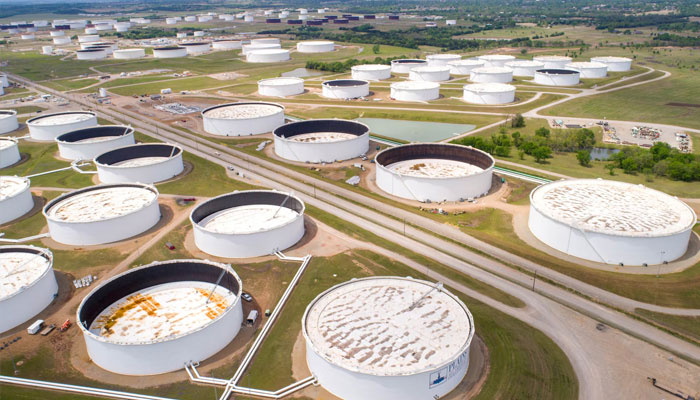
Recent figures released by the U.S. Energy Information Administration (EIA) confirm that both commercial and strategic crude oil reserves have remained under sustained pressure. As of July 10, the country’s commercial crude oil inventories stood at approximately 409.7 million barrels. This represents a level that is nearly 6 percent below the five-year average, indicating that inventories remain significantly lower than what is typically considered normal for this time of year.
Commercial oil inventories play a vital role in meeting the daily energy demands of industries, transportation, and consumers. Lower-than-average stockpiles may leave the market more vulnerable to unexpected supply disruptions, refinery outages, or sharp increases in demand, particularly during periods of economic growth or geopolitical instability.
In addition to commercial reserves, the Strategic Petroleum Reserve (SPR)—the United States’ emergency oil stockpile maintained for national security purposes—has also declined substantially. According to the latest data, the SPR fell to approximately 316.5 million barrels as of July 18, marking its lowest level since April 1983. The Strategic Petroleum Reserve is designed to provide emergency supplies during severe energy crises, natural disasters, or major disruptions in global oil markets.
The continued reduction in the SPR has prompted discussions among energy experts regarding the need to replenish the reserve and strengthen the country’s emergency preparedness. While portions of the reserve have been released in recent years to help stabilize fuel prices and address supply concerns, rebuilding these stockpiles has become an increasingly important policy consideration.
When commercial inventories and the Strategic Petroleum Reserve are combined, the United States’ total crude oil reserves currently stand at approximately 730.8 million barrels. This places overall U.S. oil stockpiles among their lowest levels in more than four decades, underscoring the long-term decline in available reserves.
Energy analysts note that reserve levels alone do not necessarily indicate an immediate shortage, as the United States remains one of the world’s largest oil producers. However, lower inventories reduce the country’s flexibility in responding to unexpected supply shocks or prolonged geopolitical crises.
The sharp decline in U.S. oil reserves serves as a significant reminder of the challenges facing global energy markets. With geopolitical tensions, fluctuating production levels, and evolving energy policies continuing to shape the industry, maintaining adequate strategic and commercial reserves remains a key priority for ensuring long-term energy security and economic stability in the United States.