navy begins testing
|

US Navy begins testing 2,000-nautical-mile underwa…

WASHINGTON: The US Navy has begun testing a new low-cost unmanned underwater vehicle designed to travel more than 2,000 nautical miles, marking another step in the development of long-endurance autonomous maritime technology.

According to US media reports, the new underwater drone, known as HADALUS, has been developed for missions that require long periods of operation without a crew on board. Its developers say the system could offer a lower-cost alternative to other vehicles in the same category.

The 34-foot-long vehicle features a carbon-fibre outer structure and has a cross-section of about six feet. It is equipped with sonar and other electronic systems intended to support underwater operations and data collection.

The reported range of more than 2,000 nautical miles is among the system’s most notable features. Such endurance could allow an unmanned vehicle to operate over considerable distances before returning to its launch area or requiring further support.

The US Navy has increasingly explored unmanned maritime systems as a way to expand underwater surveillance and other capabilities while reducing the need to place personnel directly in potentially hazardous environments.

The HADALUS trials will help assess how the vehicle performs in real-world conditions, including its endurance, navigation, communications and onboard systems.

Developers say keeping the platform relatively inexpensive is another key objective. If testing proves successful, the technology could become part of a broader effort to deploy larger numbers of autonomous underwater vehicles for extended maritime missions.

The latest trial highlights the growing competition among major military powers to develop longer-range, more capable and cost-effective unmanned systems beneath the sea.

Similar Posts

  • | |

    Zimbabwe ferry disaster death toll climbs to 68

    HARARE: The death toll from a ferry disaster on Zimbabwe’s Lake Kariba has risen to 68 after rescuers recovered 22 more bodies, police said on Saturday. The ferry, operated by the government’s Rural Infrastructure Development Agency, overturned on Tuesday while travelling through rough waters. The vessel was carrying villagers and fish traders who rely on the lake for their livelihoods. Authorities said the boat was licensed to carry 90 passengers but had 114 adults and five crew members on board, along with an unknown number of children. The overcrowding has raised concerns about safety standards as the search for the remaining victims continues. Lake Kariba lies along Zimbabwe’s border with Zambia and is a vital source of transport and trade for communities living around the lake.

  • |

    Indian student protest to continue after clashes in Delhi leave nearly 180 injured

    A youth led protest movement in India has vowed to continue demonstrations demanding the resignation of Education Minister Dharmendra Pradhan after violent clashes with police in New Delhi left nearly 180 people injured. The movement, known as the Cockroach Janta Party, cancelled plans for another march to parliament but said protests would continue at the Jantar Mantar demonstration site. Organisers said they wanted to avoid further injuries after Monday’s confrontation with security forces. The campaign began as an online satirical movement but has rapidly grown into one of the biggest public challenges facing Prime Minister Narendra Modi during his third term in office. It has attracted widespread support from young people angered by repeated examination paper leaks and allegations of corruption in India’s education system. Thousands of protesters from Delhi and nearby regions gathered outside parliament on Monday to demand accountability over a national medical entrance examination leak that affected more than two million students earlier this year. The exam had to be conducted again after question papers were leaked, while reports of several student suicides linked to the controversy intensified public outrage. Police used batons and tear gas to disperse demonstrators after violence broke out during the march. According to Delhi Police, more than 118 police and security personnel, along with around 60 protesters, were injured during the clashes. Most of those hurt received medical treatment and were later discharged from hospital. Authorities also detained around 70 protesters and said legal action would be taken against them. Police accused demonstrators of ignoring restrictions on public gatherings and behaving aggressively despite repeated warnings. On Tuesday, around 500 protesters gathered peacefully at Jantar Mantar despite light rain and heavy security across central Delhi. Paramilitary forces remained deployed while barricades were placed on several roads to prevent further unrest. CJP founder Abhijeet Dipke apologised to supporters for the violence they faced during Monday’s protest. He expressed particular concern over female demonstrators who he claimed were assaulted by male police officers during the clashes. Dipke announced that while the movement would continue its campaign, organisers would not attempt another march towards parliament because they feared more young people could be injured. The protest movement gained significant momentum after social activist Sonam Wangchuk joined the campaign with a hunger strike in late June. Wangchuk was later moved to hospital by authorities, a move that further fuelled criticism of the government among supporters. The group’s demands include the resignation of the education minister, the release of Wangchuk and financial compensation for the families of students who reportedly died by suicide following the examination leak. Government officials have indicated they are open to discussions. Health Minister JP Nadda recently met representatives of the movement and requested time to consider their demands. Parliamentary Affairs Minister Kiren Rijiju also called for calm and said ongoing talks should not be disrupted. Opposition parties criticised the government’s handling of the protests and accused authorities of using excessive force against peaceful demonstrators. Leaders of the ruling Bharatiya Janata Party rejected those claims and argued that the violence appeared to have been deliberately provoked. Political analysts believe that even if negotiations reduce immediate tensions, the wider frustration among India’s younger generation is unlikely to disappear. Concerns over unemployment, repeated examination scandals and growing distrust in public institutions continue to drive dissatisfaction, making youth unrest an increasingly important political issue for the government.

  • | | |

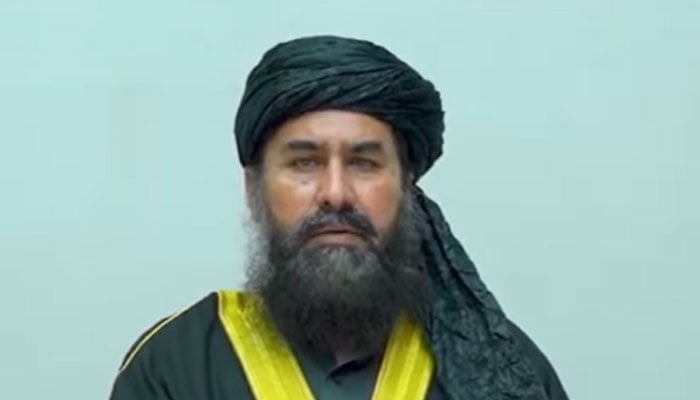
    Militant facilitator Mufti Zafaryab arrested

    Authorities have arrested self-styled cleric Mufti Zafaryab for allegedly facilitating the banned militant group referred to by the Pakistani government as Fitna al-Khawarij. According to an official statement, the suspect said he completed an eight-year Dars-e-Nizami course at Jamia Nizam-ul-Uloom, Yateem Khana, Bannu, and later completed a three-year specialization in Islamic jurisprudence (Takhassus fi al-Fiqh) at Al-Markaz Al-Islami, Ghoriwala. In a recorded statement, Zafaryab admitted that he had been in contact with militant commander Hikmat Roshan. He said state institutions were aware of his links, which ultimately led to his arrest. The suspect alleged that the militant commander sought religious rulings from him to justify extortion carried out in the name of jihad. He further claimed that he, along with several others, had been offered positions and financial incentives by the group. Expressing remorse, Zafaryab said he regretted his actions and stated that the group has no connection with Islam. He described its activities and ideology as un-Islamic and contrary to Sharia. He also said the militant group promotes extremist beliefs and considers the killing of Muslims to be permissible, rejecting its ideology and distancing himself from its actions. The arrest comes as security forces continue counterterrorism operations against militant groups across the country.

  • | | |

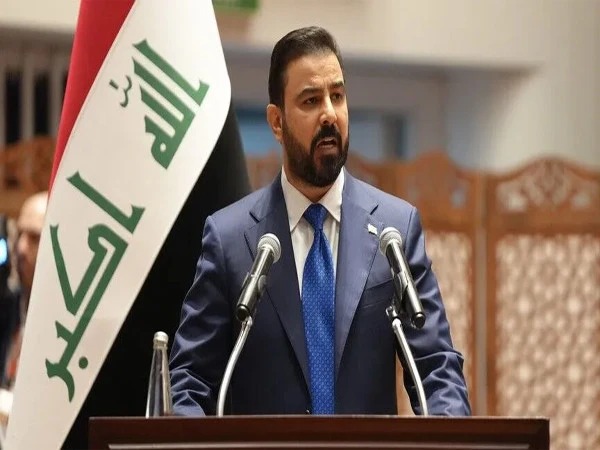
    Iraq orders investigation into alleged drone attac…

    The Iraqi government has launched an official investigation into allegations that drones used in attacks on Saudi Arabia were launched from Iraqi territory. The move follows information shared by Saudi authorities and reflects Baghdad’s commitment to ensuring its land is not used to threaten neighboring countries. According to a statement issued by the office of the Iraqi prime minister, Prime Minister Ali Al-Zaidi, who also serves as the Commander-in-Chief of the Iraqi Armed Forces, has instructed the relevant security agencies to conduct a comprehensive investigation into the reported drone incidents. The government said the investigation will examine all evidence and information provided by Saudi Arabia to determine whether Iraqi territory was used in planning or carrying out the attacks. Officials emphasized that the inquiry will be conducted thoroughly and that any individuals or groups found responsible will face legal action in accordance with Iraqi law. Baghdad reiterated its constitutional commitment to maintaining good relations with neighboring countries and stressed that it does not permit its territory to be used for attacks against friendly or brotherly nations. The statement underlined Iraq’s policy of respecting the sovereignty and security of regional partners while working to preserve stability across the Middle East. The Iraqi government also described its relationship with Saudi Arabia as strong and based on mutual respect and cooperation. Officials said they are determined to protect these ties and will not allow any actions that could damage bilateral relations or create unnecessary regional tensions. The investigation comes at a time when security concerns remain high across the Middle East. Governments in the region continue to cooperate on intelligence sharing and border security to address threats posed by cross-border attacks and other security challenges. By launching the investigation promptly, Iraqi authorities aim to clarify the circumstances surrounding the alleged drone attacks and demonstrate their commitment to accountability. The government has pledged to take appropriate legal measures if the investigation confirms that Iraqi territory was misused for hostile activities. The latest development also highlights the importance of regional cooperation in addressing shared security concerns. Iraq has reaffirmed that maintaining peaceful relations with neighboring states remains a key priority and that it will continue working with Saudi Arabia and other regional partners to promote stability, strengthen diplomatic ties, and prevent incidents that could escalate tensions in the region. The move follows information shared by Saudi authorities and reflects Baghdad’s commitment to ensuring its land is not used to threaten neighboring countries. According to a statement issued by the office of the Iraqi prime minister, Prime Minister Ali Al-Zaidi, who also serves as the Commander-in-Chief of the Iraqi Armed Forces, has instructed the relevant security agencies to conduct a comprehensive investigation into the reported drone incidents. The government said the investigation will examine all evidence and information provided by Saudi Arabia to determine whether Iraqi territory was used in planning or carrying out the attacks. Officials emphasized that the inquiry will be conducted thoroughly and that any individuals or groups found responsible will face legal action in accordance with Iraqi law. Baghdad reiterated its constitutional commitment to maintaining good relations with neighboring countries and stressed that it does not permit its territory to be used for attacks against friendly or brotherly nations. The statement underlined Iraq’s policy of respecting the sovereignty and security of regional partners while working to preserve stability across the Middle East. The Iraqi government also described its relationship with Saudi Arabia as strong and based on mutual respect and cooperation. Officials said they are determined to protect these ties and will not allow any actions that could damage bilateral relations or create unnecessary regional tensions. The investigation comes at a time when security concerns remain high across the Middle East. Governments in the region continue to cooperate on intelligence sharing and border security to address threats posed by cross-border attacks and other security challenges. By launching the investigation promptly, Iraqi authorities aim to clarify the circumstances surrounding the alleged drone attacks and demonstrate their commitment to accountability. The government has pledged to take appropriate legal measures if the investigation confirms that Iraqi territory was misused for hostile activities. The latest development also highlights the importance of regional cooperation in addressing shared security concerns. Iraq has reaffirmed that maintaining peaceful relations with neighboring states remains a key priority and that it will continue working with Saudi Arabia and other regional partners to promote stability, strengthen diplomatic ties, and prevent incidents that could escalate tensions in the region.

  • | | |

    Pakistanis get relief as US visa policy overturned

    A US federal judge has struck down a State Department policy that suspended immigrant visa processing for applicants from Pakistan and 74 other countries. US District Judge Jeannette Vargas issued the ruling in Manhattan, finding that the policy exceeded the legal authority of Secretary of State Marco Rubio. The State Department had introduced the suspension in January, preventing consular officials from issuing immigrant visas to applicants based solely on their nationality. Judge Vargas described the policy as unlawful and said it conflicted with federal immigration law. She ruled that the law does not give the Secretary of State the authority to impose a blanket suspension on immigrant visa issuance based on an applicant’s nationality. The policy affected applicants from a wide range of countries, including Pakistan and Bangladesh in South Asia. Several countries in Latin America, the Balkans, Africa, the Middle East and the Caribbean were also included. US authorities had defended the measure by arguing that applicants from the listed countries were considered more likely to become dependent on government-funded assistance after entering the United States. The ruling came in a case brought by immigrant rights organisations, visa applicants and US citizens sponsoring family members from the affected countries. The plaintiffs challenged the State Department’s decision, arguing that the blanket suspension unlawfully restricted access to the immigrant visa process. The decision represents a legal setback for the Trump administration, which has pursued tougher immigration policies since returning to office. The administration has said its immigration measures are intended to strengthen national security and reduce pressure on public resources. Immigrant rights groups, however, have criticised several aspects of the crackdown. They have raised concerns about due process, discrimination and the treatment of ethnic minorities. The State Department had not immediately issued a response to the judge’s decision.

  • | |

    Mohsin Naqvi’s statement reflects personal o…

    Director General of Inter-Services Public Relations (ISPR) Lieutenant General Ahmed Sharif Chaudhry on Friday said Pakistan’s security depends on effective governance, stressing that terrorists must either surrender under the Constitution and the law or face continued military action. Speaking at a media briefing in Rawalpindi, the military spokesperson said Interior Minister Mohsin Naqvi’s recent remarks about the country’s governance system reflected his personal opinion and declined to comment further. However, he emphasized that good governance remained essential for ensuring national security and long-term stability. The DG ISPR said the National Action Plan continued to enjoy consensus among all major political parties and noted that most of its objectives, including countering extremism, disrupting terror financing and strengthening institutions, relied on strong governance. He added that Pakistan’s growing population made administrative efficiency more important than ever and said citizens had the right to effective governance. Over 40,000 Counterterrorism Operations Conducted Providing an update on security operations, Lt Gen Chaudhry said security forces had carried out 40,348 intelligence-based operations across Pakistan so far in 2026. He said 2,084 confirmed terrorists had been killed during these operations, averaging nearly 194 operations and 10 militant deaths every day. He added that the highest number of operations had been conducted in Balochistan, while 1,971 operations were carried out in Khyber Pakhtunkhwa. According to the military spokesperson, 819 people, including security personnel and civilians, embraced martyrdom during counterterrorism efforts this year, while 28 suicide attacks were recorded nationwide. He also alleged that Afghan nationals were involved in recent terrorist attacks in Tank and Karachi. No Negotiations With Armed Militants The DG ISPR made it clear that there would be no negotiations with armed militant groups. He said militants had only two options: surrender under the Constitution and the law or face continued action by security forces. Explaining the concept of a “hard state,” he said it did not refer to military rule but rather to a country where every individual is equal before the law and all matters are resolved through constitutional and legal mechanisms. Balochistan Facing Coordinated Propaganda Addressing the security situation in Balochistan, Lt Gen Chaudhry said a deliberate campaign was underway to create a false perception that the province was in crisis. He said the Constitution required every citizen to remain loyal to the state and argued that rights should always be accompanied by responsibilities. The DG ISPR alleged that certain elite groups and tribal leaders opposed social progress because they wanted to preserve the existing power structure. He said the state would continue engaging directly with the people of Balochistan instead of those seeking to obstruct development. Highlighting development initiatives, he said Gwadar now had modern healthcare facilities, educational institutions, industrial free zones and major infrastructure projects. He added that Balochistan’s per capita budget allocation exceeded Rs75,000, making it the highest among Pakistan’s provinces. He also said terrorists deliberately targeted labourers, teachers and development projects to slow the province’s progress. Missing Persons and Regional Security On the issue of missing persons, the military spokesperson said the Commission of Inquiry on Enforced Disappearances had received 10,901 cases, of which 9,372 had already been resolved. He stressed that every reported case required proper identification and verification. The DG ISPR further claimed that following what he described as Pakistan’s success during Operation Marka-e-Haq, hostile elements had shifted their focus toward destabilising Balochistan. He alleged that India and the Afghan Taliban regime shared an agenda of supporting terrorism against Pakistan.

Leave a Reply

Your email address will not be published. Required fields are marked *