saudis biggest oil
|

Saudi’s biggest oil refinery hit with missile, say Yemen’s Houthis

DUBAI, UAE – Yemen’s Iran-aligned Houthis said on Tuesday, October 27, they had hit Saudi Arabia’s Ras Tanura oil refinery, the ⁠biggest in the kingdom, with a ballistic missile.

Intensifying hostilities between Yemen and Saudi Arabia have further disrupted oil supplies and heightened the risk of a wider regional conflict, eight months since the Iran war began.

The Houthis also said they had attacked Saudi military aircraft and repelled an advance by Saudi-backed forces near the Bab el-Mandeb Strait, an important Red Sea shipping route.

The Houthis’ military spokesperson, Yahya Saree, said the strike on the Ras Tanura refinery had caused a fire at the complex, which also includes a shipping terminal and is located on the Gulf, west of the Strait of Hormuz.

Saudi authorities did not immediately confirm the strike.

Ras Tanura, which has a capacity of 550,000 barrels per day, was shut for a period in the early months of the Iran war as a precautionary measure.

Nearly all Saudi Arabia’s oil exports flow through two main ports: Ras Tanura in the Gulf and Yanbu on the Red Sea, both of which the Houthis have attacked in the past.

Bloomberg News cited a person familiar with the matter as saying Saudi Arabia had contained a fire near Ras Tanura’s terminal.

Airstrikes

The ​Houthis said they had attacked two military transport jets at Najran Airport and an airbase in Khamis Mushait. They also said they attacked the Saudi defense ministry building in Riyadh, and Abha airport.

There was no immediate Saudi confirmation of the attacks.

On Tuesday afternoon, civil defense authorities briefly issued an air raid alert in the Saudi capital Riyadh.

Falling debris from the interception of two ballistic missiles over Riyadh caused material damage to a building, a construction site and a vehicle, the Saudi Civil Defense said later on Tuesday.

The Saudi-led coalition fighting the Houthis in support of Yemen’s internationally recognized government said it had intercepted and destroyed two ballistic missiles launched by the Houthis towards Riyadh.

The Houthis said they had repelled an advance by forces they described as Saudi-backed from the southern approaches to the Bab el-Mandeb Strait.

Saudi-backed Yemeni government forces earlier this month pushed the Houthis out of coastal areas they had seized in September, loosening the group’s grip on a vital Red Sea oil route.

Houthi-affiliated Al Masirah TV reported Saudi strikes on the Yemeni city of Mocha. There was no immediate Saudi confirmation.

The fighting has shattered a 2022 UN-brokered truce between the coalition and the Houthis, who control the Yemeni capital Sanaa.

On Monday, October 26, Saudi Arabia, Turkey and Pakistan met Iranian officials in Tehran to try to reduce regional tensions.

Parliament in Egypt, which has said it is considering joining the three countries in a mutual defense pact, authorized Egypt’s military on Monday to help defend Saudi Arabia if asked. – Rappler.com

Similar Posts

  • | | |

    Iran executesan accused of helping US, Israel duri…

    TEHRAN: Iran has executed a man accused of supporting the United States and Israel during the country’s January anti-government protests, adding to growing international concern over Tehran’s use of capital punishment against people linked to the unrest. Iranian judicial authorities identified the man as Majid Adineh, saying he was arrested during the protests and accused of involvement in activities carried out in support of groups considered hostile to Iran. According to the judiciary, Adineh was accused of deliberately committing arson, participating in gatherings aimed at undermining national security and conspiring against the state. Authorities also alleged that he had worked with opposition groups linked to the United States and Israel. Iran’s judiciary said the Revolutionary Court in Karaj convicted him after considering documents, evidence and statements attributed to the defendant. The court also ordered the confiscation of his property. The allegations could not be independently verified, and the account published by Iranian authorities did not include comments from Adineh’s lawyer or family. The execution comes amid an increasingly severe crackdown following nationwide protests that began in late December and expanded across Iran in January. The demonstrations were initially fuelled by economic grievances but quickly developed into broader anti-government protests. Iranian authorities have repeatedly described some protesters as agents or operatives working for foreign enemies, while rights organisations have challenged the fairness of several cases brought against demonstrators. The latest execution also follows a broader increase in executions connected to the unrest. The UN human rights chief said earlier this month that Iran had executed at least 56 people on national-security-related charges since March 19, including 27 people linked to the anti-government protests. Human rights organisations have warned that dozens of other protesters remain at risk of execution. Amnesty International said in July that at least 60 people, including some who were children when arrested, were at risk after receiving death sentences connected to the protests. The UN’s Iran fact-finding mission has also urged Tehran to halt executions linked to the protests, expressing concern over accelerated proceedings and allegations surrounding the fairness of trials. Iran, however, maintains that its courts are dealing with serious national-security offences and that capital punishment is lawful. The executions have intensified debate over the government’s response to dissent. While officials portray the cases as necessary measures against threats to national security, rights groups argue that protesters and political dissidents are being subjected to harsh sentences after proceedings that fail to meet international fair-trial standards. With further cases reportedly moving through Iran’s Revolutionary Courts, the execution of Adineh is likely to renew scrutiny of Tehran’s treatment of those accused of involvement in the January protests.

  • | |

    Frankfurt airport worker dies in rare malaria outb…

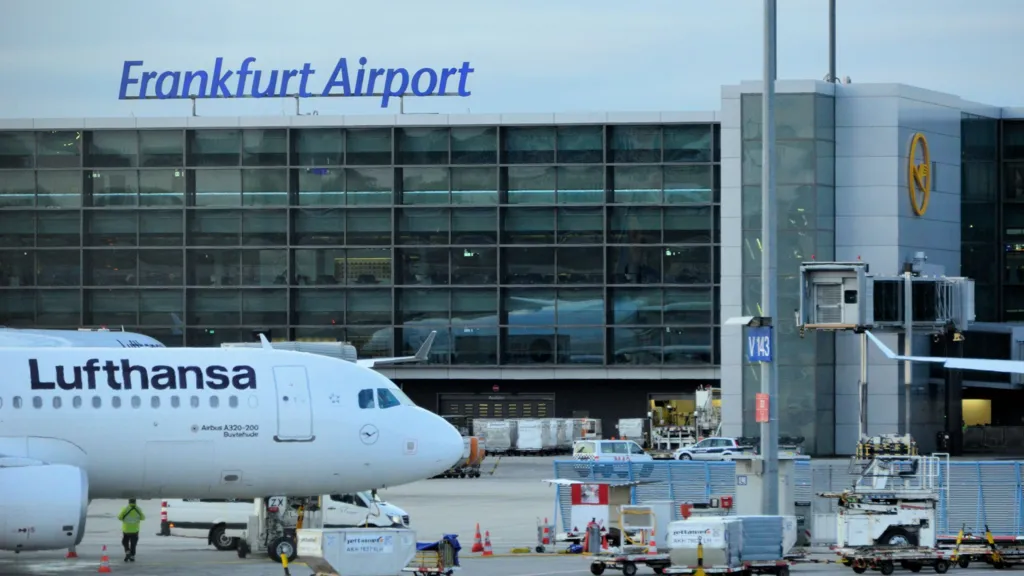
    A worker at Frankfurt Airport has died after contracting malaria during a rare outbreak that has now infected six employees at Germany’s busiest airport, with health officials saying mosquitoes likely arrived on an incoming flight and spread the disease among ground staff. The remaining five infected workers are currently receiving medical treatment, according to a spokesperson for Fraport, the company that operates the airport. Officials have installed mosquito traps around the airport grounds, and any insects captured will undergo laboratory analysis to determine their species and point of origin. The Fraport spokesperson confirmed to the BBC that one employee died as a result of the infection, and said the company has shared detailed information with all staff members while urging anyone experiencing symptoms to see a doctor promptly. Reports in July indicated the outbreak initially involved four infected workers. The Robert Koch Institute, a German federal agency responsible for disease control and public health research, said at the time that the four employees became ill between July 4 and July 6, and that mosquitoes carrying the disease had entered the country aboard an aircraft. According to the institute, malaria cases in Germany almost always involve long haul travelers who contracted the disease while visiting regions where malaria remains endemic, making transmission within a German airport an unusual occurrence. The institute noted in its epidemiological bulletin that the absence of a travel history in such cases can delay diagnosis, and that a delayed diagnosis raises the risk of a more severe illness. The institute also said the last documented case of airport acquired malaria in Germany occurred in 2023, also at Frankfurt Airport. The Frankfurt Public Health Department is leading the investigation into the current outbreak. According to the World Health Organization, malaria spreads through the bites of certain mosquito species and occurs predominantly in tropical regions. The disease results from a parasite rather than direct person to person transmission, and while it remains both preventable and curable, symptoms can range from mild to life threatening depending on how quickly treatment begins. The airport has stepped up surveillance measures following the outbreak, and health authorities continue monitoring the situation as they work to determine exactly how the mosquitoes entered the facility and whether additional cases might emerge among airport staff or travelers who passed through the terminal during the affected period.

  • | |

    Chelsea complete £52 million signing of France defender Maxence Lacroix from Crystal Palace

    Chelsea have signed France international defender Maxence Lacroix from Crystal Palace in a deal reported to be worth 52 million pounds, or roughly 69 million dollars. Lacroix has put pen to paper on a six year contract with the Blues and will now join his new teammates for pre season training. The 26 year old has earned seven caps for France and featured for his country at the recent World Cup. Speaking after the move was confirmed, Lacroix said he felt proud to become part of a club with Chelsea’s history and winning tradition. He said his conversation with the club’s manager convinced him they share the same vision and ambition, adding that the quality of the squad and the resources around the club make winning trophies a realistic goal he is eager to help achieve. Lacroix joined Crystal Palace from Wolfsburg in 2024 and went on to make 98 appearances for the club. During his time at Selhurst Park, he helped Palace win the FA Cup, the UEFA Conference League and the Community Shield. The defender becomes the latest addition to new Chelsea manager Xabi Alonso’s rebuilding effort this close season. Alonso has already overseen a British record 117 million pound deal for Aston Villa forward Morgan Rogers and a 47 million pound move for Atalanta right back Marco Palestra. Winger Geovany Quenda and forward Emmanuel Emegha have also joined the club, completing transfers that were initially agreed last year. Chelsea have further been linked with moves for Brighton striker Danny Welbeck and Brentford midfielder Jordan Henderson. Alonso took charge of the club on July 1 and is tasked with reviving a Chelsea side that finished a disappointing 10th in the Premier League last season, a result that left the club without European football for the upcoming campaign.

  • | |

    Nestle turns to AI to build products for weight lo…

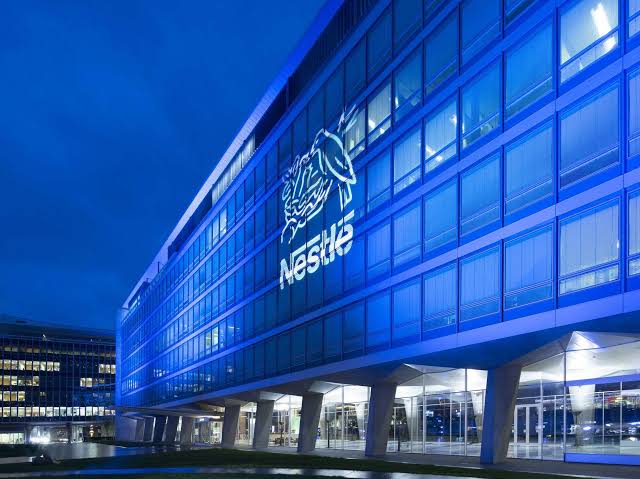
    Nestle is working to convert the rapid rise of GLP-1 weight loss drugs from a business threat into an opportunity, deploying artificial intelligence and nutritional research to develop products aimed at the millions of consumers now taking medications like Ozempic and Wegovy. The fast growing adoption of drugs made by Novo Nordisk and Eli Lilly has raised concerns among investors that appetite suppressing medications could permanently dent demand for packaged foods, snacks and beverages. Nestle sees the same trend differently, believing the drugs are creating a new market for products that address the side effects associated with rapid weight loss. Chief Technology Officer Stefan Palzer told a foreign news agency that Nestle is using artificial intelligence and other technology to analyze clinical research, identify effective nutrient combinations and build products tailored specifically to GLP-1 users. He said the company believes its existing product portfolio positions it well to capture what he described as a major opportunity. Materials shown to reporters outlined side effects tied to rapid weight loss, including muscle loss and the loss of facial volume sometimes referred to informally as Ozempic face, along with areas where Nestle believes its products could help address those issues. The GLP-1 drug market remains dominated by Eli Lilly’s Mounjaro and Zepbound alongside Novo Nordisk’s Wegovy and Ozempic. Roughly 16 million Americans currently take GLP-1 medications, according to Boston Consulting Group, a number expected to grow significantly by the end of the decade. Nestle’s strategy centers on developing products suited to the needs of weight loss drug users while relying on AI to speed up research, product development and consumer analysis. Addressing side effects directly Palzer said Nestle scientists have spent time studying the downstream effects of rapid weight loss and building products intended to help consumers manage them. The company uses AI tools to process large volumes of clinical research and identify nutrient combinations that may support muscle health, hydration and overall nutritional intake. Nestle has already begun adding collagen protein to products under its Vital Proteins brand to address concerns about skin, hair and nail health linked to rapid weight loss. In the United States, Nestle’s business created the Boost Advanced Nutrition Shake, marketed as containing 35 grams of protein to support muscle health during weight loss. In Asia and Australia, the company introduced a higher protein version of its Milo malt drink called Milo PRO High Protein. Rival ice cream makers are grappling with similar pressures, shifting toward higher protein products, smaller portions and simpler ingredient lists. An AI powered recipe database Artificial intelligence plays an increasingly central role throughout Nestle’s product development process. The company has built internal systems to analyze scientific literature, simulate consumer behavior, spot emerging trends and help product developers navigate a database containing roughly 120,000 recipes. One such tool, an internal platform called Food Genie, helps scientists and developers predict how recipes might perform and identify opportunities for reformulation, according to Palzer. He said the scale of Nestle’s recipe database gives the company an advantage, noting that a smaller company with only a thousand recipes would struggle to model and predict outcomes using AI, since the technology depends heavily on large volumes of data. Nestle is also testing AI driven consumer simulations designed to predict how shoppers will respond to new products and health claims before they reach store shelves, and the company uses AI to monitor social media activity and identify emerging consumer trends. Palzer said the technology helps distinguish genuine, lasting trends from short term noise around particular topics, and said he expects AI to play a growing role in that kind of trend analysis going forward. Skepticism remains among some experts Not everyone is convinced specialized products offer meaningful advantages over conventional food. Amanda Avery, an associate professor of nutrition and dietetics at the University of Nottingham in central England, said it is unfortunate that consumers keep turning to new, more expensive products that often contain the same protein and nutrients found in whole, fresh foods. She noted that meat, fish, eggs, dairy, beans, nuts and pulses remain relatively affordable sources of protein and other nutrients. Even so, Avery said she expects products marketed specifically to GLP-1 users to find a ready customer base, acknowledging that marketing exerts significant influence over consumer choices and suggesting Nestle has likely done its homework before entering the space.

Leave a Reply

Your email address will not be published. Required fields are marked *