former abbot wat

Former Abbot of Wat Rai Khing Jailed for 50 Years Over 2 Billion Baht Fraud

NAKHON PATHOM — The former abbot of one of Thailand’s most well-known temples has been sentenced to 50 years in prison for conspiring with other defendants to embezzle approximately 2 billion baht from temple funds, in a corruption case that has shaken public confidence in the country’s Buddhist clergy.

Police Raid Renowned Temple in $9M Abbot Embezzlement Scandal

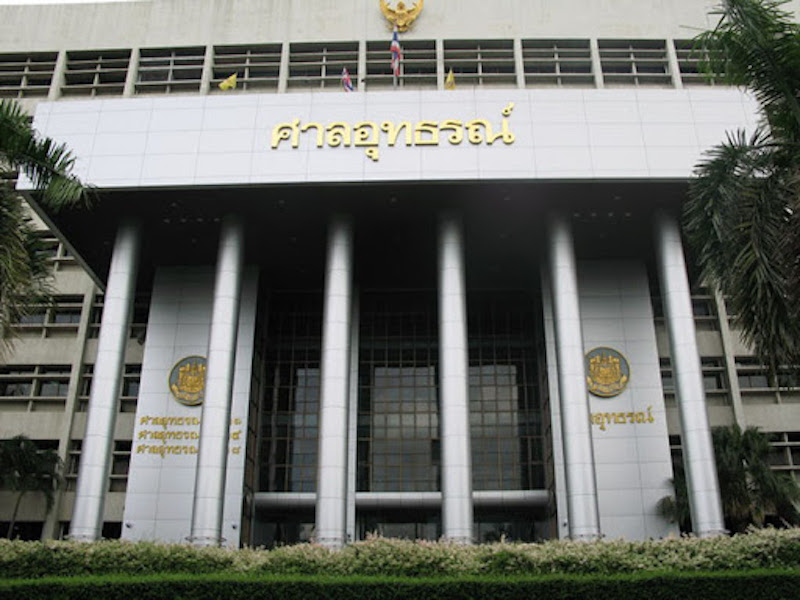
The Central Criminal Court for Corruption and Misconduct Cases also ordered 70-year-old Yaem Intrangkrungkao, formerly known as Phra Dharma Wachiranuwat, to return 28 million baht to the temple. The sentence represents a dramatic fall from grace for a man who was once revered by thousands of devotees who flocked to Wat Rai Khing in Nakhon Pathom province.

After examining the evidence, the court sentenced four other defendants in connection with the sprawling fraud. A woman identified as Aranyawan, described as an online gambling broker, along with former monk Maha Ekphot and Petty Officer First Class Chatchai, who received transferred funds on behalf of the former abbot, were each sentenced to eight years in prison. Another defendant, Patcharaporn, described as a close associate of the former abbot who managed rental operations within the temple, was acquitted due to insufficient evidence linking her to the conspiracy.

The case dates back to mid-2025, following complaints calling for an investigation into Wat Rai Khing’s finances after suspicious activities were discovered. The complaints suggested that the abbot had engaged in systematic corruption by misappropriating temple donation funds for improper personal purposes. In response, officers from the Central Investigation Bureau went undercover as monks to examine the temple’s operations and the abbot’s financial management from within, an unusual step that underscored the seriousness of the allegations.

Investigators uncovered evidence that the former abbot had spent both temple and foundation funds on non-temple-related expenses between 2021 and 2024, totalling more than 2 billion baht. Financial records showed that more than 63 million baht was transferred to Aranyawan’s account, over 113 million baht to the account of Maha Ekphot, a monk affiliated with the temple, and another 63 million baht to Chatchai’s account. All of these transactions were ultimately linked to bank accounts associated with online gambling websites, suggesting that donations intended for the temple were instead funneled into illegal betting operations.

Kind-hearted beggar who once donated over 1 million baht expelled from temple

The once-revered abbot was defrocked in mid-May last year, stripping him of his monastic title and robes before he could face criminal proceedings. The 50-year prison sentence, handed down by the Central Criminal Court for Corruption and Misconduct Cases, reflects the severity of the offences and the massive scale of the fraud. For the thousands of devotees who trusted the former abbot with their donations, the verdict brings a measure of justice—but also a lingering sense of betrayal. A man who was supposed to embody spiritual virtue instead used his position to line his own pockets and fund illegal gambling, leaving a stain on one of Thailand’s most respected temples.

-Thailand News (TN)
Similar Posts

  • | |

    PTI backs new provinces with constitutional consen…

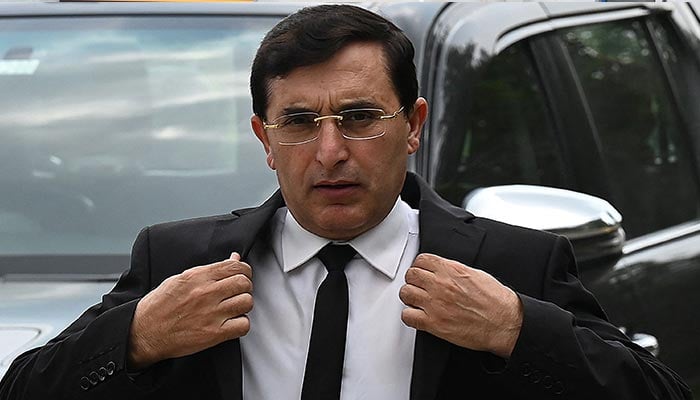
    PTI Chairman Gohar Ali Khan has voiced support for the creation of new provinces, saying administrative reforms are needed to improve governance, but stressed that any such move must be carried out strictly under the Constitution and with broad political consensus. Speaking during a television interview on Thursday, Gohar described the formation of new provinces as a national necessity. However, he emphasized that constitutional requirements must be fulfilled, including securing a two-thirds majority in the relevant provincial assemblies before any proposal could move forward. The PTI chairman also expressed skepticism about Prime Minister Shehbaz Sharif completing his full five-year constitutional term, though he did not elaborate on the reasons behind his remarks. The debate over creating new provinces gained momentum after Interior Minister Mohsin Naqvi recently argued that Pakistan’s governance system had become ineffective and required major structural reforms, including the establishment of additional administrative units. Naqvi later clarified that his comments reflected concerns about the country’s governance over several decades rather than criticism of the current government. The proposal has drawn mixed political reactions. Murad Ali Shah firmly rejected any suggestion of dividing Sindh, stating that the provincial assembly has repeatedly passed unanimous resolutions opposing such a move. He maintained that any change would require constitutional approval through a two-thirds majority in the concerned assembly. Meanwhile, Prime Minister’s Adviser Rana Sanaullah distanced the government from Naqvi’s remarks, describing them as the minister’s personal opinion. He said any discussion on creating new provinces should take place in parliament and follow the constitutional process. Sanaullah noted that establishing new provinces involves complex constitutional, financial and administrative considerations, including representation in parliament and resource distribution.

  • | |

    12 Pakistani and foreign groups submit bids to acq…

    Twelve business groups, including eight prominent Pakistani conglomerates and four foreign firms, have formally expressed interest in acquiring majority stakes in the Faisalabad Electric Supply Company (Fesco), marking the government’s most serious attempt in a decade to privatise the profitable power distribution utility. The Privatisation Commission released the list of interested parties on Friday after the extended deadline for expressions of interest closed. The development represents a major milestone for Pakistan’s long delayed plan to sell off state owned power distribution companies, a process that stalled in 2016 when the previous government abandoned the sale just before bidding began. The federal cabinet has already authorised the sale of majority stakes in three of the country’s most profitable power distribution companies, positioning Fesco as the first test case in the broader privatisation drive. Local business families dominate interest Eight of the twelve groups that submitted expressions of interest are well established Pakistani business families with deep roots in energy, textiles, automobiles and cement manufacturing. A consortium formed by Nishat Mills, controlled by one of Pakistan’s wealthiest businessmen, Mian Mohammad Mansha, and Pak Elektron Limited, owned by the Saigal family, has entered the race. Mansha also participated in the failed 2015 to 2016 bidding round for the same company. The Saigal family additionally submitted separate bids through Maple Leaf Cement and Kohinoor Textile Mills, giving the family multiple entry points into the process. Other major local contenders include Engro Energy Limited, part of the Dawood family’s diversified business empire, and Sapphire Fibers Limited, owned by the Abdullah family. Hub Power Holdings, controlled by the Habibullah Khan family and already a significant player in Pakistan’s power sector, has also thrown its hat in the ring, alongside Lucky Cement, owned by the Mohammad Ali Tabba family. Lucky Cement previously finished as runner up in the privatisation of Pakistan International Airlines. Shirazi Investments, which also holds interests in the automobile sector, and Artistic Milliners, owned by the Yaqoob family, rounded out the list of local applicants. K-Electric, Pakistan’s largest integrated power generation and distribution company, submitted documents as well, even as its Saudi and Kuwaiti shareholders pursue international arbitration against the government over a blocked 1.7 billion dollar Chinese investment in the company. Foreign firms from Turkey and China join the race Four international firms rounded out the list of interested parties. Three Turkish companies, Aktor Elektrik Enerji Yatirimlari, Genvera Enerji (part of the Celik Group) and Cengiz Enerji Sanayii ve Ticaret, submitted bids alongside Chinese firm Jiang Xi Electric Power Construction. Officials noted that firms qualifying technically and financially for Fesco will also be eligible to bid for two additional distribution companies, Gujranwala Electric Power Company and Islamabad Electric Supply Company, if they fail to win Fesco. This flexibility likely contributed to the strong turnout, as qualified investors gain multiple chances to enter Pakistan’s power distribution market. Government hails strong investor response Muhammad Ali, Adviser to the Prime Minister on Privatisation and Chairman of the Privatisation Commission, called the response a significant milestone in the broader privatisation of state owned distribution companies. He said the strong interest in Fesco reflects investor confidence in the growth potential of Pakistan’s electricity distribution sector and in the government’s commitment to running a transparent and competitive process. Ali added that the commission will now engage with prequalified investors through detailed due diligence and begin discussing the structure of the post-privatisation regulatory regime. He said the sale aims to improve operational efficiency, modernise ageing distribution infrastructure, strengthen customer service and reduce financial losses across the sector, ultimately supporting more competitive electricity distribution and more affordable, reliable power for consumers. The expressions of interest and accompanying statements of qualification will undergo evaluation against the prequalification criteria set by the commission. Groups that meet the requirements will move to the next stage, gaining access to a virtual data room to conduct detailed buy side due diligence on Fesco’s operations and finances. Concerns remain over guaranteed returns and uniform pricing Despite the enthusiastic response, some analysts have raised concerns about the government’s proposal to guarantee investors a minimum return of 13 percent, warning that such guarantees could discourage efficiency gains and slow technological upgrades at the privatised utility. Questions also remain over whether the government will maintain uniform electricity pricing nationwide after privatisation, a policy that would keep subsidy costs on the federal budget rather than shifting the burden fully to market pricing. Fesco is one of three companies included in the first batch of distribution company privatisations, alongside Gepco and Iesco. The deadline for expressions of interest in Gepco is set for 21 August 2026, while Iesco’s deadline falls on 7 September 2026. Fesco’s financial position underscores its appeal Financial data from the finance ministry’s Central Monitoring Unit shows Fesco held total assets worth 410.3 billion rupees as of June last year, against liabilities of 347 billion rupees. The company posted net positive equity of 63 billion rupees, which climbed 28 percent due to share deposits and asset revaluation gains. Non-current liabilities stood at 217.6 billion rupees, with staff retirement benefits accounting for the largest share at 123 billion rupees. Current liabilities totalled roughly 130 billion rupees, including trade payables of 118 billion rupees. The company reported a profit after tax of 9.4 billion rupees for the period. With twelve qualified groups now in the running, the Fesco privatisation stands as a critical test of investor appetite for Pakistan’s power sector reforms and could shape the pace and structure of future electricity distribution company privatisation efforts.

  • | |

    Gaza funeral held for 112 bodies retrieved from ru…

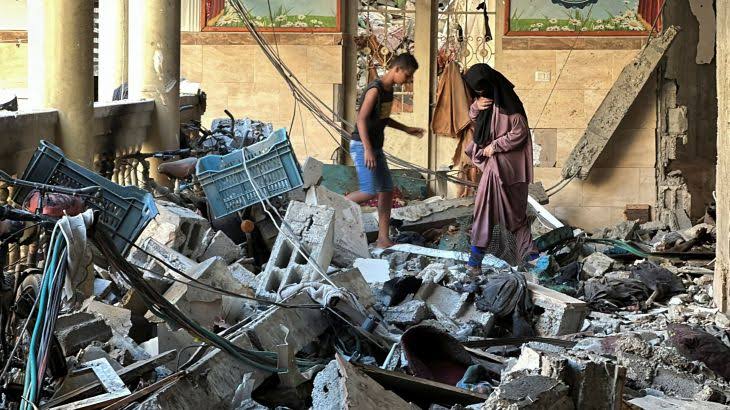
    Palestinians in Gaza held funeral prayers on Tuesday for 112 people whose remains were recovered from the rubble of homes destroyed during the war between Israel and Hamas. Thousands of mourners gathered for the funeral in Gaza City’s Sabra neighborhood, where the bodies, draped in Palestinian flags, were laid out near the ruins of the destroyed homes before the procession began. The victims are set to be buried afterward at the Baptist Cemetery in the Zeitoun neighborhood, south of Gaza City. The dead belonged to the Al Hasayneh and Abu Sharia families, who were killed when their homes were bombed while they were sheltering inside on November 23, 2023. Given the scale of the casualties, the funeral ranks among the largest recorded in Palestinian history. Civil defense teams recovered the bodies from the rubble on Saturday. A Civil Defence statement said the victims included 40 children, 38 women and seven people with disabilities. Civil Defence official Mohammad Abu Dan said search teams have so far been unable to locate 157 additional bodies still believed to be buried under the rubble. More than 73,000 people have been killed and over 174,000 injured in Gaza since the war began in October 2023, according to local health authorities. Despite a ceasefire agreement that took effect on October 10, 2025, Israeli forces have continued carrying out attacks across the territory, killing 1,250 Palestinians and injuring 4,110 others since the truce began, Gaza’s Health Ministry said. Palestinian authorities estimate that around 9,500 people remain missing under the rubble of buildings destroyed across the territory. A day earlier, at least 19 Palestinians were killed by Israeli fire over a 24 hour period, pushing the overall death toll since October 2023 to 73,375, according to the Health Ministry. Officials said the toll included 18 people killed directly by Israeli forces and one person who died from wounds sustained in an earlier attack. The ministry reported that 35 additional injured people were taken to hospitals during the same period, bringing the total number of injuries to 174,220. The ministry said Saturday that 152 people were killed in Gaza during July, the highest monthly death toll recorded since the start of the year, despite the ceasefire that took effect in October 2025. The truce followed nearly two years of war that began on October 8, 2023, and caused widespread destruction across the territory, affecting an estimated 90 percent of civilian infrastructure. The United Nations has put the cost of reconstruction at approximately 70 billion dollars, underscoring the scale of rebuilding that lies ahead even as sporadic violence continues despite the formal end of large scale hostilities.

  • Thai PM Anutin Says Koh Kood Remains Thai

    CEBU — Prime Minister Anutin Charnvirakul has forcefully pushed back against what he described as false claims circulating on social media, insisting that Koh Kood remains unequivocally part of Thailand following the government’s decision to cancel a 2001 memorandum of understanding concerning overlapping maritime claims in the Gulf of Thailand. Anutin Urges Fresh Start in […]

  • Former People’s Party MP Sentenced to Prison for Draft Evasion

    BANGKOK – Former People’s Party MP for Chachoengsao province, Jirat Thongsuwan, was sentenced to two years in prison today after being found guilty by the Criminal Court on charges of using falsified documents to evade military conscription. People’s Party Leader Vows to Continue Pushing for Amendment of Lese-Majeste Law The case followed a complaint filed […]

  • | |

    JPMC doctor seeks relief amid patient death contro…

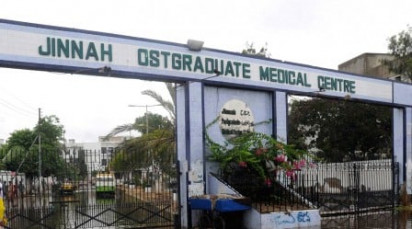
    A senior doctor at Jinnah Postgraduate Medical Centre (JPMC) has asked to step down from her responsibilities amid controversy surrounding the death of a 65-year-old patient who was shifted from the hospital’s emergency department to the National Institute of Cardiovascular Diseases (NICVD) on July 28. Dr Sanobar Sikandar, JPMC’s only senior emergency medicine specialist, submitted a request to the hospital’s Executive Director seeking relief from her duties as an assistant professor of medicine. She cited mounting professional pressure, internal interference and what she described as an unhealthy working environment. Dr Sanobar said the hospital administration criticised her after asking her to explain the circumstances surrounding the patient’s death. She said the situation had made it increasingly difficult for her to continue managing her medical, teaching and administrative responsibilities effectively. In her application, she highlighted what she described as a lack of professional respect in the emergency department, political interference and inappropriate conduct by some junior doctors. She said these issues had caused her severe mental stress and made it difficult to continue working under the prevailing conditions. The Young Doctors Association (YDA) Sindh has backed Dr Sanobar and urged the JPMC administration to address the dispute immediately. YDA Sindh Chairman Dr Mehboob Noonari said Dr Sanobar is the hospital’s only FCPS assistant professor in emergency medicine. He noted that she also serves as faculty for the FCPS programme and supervises trainee doctors. Dr Noonari warned that her departure could seriously disrupt emergency medicine training at JPMC and may even put the FCPS programme at risk of closure. He also alleged that the administration was pressuring Dr Sanobar to protect the doctor who was in charge of the night shift when the incident occurred. He questioned why the night-shift in-charge was being shielded and demanded that hospital authorities clarify the matter. The YDA chairman further claimed that senior doctors had questioned Dr Sanobar over her decision to issue an explanation regarding the patient’s death, raising concerns about the handling of the case within the hospital.

Leave a Reply

Your email address will not be published. Required fields are marked *