energy minister fuel

Energy Minister: No Fuel Crisis for Thailand Despite Mideast War

BANGKOK — Thailand does not face a fuel crisis as a consequence of the Mideast war, Energy Minister Atthapol Rerkpiboon said on Tuesday, seeking to calm public concerns amid localized shortages and panic-buying in some provinces.

Thailand has enough oil for local consumption, but prices will rise: Government

Supplies are being delivered gradually, according to schedule and available storage capacity, and there is no need for hoarding, the minister emphasized. If the conflict in the Middle East persisted beyond 90 days, the government would introduce additional measures, he said. This could include sourcing fuel from new suppliers and adjusting import specifications for refined oil to increase supply flexibility, while expanding biofuel use and limiting exports to preserve domestic reserves.

Localized Shortages Reported

Despite these assurances, Chiang Mai province and other regions are reporting local fuel crises. Many outlets across the province reported that supplies of diesel and 91–95 octane petrol have run out, forcing them to close until deliveries arrive, with no clear timeline for resupply.

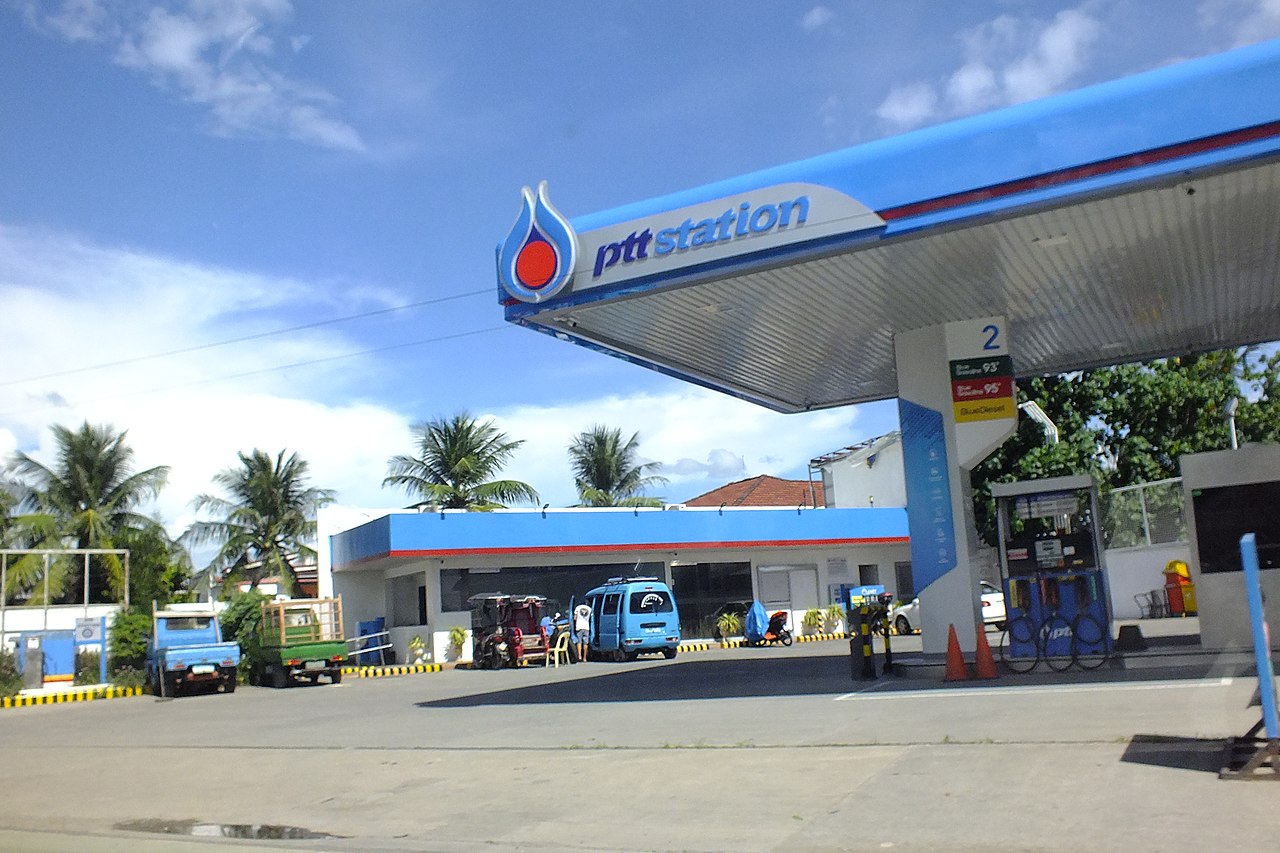
At a PT pump in the Ruam Chok area, reporters found shortages after people rushed to fill containers and stockpile fuel, depleting supplies at both the fuel outlet and the PT fuel depot in Chiang Mai. At other stations across Chiang Mai where fuel remains available, reporters found the atmosphere relatively normal on Tuesday, with slightly lower demand after many motorists filled their tanks the previous day.

Price Adjustments

With the war now in its third week, PTT and Bangchak have announced pump price changes. The retail price gap between gasohol 95 and E20 has widened from about 2 baht to 3 baht per litre, after gasohol 95 rose by 50 satang and E20 fell by 50 satang. It is hoped the wider gap will encourage motorists to switch to E20, which contains 20 percent ethanol and helps reduce reliance on petroleum-based fuels, while supporting domestically produced biofuels.

Price Gouging Investigation

An inspection by commerce and energy officials at an independent fuel outlet in Mae Sariang district of Mae Hong Son Province found diesel was priced at 40.50 baht per litre, well above the typical market price. When questioned, the pump owner said the higher price reflected elevated costs, presenting purchase documents showing diesel was bought from a wholesaler in Lampang at 39.40 baht per litre. After adding operating expenses such as electricity, local taxes and staff wages, the retail price was set at 40.50 baht per litre.

Authorities confirmed the pricing reflected actual costs and was not considered excessive, but warned operators against hoarding or failing to display prices. Violations could carry penalties of up to seven years in prison and/or fines of 140,000 baht. Despite the higher price, motorists continued to buy fuel from him because several other pumps in the area had run out of diesel due to transport disruptions and strong demand.

Energy-Saving Measures

The government is also preparing phased energy-saving measures. Initially, the public is being asked to set air-conditioning in offices at 26–27°C, reduce unnecessary lighting, and increase work from home where possible. More stringent measures could follow as needed.

Thailand’s Current Oil Reserves Will Last 61 Days, Energy Ministry Confirms

Public Response

Energy Minister Atthapol said there is no need to panic-buy or stockpile fuel, while noting that sales had doubled in some areas due to public concern. He said supplies remain available but transport delays have forced some stations to increase deliveries from three per day to as many as four or five to keep up with demand.

Similar Posts

  • |

    Pakistan fiscal deficit falls to 22-year low

    ISLAMABAD: Pakistan’s fiscal position improved significantly during the fiscal year 2025-26, with the federal Ministry of Finance reporting that the country’s fiscal deficit fell to its lowest level in 22 years. According to a statement issued by the Ministry of Finance, the fiscal deficit stood at 2.6% of Gross Domestic Product (GDP) during FY2025-26. The government also recorded a primary surplus of 2.9% of GDP, marking its highest level in 26 years. Pakistan has now maintained a primary surplus for three consecutive years, reflecting an improvement in the government’s ability to cover its non-interest expenditures through its revenues. The ministry reported that total government revenues reached Rs19.8 trillion during the fiscal year. Tax revenues accounted for Rs14.8 trillion, highlighting the central role of improved revenue collection in strengthening the country’s fiscal position. Meanwhile, the government significantly reduced its interest-related expenditure. Interest payments declined to Rs6.95 trillion in FY2025-26 from Rs8.9 trillion in the previous fiscal year. The reduction helped ease pressure on the overall budget and contributed to the improvement in the fiscal balance. On the expenditure side, defence spending increased by 18% to Rs2.588 trillion during the year. The government, however, reduced spending on subsidies by 22%, bringing the amount down from around Rs1.3 trillion to Rs1.001 trillion. Development spending also declined during the fiscal year. According to the ministry, development expenditure fell from Rs786 billion to Rs727 billion. The latest figures indicate a notable improvement in Pakistan’s fiscal management, particularly through stronger revenue collection, a reduction in interest payments and tighter control over certain categories of expenditure. The government’s continued primary surplus also represents an important indicator of progress in efforts to stabilise public finances.

  • | | |

    Weekly inflation rises 0.15%, annual rate reaches …

    ISLAMABAD: Weekly inflation in Pakistan increased by 0.15% during the latest week, taking the overall annual inflation rate to 9.11%, according to data released by the Pakistan Bureau of Statistics (PBS). The statistics agency issued its weekly inflation report, showing mixed price trends for essential commodities. According to the report, prices of 20 essential items increased during the week, while nine items became cheaper. Prices of 22 commodities remained unchanged. Onion recorded the sharpest increase, with its price rising by 24.68% in one week. The price of gram lentils also increased by 3.35%. Chicken became 2.45% more expensive during the week. Prices of several other household essentials, including yogurt, garlic and tea, also recorded increases. The report showed that some major commodities became cheaper. Tomato prices declined by 1.26% during the week. Petroleum prices also decreased. Petrol became 2.35% cheaper, while diesel prices fell by 0.29%. The prices of sugar, eggs and potatoes also recorded declines during the week. The latest figures indicate continued fluctuations in the prices of essential commodities. While several food items became more expensive, reductions in petroleum prices and some food products provided some relief to consumers. The weekly inflation figures are closely monitored as they reflect short-term changes in the prices of goods commonly purchased by households. The annual inflation rate, meanwhile, provides a broader picture of price increases across the economy.

  • Suvarnabhumi Airport road maintenance to disrupt traffic for seven months

    BANGKOK, Thailand – Suvarnabhumi Airport has advised passengers to plan their journeys in advance and allow extra travel time as a maintenance project will block some traffic lanes to and from the passenger terminal from next Monday until April 7 of next year, with the repair and maintenance planned for expansion joints on the elevated […]

  • Police Raid Luxury Hotel Hosting Chinese Gambling and Drug Parties

    BANGKOK – Thai police have cracked down on a major illegal network operating inside a luxury hotel in Nonthaburi, Thailand. Over 100 officers executed a search warrant on the property along Ngamwongwan Road. Authorities launched the raid following tips from concerned residents who noticed unusual activity. The officers uncovered a secretive compound run for Chinese […]

  • | |

    Rain expected across Pakistan amid flood alert

    Rainfall is expected at several locations across Punjab, Balochistan, upper Khyber Pakhtunkhwa, Gilgit-Baltistan and Kashmir, with weather conditions likely to remain unsettled in parts of the country. According to the Flood Forecasting Division (FFD) Lahore, low-level flooding is continuing at several key barrages along the Indus River. The affected locations include Kalabagh, Chashma, Taunsa and Guddu, where water levels remain elevated. The latest situation has prompted continued monitoring of river flows, particularly at locations where water levels are already above normal. The expected rainfall in different parts of the country could influence water flows in rivers and streams, depending on the intensity and duration of the showers. The FFD keeps a close watch on river conditions and provides updates to relevant authorities to help them assess possible flooding risks. Local administrations in vulnerable areas are also expected to remain alert as weather conditions develop. Residents living near rivers, canals and other low-lying areas have been advised to remain cautious and follow instructions issued by local authorities. People travelling through areas vulnerable to heavy rainfall or flooding are also encouraged to stay updated on weather and river conditions. The rainfall forecast comes as several parts of the country continue to experience varying weather patterns. While scattered showers may provide relief from hot and humid conditions in some areas, heavier rainfall could increase runoff and raise water levels in vulnerable waterways.

Leave a Reply

Your email address will not be published. Required fields are marked *