brad pitt broke
| |

Brad Pitt broke sobriety at Taylor Swift and Travi…

Brad Pitt’s recent revelation about his changing relationship with alcohol has sparked fresh attention around a reported sighting at Taylor Swift and Travis Kelce’s wedding.

The Oscar-winning actor recently revealed that he had returned to drinking after maintaining seven years of sobriety. Shortly before that revelation became public, Pitt was reportedly seen drinking at Swift and Kelce’s star-studded wedding in New York in July. However, the sighting does not establish exactly when he began drinking again. (People.com⁠)

Pitt’s sobriety revelation

In a new interview with Esquire, Pitt opened up about his seven-year period of sobriety and acknowledged that he eventually started drinking alcohol again.

The actor described himself as having “got back off the wagon,” while explaining that his current approach is much more restrained than it was in the past. Pitt also acknowledged that he had become overconfident at certain points and learned that drinking heavily was not something he could handle responsibly. (TMZ⁠)

His comments quickly attracted widespread attention because sobriety had been an important part of his personal journey for years.

The wedding sighting raises questions

Pitt attended Taylor Swift and Travis Kelce’s July 3 wedding in New York alongside his girlfriend, Ines de Ramon. The event brought together numerous celebrities, and Pitt was among the high-profile guests spotted at the celebration. (The Hollywood Reporter⁠)

Reports published after Pitt’s Esquire interview claimed that he was seen drinking at the wedding. The timing has therefore led to speculation about whether the celebration marked an important moment in his return to alcohol.

Still, it would be misleading to say that Pitt definitely “broke” his sobriety at the wedding. Neither the reported sighting nor Pitt’s interview establishes that the wedding was the first occasion on which he drank again.

A different approach to alcohol

Pitt’s latest comments suggest that his relationship with drinking has changed rather than simply returning to his previous habits. He said he now drinks in a more controlled manner and remains aware of his personal limits. (Los Angeles Times⁠)

His disclosure has added a new chapter to a sobriety journey he has discussed publicly over the years. Rather than confirming online speculation about a specific event, Pitt’s own comments provide the clearest picture: after seven years without alcohol, he decided to drink again while attempting to keep it restrained.

For now, the wedding sighting remains an intriguing detail surrounding his revelation, but there is no confirmed evidence that it was the exact moment his sobriety ended.

Similar Posts

  • |

    Police martyrs are nation’s true heroes: Mohsin …

    Federal Interior Minister Mohsin Naqvi has paid tribute to the police personnel who sacrificed their lives in the line of duty, saying their courage and sacrifices represent a proud and unforgettable chapter in Pakistan’s national history. In a statement, the interior minister described the martyrs of the police force as the nation’s true heroes, saying the people of Pakistan will always remember their services and sacrifices. He highlighted the crucial role police officers and personnel have played in maintaining peace and protecting citizens across the country. Naqvi said the police force has shown remarkable courage and determination in the fight against terrorism and crime. He praised the officers and जवान who continue to perform their duties under challenging and dangerous circumstances to protect lives and maintain law and order. The interior minister added that the sacrifices of police martyrs have made a lasting contribution to the country’s peace, security and stability. He said the nation remains deeply grateful to the brave officers and personnel who gave their lives while serving the country. Mohsin Naqvi further said Pakistanis salute the courage and dedication of the police martyrs and their families, whose sacrifices continue to inspire the nation. He stressed that the services of those who laid down their lives for peace and security will remain a source of pride for the country.

  • |

    Iran sent IRGC commanders to aid Houthis: report

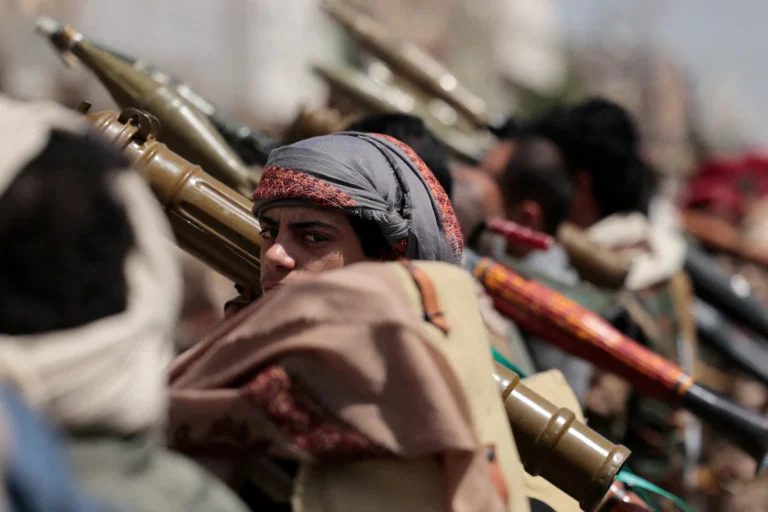
    Iran is alleged to have flown senior Islamic Revolutionary Guard Corps (IRGC) commanders, military advisers and missile- and drone-related equipment to Yemen earlier this month in a move that could significantly strengthen the military capabilities of the Houthi movement, according to multiple sources familiar with the matter. The reported transfer is believed to have taken place on July 13 aboard a Mahan Air flight that departed from Tehran. Sources said the aircraft was originally scheduled to land in the Houthi-controlled capital, Sanaa, but was forced to divert to the Red Sea port city of Hodeidah after military activity disrupted operations at Sanaa International Airport. According to the sources, between 10 and 21 IRGC personnel, including senior commanders, were on board the aircraft. They claimed the mission included military advisers tasked with providing operational support and training on advanced missile systems. The flight was also reportedly carrying missile components, drone-related equipment and gold, which the sources alleged was intended to finance Houthi military operations. The reported shipment has raised fresh concerns that Tehran may be expanding its military support for the group amid growing regional tensions. Officials from Yemen’s internationally recognised government said intelligence indicated that Iranian military experts had arrived to strengthen Houthi capabilities. They claimed the advisers were expected to improve the group’s ability to launch attacks against international shipping in the Red Sea and the strategic Bab al-Mandab Strait, one of the world’s busiest maritime trade routes. Regional security analysts also supported the claims, saying the shipment allegedly included components for short- and medium-range missiles as well as drone systems similar to those previously used in attacks across the Gulf region. The reported deployment came only days before the Houthis announced a naval blockade targeting Saudi Arabia. The group later claimed responsibility for attacks on Saudi oil tankers operating in the Red Sea, further escalating tensions and increasing fears over global energy supplies and maritime security. Despite the allegations, both Iran and the Houthi movement strongly denied the reports. A Houthi media official who said he was among the passengers on the flight insisted that everyone on board was a civilian and rejected claims that military personnel or weapons had been transported. Iran has also repeatedly denied supplying advanced weapons to the Houthis or directing their military operations. Iranian officials maintain that the Yemeni group independently develops its own military capabilities and makes its own operational decisions. According to Iranian officials, the July 13 flight was organised to return a Houthi delegation and Yemeni civilians who had travelled to Tehran earlier in the month. They said the passengers included people who had attended a funeral ceremony as well as Yemenis who had received medical treatment in Iran. The allegations have emerged at a time of heightened confrontation across the Middle East, where attacks involving the United States, Iran, Israel and Iran-backed groups have intensified. Growing instability has already disrupted commercial shipping through the Strait of Hormuz and the Red Sea, contributing to rising oil prices and increasing uncertainty in global financial markets.

  • |

    Israeli strikes kill two in Gaza as hospital medicine warehouses are destroyed

    Two Palestinians were killed in an Israeli air strike in Gaza on Saturday, while separate strikes destroyed warehouses storing medical supplies for Al Aqsa Martyrs Hospital, raising new concerns about access to healthcare in the territory as uncertainty continues over a possible agreement between Israel and Hamas. According to Palestinian health officials, the two people were killed in the Sheikh Radwan area of Gaza City. The Israeli military said the strike targeted Hamas fighters but did not provide further details about the operation or identify those killed. In another strike earlier the same day, two warehouses near Al Aqsa Martyrs Hospital in Deir al Balah were destroyed. Gaza’s Health Ministry said the buildings contained essential medicines and medical equipment used by the hospital to treat patients, including those receiving dialysis for kidney failure. Other supplies such as wound care materials and gauze were also stored there. The attack also damaged two additional medical storage facilities and the hospital’s outpatient clinic. Hospital officials said no injuries were reported among staff or patients during the incident, but they warned that the destruction of medical supplies would make it more difficult to provide treatment to those in need. Dr Khalil al Daqran, who works at the hospital, condemned the strike and said the destroyed warehouse contained critical medical resources needed for daily operations. He said the loss of the supplies would place further strain on healthcare services already struggling under difficult conditions. Witnesses said Israeli forces issued an evacuation warning before carrying out the strike. The Israeli military did not immediately comment on the attack targeting the warehouse complex. Under international humanitarian law, hospitals and civilian medical facilities are protected during armed conflict unless they are being used for military purposes. Israel has repeatedly accused Hamas and other armed groups of operating from within civilian infrastructure, including hospitals and surrounding buildings, an allegation Hamas has denied. Fatima Sharab, a displaced Palestinian staying in a nearby camp, said many families had chosen to shelter close to the hospital because they expected easier access to medical care if needed. She said the strike caused widespread destruction in the area and left many displaced people without shelter. The latest attacks come despite a ceasefire agreement reached last year through US mediation. Fighting and Israeli military operations have continued across Gaza in the months since. Palestinian health authorities say more than 1,200 people have been killed during that period, with many of the victims reported to be civilians, including women and children. Hamas has not regularly disclosed the number of its fighters killed. Attention is now focused on a possible breakthrough in negotiations to end the conflict. US President Donald Trump recently announced that Hamas had agreed to disarm as part of a broader peace initiative aimed at ending the war. However, Israeli Prime Minister Benjamin Netanyahu has not publicly confirmed whether Israel accepts the reported agreement. Israeli National Security Minister Itamar Ben Gvir has openly opposed the proposal, saying Israel should continue military operations and maintain its campaign against Hamas leaders. Meanwhile, Trump’s Board of Peace has released a roadmap outlining the final steps of its proposed plan, stating that Israel would halt military operations as part of the agreement if all parties move forward with its implementation.

  • |

    Pakistan, Japan agree to expand development cooperation

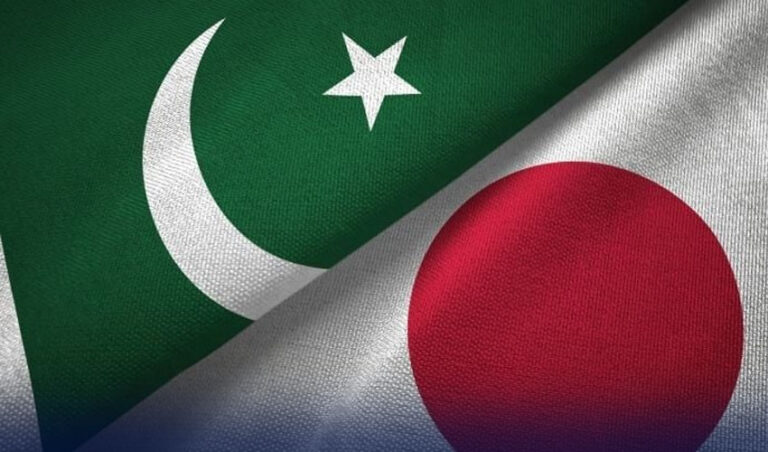
    Pakistan and Japan have reaffirmed their commitment to strengthening long-standing development cooperation, with both sides agreeing to expand collaboration in economic reforms, mineral development, technical training, and human resource development during a high-level meeting in Islamabad. The understanding was reached during a meeting between Prime Minister Shehbaz Sharif and a nine-member delegation led by Japan International Cooperation Agency (JICA) President Dr. Tanaka Akihiko. Welcoming the delegation, Prime Minister Shehbaz Sharif described the seven-decade partnership between Pakistan and Japan as a cornerstone of bilateral relations, expressing confidence that the JICA president’s visit would inject fresh momentum into cooperation between the two countries. The prime minister highlighted the government’s ongoing economic reform agenda, stating that Pakistan had successfully navigated a challenging economic period through coordinated efforts and was now focused on achieving sustainable and inclusive economic growth. He said the government’s reform programme had produced encouraging results, noting that national revenues had doubled over the past three years. According to the prime minister, these improvements were creating greater fiscal space for investment in development priorities and public welfare. Shehbaz Sharif emphasized that equipping young people with modern skills and technical education remains one of the government’s foremost priorities. He said the administration is also committed to creating quality employment opportunities and promoting the economic empowerment of women as part of its broader development strategy. During the meeting, the prime minister welcomed JICA’s technical assistance in Pakistan’s minerals sector, describing the cooperation as timely given the country’s vast untapped mineral resources. He also appreciated JICA’s collaboration with the Small and Medium Industrial Development Authority (SMIDA), saying such partnerships would help strengthen industrial capacity, improve productivity, and boost Pakistan’s exports. The discussions also covered ways to broaden bilateral cooperation in areas including infrastructure development, capacity building, vocational training, and investment promotion. Both sides acknowledged the importance of expanding technical collaboration to support Pakistan’s long-term economic transformation. JICA President Dr. Tanaka Akihiko thanked Prime Minister Shehbaz Sharif for his warm welcome and appreciation, reaffirming Japan’s commitment to supporting Pakistan’s development journey. He noted that JICA and Pakistan share a long-standing partnership built on mutual trust and cooperation, adding that the agency remains ready to further expand its engagement across multiple sectors, including economic development, human resource development, and technical cooperation.

  • |

    Kuwait keeps bottled water purchase limit to prevent panic buying

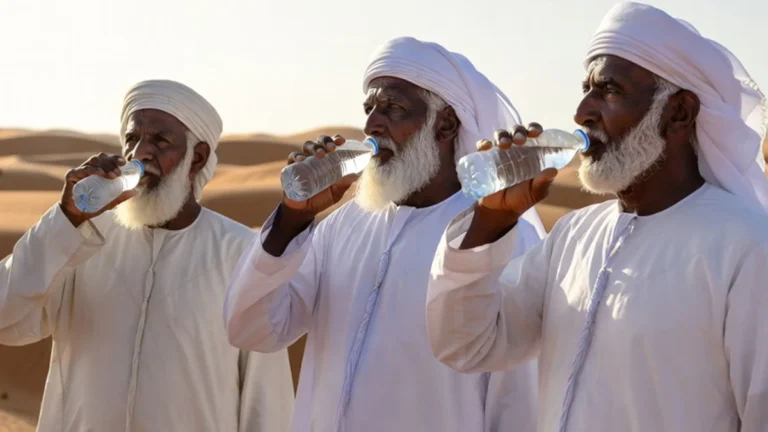
    Kuwait’s Ministry of Social Affairs has confirmed that restrictions on bottled water purchases will remain in place as part of efforts to discourage panic buying and ensure supplies remain available for everyone. Under the current rules, shoppers can buy no more than five cartons of bottled water per invoice at central markets and cooperative society branches across the country. The ministry said all cooperative societies are required to enforce the purchase limit without exception. Officials have instructed the Union of Consumer Cooperative Societies to make sure every branch follows the directive and prevents customers from making unusually large purchases. Authorities believe the measure will help stop unnecessary stockpiling that could leave other shoppers without access to essential supplies. According to officials, the restriction is purely a precaution and should not be seen as a sign of a shortage. The ministry stressed that bottled water production remains stable and factories continue to operate at full capacity. Regular deliveries are being made to markets and cooperative stores, ensuring that supplies remain sufficient to meet consumer demand. Officials explained that the temporary limit is designed to promote fair distribution and prevent panic buying during the current situation. They said excessive purchasing by a small number of customers can quickly create empty shelves, increase crowding at stores and trigger unnecessary public concern even when supplies remain adequate. The ministry also confirmed that it is closely monitoring the implementation of the policy. Cooperative societies that fail to follow the instructions or violate the regulations could face action from the authorities. Officials urged retailers to strictly apply the purchase limit so that bottled water remains available to all consumers. Residents have been encouraged to buy only the amount they genuinely need and avoid hoarding. The ministry also warned against spreading unverified information or rumors that could create unnecessary fear and encourage panic buying among the public. Officials emphasized that responsible purchasing will help maintain steady supplies and prevent disruption in the market. In a separate development, Kuwait’s Ministry of Commerce and Industry has introduced a new legal framework for e-commerce platforms to improve consumer protection and regulate the country’s rapidly growing online marketplace. The regulations were introduced under Ministerial Resolution No. 109 of 2026 and officially came into force on July 8. They apply to all digital platforms involved in selling, ordering and delivering products within Kuwait. The new rules clearly define the responsibilities of online platforms, merchants, delivery companies and consumers. Officials said the regulations are intended to create a more transparent business environment while encouraging fair competition and supporting future investment in the digital economy. Under the updated framework, companies operating electronic platforms must obtain the required licences and comply with existing laws. They are also required to strengthen cybersecurity measures and protect their digital systems and customer information from cyberattacks, data breaches and misuse. Authorities believe the updated regulations will help build greater public confidence in online shopping while ensuring higher standards of safety and accountability across Kuwait’s expanding e-commerce sector.

  • | |

    Sharjeel Memon accuses PML-N of violating election…

    Sindh Information Minister Sharjeel Inam Memon has accused the Pakistan Muslim League-Nawaz (PML-N) of violating the election code of conduct ahead of the Azad Jammu and Kashmir (AJK) elections. Speaking at a press conference after a Sindh cabinet meeting in Karachi, Memon claimed that the ruling party was using its government position to influence the electoral process. During the briefing, Memon also announced that the Sindh cabinet had approved a six-month extension of the health insurance program for employees of the Governor House and Chief Minister House. He added that travel allowances for government employees from Grade 1 to Grade 16 had also been increased. Commenting on the recent heavy rainfall, the provincial minister said several districts in Punjab had been severely affected. He claimed that recent rains resulted in casualties in both Punjab and Khyber Pakhtunkhwa and criticized what he described as limited media attention to the situation. Turning to the political situation, Memon alleged that senior leaders of the federal and Punjab governments were focused on campaigning in Azad Kashmir instead of addressing public issues. He expressed confidence that the Pakistan Peoples Party (PPP) would secure a convincing victory in the upcoming AJK elections. The minister also criticized what he described as governments formed through “manufactured mandates,” saying that true political legitimacy comes through public support. He reiterated that the PPP is not part of the federal coalition government and said the party had only extended support to strengthen the democratic process. Memon further alleged that infrastructure development has been concentrated in Punjab while Sindh has not received similar attention, particularly in the construction of major motorways. His remarks drew criticism from Punjab Information Minister Uzma Bukhari, who defended the Punjab government’s development record and rejected the allegations. She argued that provincial resources are being spent on the welfare of Punjab’s residents and questioned the Sindh government’s own performance. Punjab Local Government Minister Zeeshan Rafique also responded, saying critics should first examine the condition of their own provinces. He defended Punjab’s drainage system, claiming rainwater in Lahore is cleared within hours, unlike in parts of Sindh where waterlogging often persists for days. The exchange of statements highlights the growing political rivalry between the PPP and PML-N as campaigning for the AJK elections intensifies.

Leave a Reply

Your email address will not be published. Required fields are marked *