middle east war
|

Middle East war sharpens focus on ASEAN energy security plans

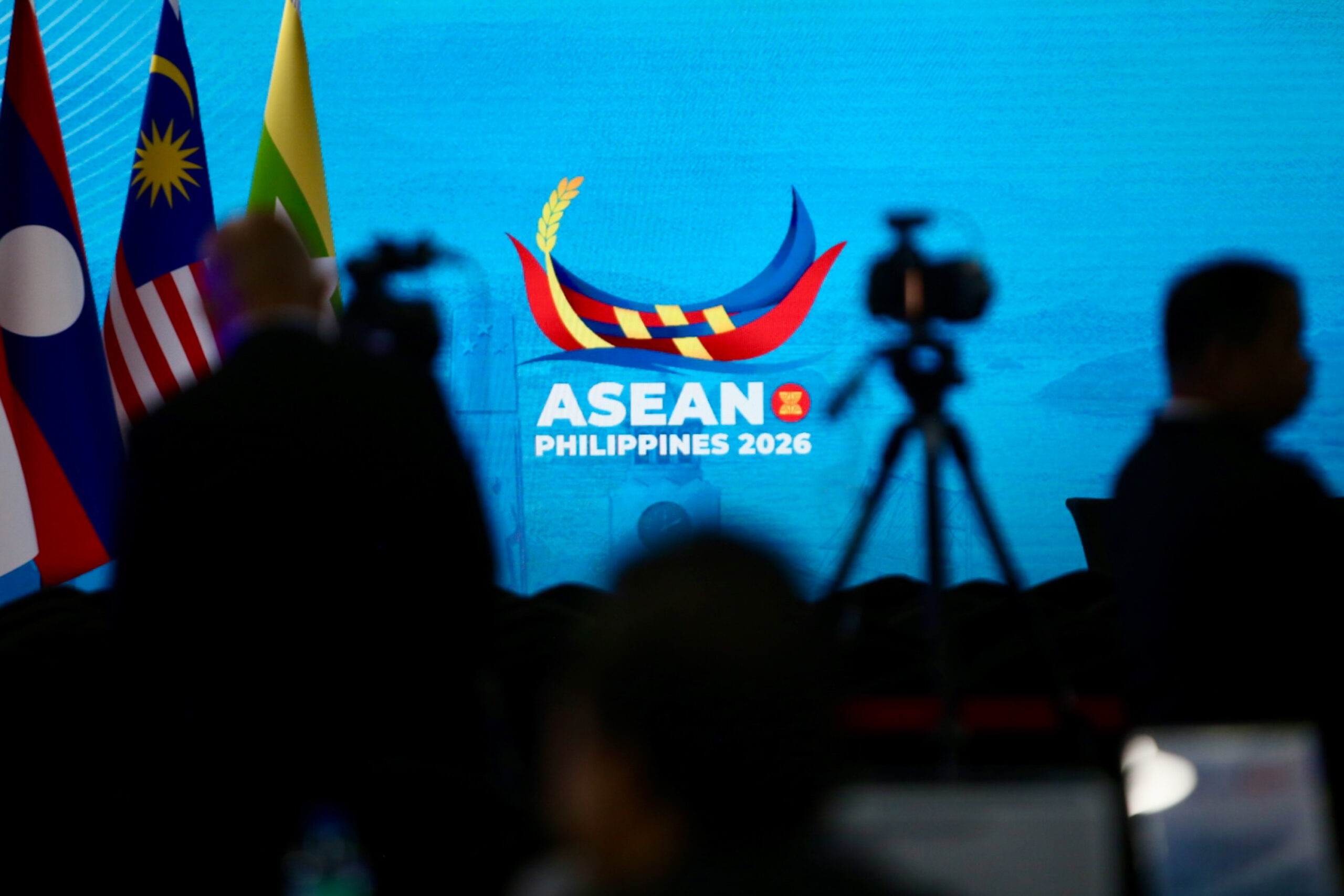
MANILA, Philippines – Southeast Asian energy ministers meeting in Manila this week face the prospect of a prolonged Middle East war that has exposed the region’s vulnerabilities to imported energy.

As the US-Israeli war against Iran drags on, there is increased urgency for ASEAN to implement its proposed energy security plans and reduce its exposure to price shocks caused by attacks on infrastructure and shipping routes in the Middle East.

ASEAN imports more than half of the crude for its refineries from the Middle East at a time when global benchmark prices are around $100 a barrel. The conflict has also sharpened concerns about broader energy security risks as Chinese refiners have suspended oil product exports for October.

Must Read

Gasoline, kerosene prices rise on October 6, diesel gets slight rollback


Gasoline, kerosene prices rise on October 6, diesel gets slight rollback

Against that backdrop, energy ministers meeting in Manila are expected to review regional fuel-security measures launched after emergency talks earlier this year, including efforts to put into effect coordinated emergency responses under the ASEAN Framework Agreement on Petroleum Security (APSA).

Long-term initiatives, including the ASEAN Power Grid and renewable-energy deployment, are also on the agenda.

“What the crisis brought was a sharper focus on resiliency,” Philippine Energy Undersecretary Felix Fuentebella told Reuters on October 1, saying energy security had moved from a technical issue to a priority for ASEAN ministers and leaders.

Lower earnings

The higher prices are raising costs for the region’s households and eating into the earnings of transport workers.

“We hardly take anything home anymore,” said Antonio Bandin, a Manila jeepney driver who joined a protest last week over rising fuel prices. His working fuel bill has more than doubled to about P2,400 per day.

The ASEAN Centre for Energy warned in a policy paper that a severe disruption to Middle East supplies could place oil volumes equivalent to nearly 28% of ASEAN’s final oil consumption at risk, underscoring the need for stronger regional petroleum-security arrangements.

But the region’s insufficient storage capacity and inventories remain obstacles to implementing APSA, Alloysius Joko Purwanto, senior energy economist at the Economic Research Institute for ASEAN and East Asia, warned on Friday during a webinar hosted by the Center for Strategic and International Studies.

Energy Secretary Sharon Garin has said the Philippines, which remains under a national energy emergency, is exploring regional fuel-stockpiling arrangements and could host future storage projects.

But analysts cautioned that such measures are unlikely to affect the present crisis.

“This is more about preparing for the next crisis. A reserve is a buffer. It is not a strategy,” Christopher Len, a senior fellow at the ISEAS-Yusof Ishak Institute, said in the same webinar, referring to regional stockpiling initiatives.

Ministers are also expected to discuss ways to reduce long-term dependence on imported fuels. Renewable energy, electric vehicles, and energy efficiency are expected to feature prominently.

The International Energy Agency estimates Southeast Asia’s energy import bill could rise from more than $80 billion in 2024 to about $245 billion by 2035 without structural change.

The IEA said wider electrification, including electric vehicles and biofuels, would help curb oil demand and reduce exposure to volatile fuel imports, while cross-border links under the ASEAN Power Grid that would integrate the region’s electrical network will require about $27 billion in investment by 2040.

“We should actually use this shock as a lesson to reduce exposure, not only to cushion it,” Len said. – Rappler.com

Similar Posts

  • | |

    UK heatwave breaks 1995 record as fifth heatwave h…

    London: Britain is facing another spell of intense summer heat, with the country’s fifth heatwave of the year pushing the number of days above 30°C beyond a record set more than three decades ago. According to media reports, temperatures have exceeded 30°C across several parts of the UK, adding to growing concerns over the health and environmental impact of prolonged hot weather. The UK has now recorded 35 days with temperatures above 30°C this year, surpassing the 1995 total of 34 such days. The development highlights the unusual persistence of hot weather this summer. The Met Office is forecasting further rises in temperatures, with East Anglia and southeast England expected to experience particularly hot conditions on Thursday. Temperatures in some areas could climb to around 36°C. The prolonged heat has also prompted health authorities to issue warnings. The UK Health Security Agency has placed heat-health alerts across several regions, including London, the East Midlands, West Midlands, Yorkshire and the Humber, urging people to take precautions during the hottest periods. The heat is not the only concern. Britain is also dealing with increasingly dry conditions, putting additional pressure on water supplies, agriculture and natural habitats. Government assessments have previously warned that repeated heatwaves and low rainfall are increasing drought risks, while wildfires have affected several parts of the country. Dry grass, parched fields and shrinking water resources have become visible signs of the changing conditions. Authorities are urging residents to stay hydrated, avoid unnecessary exposure to extreme heat and remain cautious in areas vulnerable to fires. With another hot spell approaching, attention is now focused on how long the latest heatwave will last — and whether Britain is heading toward another summer of unprecedented weather extremes.

  • |

    Rahul Gandhi slams India’s education system, calls it expensive and corruption-ridden

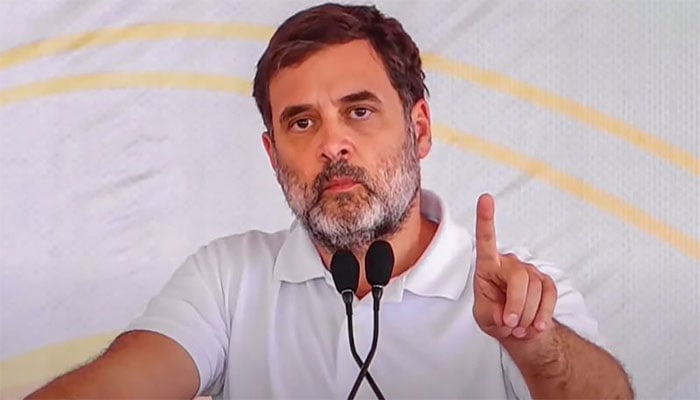
      India’s Leader of the Opposition in the Lok Sabha and senior Congress leader Rahul Gandhi has strongly criticized the country’s education system, describing it as deeply flawed, expensive, and plagued by irregularities. His remarks came while expressing solidarity with students who have been protesting over issues related to entrance examinations and alleged paper leaks. Speaking on the growing concerns surrounding India’s education sector, Rahul Gandhi said he fully supports the feelings, frustrations, and struggles of students. He stated that the anger displayed by young people is understandable, considering the hardships they have been facing in recent years. According to him, the treatment meted out to students has naturally led to widespread dissatisfaction and protests. Rahul Gandhi argued that India’s education system is not only affected by corruption and alleged manipulation but has also become financially unbearable for ordinary families. He said that the cost of appearing in entrance examinations has increased significantly, placing an enormous financial burden on parents and students. He criticized what he described as an education system that forces families to spend huge amounts of money merely to compete for admission to educational institutions. The Congress leader claimed that charging such high fees for entrance examinations amounts to exploiting families who are already making financial sacrifices to secure a better future for their children. He said many parents invest their savings and borrow money in the hope that their children will receive quality education and fair opportunities. However, according to him, the current system fails to reward those sacrifices. Rahul Gandhi further alleged that after collecting large sums of money from students and their families, authorities often announce that examination papers have been leaked or compromised. He said such incidents destroy the trust of students who spend months, and in many cases years, preparing for highly competitive entrance examinations. The cancellation of exams or questions surrounding their credibility not only wastes students’ time but also causes severe emotional stress and uncertainty about their future. He maintained that repeated incidents of paper leaks and examination irregularities have created frustration among young people across the country. In his view, students have every right to raise their voices and demand accountability from the authorities responsible for conducting these examinations. Gandhi said the protests taking place on the streets reflect the genuine concerns of India’s youth rather than being acts of unnecessary agitation. According to Rahul Gandhi, the government should focus on creating a transparent, affordable, and reliable education system that ensures equal opportunities for all students, regardless of their financial background. He emphasized that education should empower young people instead of becoming a source of anxiety, financial hardship, and disappointment. His comments come at a time when debates over examination management, paper leak allegations, and the rising cost of education continue to dominate public discussion in India. Student groups and opposition parties have repeatedly demanded stronger safeguards to prevent examination irregularities and greater accountability from the authorities. Rahul Gandhi concluded by reiterating his support for students, saying their concerns are legitimate and deserve immediate attention. He stressed that the future of the country depends on its youth and that protecting the integrity of the education system should be a national priority.

  • |

    Four Pakistanis killed in shooting incident in South Africa

      JOHANNESBURG: Four Pakistani nationals were shot dead by unidentified gunmen in the Sebenza area of South Africa, according to local police. Authorities have launched an investigation into the deadly attack, which they believe appears to be a targeted killing. Police said the incident occurred on Saturday evening when the four victims were returning home. As their vehicle stopped at a traffic signal, another car approached them. According to preliminary investigations, armed assailants opened fire from both sides of the victims’ vehicle, leaving the four men with fatal gunshot wounds. All four victims died at the scene before emergency responders could provide medical assistance. Law enforcement officials quickly secured the crime scene and began collecting evidence. Police recovered multiple 9mm pistol shell casings, which are expected to play an important role in the forensic investigation. Investigators are examining the evidence to determine the type of weapons used and to identify those responsible for carrying out the attack. Police officials stated that, based on the circumstances surrounding the shooting, the incident appears to be a targeted killing rather than a random act of violence. However, authorities emphasized that the investigation is still in its early stages and that no motive has yet been officially established. Detectives are reviewing surveillance footage from nearby locations, interviewing potential witnesses, and searching for the suspects involved in the attack. The identities of the victims have not yet been officially released, and police have not confirmed whether the deceased were related or connected through business or personal activities. Authorities are working closely with relevant agencies to notify the victims’ families and gather additional information that may assist in the investigation. The tragic incident has caused concern within the Pakistani community in South Africa, where many Pakistanis are engaged in businesses such as retail, wholesale trade, and other commercial activities. Community members have expressed shock over the killings and called on local authorities to ensure a thorough investigation and bring those responsible to justice. The shooting also drew a response from Pakistan. Punjab Chief Minister Maryam Nawaz expressed deep sorrow over the deaths of the four Pakistani nationals. In a statement, she extended her heartfelt condolences to the bereaved families and prayed for strength and patience for them during this difficult time. She also expressed sympathy with the families of the victims, acknowledging the pain caused by the tragic loss. Her message reflected solidarity with the Pakistani community affected by the incident and emphasized the importance of supporting the victims’ loved ones. Meanwhile, Pakistani diplomatic officials are expected to remain in contact with South African authorities to monitor the progress of the investigation and assist the families of the deceased where necessary. Such assistance may include facilitating documentation, coordinating with local officials, and helping arrange the repatriation of the victims’ remains if requested by their families. As investigations continue, South African police have urged anyone with information about the attack to come forward. Authorities hope that witness statements, forensic evidence, and surveillance footage will help identify the attackers and determine the motive behind the shooting. The case remains under active investigation, and police have pledged to pursue all available leads to ensure that those responsible are arrested and brought before the courts. The tragic deaths of the four Pakistani nationals have once again highlighted concerns about violent crime and the safety of expatriate communities in parts of South Africa.

  • |

    BNP veteran Alamgir elected Bangladesh president

    Bangladesh’s parliament has elected veteran Bangladesh Nationalist Party leader Mirza Fakhrul Islam Alamgir as the country’s new president, marking another major development in the country’s political transition. The 78-year-old politician secured victory in a parliamentary vote on Thursday, defeating retired army Colonel Oli Ahmed, who was backed by the Jamaat-e-Islami-led opposition alliance. Chief Election Commissioner A.M.M. Nasir Uddin announced Alamgir as the winner after he received 255 votes against Ahmed’s 88. Alamgir is expected to take the oath of office on Friday evening. Although the presidency in Bangladesh is largely ceremonial, the president serves as the country’s head of state and commander-in-chief of the armed forces. Executive powers remain with the prime minister and cabinet. Alamgir’s election comes after the BNP returned to power following the February general election. The party and its allies secured a two-thirds majority in parliament, while BNP leader Tarique Rahman became prime minister. The presidential election was triggered by the resignation of Mohammed Shahabuddin, who stepped down last month citing health reasons before completing his five-year term. Shahabuddin, a former Awami League politician and close associate of former prime minister Sheikh Hasina, had become president in 2023. Hasina left Bangladesh and moved to India after a mass uprising removed her government from power in August 2024. She has previously indicated that she plans to return to Bangladesh later this year. Alamgir is one of the BNP’s longest-serving senior figures. He served as the party’s secretary-general from 2016 until being nominated for the presidency. During the Awami League government’s rule, Alamgir emerged as one of the BNP’s most prominent opposition leaders. He faced several arrests and legal cases during his political career. His political journey began after he completed his studies in economics at the University of Dhaka. He initially worked as a teacher before entering politics. Alamgir joined the BNP in the early 1990s and gradually rose through its ranks. He later held several senior government positions and served as local government minister before leaving the position following his nomination for president. His election now places a longtime opposition figure in Bangladesh’s highest constitutional office as the BNP consolidates its political position following its return to government.

  • |

    Air India appoints CEO amid mounting financial losses

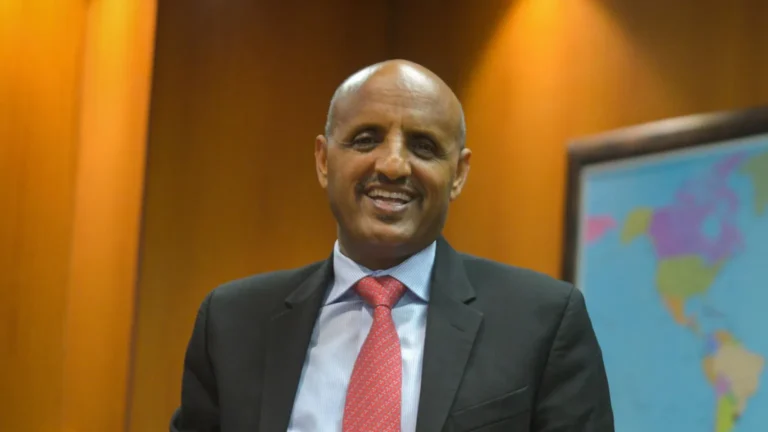
    Air India has appointed former Ethiopian Airlines chief Tewolde Gebremariam as its new chief executive officer, entrusting him with leading the airline through a challenging period marked by financial losses, operational setbacks and heightened safety concerns. Gebremariam succeeds Campbell Wilson, who stepped down in April after overseeing the airline’s initial restructuring following its acquisition by the Tata Group in 2022. The Air India board unanimously selected Gebremariam after an extensive global search, citing his leadership experience and strong operational record. During more than a decade at Ethiopian Airlines, he expanded the carrier’s fleet significantly and helped transform it into one of Africa’s leading and most profitable airlines. His appointment comes at a difficult time for Air India, which continues to recover from last year’s fatal Ahmedabad–London plane crash that claimed 260 lives. The airline is also dealing with mounting financial pressure after reporting a record loss of nearly $2.3 billion and reducing a significant portion of its international operations. In recent months, Air India has faced several operational disruptions, including flight delays, route adjustments and unexpected diversions. The broader aviation industry in India has also been affected by higher operating costs, aircraft delivery delays, disrupted international routes and stricter regulatory oversight. Industry analysts believe Gebremariam’s experience managing Ethiopian Airlines through the Boeing 737 Max crisis and the Covid-19 pandemic could prove valuable as Air India works to restore public confidence. Experts say his immediate priorities will include strengthening safety standards, improving employee morale, modernising the airline’s fleet, expanding its network and returning the carrier to long-term profitability.

  • |

    UK rejects E1 settlement plan

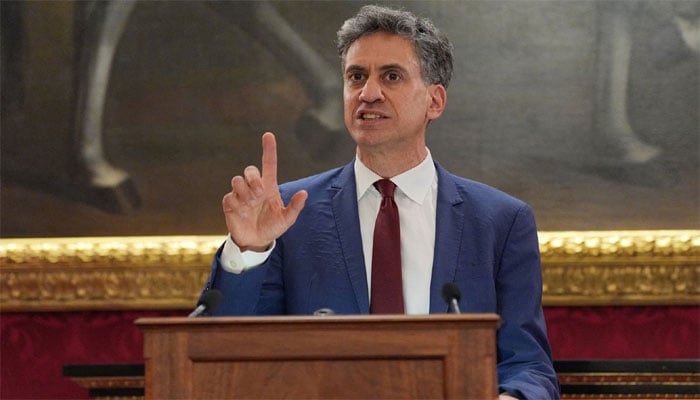
    LONDON: British Foreign Secretary Ed Miliband has strongly opposed Israel’s plan to invite tenders for the construction of 1,200 new homes under the controversial E1 settlement project, warning that the move could seriously undermine prospects for a future Palestinian state and the two-state solution. The British government has urged Israel to immediately withdraw the E1 plan, cancel the construction tenders and halt the expansion of Israeli settlements in the occupied West Bank. A UK government spokesperson said Israeli settlement activity violates international law and remains a major obstacle to achieving lasting peace in the region. The government stressed that continued settlement expansion could further weaken efforts to establish a viable and geographically connected Palestinian state. Miliband said Britain would continue to strongly support a two-state solution, arguing that it offers the best path toward lasting peace, security and stability for both Palestinians and Israelis. The E1 area, located east of Jerusalem in the occupied West Bank, has long been a sensitive issue because large-scale settlement development there could divide Palestinian communities and complicate the possibility of creating a contiguous Palestinian state. The British government’s latest warning comes amid continued international concern over settlement expansion in the occupied Palestinian territories and its potential impact on future peace negotiations.

Leave a Reply

Your email address will not be published. Required fields are marked *