|

Natasha Hussain reveals Humayun Saeed is still her celebrity crush

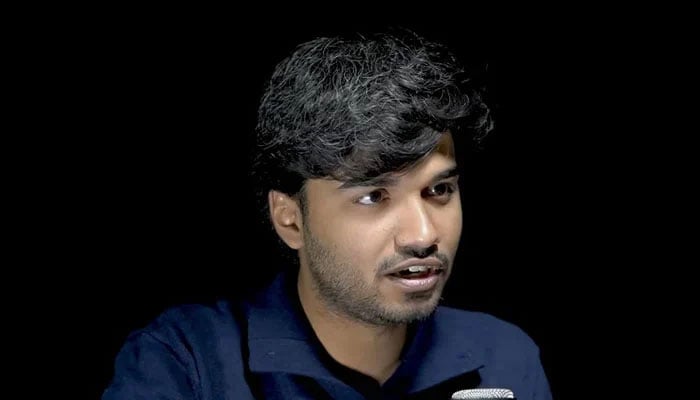
Former Pakistani model and actress Natasha Hussain has revealed that actor and producer Humayun Saeed continues to hold a special place on her celebrity-crush list. The actress made the admission during a recent appearance on Ahmed Ali Butt’s podcast Excuse Me, where she spoke openly about her admiration for the popular Pakistani star.

During the conversation, Natasha was asked about her celebrity crush and did not hesitate to name Humayun Saeed. She described herself as a huge fan of the actor and admitted that her admiration for him has remained unchanged over the years.

Natasha recalled an occasion when she had the opportunity to meet Humayun in person while he was visiting a friend’s home during a shoot. The encounter left a strong impression on her, particularly because of the way the actor interacted with everyone present.

According to Natasha, she and her friends were excited to see Humayun but initially felt hesitant about approaching him. They were unsure how he might respond to requests for photographs and wondered whether his status as a major celebrity would make him less approachable.

She explained that the group had expected he might have a somewhat reserved or distant personality and could possibly refuse to take selfies with them. However, their concerns quickly disappeared once they interacted with him.

Natasha said she eventually decided to approach Humayun herself and ask for a selfie. Her decision was influenced not only by her admiration for him but also by how handsome she thought he looked at the time.

To her delight, Humayun agreed to the selfie without hesitation. Natasha described his response as generous and said the actor warmly welcomed her when she approached him.

The actress also recalled how her friends were eager to take pictures with the star. Rather than behaving like someone uncomfortable with fans, Humayun reportedly remained friendly and approachable throughout their interaction.

For Natasha, the meeting proved different from what she and her friends had initially expected. Instead of displaying a distant attitude, Humayun made the gathering comfortable and happily posed for photographs.

Her comments offered a glimpse into the actress’s long-standing admiration for the Mere Paas Tum Ho star. While celebrity crushes are often discussed casually, Natasha’s story showed that meeting a favourite celebrity in person can make the experience even more memorable.

Humayun Saeed has remained one of Pakistan’s most recognisable entertainment personalities, with a career spanning acting and film production. His popularity has continued to grow through television dramas and major film projects, making him a familiar name among audiences in Pakistan and beyond.

Natasha’s candid confession has added a light-hearted moment to her podcast appearance, particularly because she openly admitted that Humayun remains her celebrity crush despite having met him personally.

Her experience also highlighted a quality she clearly appreciates in him: his friendly and respectful behaviour toward fans. Rather than allowing his celebrity status to create distance, Humayun’s willingness to interact warmly and take pictures left Natasha with an even more positive impression of the actor she has admired for years.

Similar Posts

  • |

    US senator demands answers over USS Abraham Lincoln deployment

    WASHINGTON: US Senator Richard Blumenthal has called on the Pentagon to explain why the USS Abraham Lincoln has remained at sea for more than 250 days, raising concerns about the health, safety and readiness of thousands of sailors and Marines aboard the aircraft carrier. Blumenthal, a member of the Senate Armed Services Committee, sent a letter to Defence Secretary Pete Hegseth and Acting Navy Secretary Hung Cao seeking detailed information about the carrier’s prolonged deployment. The senator said the USS Abraham Lincoln left Naval Base San Diego on November 21, 2025, for what was originally expected to be a seven-month mission. Its deployment was scheduled to end in May but has since been extended, with no publicly announced date for its return. According to Blumenthal, the carrier has spent more than 200 consecutive days without a port visit, setting a record for the length of time it has remained at sea without such a stop. The prolonged deployment has triggered concerns about conditions aboard the carrier, including reported shortages of basic supplies, water contamination, plumbing problems and difficulties with mail deliveries. Blumenthal also raised concerns about the mental health and morale of crew members, as well as deck safety and general living conditions. He said reports of fatigue, deferred maintenance and limited opportunities for rest could increase the risks faced by personnel working aboard an aircraft carrier. The USS Abraham Lincoln carries around 5,000 sailors and Marines and operates in an environment involving aircraft, fuel, weapons, heavy machinery and complex electrical systems. Blumenthal warned that prolonged exposure to these conditions could create additional safety risks if crews are exhausted or equipment maintenance is delayed. The senator asked the Pentagon to provide information about reported habitability problems aboard the carrier, including issues involving hygiene supplies, mould, toilets, laundry facilities and water systems. He also requested details about the Navy’s measures for monitoring crew fatigue, morale, mental health and operational readiness. Blumenthal wants officials to disclose whether the extended deployment has been linked to increases in safety incidents, medical problems or disciplinary cases. Reports cited by US military publications have also described incidents in which sailors aboard the carrier allegedly attempted to go overboard during its prolonged deployment, intensifying concerns about the psychological pressure on personnel. The senator has asked the Navy to explain what measures are being taken to address such concerns and protect the wellbeing of the crew. The extended deployment comes as the United States continues military operations and maintains a significant naval presence connected to tensions involving Iran and the wider Middle East. Blumenthal questioned the Pentagon about the strategic purpose of keeping the carrier deployed for such an extended period. He asked officials to explain the military objectives linked to the Lincoln’s continued presence in the region and how the Navy determines whether the carrier remains operationally necessary. The senator also sought details about every extension of the carrier’s deployment, including who approved the extensions and what operational requirements were cited. He further questioned whether the Navy’s existing fleet structure and deployment system can maintain the current demand for aircraft carriers without undermining crew welfare, equipment readiness and future maintenance requirements. Blumenthal warned that maintaining a high operational tempo for an extended period could create a readiness problem in the future if the impact on personnel and equipment is not properly addressed.

  • | |

    JI secretary general Ameerul Azeem laid to rest af…

      Lahore, July 23: Jamaat-e-Islami (JI) Pakistan Secretary General Ameerul Azeem was laid to rest on Thursday following funeral prayers at Mansoorah, Lahore, attended by thousands of mourners from across the country. The funeral prayer was led by JI Emir Hafiz Naeem ur Rehman, who paid rich tribute to the late leader, describing him as a committed worker of Islam who devoted his entire life to religious, political and organizational service. A large number of senior Jamaat-e-Islami leaders, politicians, religious scholars, lawyers, journalists, teachers, traders, representatives of labour and farming communities, civil society members and party workers attended the funeral. Federal Minister Ahsan Iqbal, former Punjab Governor Chaudhry Sarwar, former Foreign Minister Khurshid Mahmood Kasuri, former Federal Minister Muhammad Ali Durrani, former Lahore Mayor Khawaja Ahmad Hassan, JUI-F leader Maulana Muhammad Amjad Khan, PML-N leaders Hafiz Nauman and Mian Marghoob, Jamiat Ahl-e-Hadith chief Ibtisam Elahi Zaheer, along with several senior Jamaat-e-Islami office-bearers and district emirs from across Pakistan, were among those present. Representatives of minority communities, including Punjab Minister for Minority Affairs Sardar Ramesh Singh Arora and members of the Gurdwara Prabandhak Committee, also attended to offer condolences. Addressing the gathering, Hafiz Naeem ur Rehman said Ameerul Azeem spent his entire life striving for the establishment of Islamic values and remained an example of sincerity, discipline and dedication. He said the late leader was deeply compassionate toward party workers and always remained accessible to every member of the organization. Despite suffering from cancer, he continued fulfilling his organizational responsibilities with determination and never allowed his illness to affect his commitment to the party. The JI chief said Ameerul Azeem believed Jamaat-e-Islami had entered a crucial phase in its struggle and consistently encouraged workers to remain steadfast in pursuing the party’s mission. He prayed that Allah Almighty grant the departed leader the highest place in Jannah and bless his family with patience. Senior JI leader Liaqat Baloch also paid tribute, recalling his more than five-decade association with Ameerul Azeem. He said the late leader’s journey from student politics to one of the party’s highest offices reflected his unwavering dedication, adding that his services would continue to inspire generations of workers. Ameerul Azeem passed away on Wednesday night after a prolonged battle with cancer. Throughout his illness, he remained active in party affairs and continued serving the movement until his final days. Born in Lahore in 1958, Ameerul Azeem earned a Master of Business Administration (MBA) degree from the University of the Punjab. He began his political journey through Islami Jamiat-e-Talaba (IJT), serving as Nazim of IJT Lahore before becoming Nazim-e-Aala of IJT Pakistan. During General Zia-ul-Haq’s rule, he led the movement for the restoration of student unions, endured imprisonment, and was elected Nazim-e-Aala while in jail. He also served as president of the Punjab University Students Union. After transitioning from student politics, he held several important positions within Jamaat-e-Islami, including Emir of Lahore, Emir of Central Punjab, Central Information Secretary and Secretary General of Jamaat-e-Islami Pakistan on two occasions. In 2019, then JI Emir Sirajul Haq appointed him Secretary General of the party. Remembered for his humility, integrity and organizational abilities, Ameerul Azeem also played a prominent role in the Lawyers’ Movement for the restoration of the judiciary and remained a strong advocate of constitutional supremacy, democratic values and the rule of law. Widely respected across political, social and media circles, he leaves behind a legacy of principled leadership and dedicated public service.

  • |

    Trial begins in Tupac Shakur murder case after 30 years

    The long-running investigation into the 1996 killing of rapper Tupac Shakur has reached a major stage, with the trial of former gang leader Duane “Keffe D” Davis beginning in Las Vegas. Jury selection is scheduled to start Monday in Clark County, Nevada. Davis, 63, faces one charge of murder with the use of a deadly weapon. He has pleaded not guilty. Prosecutors accuse Davis of playing a leading role in the drive-by shooting that killed Shakur nearly three decades ago. Shakur was 25 when he was shot near the Las Vegas Strip on September 7, 1996. He was riding in a car with Marion “Suge” Knight, the co-founder of Death Row Records. The shooting became one of the most famous unsolved cases in music history. It also became closely linked to the violent rivalry between East Coast and West Coast rap artists during the 1990s. According to authorities, the incident followed a fight at the MGM Grand casino. The confrontation allegedly involved Shakur and members of his entourage and a man connected to Davis. Investigators believe the shooting was carried out as an act of retaliation. Police have described Davis as a key figure in the alleged plan. Authorities say he helped obtain the weapon and was travelling in a white Cadillac with three other men when the shooting occurred. The Cadillac reportedly followed the vehicle carrying Shakur and Knight. Gunfire was exchanged when the two cars came close to each other. Shakur was struck four times. He was taken to hospital but died six days later from his injuries. Knight, who was driving the vehicle, suffered a minor injury after a bullet fragment grazed his head. The investigation remained unresolved for almost 30 years. Authorities say the case gained new momentum after Davis made a series of public statements about the shooting. His comments reportedly included details about his presence in the Cadillac and his alleged role in obtaining the weapon. Davis also discussed the incident in his 2019 memoir, “Compton Street Legend”. According to police, Davis said he was sitting in the front passenger seat and passed the firearm to one of the men in the back of the vehicle. However, the identity of the person who actually fired the shots remains a central issue in the case. The other three men who were reportedly inside the Cadillac have since died. Under Nevada law, a person can face a murder charge for participating in a killing even if they did not personally fire the weapon. The trial is being heard by Judge Carli Kierny at a courthouse in downtown Las Vegas. Proceedings could continue for as long as six weeks. One potential witness is Knight, who was with Shakur on the night of the shooting. Knight is currently serving a 28-year prison sentence in an unrelated voluntary manslaughter case. The prosecution’s case is expected to examine the events leading up to the shooting and Davis’s alleged role in the plot. The case has remained a major subject of public interest because of Shakur’s influence on hip-hop. His death occurred during a period of intense rivalry between artists and record labels associated with the East and West coasts of the United States. The killing was followed by the death of another major rapper, Christopher Wallace, better known as The Notorious B.I.G., who was shot dead in Los Angeles in March 1997. Wallace’s murder also remains officially unsolved. For years, theories have linked the two killings, with speculation that Wallace’s death was connected to the violence surrounding Shakur’s murder. Davis’s trial now offers prosecutors an opportunity to present their evidence in court after decades of uncertainty surrounding Shakur’s death.

  • | |

    Pakistan, allies condemn Israeli actions in Gaza

    Pakistan and seven Muslim-majority countries have jointly condemned Israel’s ongoing military actions in the Gaza Strip, describing attacks on civilians, healthcare facilities and essential infrastructure as serious violations of international law. In a joint statement released on Thursday, the foreign ministers of Pakistan, Egypt, Türkiye, Indonesia, Jordan, Qatar, Saudi Arabia and the United Arab Emirates expressed strong concern over the worsening humanitarian situation in Gaza. They said continued attacks on hospitals, medical personnel and civilian infrastructure, along with the mounting civilian death toll, particularly among women and children, represent grave breaches of international humanitarian law. The ministers warned that the ongoing violence undermines efforts to implement the next phase of the proposed peace roadmap and risks worsening instability across the region. They stressed that the protection of civilians, medical workers and humanitarian operations must remain a priority under international law, calling for unrestricted delivery of food, medicine and emergency aid throughout Gaza. The joint declaration also linked the situation in Gaza with developments in the occupied West Bank, citing settlement expansion, attacks by settlers and measures affecting East Jerusalem. According to the ministers, these actions weaken the prospects for a two-state solution and further erode the rights of the Palestinian people. The eight countries urged the international community, particularly the United Nations Security Council, to take effective steps to ensure compliance with international law and hold those responsible for violations accountable. They said greater international action is needed to protect civilians, support humanitarian efforts and help secure a lasting ceasefire. The ministers also rejected any attempt to annex occupied Palestinian territories, impose Israeli sovereignty over them or forcibly displace Palestinians from their homeland. They reiterated that lasting peace can only be achieved through a credible political process leading to the establishment of an independent and sovereign Palestinian state based on the 1967 borders, with East Jerusalem as its capital. The statement comes as violence continues in Gaza despite ceasefire efforts. Recent airstrikes have caused further casualties, while negotiations over a US-backed roadmap remain stalled.

  • |

    England on track to eliminate hepatitis C by 2030

    More than 100,000 people in England have received potentially life-saving treatment for hepatitis C in the past decade, as the NHS steps up efforts to eliminate the virus as a public health threat by 2030. New NHS figures show that more than 100,000 people have been diagnosed and treated since pioneering antiviral medicines were introduced in 2015, putting England among a handful of countries that have already exceeded the World Health Organisation benchmark of treating 80% of known hepatitis C cases. (NHS England) Hepatitis C is a viral infection that can damage the liver and, if left untreated, can lead to serious and potentially life-threatening conditions including cirrhosis, liver failure and liver cancer. The infection can remain undetected for years because many people experience no noticeable symptoms until significant liver damage has already occurred. However, modern treatment has transformed the disease. A free course of antiviral tablets lasting between eight and 12 weeks can cure more than 95% of cases. The NHS says effective treatment could reduce the number of people requiring liver transplants by 80% over the next decade, while also reducing cases of liver cancer and cirrhosis. Deaths from hepatitis C have already fallen by 36% over the past ten years. (NHS England) NHS urges people at risk to get tested The latest figures have prompted the NHS to urge people who may be at greater risk of having undiagnosed hepatitis C to order a free and confidential home-testing kit. Those particularly encouraged to test include people who have moved to England from certain Eastern European countries, anyone who has had a tattoo abroad, and people who currently use or have previously used injectable drugs. Adults born in Ukraine, Romania, Estonia, Latvia, Poland, Albania, Lithuania, Bulgaria, Czechia and Slovakia are also being urged to test. The NHS says some people from these countries may have been exposed to the virus through medical or dental procedures before 1991, when modern sterilisation standards were introduced. The free home-testing service is designed to reach people who may not otherwise come into contact with drug and alcohol services, sexual health services, GPs or A&E departments. Thousands of hidden cases identified The NHS has significantly expanded hepatitis C testing over the past five years. A first-of-its-kind programme offering hepatitis C testing to patients having blood tests in participating A&E departments has identified around 1,900 previously undiagnosed cases since 2022. GP practices are also asking new patients whether they received a blood transfusion before 1996, helping identify people who may have been infected through the contaminated blood scandal. The treatment programme was made possible on a large scale following a landmark 2019 agreement between the NHS and pharmaceutical companies Gilead Sciences, MSD and AbbVie, which enabled access to modern curative treatments. (NHS England) ‘Determined to finish the job’ Professor Frankie Swords, NHS national medical director, said hepatitis C could cause serious harm including liver failure and cancer, while many people could remain unaware they have the virus. He said treating more than 100,000 people in a decade was a major achievement but stressed that the NHS would continue looking for people with undiagnosed infections. “England is now leading the world in the mission to eliminate this disease and on course to beat the WHO’s 2030 target,” Professor Swords said. He added that the NHS was “determined to keep up the momentum and finish the job”. “With hepatitis C curable in more than nine out of ten cases, we are committed to finding and treating everyone who needs support,” he said. (NHS England). Patient urges others to take the test Among those treated is 65-year-old Paul Eatwell from Blackburn, Lancashire, who discovered he had hepatitis C after routine liver-function tests following a change of GP. His new doctor ordered additional tests, including screening for hepatitis C. Paul said he initially could not believe the result because he had no symptoms and could not understand how he might have contracted the virus. The precise source of his infection was never established, although possible risk factors included surgery in South Africa several decades ago. He said the specialist team helped answer his questions and reassured him about the condition. Paul said treatment was far less difficult than he had imagined, involving one tablet a day for 12 weeks and several blood tests. He urged anyone who believes they may have been exposed to hepatitis C to get tested, saying that knowing their status could provide peace of mind. ‘Leading the world’ Health and Social Care Secretary Yvette Cooper said the progress demonstrated the impact of NHS treatment and prevention programmes. She said hepatitis C was now curable in the vast majority of cases and described the UK’s progress as part of efforts to “wipe out this disease for good”. “This is exactly the kind of preventative, forward-looking healthcare that we want the NHS to deliver across the board – catching illness earlier, easing pressure on hospitals, and giving people the chance to live longer, healthier lives,” Cooper said. (NHS England. Dr Sema Mandal, deputy director of Blood Safety, Hepatitis, STIs and HIV at the UK Health Security Agency, said the sharp fall in cases since 2015 demonstrated the impact of expanded testing and access to modern treatments. She said treating more than 100,000 people in ten years had brought England closer than ever to eliminating hepatitis C as a public health threat. The Hepatitis C Trust also called for continued long-term investment to maintain the progress made by the national programme, particularly among marginalised communities that can face barriers to healthcare. Rachel Halford, chief executive of The Hepatitis C Trust, said continued funding would be essential to ensure people at greatest risk were not left behind. Hepatitis B remains a challenge While England’s progress against hepatitis C is described as world-leading, health authorities stress that elimination of viral hepatitis as a whole also includes hepatitis B. Further work is therefore required to improve diagnosis and access to treatment for people living with hepatitis B. A national

  • |

    India’s top court orders release of minors amid exam protests

    NEW DELHI: India’s Supreme Court has ordered authorities to release minors detained during protests over examination paper leaks and directed officials to preserve evidence linked to allegations of excessive police force. Chief Justice Surya Kant reportedly issued the interim directions while hearing petitions filed by student protesters and activists. The petitions accuse police and paramilitary personnel of using excessive force, including baton charges and other crowd-control measures, against demonstrators. The court also directed authorities to preserve all available surveillance material from the protests. This includes CCTV recordings, drone footage and body-camera video. Officials were further told to protect the personal and digital information of protesters and ensure that it is not publicly disclosed. The court reportedly barred authorities from taking coercive action against protesters while the matter remains under consideration. Justice Kant stressed the importance of an independent investigation into allegations of mistreatment. He said accountability must be established if wrongdoing occurred. The government has defended the security forces’ response, describing the measures as necessary for crowd control. Solicitor General Tushar Mehta told the court that around 250 police officers were also injured during the unrest. He reportedly said the government had no objection to an investigation into allegations involving protesters. The protests erupted after question papers for a national medical college entrance examination were leaked. The controversy triggered demonstrations in New Delhi and several other parts of India. Protesters demanded reforms to the examination system, withdrawal of cases against demonstrators and compensation for families of students who died by suicide following the controversy. The demonstrations ended after the education minister resigned and the government agreed to several demands raised by the protesters. Meanwhile, the Indian government has proposed tougher penalties for examination paper leaks. Under the proposed amendments, the maximum prison sentence could be increased to 10 years, while fines could rise to more than $1 million. The government says the proposed changes are intended to strengthen the examination system, speed up legal proceedings and restore confidence among students and young people. The issue has also created political tension in parliament. Opposition lawmakers have repeatedly raised concerns about the police response to the protests and demanded accountability. In several cities, clashes between demonstrators and security personnel led to tear gas and baton charges. Authorities also suspended a police officer in an eastern state after he allegedly fired rounds into the air while attempting to disperse student protesters. Concerns have additionally emerged over the use of artificial intelligence-powered surveillance during demonstrations. Activists have questioned the deployment of police surveillance equipment capable of providing wide-area monitoring of protest gatherings. A protest group that helped lead the movement has claimed that hundreds of students were arrested in different states. However, the figure has not been independently verified.

Leave a Reply

Your email address will not be published. Required fields are marked *