new jersey discovers

New Jersey discovers software glitch that permitted non-citizens to vote

A major technological defect within New Jersey’s Motor Vehicle Commission (MVC) added approximately 6,600 non-U.S. citizens to the state’s voters between June 2023 and June 2024. Governor Mikie Sherrill publicly disclosed the finding during a news briefing, explaining that an investigation was immediately launched upon discovery to ensure election rolls are corrected and fully secured. Preliminary assessments conducted by election authorities indicate that fewer than 400 of those erroneously added individuals actually went on to participate in elections. Officials emphasized that there is no indication these votes altered the outcome of any contest or resulted from intentional fraud by the affected residents.

The voter registration system used across New Jersey driver’s license centers relies on digital touchpads designed to streamline voter sign-ups. When residents apply for or renew state identification or driver’s licenses, the system asks a series of preliminary eligibility questions, including whether the applicant is a United States citizen. Between June 2023 and June 2024, a severe programming error caused the system to bypass negative responses. Even when non-citizen applicants explicitly selected No on the prompt asking if they were eligible citizens, the software disregarded the answer and forwarded their information to election boards as new voter registrations.

Governor Sherrill noted that the individuals involved were completely blameless. They answered the eligibility prompts truthfully, but the automated backend software processed them as voters regardless. Although the underlying code error was patched in June 2024, the full scope of the improperly generated registrations was not uncovered until recently. After identifying the affected records, state election administrators conducted a preliminary audit to evaluate whether any of the erroneously registered individuals had cast ballots. The review revealed that under 400 people on the list had voted in at least one election during the period in question.

The misregistered voters were distributed across political spectrums, enrolling as Democrats, Republicans, and unaffiliated voters across multiple counties. State analysts confirmed that the limited number of votes cast were widely dispersed across time and region, meaning no single local or statewide race was tipped as a result of the system error. State officials clarified that affected individuals will not face prosecution or legal penalties, as they did not falsify documents or attempt to circumvent registration laws. In response to the revelation, Governor Sherrill announced immediate corrective steps to clean the voter registries and enforce administrative accountability. Election boards have begun systematically removing all 6,600 affected names from state voter databases. The state is mailing official notification letters to all impacted residents, informing them of the system glitch and confirming that their records are being updated to prevent future voter file errors. The state Motor Vehicle Commission is severing ties with IDEMIA, the third-party software contractor responsible for managing the license registration keypads, and moving to onboard a new vendor. The Governor’s Chief Counsel has opened an internal investigation into why the error persisted for a full year under the previous administration without being escalated or publicly reported.

The disclosure has drawn varied reactions across the political and advocacy landscape. Voting rights organizations, including the League of Women Voters of New Jersey, commended the current administration for its swift transparency and proactive purging of improper records while reiterating that affected residents were victims of a software glitch rather than bad actors. At the same time, the incident has fueled debates over voter registration infrastructure and database management. Republican lawmakers called for broader overhauls and stricter verification mechanisms across state agencies. State leaders maintained that the issue represents an isolated technology failure that is being thoroughly rectified to preserve the integrity of future elections.
 

Similar Posts

  • | |

    Social Media influencer Abhinav Bisht’s viral style gains attention

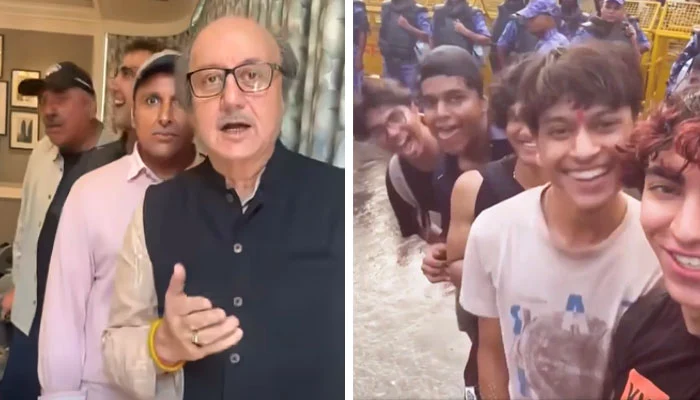
    Indian social media influencer Abhinav Bisht, who gained overnight fame after a viral Instagram reel filmed during a protest at Jantar Mantar, has become an internet sensation. His unique style and entertaining approach have attracted widespread attention, with even Bollywood actor Anupam Kher joining the trend by recreating a reel inspired by Bisht’s popular style. The viral moment originated during a protest organized by the “Cockroach Janta Party” at Jantar Mantar in India. The demonstration was held over allegations of examination irregularities and paper leaks, with protesters demanding the resignation of Education Minister Dharmendra Pradhan. A large number of young people participated in the protest, which later gained significant public attention. Following the controversy and widespread discussions surrounding the issue, the protest became a major talking point on social media. Amid the demonstrations, a young participant named Abhinav Bisht recorded a humorous and entertaining Instagram reel at the protest venue. The video unexpectedly went viral, giving him a new identity in the digital world. Bisht’s creative style, expressions, and unconventional way of presenting content quickly caught the attention of social media users. Thousands of people shared and appreciated his reel, turning him from an ordinary participant at a protest into a widely recognized internet personality. The popularity of his content also reached Bollywood, where veteran actor Anupam Kher recreated a similar reel with his fellow artists. Kher shared the video on Instagram, adopting elements of Bisht’s style, and the recreation received significant appreciation from viewers. The response highlighted how social media trends can quickly influence mainstream entertainment and popular culture. Speaking about his sudden rise to fame, Abhinav Bisht said that he had attended the protest mainly for entertainment and did not expect the videos he created there to receive such a massive response. He explained that his intention was simply to capture a fun moment, but the content connected with a large audience and spread rapidly across social media platforms. Bisht revealed that before the viral videos, he had around 5,000 followers on Instagram. However, after his reels gained popularity, his follower count increased dramatically and reached nearly 900,000. He described the growth as an unexpected turning point in his social media journey. According to Bisht, the unique and humorous content he created at Jantar Mantar resonated strongly with viewers. He said that the positive response not only increased his popularity but also gave his social media career a major boost. The incident reflects the growing influence of social media platforms, where ordinary moments can transform into viral sensations within hours. In recent years, several individuals have gained fame through short videos, creative expressions, and relatable content shared online. Abhinav Bisht’s experience demonstrates how digital platforms can create new opportunities for emerging creators. A simple reel recorded during a public event helped him build a large online following and attract attention from celebrities. As his popularity continues to grow, Bisht has become an example of how creativity, timing, and audience engagement can turn an unexpected moment into a major online success story.

  • |

    Trump claims press and political rivals ‘devised’ the word ‘affordability’

    US President Donald Trump claimed during an address in Las Vegas that the word ‘affordability’ was invented by the press and political opponents to criticize his administration’s economic record. Speaking at the Red Rock Casino Resort and Spa, the president reflected on tax policies and economic performance, arguing that costs were coming down significantly compared to high inflation during his initial transition into office. Trump asserted that reporters began using affordability as a newly devised buzzword on his first day in office to framed cost-of-living concerns. The remarks build on earlier statements from late 2025 where Trump characterised affordability as a political narrative promoted by Democrats to downplay economic progress.

  • | | |

    The rise of Gen Z activism in India: A digital era…

    India’s younger generation is increasingly shaping public debate through digital platforms, demonstrating how social media has become a powerful tool for civic engagement and political participation. Unlike previous generations that relied heavily on traditional media or established political organizations, many members of Generation Z use platforms such as X, Instagram, and YouTube to share information, organize campaigns, and amplify public concerns. The growing influence of digital activism reflects a broader global trend. Young people are more connected than ever before, enabling them to discuss social, educational, economic, and political issues in real time. Social media allows ideas to spread rapidly, encourages public participation, and provides a space where diverse opinions can be expressed. As a result, youth-led campaigns can attract national and even international attention within a short period. Peaceful civic participation remains one of the most effective ways for citizens to express their views. When protests and public campaigns remain non-violent and focused on dialogue, they can encourage discussions between governments, institutions, and the public. Digital platforms complement these efforts by helping organizers communicate with supporters, share updates, and raise awareness about issues that affect young people. At the same time, digital activism also presents challenges. Information shared online may not always be accurate, and misinformation can spread quickly if claims are not verified. For this reason, responsible use of social media is essential. Participants, journalists, and readers alike should rely on credible sources, verify facts, and encourage respectful discussion rather than polarization. The increasing involvement of Gen Z in public affairs highlights the importance of youth voices in a democratic society. Young citizens often bring fresh perspectives on education, employment, governance, and social justice. Their participation can contribute to meaningful conversations about policy and accountability while encouraging greater civic engagement among their peers. As digital technology continues to evolve, the relationship between social media and public participation is likely to become even stronger. Governments, civil society organizations, and educational institutions will need to adapt to this changing landscape by promoting digital literacy, transparency, and constructive dialogue. Regardless of political viewpoints, the rise of digitally connected youth demonstrates that technology is transforming how citizens engage with public issues, making informed participation and responsible communication more important than ever.

  • | | | |

    Iranian strike hits Chinese company building in Ku…

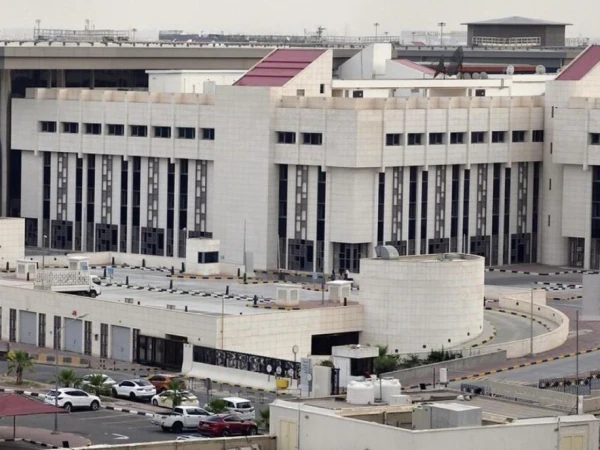
    KUWAIT CITY: A building belonging to a Chinese company in northern Kuwait was struck during an alleged Iranian attack, leaving one worker dead and causing extensive structural damage, according to Kuwait’s Ministry of Defense. The ministry confirmed the incident in an official statement on Wednesday, saying emergency response teams and security agencies were immediately dispatched to the affected site to secure the area, assess the damage, and launch rescue operations. Authorities said one worker was killed in the strike, but did not immediately disclose the victim’s identity or nationality. Officials added that investigations are continuing to determine whether there were additional casualties or injuries and to establish the full extent of the damage caused by the attack. Images from the scene showed emergency personnel working around the damaged building as security forces cordoned off the area. Officials have yet to release further details regarding the type of weapon used or the circumstances surrounding the strike. In its statement, Kuwait’s Ministry of Defense stressed that the country’s armed forces remain on high alert and are fully prepared to safeguard Kuwait’s sovereignty, territorial integrity, and national security against any external threat. The ministry also urged the public to rely only on official government statements for updates, warning citizens against spreading or believing unverified reports and rumors circulating on social media. The attack comes amid heightened regional tensions linked to the ongoing confrontation between Iran and the United States, which has fueled growing security concerns across the Gulf region. In recent weeks, military facilities, energy infrastructure, commercial shipping routes, and strategic installations have increasingly come under threat, raising fears of a wider regional escalation. Security analysts say the latest strike demonstrates how the conflict is expanding beyond its primary actors, with neighboring Gulf states facing increasing risks from the deteriorating security environment. Kuwait, which has traditionally sought to maintain balanced regional relations, now finds itself confronting the possibility of being directly affected by the broader conflict. The incident is expected to intensify security measures across the country, particularly around critical infrastructure, industrial facilities, and foreign-owned commercial sites. Regional governments have already strengthened surveillance and emergency preparedness in response to the growing threat of cross-border attacks. No immediate statement was issued by Iranian authorities regarding the alleged strike. Meanwhile, Kuwaiti officials said investigations remain underway and pledged to provide further information as more details become available. The latest incident underscores the widening regional impact of the Iran-US confrontation and highlights growing concerns that escalating hostilities could increasingly affect civilian infrastructure and foreign businesses operating across the Gulf.

  • |

    Indonesia central bank chief resigns suddenly

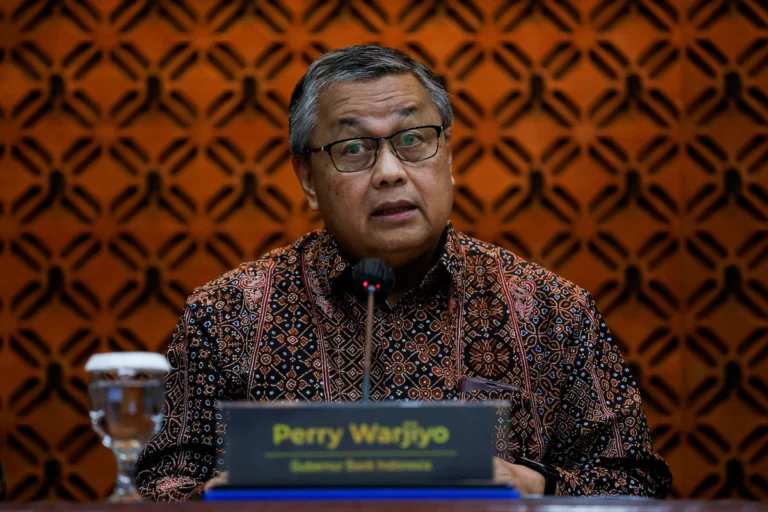
    JAKARTA: Indonesia’s central bank governor Perry Warjiyo has unexpectedly stepped down, raising concerns among investors about the future independence of monetary policy and the stability of financial markets. President Prabowo Subianto accepted Warjiyo’s resignation on Monday. The government said the governor resigned for personal reasons. Destry Damayanti, a senior deputy governor at Bank Indonesia (BI), has been appointed interim governor. She has pledged to maintain continuity and ensure that the central bank continues carrying out its responsibilities. The surprise resignation came at a sensitive time for Indonesia’s economy. Bank Indonesia has faced growing pressure to support the government’s ambitious economic growth plans. The Indonesian rupiah has also faced significant pressure. It fell to a record low in June amid concerns over fiscal management and the independence of the central bank. Following news of Warjiyo’s departure, the rupiah weakened further. It fell as much as 0.36% to around 18,000 against the US dollar. Indonesia’s main stock index also moved between gains and losses during volatile trading. Analysts warned that the sudden leadership change could unsettle investors. Some economists said concerns could increase if the next permanent governor is seen as closely aligned with the government. They stressed that Bank Indonesia’s independence is important for maintaining investor confidence and stable monetary policy. Warjiyo submitted his resignation to the president on Saturday. Officials did not provide further details about his personal reasons. Warjiyo has spent decades at Bank Indonesia. He joined the institution in 1984 and was appointed governor for the first time in 2018. He was reappointed in 2023 for another five-year term. The appointment of his permanent successor will require both presidential and parliamentary approval. The president will nominate a candidate, who will then face a parliamentary suitability review before a final decision is made. The government has not yet submitted a permanent nomination. Officials have urged investors and other market participants to remain calm during the transition. They said the selection process would be conducted transparently and would not interfere with monetary policy or financial stability. Destry said the central bank would continue working to maintain rupiah stability and protect the country’s financial system. The leadership change comes after Indonesia introduced legislative changes affecting the central bank and other independent financial regulators. The new framework gives lawmakers greater authority to issue binding recommendations to these institutions. The changes have already raised questions about the level of Bank Indonesia’s independence. Credit rating agencies have also been monitoring developments surrounding the central bank’s mandate. Moody’s and Fitch previously highlighted concerns about changes to the institution’s role when they revised Indonesia’s credit outlook to negative. S&P Global Ratings, however, maintained a stable outlook this month. It said Bank Indonesia had maintained operational independence broadly comparable with other central banks in the region. Bank Indonesia has recently taken measures to support the rupiah and attract foreign investment. It unexpectedly kept interest rates unchanged last week while introducing new incentives aimed at encouraging capital inflows. The central bank had previously raised interest rates by a total of 100 basis points since May to support the currency. The latest resignation adds another layer of uncertainty for investors as the government seeks faster economic growth. Markets will now closely watch the selection of Warjiyo’s permanent successor. Investors are expected to assess whether the new leadership can maintain monetary stability while responding to the government’s economic priorities.

  • |

    DR Congo bans copper and cobalt concentrate exports to boost domestic smelting

    The Democratic Republic of Congo has banned the export of copper and cobalt concentrates, accelerating national efforts to enforce in-country mineral processing and retain greater economic value from its natural resources. The ministerial decree, signed by Mines Minister Louis Kabamba Watum, Foreign Trade Minister Julien Paluku Kahongya, and Economy Minister Daniel Mukoko Samba, takes effect immediately. The regulation revokes a previous 2023 framework and its associated exemptions, replacing them with a comprehensive structure governing mineral exports alongside a new tax regime on mining by-products. Following news of the export ban, benchmark three-month copper on the London Metal Exchange rose by up to 1.8 per cent to $14,369.50 per metric ton, approaching historic record highs. While the prohibition is absolute, the decree allows for temporary one-year waivers under specific strategic circumstances. Major mining operators, including Ivanhoe Mines, which runs the Kamoa-Kakula copper complex in partnership with Zijin Mining,indicated that domestic processing facilities, such as the on-site smelter and the Lualaba copper smelter in Kolwezi, process the majority of local yields. Analysts note that because the vast majority of Congolese copper and cobalt is already refined locally into cathodes and hydroxides prior to shipment, the new policy primarily aims to eliminate remaining concentrate exports while standardising royalty collections across trace mineral by-products.

Leave a Reply

Your email address will not be published. Required fields are marked *