perez hiltons family
| |

Perez Hilton’s family shares hopeful health upda…

Celebrity blogger Perez Hilton’s family has spoken publicly for the first time following his hospitalization, offering a hopeful update while asking for privacy as he continues to receive medical care.

The 48-year-old media personality was taken to a hospital on August 4 after a deeply distressing TikTok livestream prompted concerned viewers to contact emergency services. Authorities responded to the situation and transported Hilton to a nearby hospital, where he has remained under medical supervision. 

A day after the incident, Hilton’s family released a statement through his official website, confirming that he is now able to communicate. They described this development as a positive sign and said it has given them hope during an incredibly difficult time.

“We remain hopeful,” the family shared, while expressing gratitude for the overwhelming support they have received from fans, friends, and well-wishers around the world. They also thanked first responders and medical professionals for acting quickly and providing care when it was needed most. 

The family acknowledged that they are still waiting for more answers regarding Hilton’s condition but stressed that their primary focus is on his recovery. They requested continued prayers, patience, and privacy as doctors monitor his progress.

Hilton’s representatives also released a brief statement, saying their immediate concern is his health and well-being. They declined to comment further, explaining that the situation remains sensitive and that the family’s wishes for privacy should be respected. 

The incident has sparked widespread conversations about mental health and the challenges of living in the public eye. Many public figures and fans have shared messages of compassion, urging people to approach the situation with empathy rather than judgment. Social media users have also praised the swift response from viewers who alerted emergency services after witnessing the livestream. 

TikTok confirmed that the livestream was flagged by its automated safety systems but said a moderation error delayed its removal. The platform has since banned the account involved for violating its policies on self-harm content. 

For now, Perez Hilton’s family says they remain optimistic as he continues treatment. While they have not shared additional details about his medical condition, their latest statement offers reassurance that he is communicating with those around him, giving loved ones renewed hope for his recovery. 
Similar Posts

  • |

    ‘Butcher of Bosnia’ Ratko Mladic dies at 84 in…

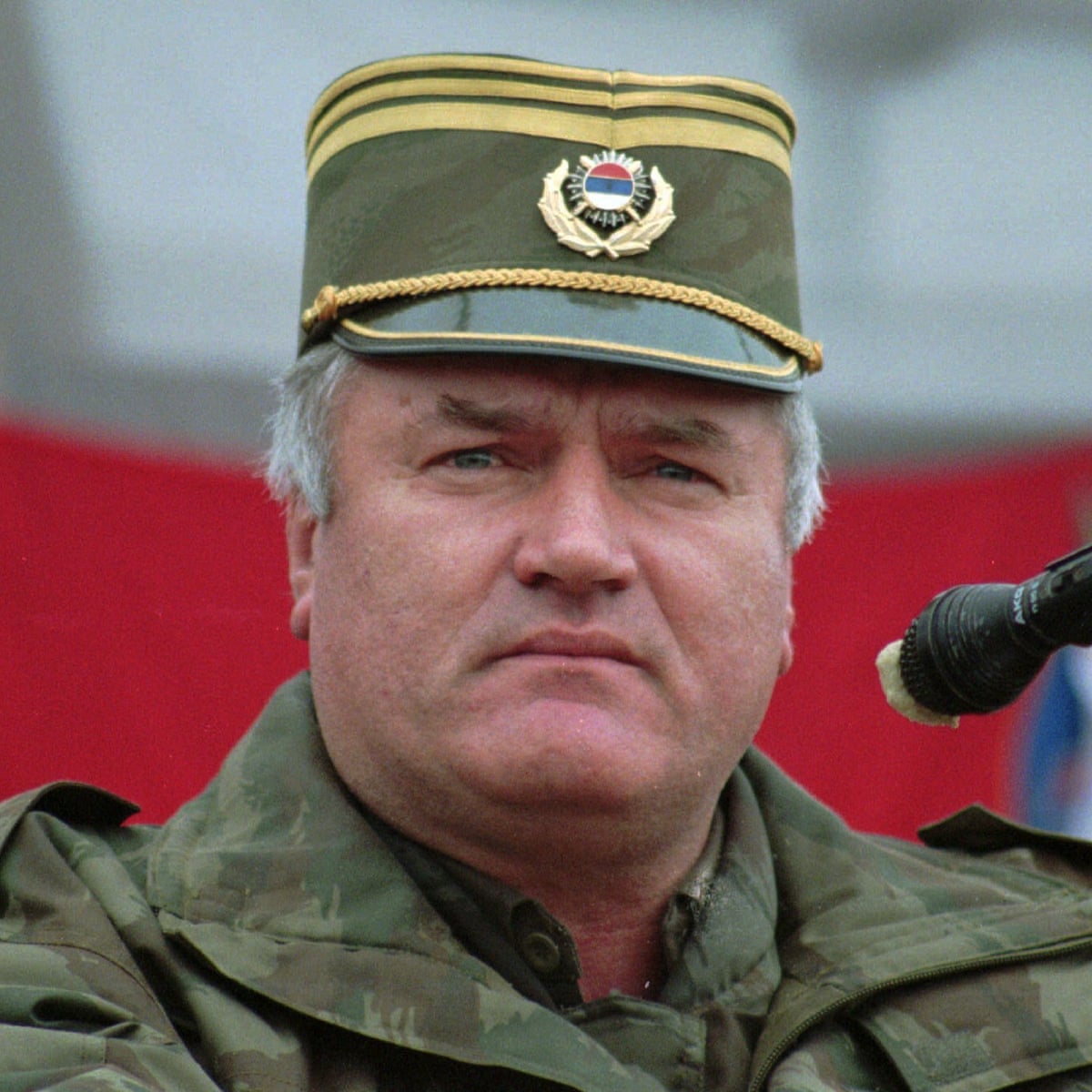
    THE HAGUE: Ratko Mladic, the former Bosnian Serb military commander convicted of genocide, war crimes and crimes against humanity over some of the worst atrocities of the Bosnian war, has died at the age of 84 while serving a life sentence in The Hague. Mladic died in a United Nations detention facility in the Netherlands after suffering several strokes and a prolonged deterioration in his health, Serbian state broadcaster RTS reported. A UN official also confirmed his death. His death was reported on Thursday, August 27, and comes more than three decades after he became one of the most notorious figures of the 1992-95 Bosnian War. Known internationally as the “Butcher of Bosnia,” Mladic commanded Bosnian Serb forces during the conflict that followed the breakup of Yugoslavia. His name became inseparable from the 1995 Srebrenica massacre, when more than 8,000 Bosniak Muslim men and boys were killed after the town had been designated a UN-protected safe area. The killings at Srebrenica are regarded as the worst atrocity in Europe since the Second World War. International judges later concluded that Mladic played a central role in the operation, including the forcible removal of civilians and the execution of thousands of men and boys. The massacre was followed by attempts to conceal evidence, with victims buried in mass graves and, in some cases, their remains later moved to secondary locations. Mladic was indicted by the International Criminal Tribunal for the former Yugoslavia in 1995 but remained at large for another 16 years. He was finally arrested in Serbia in May 2011 and transferred to The Hague. In 2017, the tribunal convicted him of genocide, crimes against humanity and war crimes and sentenced him to life imprisonment. His appeal was rejected in 2021, leaving the life sentence intact. Throughout his trial and appeal, Mladic denied responsibility for the crimes and repeatedly attacked the tribunal’s legitimacy. He remained an admired figure among some Serbian nationalists, even as survivors and victims’ families continued to regard him as a symbol of the violence inflicted on Bosnia’s Muslim population. In his final years, Mladic’s family and lawyers repeatedly sought permission for him to receive treatment in Serbia or be released on humanitarian grounds because of his worsening health. Those requests were rejected. RTS reported that a recent request to allow him to spend his final days at home was also turned down. His death closes the life of one of the most infamous commanders of the Balkan wars, but the wounds left by Srebrenica and the wider Bosnian conflict remain deeply embedded in the region’s history.

  • | |

    Spotify reveals Atif Aslam nears 8 billion streams

    Atif Aslam is entering the release of his fourth studio album with a set of streaming numbers that underscore just how far his music has travelled and how deeply it has embedded itself in the listening habits of people around the world. With Subah Aye Na set to arrive on July 31, 2026, his first full-length album since Meri Kahani debuted in 2008, Spotify has released a series of listening insights that paint a remarkable picture of his global reach. According to the figures, Atif currently holds nearly 8 billion monthly streams on the platform, drawing in more than 80 million listeners spread across 184 countries. In 2025 alone, 96 percent of Atif’s listeners streamed his songs outside Pakistan, highlighting the strength of his international fanbase across the Middle East, North America, Asia Pacific, Europe, South Asia and beyond. (jang) It is a figure that speaks to something more than commercial success. It points to a voice that has crossed cultural and linguistic boundaries in a way that very few South Asian artists have managed at this scale. The generational dimension of his audience is equally striking. Spotify stats confirm that 85 percent of his streams come from younger listeners, suggesting that despite being a millennial himself, Atif’s music resonates deeply with Gen-Z audiences who have discovered him well into his career. (jang) That cross-generational appeal is one of the rarer qualities an artist can have, and the numbers suggest it is very much alive. Last year, more than 41 million listeners discovered or returned to his music on Spotify, a surge that reflects both new audiences finding him for the first time and long-time fans coming back. (jang) The platform also confirmed that his songs appear on more than 37.5 million user-created playlists, including wedding playlists, late night drive compilations and more, (jang) a detail that says as much about the emotional context of his music as it does about its streaming performance. His songs are not simply being listened to. They are being chosen for life’s most significant moments. Atif himself has been characteristically thoughtful in describing what the new album represents. “This album is a true representation of freeing myself from the chaos and meeting my real self,” he said. “Stay tuned. I can’t wait for all of you to hear it.” Subah Aye Na is an eight-track album featuring the songs Subah Aye Na, Safar Mein Hun, Ishq, Let’s Have Some Fun, Sun Sajna, Hun Ishq Mein, Char Yaar and Sachay Waday. For an artist whose career began with Doorie and Aadat and has since become the soundtrack to countless lives across the subcontinent and beyond, July 31 represents not just a new release but a return to something deeply personal.

  • | | | |

    Pakistan’s blasphemy cases hit record low

    Pakistan has witnessed a significant decline in registered blasphemy cases this year following a crackdown on hardline religious groups, signalling what analysts describe as a major shift in the country’s security policy. According to figures cited by the Human Rights Commission of Pakistan (HRCP), only 13 blasphemy cases have been registered so far in 2026, marking a fall of nearly two-thirds compared with the same period in recent years. Data from conflict monitoring organisation ACLED also indicates that only one blasphemy-related riot or attack has occurred over the past year, compared with an annual average of more than seven incidents between 2021 and 2024. The decline comes after security agencies intensified action against several extremist organisations accused of exploiting blasphemy allegations to incite violence. Officials familiar with the matter said the campaign has included arrests of key figures, restrictions on organisational activities, freezing of financial assets and tighter monitoring of religious gatherings. The change was evident during an incident in Karachi last month, where allegations of blasphemy against a Christian family drew a large crowd. Police officers intervened before the situation turned violent and persuaded protesters to disperse peacefully. Authorities later determined that the accusations against the family were baseless, allowing them to be moved to safety without further harm. Analysts believe the reduced presence of organised extremist groups has played a key role in preventing mob violence that has historically followed blasphemy accusations. Pakistan has witnessed around 90 blasphemy-related lynchings since 1990, with many incidents beginning after rumours spread through local communities. Security experts say the military leadership has adopted a tougher stance against groups previously accused of using religious sentiments to mobilise supporters and pressure governments. They argue the policy shift is linked to broader efforts to strengthen Pakistan’s international image, attract foreign investment and improve relations with Western countries while tackling growing security threats at home. Officials also believe that curbing religious extremism is necessary to address worsening militancy in Balochistan and Khyber Pakhtunkhwa, where insurgent violence continues to challenge the state’s authority. Some analysts say extremist organisations and militant groups have historically drawn support from similar networks of radicalised youth. The country’s largest hardline religious party, Tehreek-e-Labbaik Pakistan (TLP), was banned last year after authorities concluded that its activities posed a threat to public order and Pakistan’s international reputation. Government measures reportedly included detaining senior leaders, sealing offices and restricting financial operations. The party has rejected the ban, calling it unconstitutional. Despite the decline in violence, observers caution that extremist ideology remains deeply rooted in parts of society. Human rights advocates say minority communities, including Christians, Ahmadis and Shia Muslims, continue to live under the fear of false accusations, as Pakistan’s blasphemy laws remain in force and carry the death penalty. Security analysts also warn that sustained enforcement will be necessary to prevent banned organisations from regrouping or resurfacing under new identities. They argue that long-term success will depend on consistent policies rather than temporary crackdowns.

  • |

    Houthis clash with Yemeni government forces as regional tensions escalate

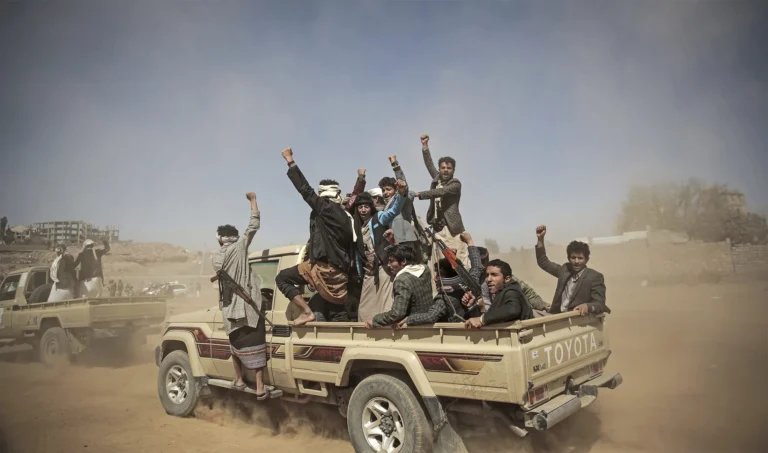
    Fighting between Iran-backed Houthi rebels and Yemeni government troops intensified in Taiz province, claiming the life of at least one government soldier and critically injuring another amid fears of a renewed civil war. Yemeni military officials reported that the recent flare-up is part of a broader wave of Houthi assaults across multiple provinces that have killed dozens of government troops over the past week. Concurrently, the Houthis claimed responsibility for a drone attack targeting a Saudi Aramco oil refinery in Jazan, marking the second reported strike on the facility following an incident last weekend that caused a localized fire. The military escalation coincides with a Houthi-announced blockade on Saudi maritime shipping, further threatening crucial red sea trade corridors. In response to regional instability, the US Navy directed the USS George Washington to deploy toward the Middle East, replacing the USS Abraham Lincoln following reported operational strains and crew welfare concerns aboard the long-deployed carrier.

  • | | |

    Lahore custody deaths: Punjab police says women di…

    Punjab Inspector General Rao Abdul Karim has said that there is no evidence of physical torture or police violence in the deaths of two women who died after being taken into custody at a Lahore police station. The two women 17-year-old Amna and 22-year-old Anmol were sisters-in-law. They were arrested on August 4 in connection with a case involving alleged theft and fraud and were taken to Township Police Station in Lahore. According to police both women developed health problems within a few hours of their detention. They were subsequently taken to hospital, where they died. Speaking to the media on Tuesday night Punjab IG Rao Abdul Karim said a transparent and impartial investigation had been conducted into the incident. He claimed that a medical board had found no evidence of physical torture external injuries or wounds on the bodies of either woman. He also said that a separate magisterial inquiry conducted under Section 176 of the Code of Criminal Procedure found no evidence of police torture. The investigation included a detailed review of available CCTV footage while statements from police officers and witnesses were also recorded according to the Punjab police chief. The IG further said that the initial medical examination found multiple injection marks on the women’s arms. According to him, the marks were consistent with repeated use of injectable substances. The Punjab Forensic Science Authority collected the necessary forensic samples for further investigation and the forensic report has now been received. Citing the forensic findings, the Punjab IG claimed that both women were habitual users of different types of drugs. He said the medical board had concluded that their deaths resulted from cardiac arrest caused by a drug overdose. The police chief also claimed that both women had previous criminal cases registered against them in Lahore and Gujrat in connection with alleged fraud and cheating. He added that a review of CCTV footage showed that the women’s clothes had already been torn before they were taken into police custody. The deaths have raised questions about the circumstances surrounding the women’s detention and the events that occurred before they were taken to hospital. While the Punjab police has ruled out torture based on the available medical, forensic and investigative findings the case has attracted significant public attention. The findings of the medical and forensic investigations are expected to remain central to any further legal or public scrutiny of the Lahore custody deaths.

  • | |

    PM Shehbaz orders expansion of digital services fo…

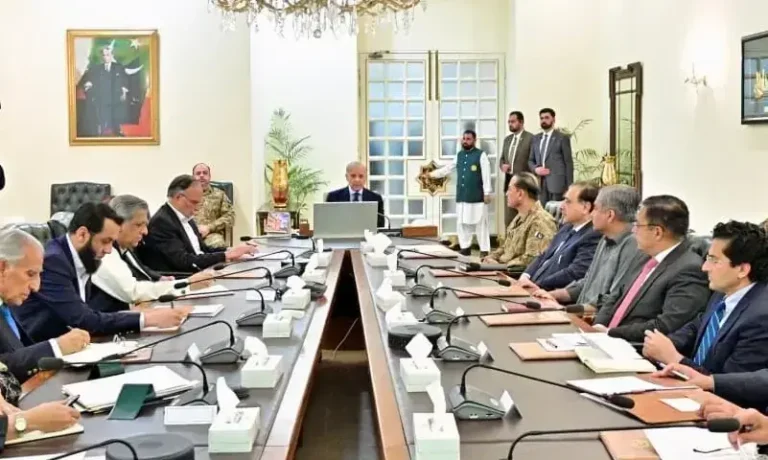
    Prime Minister Shehbaz Sharif has directed authorities to expand digital consular services for overseas Pakistanis, improve facilities at Pakistani missions abroad, simplify the complaints system and speed up the digitization of document attestation and official transactions. According to a statement from the Prime Minister’s Office, the directives came during a meeting chaired by the prime minister in which officials from the Ministry of Foreign Affairs, Pakistani ambassadors serving in various countries, and senior representatives from the Ministry of Interior, the Federal Investigation Agency, the Ministry of Information Technology and other relevant departments briefed him on ongoing reform efforts. Shehbaz said overseas Pakistanis represent a valuable asset for the country and that providing them with every possible facility remains a top government priority. Officials told the meeting that a QR code system has already been rolled out to simplify procedures for power of attorney, property transactions and document attestation for Pakistanis living abroad. The prime minister welcomed the initiative and directed authorities to prominently display the QR codes at Pakistani embassies and missions worldwide to improve access to the digital complaints registration system. Shehbaz also instructed the Ministry of Foreign Affairs to launch a dedicated awareness campaign encouraging overseas Pakistanis to use the QR code based system when filing complaints. The meeting was told that the ministry has recently introduced an evening shift at its Islamabad office to make services more accessible to citizens, and that document attestation services have also been launched at the Asaan Khidmat Centre in Islamabad. Officials further reported that the ministry has introduced courier based attestation services and linked its verification system with databases maintained by the Higher Education Commission, the Inter Boards Coordination Commission, the National Database and Registration Authority and the National Police Bureau, a step that has significantly cut processing times. The meeting also heard that the apostille system has reduced document attestation to a single step process. Officials said work is now underway to fully digitize the system, with the National Information Technology Board developing a mobile application that would allow digital verification of documents including birth and death certificates, marriage registration certificates and family registration certificates, among other official records. Deputy Prime Minister and Foreign Minister Ishaq Dar attended the meeting alongside federal ministers Ahsan Iqbal Cheema, Attaullah Tarar, Chaudhry Salik Hussain and Shaza Fatima Khawaja, Minister of State Awn Chaudhry, Special Assistant to the Prime Minister Tariq Bajwa and other senior officials. The push to digitize consular services reflects a broader effort by the government to modernize public sector delivery and reduce bureaucratic delays, an initiative that has gained momentum in recent years as authorities look to integrate various state databases and cut down on the paperwork burden faced by citizens both at home and abroad.

Leave a Reply

Your email address will not be published. Required fields are marked *