salman khan reveals
|

Salman Khan reveals 16kg weight loss amid health concerns

Salman Khan has responded to growing concern about his health after fans noticed his slimmer appearance in recent public outings and began speculating about his well-being.

The Bollywood superstar recently appeared alongside his younger brother, Sohail Khan, during a television appearance where the two discussed fitness, weight loss and maintaining a healthy lifestyle. The conversation quickly drew attention after Salman commented on Sohail’s transformed physique.

Noticing his brother’s leaner frame, Salman remarked that Sohail had clearly lost weight. Sohail proudly revealed that he had shed 12 kilograms and achieved a toned physique, even showing off his six-pack abs.

The conversation then turned to Salman himself, who surprised viewers by sharing that he had also undergone a significant physical transformation.

According to the actor, he has lost 16 kilograms, confirming that his noticeable weight loss was real rather than the result of camera angles or styling. While he did not provide details about the reason behind the weight loss, his comments appeared to reassure fans who had been worried about his health in recent weeks.

Speculation surrounding Salman’s condition intensified after videos from several public appearances circulated online. Many social media users observed that the actor looked noticeably slimmer than before, with some commenting that he appeared tired or frail. The discussions quickly gained momentum, leading to widespread concern among fans.

His latest remarks have now clarified that he has intentionally lost a significant amount of weight, although he did not elaborate on his fitness routine, diet or any medical reasons behind the transformation.

Salman has long been known for maintaining an athletic physique and has inspired millions of fans with his dedication to fitness throughout his decades-long career. Whether for film roles or personal health, the actor has often undergone physical transformations, making fitness an important part of his public image.

Despite the recent attention surrounding his appearance, Salman continues to remain busy with multiple film projects.

One of his most anticipated upcoming releases is the patriotic war drama Maatrubhumi: May War Rest in Peace, previously known as Battle of Galwan. The film has reportedly undergone extensive reshoots, resulting in several changes to its release plans. While it was initially expected to arrive in 2026, recent reports suggest the release has been pushed back and may now take place in 2027.

The actor is also preparing for another major project alongside South Indian star Nayanthara. The film, currently being referred to by its working title SVC63, is being directed by Vamshi Paidipally. Although an official title has yet to be announced, the makers are reportedly targeting an Eid 2027 release.

With multiple high-profile films in development, Salman remains one of Bollywood’s busiest stars. His recent comments about losing 16 kilograms have helped address widespread speculation, offering fans reassurance while also highlighting his continued focus on fitness as he prepares for his upcoming projects.


Similar Posts

  • |

    Pakistan, Belarus agree to expand agricultural trade through online B2B platforms

    ISLAMABAD: Pakistan and Belarus have agreed to strengthen agricultural and food-sector cooperation by facilitating online business-to-business (B2B) engagements between companies from the two countries. The understanding was reached during a meeting between Federal Minister for National Food Security and Research Rana Tanveer Hussain and Belarusian Deputy Minister of Agriculture and Food Yakovchits Aleksander. The discussions focused on expanding bilateral trade, improving business-to-business connectivity and creating new opportunities for cooperation in agriculture and food-related sectors. Under the proposed initiative, businesses and relevant organisations from Pakistan and Belarus will be encouraged to participate in online B2B meetings. The sessions are expected to connect exporters, importers and other industry stakeholders and help them explore potential commercial partnerships. The two countries identified a number of products with potential for increased bilateral trade, including seafood, citrus fruits, mangoes, fruit puree, potatoes, seeds and dairy products. Greater business connectivity in these areas could help companies explore new markets and diversify trade opportunities. Focus on Agricultural Exhibitions Pakistan and Belarus also agreed to encourage greater participation by businesses and agricultural stakeholders in food exhibitions, trade fairs and other industry events held in both countries. Such events will provide companies with opportunities to showcase their products, establish business contacts, develop partnerships and explore investment opportunities. The initiative is also expected to help strengthen direct commercial links between businesses operating in the agricultural and food sectors. The two sides further agreed to facilitate reciprocal visits by agricultural trade and business delegations. These exchanges are aimed at encouraging investment, sharing technical expertise and identifying areas where companies and institutions from both countries can work together. Cooperation in Fish Farming The meeting also discussed prospects for cooperation in fisheries, particularly fish farming and aquaculture. Both sides agreed to promote the exchange of knowledge, technology and best practices in the sector. Cooperation in this area could support the adoption of modern aquaculture techniques while providing opportunities for technical collaboration and investment. The initiative is expected to contribute to the development of more efficient fish-farming practices and strengthen cooperation between relevant institutions and businesses in Pakistan and Belarus. Proposal for Agricultural Machinery Testing Centre During the meeting, Rana Tanveer Hussain proposed the establishment of a universal agricultural machinery testing facility or centre at the Pakistan Agricultural Research Council (PARC), with financial and technical assistance from Belarus. The proposed centre would provide a platform for testing agricultural machinery and assessing its suitability for use in Pakistan’s farming sector. The Belarusian side took note of the proposal and agreed to examine the initiative further. As part of the process, the two sides agreed to conduct a detailed assessment of the proposed facility. This will include identifying the machinery and equipment required for the centre and evaluating locations suggested by Pakistan for establishing machinery testing stations. Pakistan and Belarus also agreed to facilitate exchange visits by highly qualified technical experts by the end of 2026. The visits are expected to help specialists assess technical requirements, exchange expertise and explore practical mechanisms for implementing the proposed cooperation. Pakistan Seeks Practical Outcomes Rana Tanveer Hussain emphasised the need to transform bilateral cooperation into practical commercial, technological and institutional results. He said Pakistan was interested in expanding its engagement with Belarus in emerging areas of agriculture and food security, while creating greater opportunities for farmers, businesses, investors and technical experts. The minister highlighted the importance of stronger institutional and private-sector linkages to ensure that agreements between the two countries translate into tangible economic benefits. Both sides expressed satisfaction with the growing cooperation between Pakistan and Belarus and reaffirmed their commitment to expanding collaboration in agriculture, food trade, fisheries, technology and agricultural machinery.

  • |

    India television actress Aditi Sharma files domestic violence case against husband and in-laws in Mumbai

    Indian television actress Aditi Sharma has filed a domestic violence complaint against her husband and in-laws in Mumbai, alleging that she was subjected to physical and mental abuse, harassment, and mistreatment after her marriage. The actress has accused her husband, mother-in-law, and sister-in-law of involvement in repeated incidents of domestic violence and emotional distress. According to police officials, a First Information Report (FIR) was registered on July 31 at the Goregaon Police Station in Mumbai against Aditi Sharma’s husband, mother-in-law, and sister-in-law. The police have started an investigation into the allegations and are examining the details provided in the complaint. In her complaint, Aditi Sharma alleged that she faced continuous physical and psychological abuse, including beatings, verbal harassment, character assassination, and domestic intimidation. She also accused her in-laws of misusing the jewelry and valuables that she had brought with her as part of her wedding belongings. The actress explained that she first met her husband, Abhinay, in June 2021 during an online acting class. Their initial friendship gradually developed into a romantic relationship, and the couple eventually decided to get married with the consent of both families. According to Sharma, the relationship appeared positive in the beginning, but problems started shortly after their marriage. She stated that the couple began living together in a flat in Goregaon West in September 2024 and got married on November 12, 2024, in the presence of their families. However, she alleged that her husband’s behavior changed soon after the wedding. According to her complaint, disagreements began over minor issues, including her clothing choices and everyday household matters. Sharma further alleged that instead of contributing to household expenses, her husband frequently took money from her. She claimed that she had to bear financial responsibilities while also facing emotional and mental pressure within the marriage. The actress stated that a dispute on January 1, 2025, regarding drinking coffee turned into a serious argument. Following that incident, she alleged that her husband began questioning her character, accusing her of having inappropriate relationships, and repeatedly checking her mobile phone. She claimed that these actions created an atmosphere of suspicion and control, eventually leading her husband to move to a separate room and stop maintaining normal marital relations. Aditi Sharma also alleged that she was prevented from communicating freely with her parents. She claimed that restrictions were placed on her interactions with her family, which caused her additional emotional suffering and isolation. In another serious allegation, Sharma accused her mother-in-law of keeping her wedding jewelry and refusing to return it despite repeated requests. She claimed that her jewelry was retained without her consent and that her efforts to recover her belongings were ignored. The actress further alleged that whenever attempts were made to resolve disputes within the family, her mother-in-law and sister-in-law consistently supported her husband and contributed to her continued harassment. The police have registered the case and initiated further investigation into the allegations. The matter will now proceed according to the legal process, with authorities expected to examine evidence and statements from all parties involved.

  • |

    Ahsan Khan reveals why he said yes to Aap Ki Izzat

    Pakistani actor Ahsan Khan has opened up about the reasons that convinced him to join the hit drama Aap Ki Izzat, sharing how the project’s strong team, compelling script, and talented director made it an easy decision. The drama has quickly become one of the most talked-about television serials, earning praise from audiences and critics alike. Since its premiere on HUM TV, the series has generated millions of views across digital platforms while maintaining impressive television ratings. Penned by celebrated writer Umera Ahmed, Aap Ki Izzat is produced by Nina Kashif and Momina Duraid and directed by Saifee Hassan. The cast features Ahsan Khan, Urwa Hocane, Sania Saeed, Nauman Masood, and Saif Ali Khan in pivotal roles. During a recent interview, Ahsan Khan reflected on how the project came his way and explained why he immediately felt connected to it. According to the actor, producer Nina Kashif was the first to approach him with the drama. He later met Momina Duraid, and the conversations about the project left a lasting impression on him. Ahsan said he felt warmly welcomed back and appreciated the supportive environment created by the production team. He noted that their professionalism and sincerity made it difficult for him to turn down the offer. The actor also expressed his admiration for director Saifee Hassan, describing him as one of the finest directors in the Pakistani television industry. Ahsan said working with Saifee had long been one of his career ambitions because of the director’s attention to detail and ability to bring emotional depth to every scene. He explained that Saifee Hassan’s narration of the story made the project even more appealing, adding that the director’s vision helped him better understand the emotional layers of his character. Ahsan also praised renowned writer Umera Ahmed, saying that her scripts naturally draw actors in because of their engaging storytelling and well-developed characters. He remarked that it was nearly impossible not to be captivated by a script written by her. The actor further acknowledged that the success of Aap Ki Izzat is the result of a collective effort. He credited the entire production team, including the cast, director, makeup artists, and crew members, for bringing the story to life on screen. Ahsan is currently portraying the character of Tabish, a role that has sparked widespread discussion among viewers. The character has received mixed reactions from fans, with many praising Ahsan’s powerful performance despite the criticism surrounding Tabish’s actions in the drama. The actor also spoke about the conversations generated by his character, suggesting that such reactions are part of portraying a complex role that resonates with audiences. As Aap Ki Izzat continues to attract viewers each week, Ahsan Khan’s performance remains one of the major highlights of the drama, with fans eagerly waiting to see how Tabish’s journey unfolds in the coming episodes.

  • |

    Time-restricted eating may boost brain health

      A recent study suggests that limiting daily meals to an eight- to nine-hour eating window may help support brain health, particularly in older women. The findings were presented at NUTRITION 2026, the annual meeting of the American Society for Nutrition, and are currently considered preliminary because the research has not yet been peer-reviewed. Scientists from Rutgers University found that women aged 50 to 79 who followed time-restricted eating while maintaining a calorie deficit performed better on certain cognitive tests than those who spread their meals over a typical 12-hour period. The six-month study included 47 overweight or obese women, all of whom reduced their daily calorie intake by about 500 calories. Of the participants, 26 consumed all of their meals within an average 8.2-hour window, while the remaining women ate over an average 12.3-hour period. Both groups lost nearly 15 pounds on average by the end of the study. However, the women who followed the shorter eating window performed better in spatial planning and problem-solving tasks. They also made fewer errors on learning and memory tests, although those improvements were not statistically significant. Researchers found no noticeable differences in reaction time or multitasking abilities. Lead researcher Dr. Sue Shapses, a professor at Rutgers University and Rutgers Robert Wood Johnson Medical School, said the findings suggest that meal timing may provide additional cognitive benefits beyond weight loss alone. She explained that finishing meals about four hours before bedtime and limiting eating to an eight- or nine-hour daily window may help reduce age-related cognitive decline. Researchers believe these benefits could be linked to the body’s circadian rhythm, metabolism, inflammation, and nutrient-sensing pathways, although more research is needed to confirm these effects. Experts cautioned that the findings should be interpreted carefully because the study involved a relatively small number of participants and has not yet undergone peer review. The researchers emphasized that larger and longer-term studies are needed to determine whether time-restricted eating can significantly improve long-term brain health and cognitive function. Until further evidence becomes available, the results provide encouraging but preliminary insights into how meal timing may influence healthy brain aging.

  • | |

    NAB chairman grilled over bureau’s performance

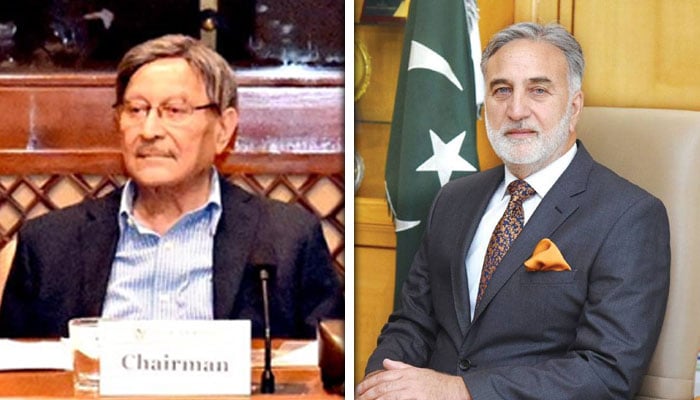
    A meeting of the Senate Standing Committee on Law and Justice was held under the chairmanship of Senator Farooq H Naek, where National Accountability Bureau (NAB) Chairman Nazir Ahmed Butt appeared before the committee on its instructions. During the meeting, Senator Farooq H Naek remarked that the NAB chairman had perhaps appeared before the committee for the first time. In response, Nazir Ahmed Butt said that it was his first appearance before the committee as NAB chairman. He added that he had appeared before the committee several times while performing his previous responsibilities. The NAB chairman said he had been assigned the responsibility in 2023. He recalled that ministers he met during his tenure repeatedly complained that the bureaucracy was afraid to make decisions and was therefore reluctant to work. During the meeting, NAB Director General Operations briefed the committee on the bureau’s powers and performance. The official said NAB had received 505,799 complaints since its establishment. He said NAB also operates as an investigative agency under the Anti-Money Laundering Act, 2010. According to the briefing, NAB has so far completed 12,147 inquiries, conducted 7,339 investigations and filed 4,105 references. The DG Operations further told the committee that NAB had been allocated Rs22.556 billion over the past three-and-a-half years. Despite the expenditure, the bureau reported significantly higher recoveries during the same period. The committee was informed that NAB had recovered Rs1.069 trillion over the past three-and-a-half years. The briefing highlighted the bureau’s role in investigating corruption, financial crimes and other cases falling under its legal mandate. The committee members discussed NAB’s powers, investigations, recoveries and its overall performance during the meeting. The NAB chairman and officials responded to questions from the committee and provided details about the bureau’s operations and financial performance.

  • | | |

    AJK violence won’t derail democracy: DG ISPR

    Pakistan’s military has defended the state’s handling of unrest in Azad Jammu and Kashmir (AJK) and the security situation in Balochistan, saying the government is exercising restraint while remaining committed to constitutional governance, counterterrorism efforts and national stability. Addressing a detailed press conference on Friday, Director General of Inter-Services Public Relations (ISPR) Lieutenant General Ahmed Sharif Chaudhry said political issues should be resolved through democratic and constitutional means, while security challenges require strong governance and public support. State urges constitutional path in AJK The military spokesperson said the state had acted with restraint in dealing with recent unrest in AJK, adding that the electoral process would continue without disruption. He stressed that the will of the people should be reflected through democratic institutions and that all individuals would be held accountable under the Constitution and the law. He said Pakistan remained committed to its long-standing position on Kashmir, describing the region as central to the country’s national policy. He also rejected claims that the Pakistan Army was an occupying force in AJK, saying security matters in the region were being handled by the AJK government, police and civilian law enforcement agencies. The DG ISPR alleged that India was attempting to fuel instability inside Pakistan through proxy campaigns and misinformation, while reaffirming Pakistan’s support for the Kashmiri people’s right to self-determination under United Nations resolutions. Good governance key to national security Responding to questions about governance reforms, the military spokesperson said effective administration was essential for ensuring peace and long-term stability. He noted that Pakistan’s rapidly growing population required a review of administrative structures and said reforms should be debated and implemented through constitutional and democratic processes. He said an administrative reset could be considered if it helped improve governance, but emphasized that any changes must reflect the will of the people and remain within the legal framework. Referring to the National Action Plan, he said most of its objectives—including countering extremist narratives, stopping terror financing, improving institutional capacity and tackling smuggling—depended on strong governance rather than military action alone. Security operations intensify against terrorism The DG ISPR said security forces had significantly increased intelligence-based operations across the country during 2026, conducting thousands of operations aimed at dismantling terrorist networks. According to him, more than 2,000 militants had been killed this year, while hundreds of security personnel and civilians had embraced martyrdom. He said the majority of recent suicide bombers were Afghan nationals and accused militant groups linked to the Afghan Taliban of supporting cross-border terrorism against Pakistan. He maintained that the rise in security incidents reflected a more aggressive counterterrorism strategy, with intelligence-led operations forcing militants into direct confrontation with security forces. Balochistan challenges linked to governance and propaganda Discussing Balochistan, the military spokesperson said the province’s security challenges stemmed from a combination of militancy, organized crime, entrenched elite interests and external interference. He argued that some influential groups resisted reforms to preserve their political and economic influence, while terrorist organizations exploited local grievances through propaganda. He highlighted ongoing development projects, including investments in education, healthcare, transport infrastructure and Gwadar’s development, saying the government had allocated substantial resources to the province. He also referred to data from the Commission of Inquiry on Enforced Disappearances, stating that most reported cases had already been resolved while investigations into the remaining cases were continuing.

Leave a Reply

Your email address will not be published. Required fields are marked *