pakistan belarus agree
|

Pakistan, Belarus agree to expand agricultural trade through online B2B platforms

ISLAMABAD: Pakistan and Belarus have agreed to strengthen agricultural and food-sector cooperation by facilitating online business-to-business (B2B) engagements between companies from the two countries.

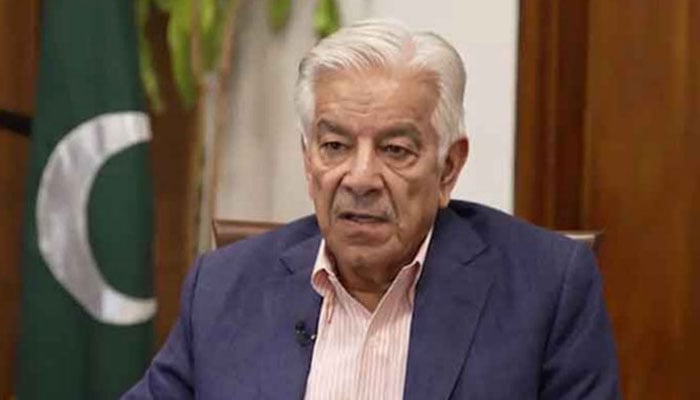
The understanding was reached during a meeting between Federal Minister for National Food Security and Research Rana Tanveer Hussain and Belarusian Deputy Minister of Agriculture and Food Yakovchits Aleksander. The discussions focused on expanding bilateral trade, improving business-to-business connectivity and creating new opportunities for cooperation in agriculture and food-related sectors.

Under the proposed initiative, businesses and relevant organisations from Pakistan and Belarus will be encouraged to participate in online B2B meetings. The sessions are expected to connect exporters, importers and other industry stakeholders and help them explore potential commercial partnerships.

The two countries identified a number of products with potential for increased bilateral trade, including seafood, citrus fruits, mangoes, fruit puree, potatoes, seeds and dairy products. Greater business connectivity in these areas could help companies explore new markets and diversify trade opportunities.

Focus on Agricultural Exhibitions

Pakistan and Belarus also agreed to encourage greater participation by businesses and agricultural stakeholders in food exhibitions, trade fairs and other industry events held in both countries.

Such events will provide companies with opportunities to showcase their products, establish business contacts, develop partnerships and explore investment opportunities. The initiative is also expected to help strengthen direct commercial links between businesses operating in the agricultural and food sectors.

The two sides further agreed to facilitate reciprocal visits by agricultural trade and business delegations. These exchanges are aimed at encouraging investment, sharing technical expertise and identifying areas where companies and institutions from both countries can work together.

Cooperation in Fish Farming

The meeting also discussed prospects for cooperation in fisheries, particularly fish farming and aquaculture.

Both sides agreed to promote the exchange of knowledge, technology and best practices in the sector. Cooperation in this area could support the adoption of modern aquaculture techniques while providing opportunities for technical collaboration and investment.

The initiative is expected to contribute to the development of more efficient fish-farming practices and strengthen cooperation between relevant institutions and businesses in Pakistan and Belarus.

Proposal for Agricultural Machinery Testing Centre

During the meeting, Rana Tanveer Hussain proposed the establishment of a universal agricultural machinery testing facility or centre at the Pakistan Agricultural Research Council (PARC), with financial and technical assistance from Belarus.

The proposed centre would provide a platform for testing agricultural machinery and assessing its suitability for use in Pakistan’s farming sector. The Belarusian side took note of the proposal and agreed to examine the initiative further.

As part of the process, the two sides agreed to conduct a detailed assessment of the proposed facility. This will include identifying the machinery and equipment required for the centre and evaluating locations suggested by Pakistan for establishing machinery testing stations.

Pakistan and Belarus also agreed to facilitate exchange visits by highly qualified technical experts by the end of 2026. The visits are expected to help specialists assess technical requirements, exchange expertise and explore practical mechanisms for implementing the proposed cooperation.

Pakistan Seeks Practical Outcomes

Rana Tanveer Hussain emphasised the need to transform bilateral cooperation into practical commercial, technological and institutional results.

He said Pakistan was interested in expanding its engagement with Belarus in emerging areas of agriculture and food security, while creating greater opportunities for farmers, businesses, investors and technical experts.

The minister highlighted the importance of stronger institutional and private-sector linkages to ensure that agreements between the two countries translate into tangible economic benefits.

Both sides expressed satisfaction with the growing cooperation between Pakistan and Belarus and reaffirmed their commitment to expanding collaboration in agriculture, food trade, fisheries, technology and agricultural machinery.

Similar Posts

  • |

    Zanjeerain takes a dramatic turn as Sarbuland and Rabia marry

    Pakistani prime-time drama Zanjeerain has continued to attract strong attention from viewers with its emotional storyline, intense conflicts and unexpected twists. The Hum TV drama, directed by Shahzad Kashmiri and written by Farhat Ishtiaq, explores tribal traditions and family conflicts in Khyber Pakhtunkhwa. The drama has gained significant popularity following several heartbreaking developments, particularly the deaths of Sher Dil, Mudassir and Bano. These events changed the direction of the story and left viewers wondering how the surviving characters would move forward. After airing 30 episodes, Zanjeerain has now reached another major turning point. In the latest episodes, the jirga made a surprising decision involving Sarbuland and Rabia. As part of the traditional practice of Khoon Baha, Sarbuland was expected to marry Rabia, a decision that came as a shock to many viewers. The much-discussed twist finally reached its conclusion in Episode 30 when Sarbuland and Rabia’s Nikah was solemnized. Their marriage has generated a strong reaction online, particularly among fans who had been hoping to see the two characters together following Bano’s tragic death. Many viewers celebrated what they saw as the much-awaited Sarbiya pairing, while others questioned the sudden development and its implications for the story. Some fans were amused by how quickly the characters moved toward marriage despite the tragic events that had taken place before it. One viewer jokingly pointed out that after so many deaths and tragedies, the characters suddenly got married without much difficulty. Another fan expressed excitement over the unexpected development, saying the twist was so surprising that they wanted to celebrate. However, not everyone was pleased with the storyline. Several viewers felt that the marriage did not fit naturally with the emotional journey of the characters. Some questioned what the development meant for Mudassir and Bano, arguing that the story appeared to move on from their relationship too quickly. Others criticised the makers for turning Mudassir’s wish to protect Rabia into a marriage between her and Sarbuland. One disappointed viewer argued that Mudassir had only asked Sarbuland to keep Rabia safe, rather than marry her. Despite the mixed reactions, the Sarbuland-Rabia Nikah has clearly become one of the most talked-about developments in Zanjeerain. The unexpected turn has left fans divided, with many now eager to see how the newly married couple’s relationship unfolds in the upcoming episodes.

  • | | | |

    Mohsin Naqvi begins official visit to Iran

      Federal Interior Minister Mohsin Naqvi has arrived in Iran on an official visit, where he is set to hold meetings with senior Iranian officials, according to Iranian media reports. Naqvi’s visit is expected to focus on strengthening relations between Pakistan and Iran and improving coordination on issues of mutual interest. During his stay, the interior minister will meet high-ranking Iranian officials and exchange views on matters concerning the two neighbouring countries. The visit comes amid continued diplomatic engagement between Islamabad and Tehran, with both sides seeking to enhance cooperation and maintain regular contact at the leadership and ministerial levels. Discussions during Naqvi’s meetings are likely to cover bilateral relations as well as regional developments that have implications for both Pakistan and Iran. The two countries share a long border and have close historical, cultural and economic ties, making regular coordination between their governments important. Pakistan and Iran have also been working to improve cooperation on border management and other issues affecting communities along their shared frontier. High-level visits and official meetings provide an opportunity for both sides to review progress, address outstanding concerns and explore new areas of cooperation. Iranian media said Naqvi will meet senior officials during his visit, although further details about his schedule and the specific issues to be discussed were not immediately disclosed. The minister’s visit is part of Pakistan’s broader efforts to maintain engagement with neighbouring countries and strengthen bilateral ties through diplomatic and official channels. His meetings in Tehran are expected to contribute to continued dialogue between the two countries and provide a platform for discussing matters of shared concern.

  • |

    20,000 flee as fast-moving wildfire engulfs British Columbia

    VANCOUVER: More than 20,000 people have been forced to leave their homes in British Columbia as a fast-moving wildfire tore through communities around Okanagan Lake, prompting provincial authorities to declare a state of emergency. The Bald Range wildfire exploded in size within hours, driven by hot, dry and windy conditions, sending residents scrambling for safety and creating an increasingly dangerous situation for firefighters and emergency crews. The blaze had expanded to roughly 9,500 hectares (23,500 acres) by Saturday, according to Reuters. Premier David Eby announced the state of emergency on Saturday as more than 100 wildfires were burning across the province. The emergency declaration gives authorities additional powers to restrict travel, coordinate resources and secure accommodation for people displaced by the fires. Thousands ordered to evacuate The communities of Summerland and Peachland were among those heavily affected. Summerland, home to around 12,000 people, was placed under an evacuation order, while thousands more residents in surrounding areas were also told to leave. Officials have warned that conditions remain extremely dangerous, with rapidly changing winds and intense flames making it difficult to assess the full extent of the damage. A number of homes and other properties have already been destroyed, although authorities have yet to determine the total number of structures lost because some affected areas remain inaccessible. The wildfire has also disrupted essential services. Power outages have been reported, while Summerland issued a boil-water advisory after untreated water entered part of the system. Highway 97, an important transportation route through the region, was also closed as the fire threatened nearby communities. Residents rescued by helicopter The rapidly spreading flames left some residents trapped after escape routes became unsafe. Emergency crews used helicopters to reach people who could no longer evacuate by road, while search-and-rescue teams continued checking areas behind the fire lines for anyone who may have been left behind. The intensity of the fire has created exceptionally dangerous conditions. Officials said the blaze generated its own weather, including lightning, making firefighting operations even more challenging. Authorities are also investigating a possible wildfire-related death near Summerland. The Royal Canadian Mounted Police said hazardous conditions were making it difficult to confirm details immediately. Why the situation is so severe British Columbia entered the 2026 wildfire season with significant concerns about drought and unusually warm conditions. The BC Wildfire Service had warned earlier this summer that much of the province could experience elevated wildfire activity because of persistent drought, below-average snowpack and warmer-than-normal temperatures. The Okanagan was among the areas facing above-average drought conditions. The District of Peachland had already raised its local fire danger rating to extreme in July, warning that dry forests and grasslands could allow any new fire to spread rapidly. A growing national wildfire crisis The emergency in British Columbia is part of a wider wildfire crisis affecting Canada this summer. Thousands of firefighters are battling blazes across multiple provinces, while smoke from major fires has repeatedly affected air quality and visibility. For residents forced from their homes, the immediate priority remains safety as emergency crews work to contain the Bald Range fire. With flames moving quickly and weather conditions remaining difficult, officials continue to urge residents in threatened areas to follow evacuation orders and avoid returning until authorities declare it safe. For British Columbia, the latest disaster is another stark reminder of how quickly a wildfire can transform from a remote blaze into a community-wide emergency.

  • | |

    Tanweer Ahmed urges AI skills, MicroCerts for yout…

    On International Youth Day 2026, American-Pakistani businessman and analyst Tanweer Ahmed called for greater investment in young people and highlighted ACT AI and MicroCerts as key initiatives for preparing Pakistan’s youth for an artificial intelligence-driven global economy. Addressing a Youth and AI Summit at the United Nations, Ahmed said artificial intelligence was transforming education, employment, entrepreneurship, healthcare, public services and almost every aspect of modern economies. He stressed that young people should not be treated merely as beneficiaries of development but as innovators, decision-makers, entrepreneurs and leaders capable of shaping the future. “Talent is everywhere. Opportunity is not,” Ahmed said, emphasising the need to close the gap between young people who have access to advanced technology and those who remain excluded from the digital economy. ACT AI initiative Ahmed placed particular emphasis on ACT AI — Awareness, Competency and Tools Training for Artificial Intelligence — describing it as an important effort to expand practical AI capabilities among Pakistani youth. He said the initiative, associated with the state-owned enterprise AXI, focuses on areas including generative AI, agentic AI systems, AI-powered productivity tools, automation and sector-specific applications. According to Ahmed, one of the initiative’s major strengths is accessibility. Young people from different academic backgrounds can develop AI-related capabilities without necessarily having prior programming or artificial intelligence experience. He said making AI education accessible and free of cost could help ensure that Pakistani students and young professionals are not left behind as the global economy rapidly adopts AI. Ahmed argued that young people should acquire the ability not only to use artificial intelligence but also to understand, question, develop and responsibly apply the technology. MicroCerts to strengthen youth credentials Ahmed also placed strong emphasis on MicroCerts, describing micro-certifications as an important complement to traditional university degrees. He said rapidly changing technology means education can no longer end when a student completes a conventional degree. Young people need flexible opportunities to continuously acquire and demonstrate new, market-relevant skills. According to Ahmed, MicroCerts can provide focused credentials that demonstrate specific competencies and potentially create pathways into employment, freelancing, entrepreneurship, higher education and lifelong learning. He highlighted the importance of making such credentials accessible to young people facing financial or geographical barriers. “The future should not belong only to those who can afford opportunity,” Ahmed said, stressing that skills and credentials should be available to talented young people regardless of where they live or their economic circumstances. From AI users to AI creators Ahmed called for a shift from preparing young people simply to consume AI tools toward enabling them to become AI creators, innovators and responsible leaders. He said technology must be combined with human judgment, ethics and responsibility, warning that artificial intelligence cannot replace compassion, character or the human responsibility to determine the kind of society people want to build. He also called for stronger international cooperation between governments, universities, businesses, technology companies and international organisations to expand AI education and establish credible skills and certification systems. Ahmed said Pakistan could contribute to this global effort through initiatives such as ACT AI and MicroCerts, which he described as mechanisms for developing practical AI capabilities and recognised skills among the country’s youth. He further stressed that the expansion of AI infrastructure must be accompanied by environmental responsibility because data centres, cloud computing and AI systems require significant energy and resources. Addressing young people around the world, Ahmed urged them to learn and question emerging technologies, use AI to solve real-world problems and build businesses and communities with a clear sense of purpose.

  • | | | | |

    Trump claims Iran war could end soon, Hormuz to re…

    WASHINGTON: US President Donald Trump has claimed that the war with Iran could come to an end soon, while negotiations are reportedly continuing over the future of the conflict and the reopening of the strategically vital Strait of Hormuz. Trump said the United States, Iran and Oman were close to reaching a temporary agreement aimed at reopening the key maritime passage. His remarks offered a potentially hopeful signal after weeks of heightened tensions and disruption in the region. The US president also dismissed reports that the conflict had significantly depleted American weapons stocks, insisting there was no truth to such claims. Trump further rejected reports of disagreements or growing tensions with US Defence Secretary Pete Hegseth, playing down speculation about friction within his administration over the handling of the war. However, the picture on the diplomatic front remains uncertain. Arab media reports have claimed that efforts to broker a ceasefire between the United States, Israel and Iran have stalled, highlighting the difficulties surrounding a possible breakthrough. At the same time, Iranian authorities have reportedly tightened internal security measures across the country, particularly in Tehran, as uncertainty over the conflict continues. The Strait of Hormuz remains central to the crisis because of its importance to global energy supplies and international shipping. Any agreement that restores normal traffic through the waterway could ease pressure on regional markets and provide a significant boost to wider diplomatic efforts. For now, Trump’s prediction of a quick end to the war contrasts with reports suggesting that major obstacles still remain before a lasting ceasefire can be secured.

  • | | | | |

    [Puso at Diwa] Foreign currency deposit secrecy: Time for a constitutional rethink

    The uncertainty surrounding the interaction between constitutional impeachment powers and statutory bank secrecy is itself a weakness in the country’s accountability framework

Leave a Reply

Your email address will not be published. Required fields are marked *