police crack down
| | | |

Police Crack Down on Foreign Nominee Networks in Chonburi, Seizes Assets Worth Over 5 Billion Baht, Arrest Four Russians

CHONBURI, Thailand

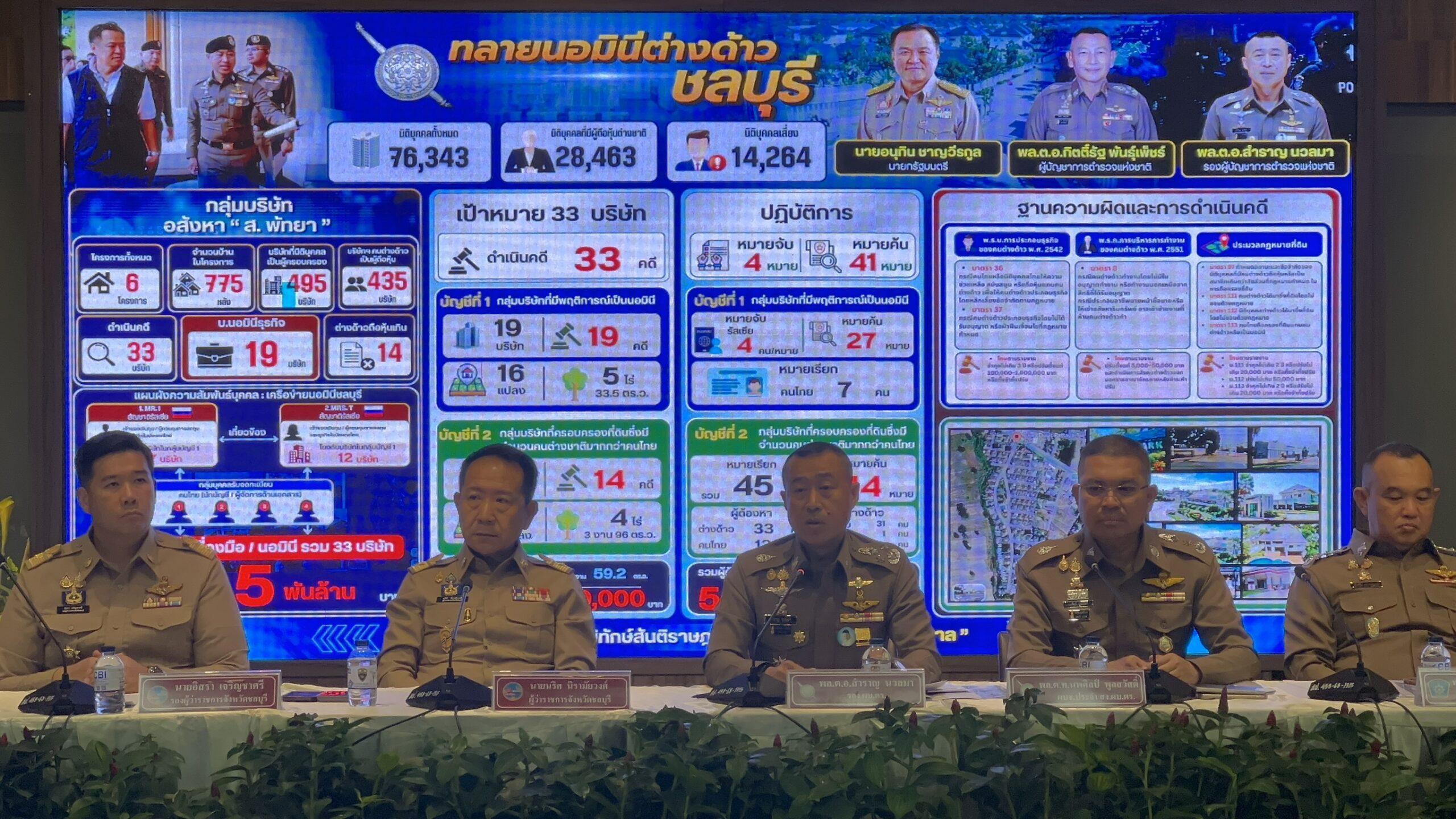
Senior police officials and the Chonburi governor launched a major operation on July 17th, 2026, to dismantle foreign nominee networks, raiding 41 locations in the eastern province, targeting real estate holdings valued at more than 5 billion baht, and arresting four foreign nationals, as they say the nominee crackdown in Chonburi as begun in force, focused on large land and property holdings to start.

Pol. Gen. Samran Nuanma, Deputy Commander of the Royal Thai Police and director of the Center for Combating Transnational Crime and Illegal Immigration, led the operation alongside Chonburi Governor Naris Niramaiwong and other agencies. The action, dubbed “Dismantling Foreign Nominee Networks – Phase 4,” began at 10:30 a.m.

The operation follows urgent directives from Prime Minister and Interior Minister Anutin Charnvirakul to crack down on Thais acting as “nominees” for foreigners, illegal land ownership, and unlawful business activities by non-Thais.

Authorities have already conducted three previous phases in Surat Thani, Phuket, Phang Nga, and Krabi provinces, inspecting 172 land plots worth over 1.671 billion baht, issuing 107 arrest warrants, detaining 65 suspects, and securing convictions in 20 cases.

In Chonburi, investigations intensified after a special task force was formed in April 2026, pooling data from local administration, the Department of Business Development, the Provincial Commercial Office, Land Office, Revenue Department, provincial police, immigration, and tourism police.

Chonburi has 76,343 registered juristic persons, of which 28,463 have foreign shareholders. The Department of Business Development identified 14,264 companies as having potential nominees. Officials also uncovered two Thai accountants who held shares in 186 companies worth over 216 million baht, many linked to property holdings in the province.

Investigators discovered Russian groups using Russia-registered websites to market and rent houses in local projects, promoting them as “Russian villages” with Russian names. Deep probes revealed six housing projects involving approximately 775 single houses worth over 5 billion baht, held through 495 companies. Of these, 435 had foreign shareholders, including 19 suspected nominee companies and 14 where foreigners held more than 50% of shares and owned land.

Police obtained arrest warrants for four Russian suspects from the Pattaya Provincial Court and search warrants for 41 locations. All four Russians were arrested. Authorities seized company registration documents, accounting records, computers, mobile phones, and large volumes of electronic data for further investigation and international follow-up.

Suspects face charges under the Foreign Business Act B.E. 2542, the Land Code, the Royal Decree on Management of Foreign Workers, and related laws.

After the raids, Pol. Gen. Samran briefed the media at Pattaya City Hall. He said that the operation implements government and police policy against Thais fronting for foreign ownership of assets. Participating agencies included Region 2 Police, Chonburi Provincial Police, Immigration Bureau, local administration, Department of Business Development, Land Department, and Revenue Department.

Of the targeted 33 companies, 19 involved Thai nominees (19 cases linked to 16 land plots totaling over 5 rai), while 14 involved illegal foreign control (14 cases linked to 16 plots totaling over 4 rai). In total, 41 search warrants and four arrest warrants were issued, with 54 people named as suspects (Thais and various foreign nationalities). Seized assets in the initial cases are valued at approximately 235.2 million baht.

One notable case in Ban Bueng district involves five land plots (about 268 rai and 144 square wah, valued at roughly 346 million baht) allegedly held by Thais for Chinese investors. Another involved the prior arrest of a 43-year-old Chinese woman accused of acting as a broker for property sales and rentals on social media without proper work authorization.

Raids also targeted companies in Chonburi, seizing computers, phones, and documents linked to nominee arrangements and violations of the Foreign Business Act. In Pattaya, six projects with 775 houses held by 495 companies (435 with foreign ties) were examined, leading to the first batch of 33 targeted companies.

Pol. Gen. Samran noted that some networks had set up hundreds of companies using just a few individuals as shareholders. Examples included three people linked to 328 companies, two to 172, and three to about 70, patterns suggesting structures designed to facilitate foreign investment while circumventing restrictions.

He stressed that Thailand welcomes tourists and legitimate foreign investment, but businesses must comply with the law. Thai shareholdings must represent genuine joint ventures, not fronts to evade regulations. He warned law firms, accounting offices, and company registrars against assisting in such schemes, promising strict prosecution for any complicity.

Governor Naris Niramaiwong said the province established task forces to combat foreign nominees and illegal land ownership. Recent checks on thousands of companies flagged around 350 with clear foreign land control, involving approximately 549 plots totaling 1,100 rai and valued at over 1.3 billion baht. Further case-by-case investigations are ongoing.

Chonburi plans tighter scrutiny of building permits, hotel operations, and other land-related approvals, especially for companies with foreign shareholders or suspicious activities. Coordination with building, hotel, tax, and other laws will be strengthened.

The Royal Thai Police vowed to continue nationwide operations against nominee networks and foreign capital violations. The public is encouraged to report tips via any police station or the 1599 hotline, available 24 hours.

For the original version of this article, please visit The Pattaya News.
Similar Posts

  • | | |

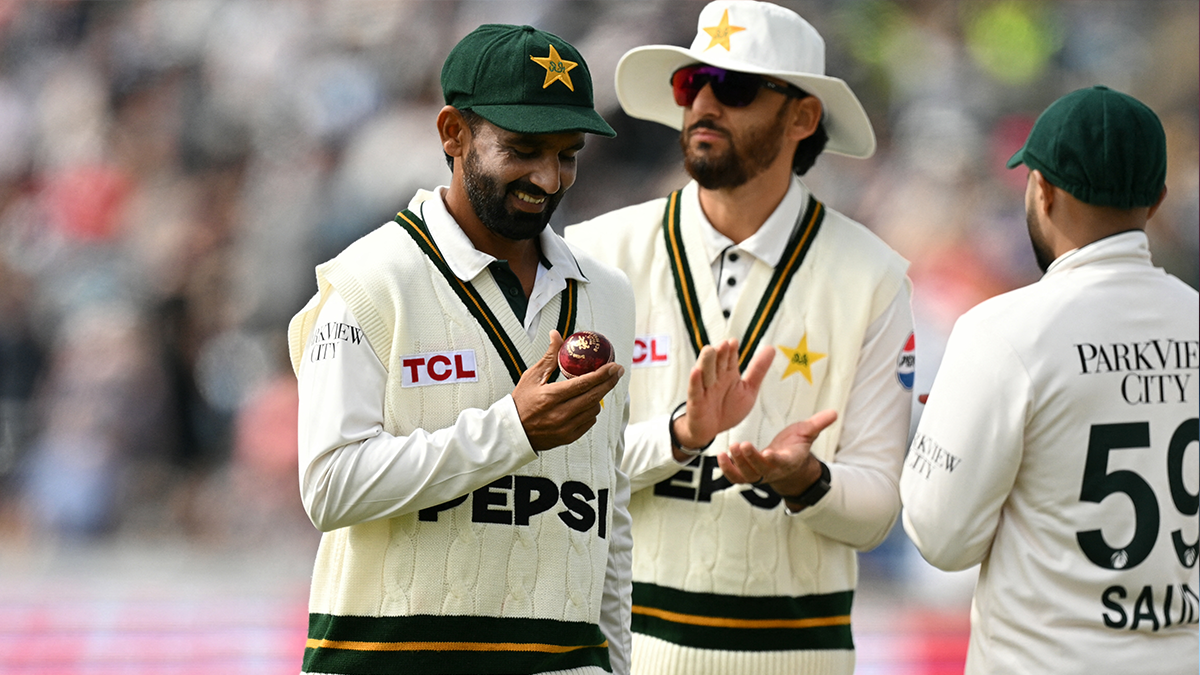
    Salman Ali Agha backs Babar Azam’s return to rev…

      Pakistan’s stand-in captain Salman Ali Agha has backed the return of Babar Azam, expressing confidence that the experienced batter can provide a much-needed boost to the team’s struggling batting lineup. His comments came after Pakistan suffered a heavy defeat against England in the opening Test at Headingley on Friday. England completely dominated the match and secured an innings-and-103-run victory, taking control of the Test series. Pakistan struggled throughout the game, particularly with the bat, as they were dismissed for just 171 runs in their first innings before being bowled out for 135 in the second. In contrast, England produced a strong batting performance, posting 409 runs in their first innings. Pakistan’s bowlers were unable to take full advantage of the helpful conditions, while England’s players maintained pressure throughout the match. Ollie Robinson was named Player of the Match after an impressive bowling display in which he claimed eight wickets. Speaking after the match, Salman Ali Agha acknowledged that England had been the superior team and admitted that Pakistan had made several costly mistakes. “England have outplayed us,” Salman said, emphasizing that the team’s inexperienced batting unit needed to become more consistent, especially when playing in challenging overseas conditions. The Pakistan captain also defended his fast bowlers despite their failure to capitalize on the moisture and overcast conditions at Headingley. He pointed out that the pace attack had performed well during Pakistan’s previous tour of the West Indies and believed the conditions in England should have suited them. According to Salman, Pakistan have bowlers capable of reaching speeds of around 140 kilometers per hour, but they were unable to produce their best performances in the first Test. He insisted that he continued to have faith in the bowling unit and said the team would work on correcting its mistakes before the next match. Despite the disappointing result, Salman praised the individual efforts of Ali Usman and Abdullah Shafique. He was particularly pleased with Usman’s bowling performance in difficult conditions and also highlighted Shafique’s determination with the bat. Looking ahead to the next Test, Salman believes the potential return of Babar Azam could significantly improve Pakistan’s batting. Babar’s experience and ability to perform under pressure could provide stability to a lineup that struggled against England’s bowling attack. “Hopefully Babar will come back in the next match and his presence will give a boost to our batting,” Salman said. Pakistan will now look to learn from their mistakes and make a strong comeback in the next Test. With Babar Azam potentially returning to the playing XI, the team will hope that his experience can help strengthen the batting order and give Pakistan a better chance of challenging England in the remainder of the series.

  • | | |

    KP considers law for computerized prescriptions an…

    The Khyber Pakhtunkhwa (KP) government is considering new legislation that would require doctors to prescribe medicines using their generic names instead of brand names and issue computerized prescriptions to patients. The provincial government has announced plans to consult the federal government, as the matter falls under federal jurisdiction. The proposal was discussed in the Khyber Pakhtunkhwa Assembly after Pakistan Peoples Party (PPP) lawmaker Mehr Sultana submitted a calling attention notice highlighting the absence of an effective legal framework requiring doctors to prescribe medicines by their generic names. According to the lawmaker, many physicians continue to prescribe branded medicines, limiting patients’ ability to choose more affordable alternatives. She argued that requiring doctors to write only the generic or formula name of a medicine would improve transparency, increase competition among pharmaceutical companies, and reduce treatment costs for patients. Mehr Sultana also emphasized the need to make computerized prescriptions mandatory, pointing out that handwritten prescriptions are often difficult to read. Illegible prescriptions can result in medication errors, delays in treatment, and confusion for pharmacists and patients. She urged the provincial government to introduce legislation or regulations that would modernize the prescription system and improve patient safety. Responding to the proposal, KP Health Minister Khaliq ur Rahman acknowledged the importance of the issue but explained that the authority to legislate in this area primarily rests with the federal government. He said the provincial government would formally approach the federal authorities to explore the possibility of introducing the necessary legal changes. The discussion also covered healthcare infrastructure in the province. During the assembly session, lawmaker Shahida Waheed raised concerns over non-functional CT scan and MRI machines at Mardan Medical Complex. In response, the health minister informed the assembly that the CT scan machine had already been repaired, while the MRI machine is expected to become operational within a week. If implemented, the proposed reforms could significantly improve prescribing practices across Khyber Pakhtunkhwa by encouraging the use of generic medicines and replacing handwritten prescriptions with digital records. Supporters of the proposal believe these changes would help reduce medication errors, lower healthcare costs, and improve access to affordable medicines, while also promoting greater efficiency in hospitals and clinics. Any legal amendments, however, will require coordination with the federal government before they can be introduced and enforced.

  • | |

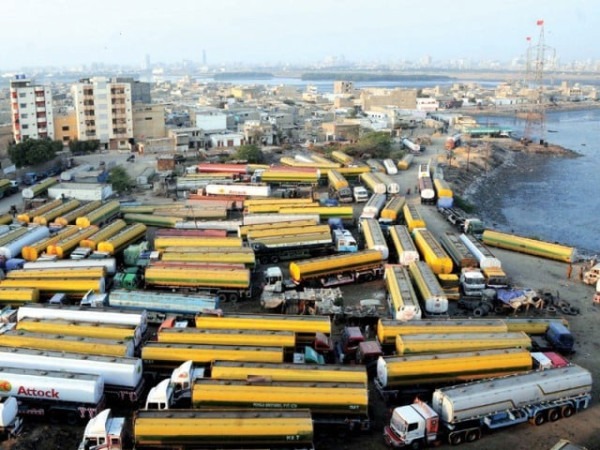
    Oil tankers call off immediate strike as petroleum…

    A potential nationwide disruption to fuel transportation has been temporarily put on hold after Pakistan’s Petroleum Minister agreed to meet representatives of the Oil Tankers Contractors Association following the group’s 72-hour ultimatum. The meeting is scheduled for Monday, July 27, where both sides are expected to discuss the association’s long-standing demands and explore ways to prevent a countrywide strike. During a joint press conference, leaders of the Pakistan Oil Tankers and Contractors Association said they had repeatedly raised their concerns with the authorities over the past year and a half. They stated that if the government accepts their demands, they will formally announce the decision. However, if negotiations fail, they will unveil their next course of action, which could include a nationwide suspension of oil tanker operations. The association is demanding an immediate end to commercial loading practices and an increase in transportation rates. According to the representatives, oil tanker freight charges have remained unchanged for the past three years despite a sharp rise in operating expenses. They also pointed out that motorway and National Highway Authority (NHA) toll taxes have increased by nearly 180 percent during the same period, making current transport rates financially unsustainable. Association leaders further alleged that despite months of negotiations and official correspondence, the Oil and Gas Regulatory Authority (OGRA) and the Petroleum Division failed to address their concerns, leaving them with no option but to threaten industrial action. The outcome of Monday’s meeting is expected to determine whether the dispute is resolved through dialogue or escalates into a nationwide strike that could affect fuel transportation and supply across the country.

  • | |

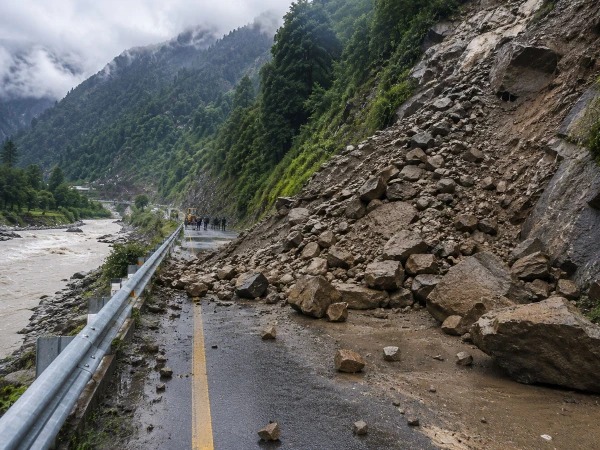
    NDMA issues flood alert until July 24

    Islamabad: Pakistan’s National Disaster Management Authority (NDMA) has issued a nationwide flood and landslide alert until July 24, warning residents of possible flash floods, rising river levels, and dangerous weather conditions caused by ongoing monsoon rains. According to the NDMA spokesperson, heavy rainfall is expected to increase water flow in rivers, seasonal streams, and mountain channels across several parts of the country. Authorities have advised the public to avoid unnecessary travel, stay away from flood-prone areas, and follow official safety instructions. The alert highlights a significant risk of flash flooding in Gilgit-Baltistan, particularly in the districts of Hunza, Shigar, and Ghanche. Rivers including Shimshal, Hunza, Chapursan, Shigar, Shyok, and Hushe are expected to experience a rapid rise in water levels. In Azad Jammu and Kashmir (AJK), water levels may increase in the Jhelum, Neelum, Poonch, and Mahl rivers, as well as Betar Nullah, Bhimber Nullah, Kanshi River, and several tributaries connected to the Jhelum and Poonch river systems. The NDMA has also warned of possible flash floods in Khyber Pakhtunkhwa, affecting the Chitral, Kabul, Swat, and Panjkora rivers. Local streams in Khyber, Kurram, Orakzai, Kohat, Bannu, Karak, Hangu, Lakki Marwat, North and South Waziristan, Bajaur, Mohmand, Mansehra, Buner, and Swabi are also at risk due to intense monsoon rainfall. In Punjab, flood threats remain high in the hill torrents of Dera Ghazi Khan, the Soan River, and the Potohar region. Similar conditions are expected in northeastern Balochistan. The NDMA further warned of high-level flooding in the Chenab River near Marala and the upper reaches of the Jhelum River near Mangla. Several seasonal streams, including Dora, Dota, Dwara, Bhimber, Halsey, Aik, Plakhoo, Bein, Basantar, Dek, and Sukhi Nullah, may also experience sudden increases in water flow. The authority also noted that any release of water from India’s Thein, Pong, and Bhakra dams could significantly increase water levels in the Ravi and Sutlej rivers, potentially worsening flood conditions downstream. The NDMA has urged citizens to stay informed through official weather updates, avoid crossing flooded roads or streams, and cooperate with local authorities to ensure public safety during the ongoing monsoon season. This version is optimized for search engines while remaining clear, informat

  • | | |

    Black Oil-Like Slicks Wash Ashore at Jomtien Beach; Tourists Temporarily Avoid Swimming

    PATTAYA, Thailand Large quantities of black, oil-like substances were found floating in the sea and washing up along Jomtien Beach in Chonburi province on Monday, prompting authorities to urge tourists and residents to stay out of the water temporarily. The slicks were observed spreading both along the shoreline and in the nearshore waters, disrupting normal […]

  • | |

    PTI protest: man without both arms arrested over a…

    ISLAMABAD: A unusual development emerged during the hearing of cases related to a Pakistan Tehreek-e-Insaf (PTI) protest in Islamabad after police presented a man who has no arms in court on allegations of throwing stones and wielding sticks during the demonstration. The case relates to a protest held on August 5 in connection with supporters expressing solidarity with PTI founder Imran Khan. Several people arrested in connection with the protest were produced before the District and Sessions Courts in Islamabad. Among those presented was Altaf Ullah, who had been arrested by police and booked at Koral Police Station. Authorities accused him of involvement in acts including stone-pelting during the protest. However, the case took an unusual turn when the accused’s lawyer, Sardar Masroor, challenged the allegations before Duty Magistrate Rizwan-ud-Din. The lawyer argued that his client could not have carried out the alleged acts because he has no arms. He asked the court to consider the physical condition of the accused before proceeding with the case. The court examined the accused in the courtroom and confirmed that both of his arms were absent. Following the observation, the court discharged Altaf Ullah from the case. He was therefore released from the proceedings related to the allegations brought against him. The incident has drawn attention because of the apparent contradiction between the allegations in the police case and the physical condition of the accused. The case highlights the importance of verifying allegations and considering available evidence during legal proceedings. While police had accused the man of involvement in stone-pelting and wielding sticks, the court’s examination of his physical condition led to his discharge. The development came during hearings involving people arrested over the August 5 PTI-related protest in Islamabad. Authorities had registered cases against individuals accused of various activities during the demonstration. The court’s decision in Altaf Ullah’s case means that he has been discharged from the particular case presented before the magistrate. The PTI protest man without both arms arrested case has since attracted attention because of the unusual circumstances surrounding the arrest and subsequent court proceedings. Further proceedings in other cases related to the protest are expected to continue separately.

Leave a Reply

Your email address will not be published. Required fields are marked *