ndma issues flood
| |

NDMA issues flood alert until July 24

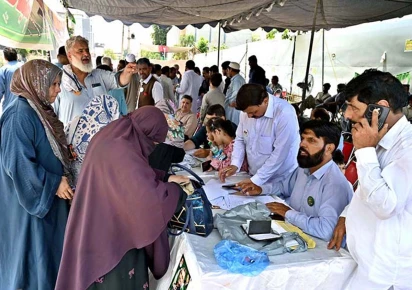
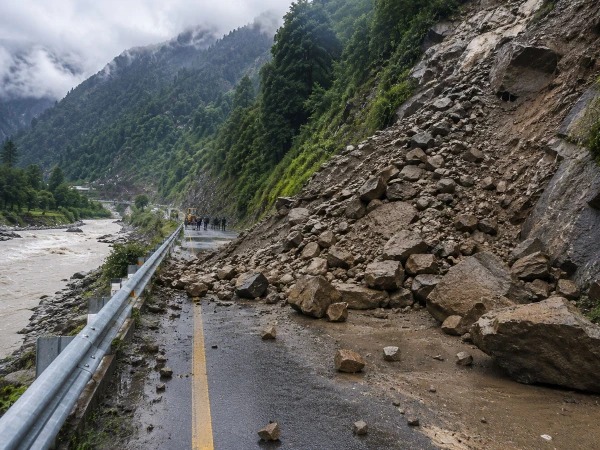
According to the NDMA spokesperson, heavy rainfall is expected to increase water flow in rivers, seasonal streams, and mountain channels across several parts of the country. Authorities have advised the public to avoid unnecessary travel, stay away from flood-prone areas, and follow official safety instructions.

The alert highlights a significant risk of flash flooding in Gilgit-Baltistan, particularly in the districts of Hunza, Shigar, and Ghanche. Rivers including Shimshal, Hunza, Chapursan, Shigar, Shyok, and Hushe are expected to experience a rapid rise in water levels.

In Azad Jammu and Kashmir (AJK), water levels may increase in the Jhelum, Neelum, Poonch, and Mahl rivers, as well as Betar Nullah, Bhimber Nullah, Kanshi River, and several tributaries connected to the Jhelum and Poonch river systems.

The NDMA has also warned of possible flash floods in Khyber Pakhtunkhwa, affecting the Chitral, Kabul, Swat, and Panjkora rivers. Local streams in Khyber, Kurram, Orakzai, Kohat, Bannu, Karak, Hangu, Lakki Marwat, North and South Waziristan, Bajaur, Mohmand, Mansehra, Buner, and Swabi are also at risk due to intense monsoon rainfall.

In Punjab, flood threats remain high in the hill torrents of Dera Ghazi Khan, the Soan River, and the Potohar region. Similar conditions are expected in northeastern Balochistan. The NDMA further warned of high-level flooding in the Chenab River near Marala and the upper reaches of the Jhelum River near Mangla. Several seasonal streams, including Dora, Dota, Dwara, Bhimber, Halsey, Aik, Plakhoo, Bein, Basantar, Dek, and Sukhi Nullah, may also experience sudden increases in water flow.

The authority also noted that any release of water from India’s Thein, Pong, and Bhakra dams could significantly increase water levels in the Ravi and Sutlej rivers, potentially worsening flood conditions downstream.

The NDMA has urged citizens to stay informed through official weather updates, avoid crossing flooded roads or streams, and cooperate with local authorities to ensure public safety during the ongoing monsoon season.

This version is optimized for search engines while remaining clear, informat

Similar Posts

  • | | | |

    NAB clarifies Rs500 million jurisdiction threshold

    ISLAMABAD: The National Accountability Bureau (NAB) has internally clarified that inflation-based adjustments to the value of liabilities cannot be used retrospectively to bring older, lower-value corruption cases under its jurisdiction. The clarification follows the enforcement of the National Accountability (Amendment) Act 2026 on March 5. NAB has issued internal guidance for prosecutors and investigators to ensure a uniform legal position on the revised Rs500 million threshold. Under the amended law, an offence falls within NAB’s jurisdiction when it involves corruption or misconduct involving at least Rs500 million. The law also links the financial threshold to annual inflation indicators issued by the Pakistan Bureau of Statistics, with the adjustment taking effect from July 1, 2026. However, NAB’s internal interpretation distinguishes between the statutory jurisdictional threshold and the inflation-adjusted value of liabilities. The Rs500 million figure remains the basic test for determining jurisdiction. Inflation adjustment is applied only after the actual liability involved in a case has been finally determined. The guidance identifies three situations based on when the alleged offence occurred. For offences committed before July 2022, the original amount involved will be assessed according to the year in which the offence took place. No inflation adjustment will be applied retrospectively. If the final liability is Rs500 million or more, NAB will retain jurisdiction. If it is below Rs500 million, the case will fall outside NAB’s jurisdiction and may be transferred to the ordinary courts. For offences committed after July 2022, the Rs500 million threshold will initially determine NAB’s jurisdiction. Once an inquiry or investigation establishes the final amount involved, the relevant inflation index for the year in which the case reaches its final stage will be applied if the original liability is at least Rs500 million. The final reference will therefore contain both the original liability and its inflation-adjusted value. If the original liability is below Rs500 million, no inflation adjustment will be made and NAB’s jurisdiction will cease. The third category concerns continuing offences that began before July 2022 but continued after that date. Such cases will be treated in the same manner as offences committed after July 2022. The guidance further states that once the original liability has been finally established and the inflation-adjusted amount has been calculated, the resulting figure will be considered final. It will not be repeatedly revised on the basis of inflation increases in subsequent years. According to the internal legal position, linking the financial threshold to inflation was intended to keep the threshold realistic and relevant over time and prevent inflation from reducing its practical value. NAB has also clarified that the amendment was not intended to retrospectively expand the bureau’s jurisdiction or disadvantage accused persons. The 2026 amendments made another significant change by expanding provisions concerning the transfer of cases falling outside NAB’s jurisdiction. The relevant provision now extends to pending appeals as well, whereas the earlier framework was primarily limited to inquiries, investigations and trials.

  • | |

    From Glasgow to the heart of UK power

    How Anas Sarwar challenged a Prime Minister, reshaped Labour politics and rose to become a UK minister Anas Sarwar’s journey from a young Scottish politician carrying the weight of a famous political surname to one of the most senior ministers in the British government has reached a defining moment. His appointment as Minister of State for Business, Innovation, Science and Trade, alongside his elevation to the House of Lords, marks one of the most significant political achievements by a British politician of Pakistani heritage in recent decades. The appointment also underlines the confidence Prime Minister Andy Burnham has placed in Sarwar, entrusting him with a department central to the government’s ambitions for economic growth, scientific research, innovation and international trade. A FAMILY THAT MADE HISTORY Politics has long been part of the Sarwar family story. Anas Sarwar is the son of Mohammad Sarwar, who made British political history in 1997 by becoming the first Muslim and the first MP of Pakistani origin elected to the House of Commons. Mohammad Sarwar later went on to serve as Governor of Punjab, Pakistan’s largest province, giving the family a unique political legacy spanning both Britain and Pakistan. Although his father’s achievements opened doors for greater representation of British Pakistanis in politics, Anas Sarwar has spent much of his career building his own political identity through perseverance, resilience and leadership. A POLITICAL CAREER BUILT ON RESILIENCE A qualified dentist by profession, Sarwar entered Parliament after winning Glasgow Central in 2010. His political career has been shaped by both success and setbacks. Following Labour’s electoral collapse in Scotland in 2015, Sarwar emerged as one of the party’s most recognisable figures during one of its darkest periods. He served as Deputy Leader of Scottish Labour before unsuccessfully contesting the party leadership. Rather than retreating from frontline politics, he rebuilt his standing within the party and was elected Leader of Scottish Labour in 2021. Tasked with reviving a party that had suffered years of decline, Sarwar focused on rebuilding Labour’s organisation, reconnecting with voters and restoring its credibility as Scotland’s principal opposition party. THE MAN WHO FIRST CHALLENGED STARMER Sarwar’s reputation as an independent political figure was cemented during Labour’s leadership crisis when he became the first senior Labour politician to publicly call for Keir Starmer to resign. At a time when many senior figures remained publicly loyal, Sarwar openly argued that Labour required a change in leadership. Political observers viewed his intervention as a turning point that encouraged wider debate within the party over Starmer’s future. In the weeks that followed, pressure on the Prime Minister intensified, ultimately culminating in Starmer’s resignation and the election of Andy Burnham as Labour leader and Prime Minister. Today, the politician who first publicly challenged Starmer has become one of the key members of Burnham’s ministerial team—an illustration of how dramatically Labour’s political landscape has changed. A KEY ROLE IN GOVERNMENT Sarwar’s appointment as Minister of State for Business, Innovation, Science and Trade places him at the centre of one of the government’s most important departments. His responsibilities will include supporting business investment, promoting innovation, advancing scientific research, strengthening Britain’s industrial strategy and expanding international trade—areas regarded as crucial to the UK’s long-term economic future. His elevation to the House of Lords enables him to take up ministerial office while bringing his tenure as Leader of Scottish Labour to an end, triggering a contest to choose his successor. POLITICAL SIGNIFICANCE Political commentators believe the appointment carries significance far beyond a routine cabinet reshuffle. For Prime Minister Andy Burnham, it brings an experienced political strategist into a department central to delivering economic growth. For Scottish Labour, it marks the departure of the leader who steadied the party during a challenging period and leaves a significant leadership vacancy. For Britain’s Pakistani community, Sarwar’s promotion represents another landmark in the growing influence of British Pakistanis at the highest levels of national politics. COLLEAGUES SEE A RESILIENT LEADER Labour colleagues have publicly described Sarwar as a disciplined and pragmatic politician who remained committed to rebuilding Scottish Labour despite difficult electoral circumstances. Political observers argue that his appointment reflects years of persistence, resilience and organisational leadership rather than a sudden political promotion. Critics, meanwhile, have questioned his move from frontline Scottish politics to the unelected House of Lords, arguing that Scottish Labour loses one of its most experienced leaders at a crucial political moment. A NEW CHAPTER Anas Sarwar now moves from leading Labour in Scotland to helping shape Britain’s economic future from the heart of government. His appointment completes a political journey that began in Glasgow, was forged through years of electoral battles and internal party struggles, and has culminated in one of the most influential ministerial positions in Westminster. From following in the footsteps of his father, Mohammad Sarwar, to becoming the first senior Labour figure to challenge Keir Starmer’s leadership and now joining Andy Burnham’s Cabinet, Anas Sarwar’s rise reflects one of the most remarkable political stories in contemporary British politics.

  • |

    Ukrainian drone strike hits major Russian grain terminals in Black Sea port

    A massive Ukrainian drone and missile strike targeted the strategic Russian port of Novorossiysk overnight, damaging two major grain export terminals and striking key naval assets in the Black Sea. Local officials reported that three people, including an eight-year-old child, were killed and 24 others were injured in the attack, which prompted an emergency declaration in the city. Ukrainian President Volodymyr Zelensky described the assault as a unique operation utilizing rockets, jet drones, and naval drones. Military officials in Kyiv later confirmed that four Russian warships, including two frigates, were damaged during the strike. Novorossiysk became the primary hub for Russia’s Black Sea fleet after Ukrainian attacks previously forced Russian naval forces to relocate from Sevastopol in occupied Crimea. The damage to the export hubs led the Russian agriculture ministry to begin rerouting cargo flows toward alternative maritime routes in the Baltic and Caspian Seas. The barrage comes amid intensified military exchanges in the region, following overnight Russian missile and glide bomb attacks that killed at least 11 civilians in the Ukrainian city of Zaporizhzhia.

  • | | |

    PM to decide fate of refinery upgrade policy

    Prime Minister Shehbaz Sharif is expected to address key issues facing Pakistan’s refinery sector today. The Cabinet Committee on Energy (CCoE) will review proposed changes to the Brownfield Refinery Policy.The policy was approved in 2023. It aims to encourage investment in the modernisation of existing refineries. The proposed changes could affect billions of dollars in planned refinery investments.The main dispute is over deemed duty protection. The government has proposed reducing it from 7.5 per cent to 5 per cent. Refinery companies have opposed the proposed cut. They say it could weaken the financial benefits offered under the policy.The industry also disputes the government’s position on delays in signing Upgrade Agreements. Officials say refineries failed to sign the agreements within the required period.Refinery representatives reject the claim. They say they had already accepted the draft agreements in 2024. According to industry officials, the companies were waiting for the government to arrange the formal signing process.They say the industry repeatedly contacted the Petroleum Division and other authorities to complete the process. The companies argue that the delay was caused by administrative issues on the government side.They therefore believe the incentives should not be reduced because of delays beyond their control. Deemed duty protection is a key part of the refinery upgrade package.The incentive is designed to encourage companies to invest in modernisation. The planned upgrades are aimed at increasing production of Euro-V compliant fuels.They are also expected to reduce furnace oil production. The projects could help improve Pakistan’s overall fuel mix.The refining sector has also faced additional financial pressure from changes in the tax system. The Finance Act 2024 moved several petroleum products from the zero-rated sales tax regime to the exempt category.The change affected the ability of refineries to adjust input sales tax. It also increased their unrecoverable tax costs.The Petroleum Division has acknowledged that the tax changes affected the financial viability of refinery upgrade projects. Officials said the prime minister is expected to review the major issues that have delayed the implementation of the policy since August 2023.The Petroleum Division has proposed limited amendments to make the policy operational. It has also recommended a committee to finalise the Upgrade Agreement.The committee would include senior officials from the Petroleum Division, Law Division and OGRA. A representative of the Special Investment Facilitation Council would also be included.OGRA, however, has reservations about signing the agreements. OGRA Chairman Masroor Khan has argued that the regulator should focus on its regulatory role.He believes OGRA should not become a party to commercial agreements. The refinery industry is now hoping for a decision that removes the remaining hurdles.Companies want the government to maintain the existing incentive structure. They say policy consistency is important for attracting investment.They also warn that changes to agreed incentives could discourage investors. A clear decision by the CCoE could help restart delayed refinery upgrade projects.The decision could also influence Pakistan’s fuel supply and long-term energy security.

  • | |

    PTI rejects AJK polls, demands fresh elections

    Pakistan Tehreek-e-Insaf (PTI) has rejected the first phase of the Azad Jammu and Kashmir (AJK) elections. The party has described the July 27 polls as unacceptable and demanded a judicial inquiry into the violence reported in the region. PTI leaders also called for the cancellation of the remaining two phases of the elections. They demanded fresh elections across AJK in a single phase under an independent and impartial election commission. Speaking at a press conference on Wednesday, PTI Chairman Barrister Gohar Ali Khan appeared alongside former AJK prime minister Sardar Qayyum Niazi. The leaders strongly criticised the violence reported in Rawalakot, Mirpur and other areas. Multiple reports of deaths and injuries have emerged since Monday. Videos showing unrest have also circulated on social media, although the reported casualties could not be independently verified. Both security agencies and the Joint Awami Action Committee (JAAC) have reported casualties during clashes. Niazi said Kashmiris were facing what he described as unprecedented oppression. He said the situation was particularly concerning because Kashmiris had historically supported the cause of accession to Pakistan. He claimed protesters had attempted to resolve their grievances through negotiations. According to him, the situation deteriorated after their demands were not addressed. Niazi maintained that the protesters were peaceful. He questioned the use of force against them and urged authorities to avoid further escalation. He also criticised the decision to conduct the AJK elections in three phases. Niazi argued that the region has a relatively small population and questioned why the elections could not have been held on a single day. He said the ongoing violence was damaging Pakistan’s position on the Kashmir issue. According to him, AJK is considered an important base for the wider Kashmir cause. Niazi warned that the unrest could send a negative message internationally. He said Pakistan had previously highlighted alleged human rights violations in Indian-administered Kashmir at international forums. He argued that developments in AJK could make it difficult for Pakistan to effectively present its position on Kashmir before the international community. The former AJK prime minister also rejected the portrayal of protesters as terrorists. He said the same people had previously been engaging with authorities through negotiations. Niazi called for dialogue and urged the government to avoid further use of force. He proposed the establishment of a national government in AJK until conditions returned to normal. He said free and transparent elections should then be held across the region, with PTI participating in the process. Gohar also strongly criticised the July 27 elections. He alleged that the polls had failed to reflect the will of the people. The PTI chairman said using force to silence protesters could not resolve political and public grievances. He argued that listening to citizens was a fundamental part of democracy. Gohar criticised both the Pakistan Peoples Party (PPP) and the Pakistan Muslim League-Nawaz (PML-N) for turning the election dispute into a political contest. He said political parties should focus on the violence and reported casualties rather than exchanging allegations over electoral gains and losses. The PTI leader also pointed to the low voter turnout. He claimed that the limited participation represented public dissatisfaction with the existing political system. Gohar said the Kashmir issue was extremely sensitive and should not be used for political interests. He urged all stakeholders to act responsibly and resolve the crisis through dialogue. PTI has now formally demanded a judicial investigation into the reported violence. The party also wants the remaining election phases, scheduled for August 2 and August 10, cancelled. The party has further called for the resignation of the AJK government and the formation of a national government to manage the situation. PTI wants fresh elections to be held across AJK in a single phase. It has called for the process to be conducted under the supervision of an independent and impartial election commission. The party says dialogue should be prioritised to address public grievances and restore normalcy before a fresh electoral process begins.

  • |

    Come to streets, we’ll serve you water’: Nasir

    Sindh Local Government Minister Syed Nasir Hussain Shah has responded strongly to recent statements by MQM-P leaders Khalid Maqbool Siddiqui and Mustafa Kamal. The remarks have sparked a fresh political exchange between the Sindh government and the MQM-P leadership. Shah reacted to the MQM-P leaders’ calls for political mobilisation and protests. He said they were free to take to the streets if they wanted to. In a sarcastic remark, he said the weather was hot and that “water would be provided” to them. The minister also questioned MQM-P’s demand for an account of the past 18 years. He asked the party leaders to explain how much accountability they had themselves provided during their political tenure. Shah also rejected suggestions about changing the existing structure of Sindh. He said the constitutional and geographical status of the province could not be changed according to the wishes of an individual political leader. He also criticised Mustafa Kamal’s remarks about the creation of new provinces. Shah said the country was already facing difficulties in managing its existing four provinces. He questioned why there was now a demand for additional provinces. The minister accused the MQM-P of turning towards public issues as elections approach. He said the party had previously enjoyed the benefits of political power but was now raising issues concerning the people. Shah’s comments came after Khalid Maqbool Siddiqui accused the Pakistan Peoples Party of creating an ethnic and linguistic divide in Sindh. Siddiqui had also demanded an accurate population count and stronger local governments. MQM-P leader Mustafa Kamal had separately said that the party would take to the streets to demand its rights. The statements have increased political tension between the MQM-P and the Sindh government. Sindh Culture Minister Zulfiqar Shah also criticised the MQM-P leadership. He said Khalid Maqbool Siddiqui was struggling to protect his position as party chairman. Zulfiqar Shah described the differences between Khalid Maqbool and Mustafa Kamal as the result of what he called divisive politics. He said the MQM-P leadership should first resolve its own differences. He also questioned the competing positions within the party. According to Zulfiqar Shah, the divided leadership should first decide whose statements should be taken seriously. The latest exchange comes amid renewed political debate over Sindh’s governance, representation and local government system. MQM-P has been demanding greater authority for local governments and an accurate population census. The party has also raised concerns about political representation and resource distribution in Sindh. The Sindh government, however, has rejected calls that could affect the province’s existing constitutional and geographical structure.

Leave a Reply

Your email address will not be published. Required fields are marked *