social media bans
| | | |

Social media bans are no cure-all, but governments may still find them necessary

BALI, Indonesia – Restricting access to online platforms cannot address all the factors that contribute to the radicalization of young people, but governments have “valid” reasons for imposing bans, said I Gusti Agung Wesaka Puja, executive director of the ASEAN Institute for Peace and Reconciliation (ASEAN-IPR).

“There is no perfect solution, especially when we are encountering this new kind of threat, a new kind of non-traditional security issue,” Puja told Rappler in an interview on October 12.

Puja maintained that while governments may find it necessary to step in and implement social media bans to protect children from harmful content, these measures still require careful assessment.

“The government in this respect has the responsibility to consider the safety and well-being of young people because they are our future leaders, particularly as digital platforms continue to evolve and continue to provide a threat to them,” said Puja.

“However, whether restrictions on social media access will produce positive long-term outcomes, certainly this needs careful assessment,” he added.

Puja leads ASEAN’s think tank on peace and conflict. A recent study by ASEAN-IPR found that traditional security responses are insufficient to prevent violence as young people in Southeast Asia gain greater access to it.

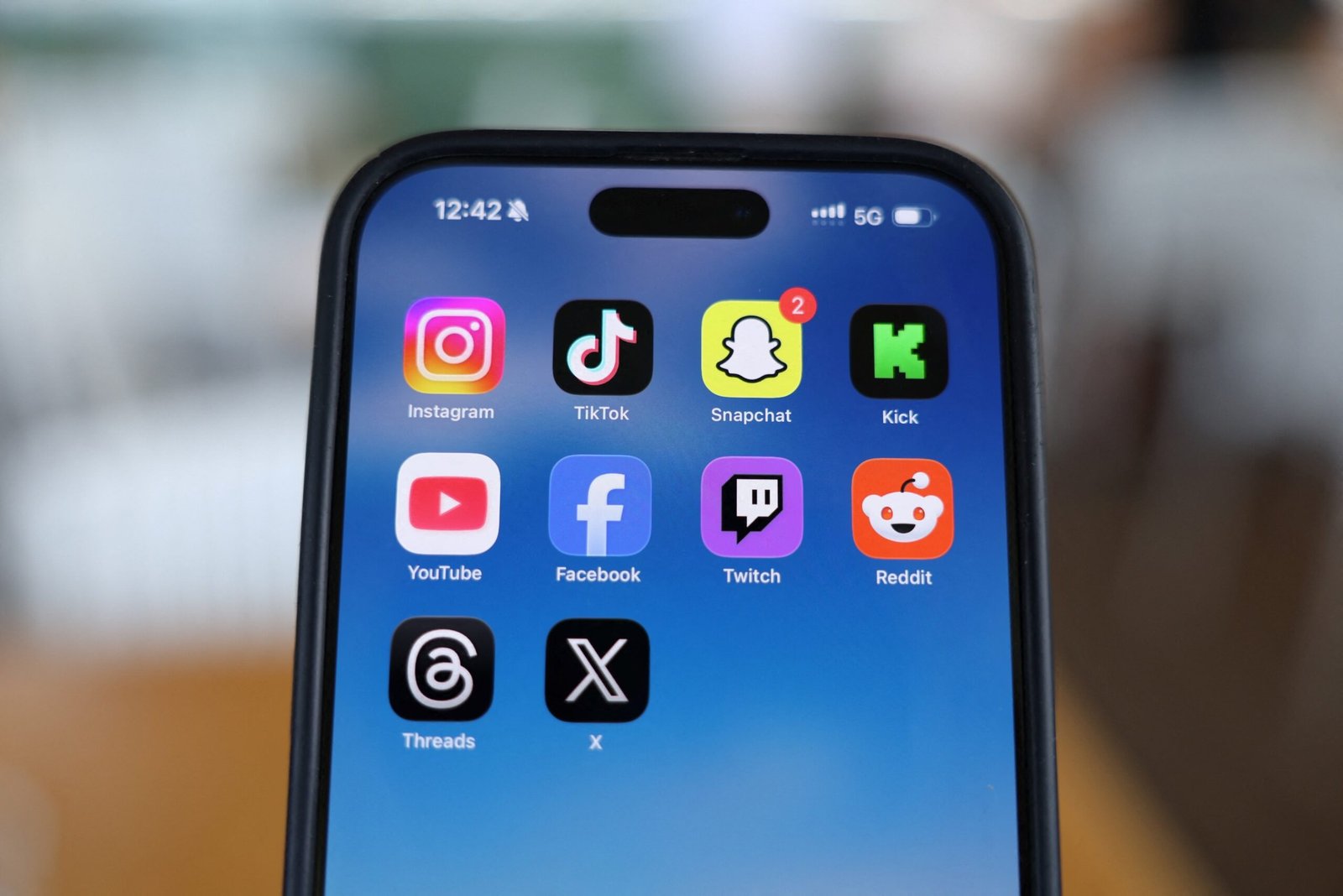
The Philippine Senate has approved Senate Bill 2424 that restricts social media access of children under 16. The House of Representatives approved a similar measure or House Bill 11566. These legislative developments follow three school shootings in the country that occurred this year. (READ: Why Congress should think twice about banning under-18s from social media)

Indonesia also started implementing the ban early this year, and countries across the world are considering social media legislation, following the likes of Australia, the United Kingdom, and Brazil.

“Maybe putting some bans on the use of social media, it could be effective,” Bora Park, security and terrorism expert from Seoul-based Institute for National Security Strategy, told Rappler in a separate interview.

“But in the long term, it might also have a side effect,” Bora said, adding that young people may find ways to circumvent the regulations and create new slang, making it “much harder to detect which one is radicalized and how dangerous that individual would be.”

Proposal to create tiered restrictions

Skeptics of such measures cite their potential effects on young people’s access to information, education and opportunities, as well as their social interactions.

Implementation of the regulation remains uncertain, as it relies heavily on the cooperation of private technology companies.

Senator Risa Hontiveros, the sole Philippine lawmaker who voted against the bill on social media ban for kids, said the priority is how to effectively protect children. Hontiveros advocates for “tiered restrictions for adolescents.”

In her statement, Hontiveros said younger adolescents should have tighter restrictions. As kids age and mature, she proposed they be given “autonomy while protections remain against abuse, exploitation, and harmful content.”

“Taking it away from them all of a sudden without providing adequate ways for them to cope with its absence is not the answer to their needs and it is not the answer to our collective fears,” Hontiveros said.

Must Read

Preventing school violence starts at home, but gov’t must step up


Preventing school violence starts at home, but gov’t must step up

– Rappler.com

Similar Posts

  • |

    Swiss government rejects proposed constitutional ban on non-UN sanctions ahead of neutrality vote

    The Swiss government has formally rejected a popular initiative seeking to enshrine a rigid, absolute definition of neutrality into the country’s constitution, warning the move would cripple national security and diplomatic flexibility. The constitutional referendum, scheduled for 27 September, was triggered after right-wing campaign groups backed by the Swiss People’s Party gathered over 100,000 signatures. Proponents argue Bern’s historical stance has been diluted by adopting European Union sanctions against Russia over its war in Ukraine and deepening training ties with NATO. If passed, the amendment would constitutionally mandate that Swiss neutrality remain perpetual and armed, while explicitly barring non-UN sanctions and foreign military alliances. Launching the official counter-campaign on Tuesday, Swiss Foreign Minister Ignazio Cassis insisted the nation’s neutrality remains intact without need for restrictive legal amendments. “Switzerland has been and is neutral, and it will remain neutral,” Cassis said in a statement, adding that the proposal would severely hinder security cooperation with international partners prior to an actual crisis. Current polling indicates low public support for the initiative, with a Tamedia survey showing 54 per cent of voters opposed compared to 34 per cent in favour.

  • | | | |

    Iran says US strikes kill 55, injure 645 as confli…

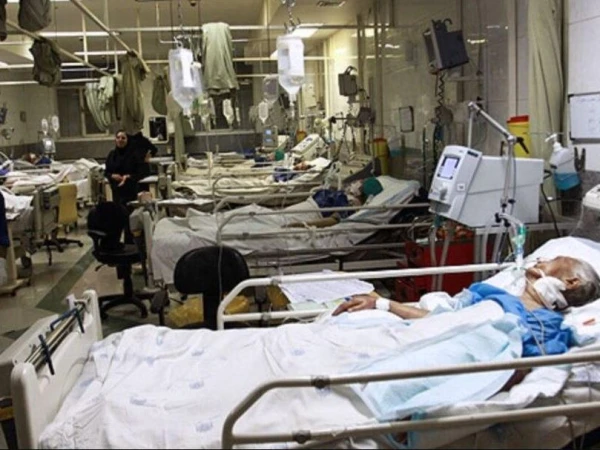
    TEHRAN: Iran’s Ministry of Health has claimed that at least 55 people were killed and 645 others injured in the latest wave of US military strikes across the country, as hostilities between Tehran and Washington continue to escalate. According to Iranian officials, the heaviest casualties were reported in the country’s southern and southwestern provinces, where several sites were allegedly targeted during the attacks. Iran’s state-affiliated Fars News Agency quoted a Health Ministry spokesperson as saying that the death toll had reached 55, while the number of injured had climbed to 645. The ministry described the strikes as among the deadliest incidents since the recent escalation in military tensions. Officials said Khuzestan Province suffered the highest number of casualties, followed by Hormozgan and Sistan and Baluchestan, where hospitals reportedly received dozens of wounded civilians following the attacks. The Health Ministry added that 586 of the injured have already been discharged after receiving treatment, while several others were treated for minor injuries and allowed to return home shortly afterward. According to the ministry, eight people remain hospitalized, with some expected to undergo additional surgeries due to the severity of their injuries. Iranian authorities condemned the attacks as an act of “American aggression” and called on the international community to respond to what they described as violations of international law. Officials urged global organizations to investigate the reported strikes and their humanitarian consequences. As of the time of publication, the United States had not issued an official response to the casualty figures released by Iran’s Health Ministry. The reported death toll and injury count have also not been independently verified, and international monitoring organizations have yet to confirm the claims. The latest figures come as military tensions between Iran and the United States continue to rise, fueling concerns about the humanitarian impact of the conflict and the risk of further regional instability. Security analysts warn that continued military exchanges could deepen the crisis across the Middle East, with civilians increasingly caught in the crossfire. They say the absence of verified information from independent sources makes it difficult to assess the full scale of the damage, but the competing claims from both sides underscore the rapidly evolving nature of the conflict. With diplomatic efforts showing little sign of progress, observers fear that further escalation could lead to additional civilian casualties and heightened security risks across the region, while the international community continues to monitor developments closely.

  • | | | | |

    Trump claims Iran war could end soon, Hormuz to re…

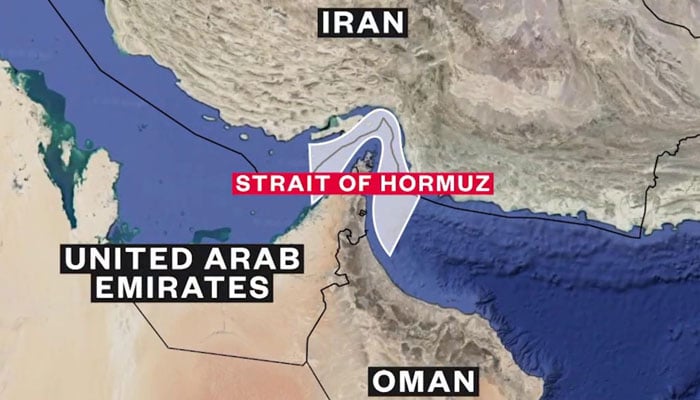
    WASHINGTON: US President Donald Trump has claimed that the war with Iran could come to an end soon, while negotiations are reportedly continuing over the future of the conflict and the reopening of the strategically vital Strait of Hormuz. Trump said the United States, Iran and Oman were close to reaching a temporary agreement aimed at reopening the key maritime passage. His remarks offered a potentially hopeful signal after weeks of heightened tensions and disruption in the region. The US president also dismissed reports that the conflict had significantly depleted American weapons stocks, insisting there was no truth to such claims. Trump further rejected reports of disagreements or growing tensions with US Defence Secretary Pete Hegseth, playing down speculation about friction within his administration over the handling of the war. However, the picture on the diplomatic front remains uncertain. Arab media reports have claimed that efforts to broker a ceasefire between the United States, Israel and Iran have stalled, highlighting the difficulties surrounding a possible breakthrough. At the same time, Iranian authorities have reportedly tightened internal security measures across the country, particularly in Tehran, as uncertainty over the conflict continues. The Strait of Hormuz remains central to the crisis because of its importance to global energy supplies and international shipping. Any agreement that restores normal traffic through the waterway could ease pressure on regional markets and provide a significant boost to wider diplomatic efforts. For now, Trump’s prediction of a quick end to the war contrasts with reports suggesting that major obstacles still remain before a lasting ceasefire can be secured.

  • |

    France approves social media ban for under-15s

    France has approved legislation that will restrict children under the age of 15 from using social media platforms, with the new rules expected to take effect in January 2027. Under the law, social media platforms will have to verify the age of every user before allowing access to their services. The government says the measure aims to protect children from the potential harmful effects of excessive social media use, particularly concerns surrounding mental health, online safety, and exposure to inappropriate content. The move would make France the first European country to introduce such a broad age-based restriction on social media access. Authorities believe stronger safeguards are necessary as concerns continue to grow over the impact of social media on young people’s emotional well-being and development. The new rules will require social media companies to introduce reliable age-verification systems to prevent children below the minimum age from creating or maintaining accounts. The government is expected to work with technology companies and regulators to ensure that platforms comply with the new requirements. The decision comes as several other countries consider similar measures. The United Kingdom and the European Union are also examining ways to strengthen protections for children online, including possible age restrictions and tighter controls on social media platforms. Supporters of the French legislation argue that children need greater protection from the risks associated with prolonged social media exposure. However, the policy may also face challenges over privacy, enforcement, and how platforms can verify users’ ages without collecting excessive personal information.

  • | | |

    Drone attack damages oil tanker in Strait of Hormuz

    A drone attack targeted an oil tanker in the Strait of Hormuz, causing minor damage to the vessel but leaving all members of the crew safe, according to the United Kingdom Maritime Trade Operations (UKMTO). The maritime security agency said the incident took place as the tanker was navigating the strategically important waterway. The drone strike caused limited damage to the vessel, but authorities reported no casualties or injuries among the crew. UKMTO also said the incident did not result in any environmental damage. There were no reports of an oil spill, leakage or other pollution following the attack, easing concerns about a possible impact on the marine environment. The Strait of Hormuz remains one of the world’s most important shipping routes, particularly for global energy supplies. Large volumes of crude oil and petroleum products pass through the narrow waterway every day, linking major oil-producing countries in the Gulf with international markets. The latest attack has once again highlighted security concerns surrounding commercial shipping in the region. Any disruption or attack involving an oil tanker in the Strait of Hormuz can raise concerns about the safety of maritime traffic, insurance costs and the uninterrupted movement of energy supplies. Authorities continue to monitor the situation and advise commercial vessels operating in the area to remain alert to potential security threats.

Leave a Reply

Your email address will not be published. Required fields are marked *