zelensky removes army
| |

Zelensky removes army chief Syrskyi after week of …

Ukrainian President Volodymyr Zelensky has dismissed the country’s commander in chief, Oleksandr Syrskyi, just days after removing popular Defence Minister Mykhailo Fedorov in a move that triggered widespread street protests across Ukraine.

Early speculation that Fedorov’s removal stemmed from tension between him and Syrskyi was soon confirmed. Fedorov, 35, has drawn broad praise for reenergizing the defence ministry, driving reforms across the armed forces and pushing an anti corruption campaign. Syrskyi, 60, has been viewed by many in Ukraine as a Soviet trained commander resistant to sweeping changes within the military.

In a farewell message posted on Telegram, Syrskyi defended his record, noting that the army he led through a difficult defensive campaign two years ago now stands on the offensive. He said he was handing over to his successor a force that is not just holding ground but advancing, and expressed hope that the offensive would continue.

Zelensky named Mykhailo Drapatyi, 43, a popular and battle tested general, as Syrskyi’s replacement. Drapatyi said on Facebook that he would approach the role with full focus, responsibility and respect for those currently defending the country. He also thanked Syrskyi for his consistent work strengthening the Ukrainian army, saying he had grown up within it professionally.

In a video posted late Tuesday, Zelensky thanked Syrskyi for his military leadership, including his role defending Kyiv during the earliest days of Russia’s full scale invasion in 2022. Zelensky also said he met with Fedorov earlier that day and offered him a worthy position within the government, though he did not specify whether Fedorov had accepted. Fedorov had been replaced last week by Yevhenii Khmara, a former senior official at Ukraine’s Security Service. Zelensky said all decisions would be formalized the following day.

Fedorov congratulated Drapatyi on his new role, describing the appointment as a new source of hope in the broader fight of free people for freedom and justice, and calling it the voice of change that could no longer be ignored. Fedorov also said he called Syrskyi personally to thank him for defending the Kyiv region and for other significant battles, while adding that Ukraine needs to move even faster and correct past mistakes.

Fedorov had only taken over as defence minister in January but quickly earned praise for using data driven analysis to improve battlefield performance. A former minister of digital transformation, he built a volunteer cyber unit known as the IT Army of Ukraine early in the full scale invasion. He later led a successful fundraising initiative called the Army of Drones and introduced elements of gamification into the war effort, creating a system that rewarded Ukrainian military units with credits for striking Russian targets.

Fedorov’s removal sparked six days of widespread protests, placing mounting pressure on Zelensky to dismiss Syrskyi. Zelensky appeared to respond to that pressure by replacing him with Drapatyi, viewed as a younger and more innovative commander who is also considered a close friend of Fedorov’s.

Fedorov’s clear support for Drapatyi’s appointment is likely to help ease the political tension that built up over the past week. Acting Defence Minister Khmara remains in his position for now, with Zelensky asking him and Drapatyi to develop a new defence strategy addressing issues including reform of the military corps system, weapons supply and drone capabilities.

In an op-ed published Monday on the Militarny website, Syrskyi described his relationship with Fedorov as strictly professional and offered an apology if he had offended him. He said decisions surrounding military contracts, procurement and mobilization involve far more complexity than most people recognize, arguing that real progress, not public drama, ultimately determines the outcome of the war.

Protesters are expected to continue pushing for Fedorov’s return to a position of genuine authority where he can keep driving innovation in Ukraine’s fight against Russia. Should that happen, Zelensky may succeed in repairing much of the immediate political damage, though many Ukrainians remain unlikely to forgive what they viewed as his original misstep in removing Fedorov in the first place.
Similar Posts

  • | |

    Pakistan’s civil awards triple in nine years…

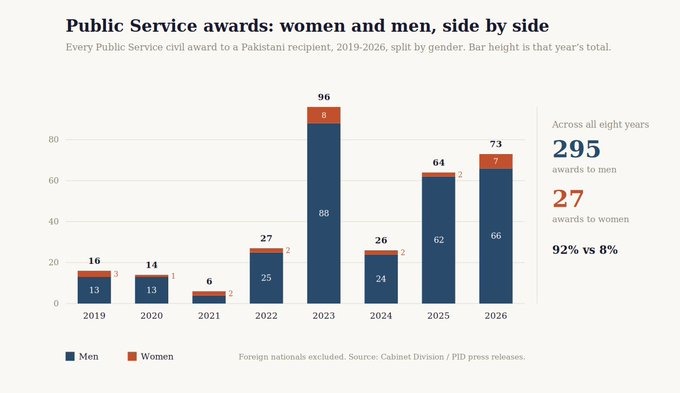
    ISLAMABAD: The number of people receiving Pakistan’s civil awards has increased sharply over the past nine years, but the share of women among the recipients has remained almost unchanged, according to an analysis by economist Zehra Farooq. Farooq, who has analysed civil award lists from 2018 to 2026, said she compiled all 2,209 awards announced during the nine-year period and examined each award by field, gender, level of award and nationality. Her analysis shows that the number of award recipients increased more than three times during the period, rising from 73 people in 2018 to 372 in 2026. However, the share of women receiving the awards did not show a similar increase. Women made up between roughly 10% and 16% of civil award recipients in each year from 2018 to 2026. Ms Farooq said the figures show that while the size of the annual awards lists changed greatly, the share of women remained within almost the same range. The lowest share was around 10% in 2023, while the highest was 16% in 2018 and 2021. The share stood at 15% in 2024 before falling to 12% in 2025 and 11% in 2026. Her analysis also looked at the figures after excluding gallantry awards. Gallantry awards were kept separate because they mainly relate to military and police roles. Even after removing these awards, the overall share of women increased only from around 12% to 14%, according to the analysis. This suggests that the low share of women is not limited to gallantry awards. Farooq said the same pattern can also be seen in civilian awards. Public service awards show a wider gap The Public Service category is the largest civilian category in the dataset and shows a particularly large difference between men and women. Among Pakistani recipients of Public Service awards, 295 were men and only 27 were women. This means men received about 92% of these awards, while women received only around 8%. Farooq noted that in several years, the entire Public Service list included only one or two women. The figures raise questions about how women are represented among people being recognised for public service. The analysis does not, however, establish why the gap exists. Farooq suggested that one possibility worth examining is whether the awards reflect the existing structure of Pakistan’s civil bureaucracy. She noted that the quota for women in the civil bureaucracy is around 10%, while the share of awards going to women remains below or around that level. This raises a question about whether the civil awards are reflecting the existing gender structure in public institutions rather than creating a separate pattern of their own. Major changes in fields The analysis also found major changes in the fields represented in the civil award lists. Science and engineering together accounted for close to one-third of the 2021 list. However, by 2025 and 2026, the two fields together made up less than 2% of the list. At the same time, some new categories appeared. Information technology appeared as a category for the first time in 2021, while climate appeared in 2025. Farooq said these changes raise questions about how the state decides which areas deserve recognition. She asked whether the decline in science and engineering awards reflects fewer major contributions in these fields, fewer people entering these professions, or a change in the areas where the state looks for achievement. The appearance of IT and climate-related awards also raises another question: whether official recognition is beginning to follow changes in the areas where Pakistan’s talent and work are growing. Women receive fewer top-level awards The analysis also examined the civil awards according to their level. The awards are divided into different levels, with Nishan and Hilal at the senior end, followed by Sitara and Tamgha. Ms Farooq found that the share of women becomes smaller as the level of the award becomes higher. At the two highest levels, women account for less than 5% of recipients. At the more common lower levels, the share of women is higher, generally ranging between 11% and 14%. This means that the overall percentage of women receiving civil awards does not tell the full story. Women may represent around 10% to 16% of all recipients in a year, but their representation becomes much smaller when only the highest-level honours are considered. The findings therefore point to two separate issues: the overall number of women receiving civil awards and the level of recognition they receive. Nine years provide a wider picture Ms Farooq said looking at the awards over several years gives a clearer picture than looking at a single annual list. The civil awards are announced every August, and each year’s list can show changes in the number and type of recipients. But when the lists are combined over nine years, longer-term patterns become visible. The biggest pattern in the data is the contrast between the rapidly growing number of awards and the almost unchanged share of women. From 73 recipients in 2018, the annual list reached 372 in 2026. Yet women remained within roughly the same 10% to 16% range throughout the period. The analysis also shows that the composition of the awards has changed in other ways, including the fields being recognised and the introduction of new categories. She said the data does not provide all the answers, but it raises questions that can be examined further.

  • | |

    Police kill suspected mastermind of Hangu attack

    HANGU: Police in Khyber Pakhtunkhwa said on Sunday they had killed the alleged mastermind behind last week’s deadly attack on the Khazina Banda police check post during a security operation near Chapri Naryab in Hangu district. According to police officials, security personnel launched the operation after receiving intelligence about the movement of 15 to 18 suspected militants in the area. During the exchange of fire, authorities said a high-value militant wanted in connection with the Khazina Banda attack was killed. Officials identified the deceased as the alleged planner of the assault on the police check post, which took place on July 29 and resulted in one of the deadliest recent attacks on law enforcement personnel in the district. Police said the earlier attack claimed the lives of 10 police personnel, including a Deputy Superintendent of Police (DSP), while 28 others were injured. The assault prompted an extensive search operation across Hangu and surrounding areas to trace those involved. Authorities said intelligence-based operations have since been intensified to dismantle militant networks operating in the region. Security forces are continuing search and clearance operations to locate any remaining suspects believed to have escaped during Sunday’s action. The killing of the alleged mastermind is being viewed by officials as a significant breakthrough in the investigation into the Khazina Banda attack. However, police have not yet released the identity of the deceased or provided further operational details. The July 29 attack had shocked the province and renewed concerns over militant violence targeting security personnel in Khyber Pakhtunkhwa. It also triggered a strong response from law enforcement agencies, which vowed to bring those responsible to justice. Officials reiterated that operations against militant groups would continue until all those involved in attacks on security forces are apprehended or neutralized. They emphasized that intelligence-led operations remain a key part of efforts to maintain law and order and prevent further attacks in the region. Investigations into the Khazina Banda incident are ongoing, while authorities continue to assess evidence collected from both the attack site and the latest operation.

  • | |

    Pakistan’s HIV crisis deepens as child infection…

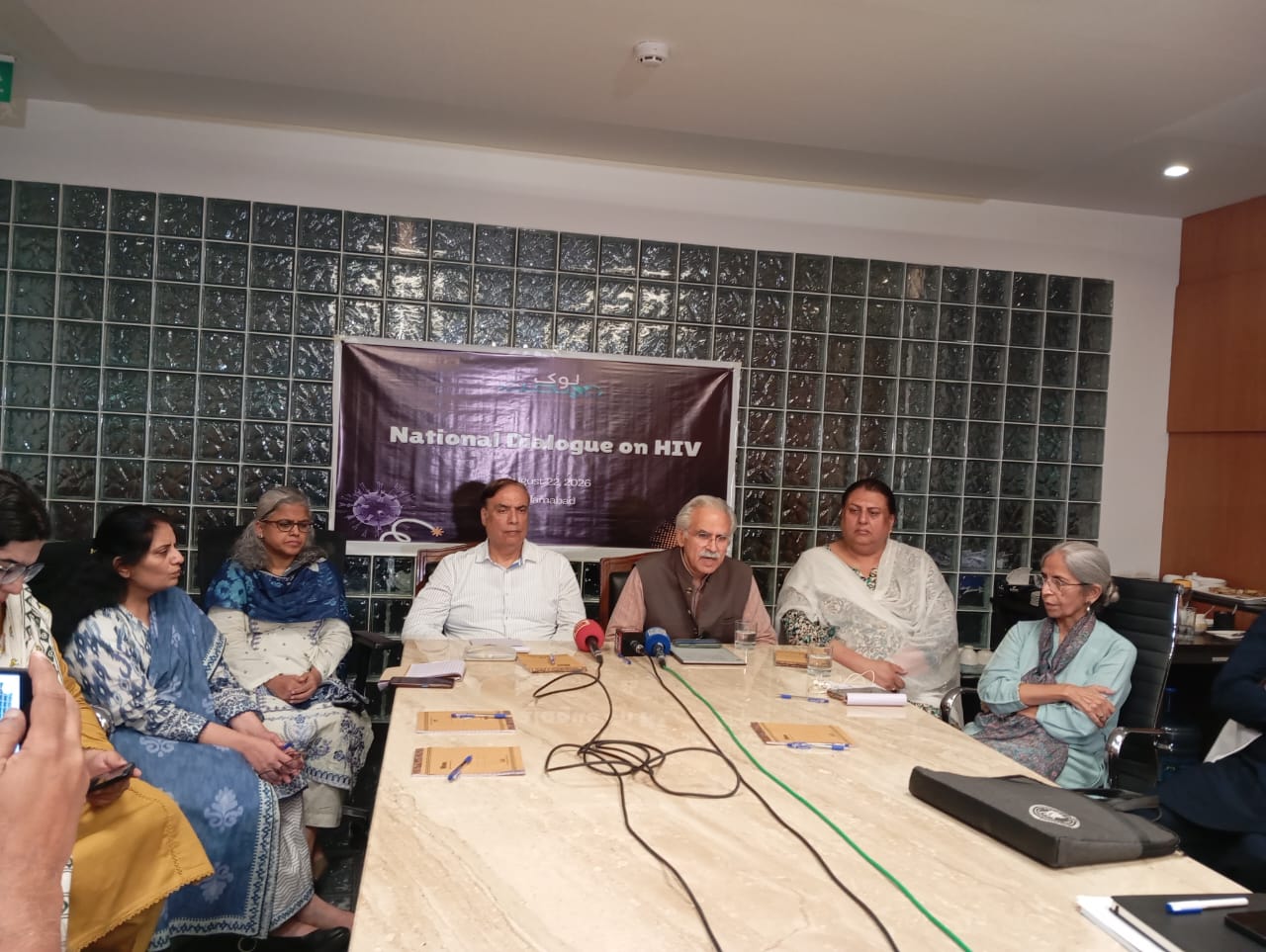
      Islamabad: Pakistan is facing a growing HIV crisis, with an estimated 369,000 people living with the virus while only about 84,400 cases are formally registered, according to a government Task Force report. Health experts and concerned citizens have warned that the real situation may be much worse because the country still lacks reliable and complete disease data. The warning came during a National Dialogue on HIV and AIDS organised by Lok Sehat, where doctors, public health experts, medical organisations, civil society groups and representatives of communities affected by HIV discussed the growing problem. Lok Sehat Convener Dr Zafar Mirza said the government must stop trying to control the disease by controlling or hiding data. He demanded that reliable information about HIV and other blood-borne diseases should be made available and that the government should take greater financial responsibility for HIV, tuberculosis, and malaria instead of depending heavily on international donors. The issue has become more serious because HIV infections are increasingly being reported among children and people outside the groups traditionally considered at higher risk. The Task Force report estimates that 369,000 people are living with HIV in Pakistan, but only around 84,400 cases are formally registered and about 60,789 people are receiving antiretroviral treatment. The report says the recent appearance of HIV among children in low-risk rural communities points to serious weaknesses in infection control, blood safety, healthcare regulation, and medical management. The situation in Taunsa Tehsil of Dera Ghazi Khan has raised particular concern. The Task Force report says 127 children were confirmed to have HIV during a five-month period between December 2024 and April 2025. Around 79 percent of those children were below five years of age, with the median age only three years. Investigations largely ruled out transmission from mothers because nearly all mothers of the infected children tested negative for HIV. The report identified unsafe blood transfusions and contaminated injection practices as major drivers of the Taunsa outbreak. It also found problems involving blood donor screening, unregulated healthcare providers, reuse of disposable syringes, excessive use of injections, poor sterilisation and weak infection prevention systems. Dr Zafar Mirza said repeated use of syringes and needles was a major suspected route of HIV transmission among people receiving healthcare. He called for proper training of healthcare workers and public awareness so patients and families understand the importance of using new syringes and needles. He also urged doctors to avoid unnecessary injections when oral medicines are medically suitable. The problem is not limited to one area. Former National AIDS Control Programme and IHRA chief Dr Quaid Saeed said 13 HIV outbreaks had been reported in Pakistan during the last 18 years, but only two, including the outbreaks in Jalalpur Jattan and Ratodero, had been extensively investigated. He called for proper investigations into every outbreak. The Task Force report also says the Ratodero outbreak in Sindh in 2019 affected more than 1,000 people, most of them children under 12. Investigations linked the outbreak to contaminated syringes, unsafe injections, unregulated blood transfusions, quackery and serious weaknesses in infection prevention and control. Experts also raised concerns about the treatment of people living with HIV. Dr Zafar Mirza said stigma remains a serious problem, including within parts of the medical profession. He said there had been cases where doctors refused to treat patients after learning that they had HIV. He stressed that HIV does not spread through ordinary contact such as shaking hands or being near an infected person. He called for stronger public awareness through television, newspapers and social media to correct false beliefs and reduce discrimination against patients. In Islamabad, infectious diseases expert Dr. Naseem Akhtar said many of the HIV cases seen at her centre involved people who inject drugs, deportees, transgender persons, men who have sex with men, and female sex workers. She said some cases had also been found among children. Dr Asma Naseem said the situation in Karachi was also worrying, particularly because of a rise in HIV cases among children. She said children with HIV were being brought to the Sindh Institute of Urology and Transplantation with kidney failure, describing the trend as highly concerning. The experts said weak regulation of healthcare facilities was another major part of the problem. Dr. Zafar Mirza called for stronger healthcare commissions, blood transfusion authorities, and other regulators, along with better funding, trained staff, and modern technology. The government Task Force has recommended nationwide surveillance of syringes, stronger regulation of medical devices, and a phased move towards auto-disable syringes. It has also proposed tougher action against unsafe medical practices. Another major recommendation is the creation of a national real-time HIV surveillance dashboard. The system would collect information from treatment centres, blood transfusion centres, provincial disease surveillance units and other health facilities so that new cases could be reported quickly at the national level. The Task Force has also proposed stronger testing and care for children, including early infant diagnosis, trained counsellors and paediatric HIV specialists in areas facing outbreaks. It has recommended social protection for children living with HIV, including support for medicines, nutrition, education, transport and psychological care. The proposed reforms also include stronger laws, mandatory reporting of HIV cases and outbreaks, better sharing of health data between provinces and agencies, and accountability for public and private healthcare providers where negligence contributes to disease transmission. The government report says a high-level National HIV Technical Working Group is also proposed, with experts including Maj. Gen. (R) Dr. Azhar Mehmood Kayani, Dr. Zafar Mirza, Dr. Abdul Wali Khan, Dr. Amjad Mahmood, Dr. Adnan Khan, Dr. Huma Qureshi, Dr. Hasan Abbas Zaheer, Brig. Dr. Nuzhat Mushahid, Dr. Saira Afzal, Dr. Fatima Mir, Dr. Saba Jamal, Dr. Rana Jawad Asghar and Dr. Khalid Rehman. Dr Zafar Mirza also raised concern over Pakistan’s dependence on international funding. During the briefing, he said that around 90 percent of spending on HIV, tuberculosis and malaria over the previous five years had come through the Global Fund. He argued that Pakistan should gradually take full

  • | |

    Eman Fatima gets emotional discussing divorce controversy

    Content creator Eman Fatima has emotionally opened up regarding her ongoing divorce controversy with her estranged husband, prominent Pakistani YouTuber and vlogger Rajab Butt, sharing the intense emotional toll, public scrutiny, and personal heartbreaks that have accompanied their high-profile split. ​The public breakdown of their marriage captured widespread attention after legal divorce notices were issued, transforming a once-private marital dispute into a heavily debated online saga. Addressing her followers in an emotional video statement, Eman broke down while expressing her pain over how the fallout has affected both her and their infant son, Kivan. ​Responding to criticism accusing her of leveraging public sympathy and playing the “woman’s card” to sway opinion, Eman firmly rejected the claims, emphasizing that her primary motivation in speaking out has been to defend her character and safeguard her child’s future. She shared the immense difficulty of navigating pregnancy, health struggles, and legal complications largely in isolation, expressing deep regret over how private vulnerabilities were broadcast to digital audiences for content and engagement. ​”No woman marries expecting it to end in public humiliation or divorce, especially when a child is involved. To be accused of playing cards or seeking clout while simply trying to protect my dignity and my son is heartbreaking. I stayed silent through so much, but when false narratives threaten your integrity, you have no choice but to speak up. All I wanted was respect and a stable home for my child.” ​Eman also reflected on the breakdown of trust within the relationship, addressing allegations of infidelity and persistent domestic friction with in-laws that plagued their brief time together. She lamented that despite making compromises and forgiving past mistakes, the lack of private resolution and mutual respect ultimately made sustaining the marriage impossible. ​The emotional statement has reignited intense debate across social media, drawing widespread sympathy from fans and digital creators who condemned the trend of turning personal family tragedies into public online fodder. Many users voiced support for Eman, urging both parties to handle their remaining legal matters privately for the well-being of their young son. ​As the couple moves toward formal legal closure, Eman’s candid response highlights the dark side of influencer culture, where private grief and familial breakdown are increasingly exposed to the unforgiving spotlight of public judgment.

  • | |

    IHC seeks govt response over Arshad Chaiwala’s p…

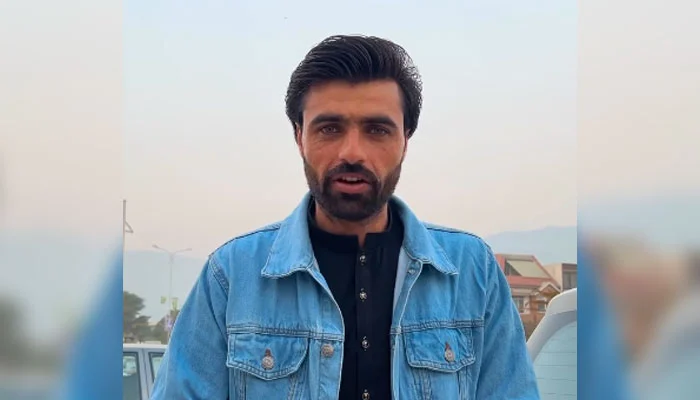
    The Islamabad High Court (IHC) has sought responses from the federal government and the Directorate General of Immigration and Passports over the reported non-renewal of the passport of Arshad Khan, popularly known as “Arshad Chaiwala.” Justice Umair Majid Malik heard the petition filed by Arshad Khan, with Barrister Umar Ejaz Gilani representing him in court. The petitioner’s counsel told the court that Arshad Khan is an entrepreneur who has promoted Pakistani culture internationally. According to the counsel, the National Database and Registration Authority (NADRA) verification board has already cleared Arshad Khan’s identity. His Computerised National Identity Card (CNIC) is also active. The court was informed that Arshad had applied for renewal of his passport on August 20, 2025. However, despite the passage of nearly a year, the renewed document had allegedly not been issued. The lawyer said Arshad had repeatedly contacted the office of the interior secretary to resolve the matter but had not received a satisfactory response. He also informed the court that a legal notice had been served on the interior secretary. Despite the notice, no response was reportedly received. Arshad has asked the high court to direct the authorities to issue his renewed passport without further delay. His petition also seeks a declaration that the continued failure to issue the passport is unlawful and violates his fundamental rights. During the hearing, Justice Umair Majid Malik observed that the court would first obtain the position of the relevant government authorities before examining the matter further. The IHC subsequently issued notices to the Director General Immigration and Passports and the federal government through the interior secretary.

  • |

    Russian assassination plot against Ukrainian-American thwarted in Warsaw

    Polish authorities have foiled a Russian intelligence plot to assassinate a Ukrainian-American citizen in Warsaw, Prime Minister Donald Tusk announced. Tusk noted that this marks the first instance of a Russian-directed assassination plot targeting a US citizen on the sovereign territory of a NATO member nation. The suspect was detained in Warsaw on 7 August following a joint operation between Polish security agencies and US intelligence services, and has been remanded in custody for three months. While Polish officials refrained from releasing the victim’s identity, Tusk stated that the targeted individual was deemed “inconvenient” by the Kremlin. The incident comes amid a broader wave of state-sponsored sabotage, arson, and targeted killings across Europe attributed to Russian security services since the 2022 invasion of Ukraine.

Leave a Reply

Your email address will not be published. Required fields are marked *