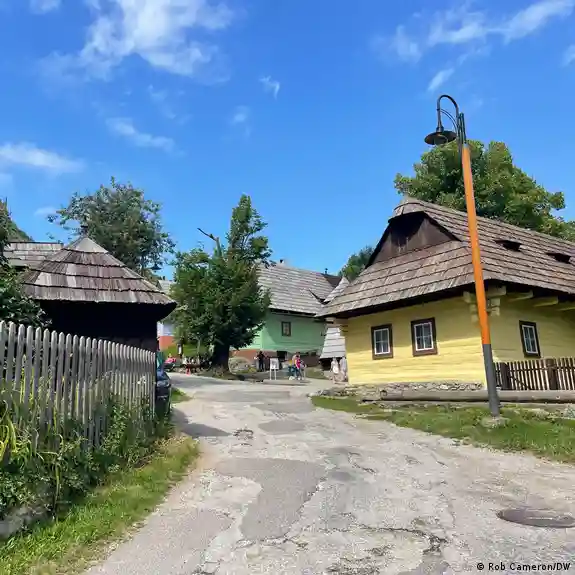
When global recognition becomes a local burden
In the Carpathian Mountains of central Slovakia lies Vlkolínec, a preserved settlement. This village is renowned for its pastel-painted timber cottages and traditional 19th-century folk architecture. It was inscribed as a UNESCO World Heritage site in 1993. Vlkolínec was celebrated not merely as a set of historical buildings, but as a living community. A rare surviving traditional rural life in Central Europe. However, three decades after receiving this prestigious designation, the small mountain is struggling with an existential dilemma. What was meant to be a cultural preservation has transformed into a challenge for the few villagers who still call Vlkolínec home. Now, frustration among permanent residents has reached a boiling point. There are calls to have the village removed from the UNESCO list altogether. When UNESCO designated Vlkolínec as a World Heritage site, one of the criteria was that it remained an inhabited settlement. At the time of inscription, the village was home to around 200 residents. Today, that permanent population has declined to just 14 to 17 people spread across four core families. In contrast to this dwindling resident count, Vlkolínec receives approximately 100,000 tourists every year. For the remaining inhabitants, the ratio of over 7,000 visitors per resident has basically altered the daily life. Locals report feeling as though they live inside a tourist zoo. The boundaries between public spaces and private homes are routinely ignored. Despite signs requesting privacy, visitors frequently wander into private yards, peer through kitchen windows, and treat active properties as open-access museum displays. The loss of privacy is compounded by anti-social tourist behavior. This conduct has been leaving locals feeling alienated in their own hometown. Overtourism is only one side of the coin. Residents also voice deep frustration over the rigid conservation framework that accompanies World Heritage status. Under national protection laws and strict UNESCO guidelines, historic homes face tight restrictions on modern modifications and physical alterations. Elderly villagers point out that these preservation rules have made customary rural activities increasingly difficult. Small-scale farming, livestock keeping, and land cultivation have gradually vanished. Surrounding agricultural terraces have become overgrown. Traditional meadow mowing has largely ceased as older generations pass away and younger generations move away. Furthermore, many of the village’s timber cottages have been bought up by outside buyers to serve as weekend holiday retreats. This phenomenon has increased the loss of a permanent, cohesive community. Some residents argue that revoking UNESCO status would reduce tourist pressure and ease regulatory burdens. However, municipal officials and heritage experts contend that delisting is neither practical nor the right solution. Local administrators in the nearby town of Ružomberok emphasize that UNESCO status brings significant heritage recognition and funding opportunities. Rather than abandoning the title, officials advocate for smarter tourism management. From a procedural standpoint, voluntary delisting at the request of a local community is virtually unprecedented in UNESCO’s history. The organization typically removes properties only when they lose their outstanding universal value due to severe destruction or irreversible development. The debate unfolding in Vlkolínec highlights a broader issue facing protected historic sites around the globe. How to balance global recognition and economic benefits with the rights and wellbeing of local inhabitants! Small historic communities across Europe and beyond battle with overcrowding and demographic decline. Vlkolínec serves as a reminder that preserving physical architecture alone is not enough. Without protecting the living social fabric of a community, world heritage sites risk turning into empty shells of their former selves.