Hopes for Hormuz deal fade as Trump demands Iranian reparations
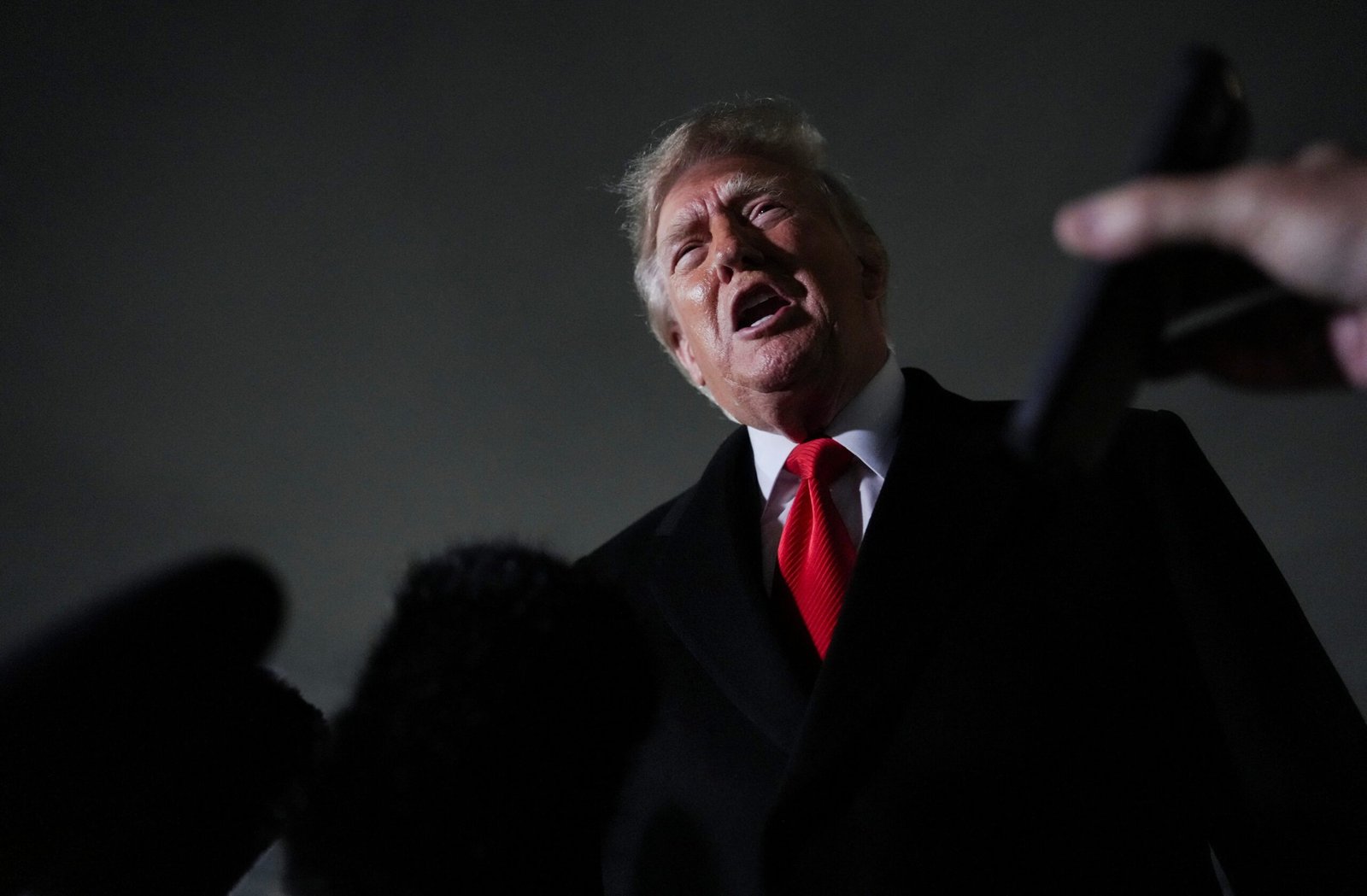
US President Donald Trump complicates peace talks by demanding Iran pay compensation for 50 years of damages
A US embassy in North Africa revoked more than 100 visas from ‘birth tourist’ parents who allegedly came to the US primarily to give birth so their children would receive US citizenship, says the State Department
Iran is close to finalizing a deal with Oman to establish new shipping lanes through the Strait of Hormuz, contingent on the US meeting certain demands, including compensation and lifting sanctions
A U.S. federal appeals court issued a ruling to halt construction on the ambitious $400 million White House ballroom project. The decision by the U.S. Court of Appeals for the District of Columbia Circuit upholds a preliminary injunction that brings above-ground work on the massive 90,000-square-foot facility to a standstill. The legal challenge was originally brought by the National Trust for Historic Preservation. The timing was right after the administration demolished the historic East Wing to clear space for the new addition. This project was devised without receiving formal authorization from the United States Congress or regulatory historic preservation bodies. The Core Legal and Historic Dispute The dispute began after the historic East Wing was razed to make way for a grand event space capable of hosting hundreds of guests. Preservationists quickly filed suit. Their argument was that the administration overstepped its legal boundaries by destroying part of the historic executive mansion without proper congressional oversight. In earlier lower court proceedings, the federal judge sided with the preservation group. The judge concluded that the executive branch could not bypass legislative authorization to construct such a massive structure. The administration argued that the ballroom itself would be funded primarily through private contributions rather than taxpayer dollars. Critics maintained that private funding does not grant an administration the right to alter iconic federal heritage sites at will. Security Exceptions vs. Architectural Expansion A major focal point of the ongoing litigation involves the distinction between above-ground construction and essential subterranean infrastructure. Lower court decisions made allowances for below-ground work to proceed. The allowed spots were specifically underground bunkers, military installations and updated security infrastructure meant to replace outdated Cold War-era facilities. Justice Department attorneys representing the administration argued that halting any portion of the project could jeopardize executive branch safety. The new complex integrates crucial defensive elements against modern airborne and ballistic threats. However, judges questioned whether national security arguments could be applied to justify an entire 90,000-square-foot ballroom built above those installations. The appellate court’s latest order reinforces the restriction on above-ground structural work. However, the order allows government a temporary 14-day emergency intervention from the U.S. Supreme Court. Broader Presidential Power Implications The ruling marks on significant constitutional questions regarding the limits of executive power over federal property. Government lawyers previously asserted to the court that judges lacked the authority to intervene in executive branch building decisions once work was underway. The judiciary’s willingness to block the project highlights a sharp pushback against the idea that rapid demolition creates a fait accompli immune to judicial review. As the 14-day stay ticks down, all eyes are on the Supreme Court whether the nation’s highest tribunal will step in to allow construction or leave the high-stakes project frozen.
While the summit appeared cordial, China remains a key adversary of the United States, given its advanced intelligence and espionage capabilities.
Trump Mobile is leaking customers’ email and home addresses but has not responded to people alerting the company of the data exposure, according to two YouTubers who said they verified that their leaked data is authentic.
President Trump’s branded cell phone maker and cell provider said the exposure was linked to a third-party platform and was evaluating whether it needs to notify customers.
President Donald Trump said he’s discussing deals “where the American people can benefit from the success of AI.”
Krishnan is reportedly starting a new institution to continue shaping Trump’s AI policy.
On the new episode of Equity, we discussed what actually prompted the administration’s latest moves against Anthropic, and what this might mean for the AI ecosystem.