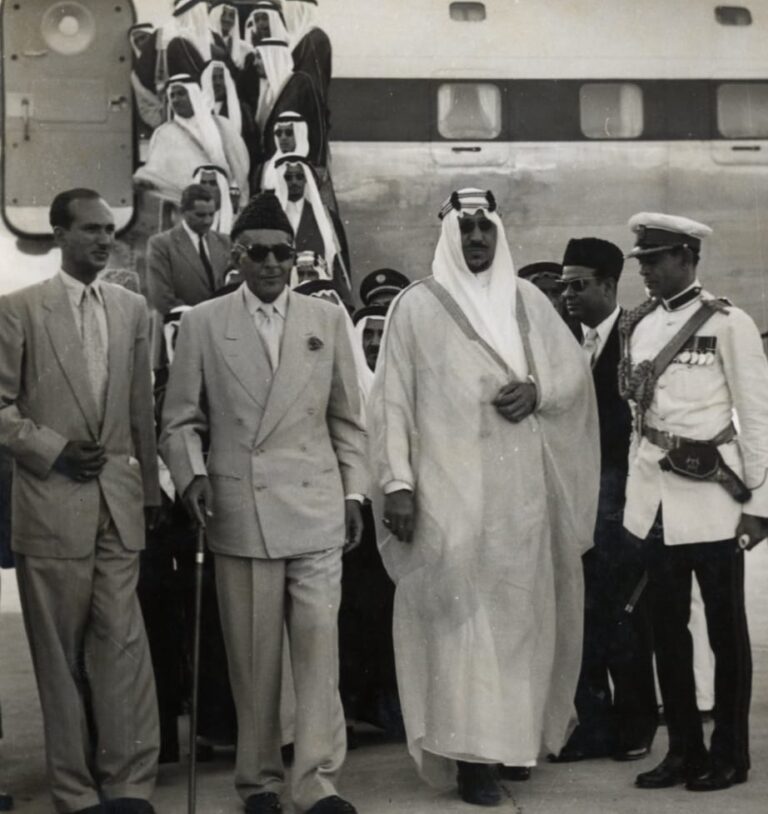
Holy Trinity: Pakistan-Saudi Arabia-Türkiye
The historic partnership between Pakistan and Saudi Arabia is undergoing its most significant structural evolution in decades. For over half a century, the relationship functioned on a familiar security-for-capital framework. Islamabad offered military training, troop deployments, and strategic depth, while Riyadh responded with essential financial bailouts, discounted oil facilities, and employment opportunities for millions of Pakistani expatriates. However, recent diplomatic breakthroughs headlined by the Strategic Mutual Defence Agreement (SMDA) and its subsequent expansion into a trilateral security pact alongside Türkiye mark a decisive leap forward. The bilateral relationship is rapidly shifting away from transactional, crisis-driven assistance toward a formalized, institutionalized strategic and economic alliance. Evolution of the Security Paradigm Historically, military collaboration between the two nations relied on informal arrangements, temporary troop rotations along Saudi borders, and specialized training programs. The formalization of a mutual defense clause that an attack on either nation constitutes an aggression against both fundamentally alters this dynamic. Amid growing uncertainty regarding traditional Western security guarantees and volatile regional dynamics across the Gulf, Riyadh views Pakistan’s battle-tested military capacity and nuclear deterrent as a critical regional shield. Pakistan’s recent military deployments demonstrate that this pact goes beyond mere symbolic diplomatic language. The inclusion of Türkiye creates a formidable defense ecosystem. This framework combines Turkish aerospace technology and defense manufacturing, Pakistani operational combat experience, and Saudi financial capital. Replacing Short-Term Bailouts with Direct Capital Parallel to the defense realm, bilateral economic engagement is abandoning the reactive annual renewal model. Previously, Pakistan relied on periodic, short-term central bank deposits from Riyadh to stabilize its foreign exchange reserves. The new paradigm prioritizes long-term equity investments and sovereign economic integration. Anchor Investments in Key Sectors: Alignment with Saudi Arabia’s Vision 2030 framework has unlocked direct equity participation in Pakistan’s primary assets, including the Reko Diq copper-gold project, renewable energy grid upgrades, and critical transport infrastructure. Institutionalized Energy Buffer: Unscheduled deferred-payment oil arrangements are being structured into permanent facilities, providing Pakistan with predictability against global energy spikes while directly binding Saudi economic interests to Pakistan’s financial solvency. Labor Mobility and Tech Integration: Both nations are working toward transforming low-skilled migrant flows into a skills compact, alongside integrating digital payment gateways to streamline direct remittance flows into Pakistani bank accounts. Geopolitical Constraints and Regional Realities While the formalization of ties guarantees structural support, it introduces diplomatic challenges across major geopolitical arenas. Pakistan shares a 900 km border with Tehran and cannot sustain an overtly hostile western neighbor. Islamabad will actively position itself as a diplomatic bridge and mediator rather than acting as a military proxy in Middle Eastern disputes. Saudi Arabia maintains robust, multi-billion-dollar trade ties and strategic partnerships with New Delhi. Riyadh will keep its security pact with Pakistan separate from its commercial ties with India, preserving its broad economic balance in South Asia. Formal security commitments increase the risk of being drawn into distant Middle Eastern flashpoints. Pakistan will face pressure to provide military backing during future regional crises, limiting the neutrality it previously maintained. This institutional consolidation reshapes both South Asian and Gulf dynamics. Pakistan secures long-term economic stability and elevated geopolitical status, while Saudi Arabia anchors its defense architecture with proven regional partners.