UNIQLO’s new patches champion artisans from Luzon, Visayas, Mindanao
In the Philippines, indigenous weaves and textile patterns aren’t just for aesthetic appeal. They carry centuries’ worth of our ethnic groups’ oral tradition and heritage, and hold stories that run deep into our culture.
These are handwoven by local artisan communities whose craft was passed down from generation to generation — rendering the final products as invaluable pieces of art.
When it comes to these embroidered goods, however, people are often quick to think that they’re only meant to be used on special occasions, or that it’s difficult to get their hands on them. But in one of UNIQLO’s latest collections, artisan communities from Luzon, Visayas, and Mindanao handcraft one-of-a-kind patches using traditional embroidery techniques and fabric scraps from Re.UNIQLO, a sustainability program that reuses and recycles old UNIQLO clothing.
In celebration of 70 years of Japan and the Philippines’ friendship, the beloved Japanese fashion brand partnered with Davao-based creative director Wilson Limon to bring these patches to life.
Limon has been working with ethno-linguistic groups for more than 10 years. He was connected with UNIQLO by the National Commission of Culture and the Arts (NCCA) to produce the collaboration under its flagship program, the School of Living Traditions (SLT) — a series of community-based learning centers dedicated to preserving traditional art, oral history, and heritage.
“Working with ethno-linguistic groups, my main mission is to recreate the traditional and the ethnic to make it more relatable to Filipinos,” Limon said during the launch in a mix of English and Filipino.
Each patch is handmade — so no two are exactly the same.
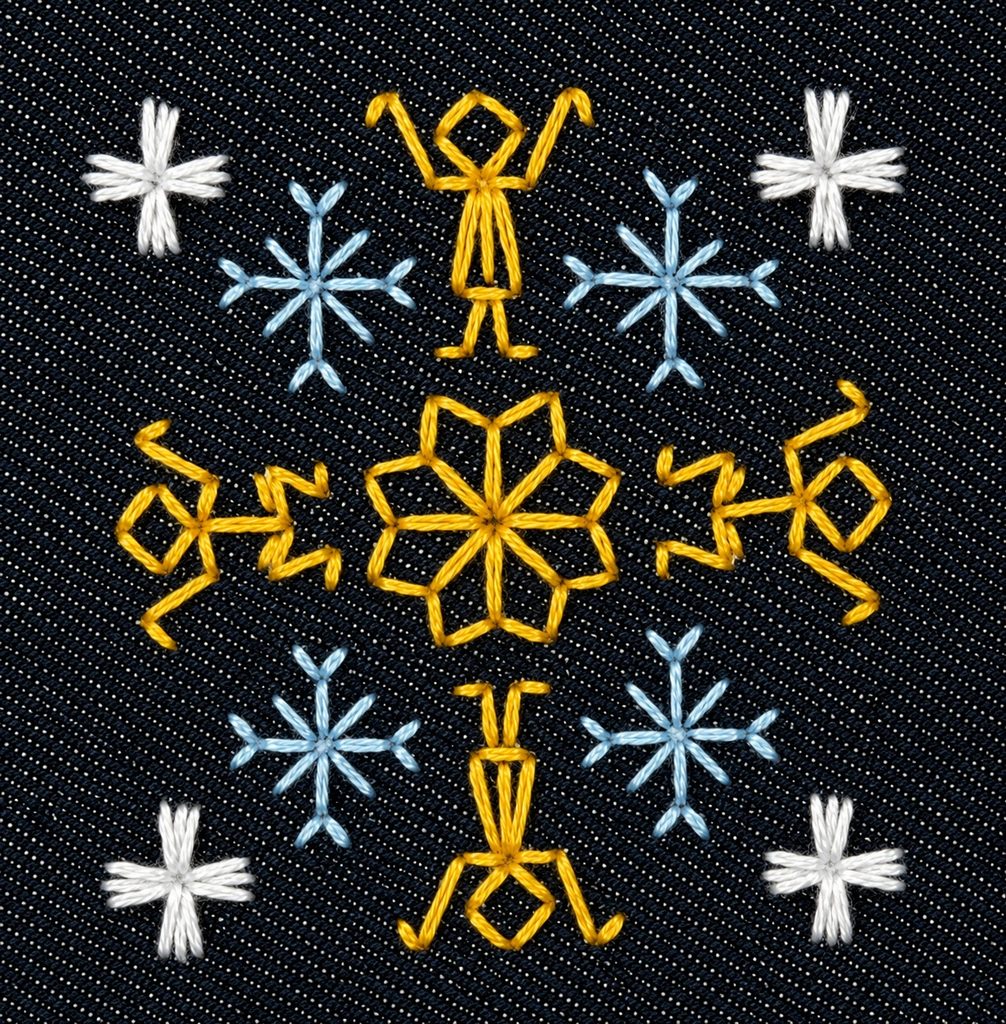
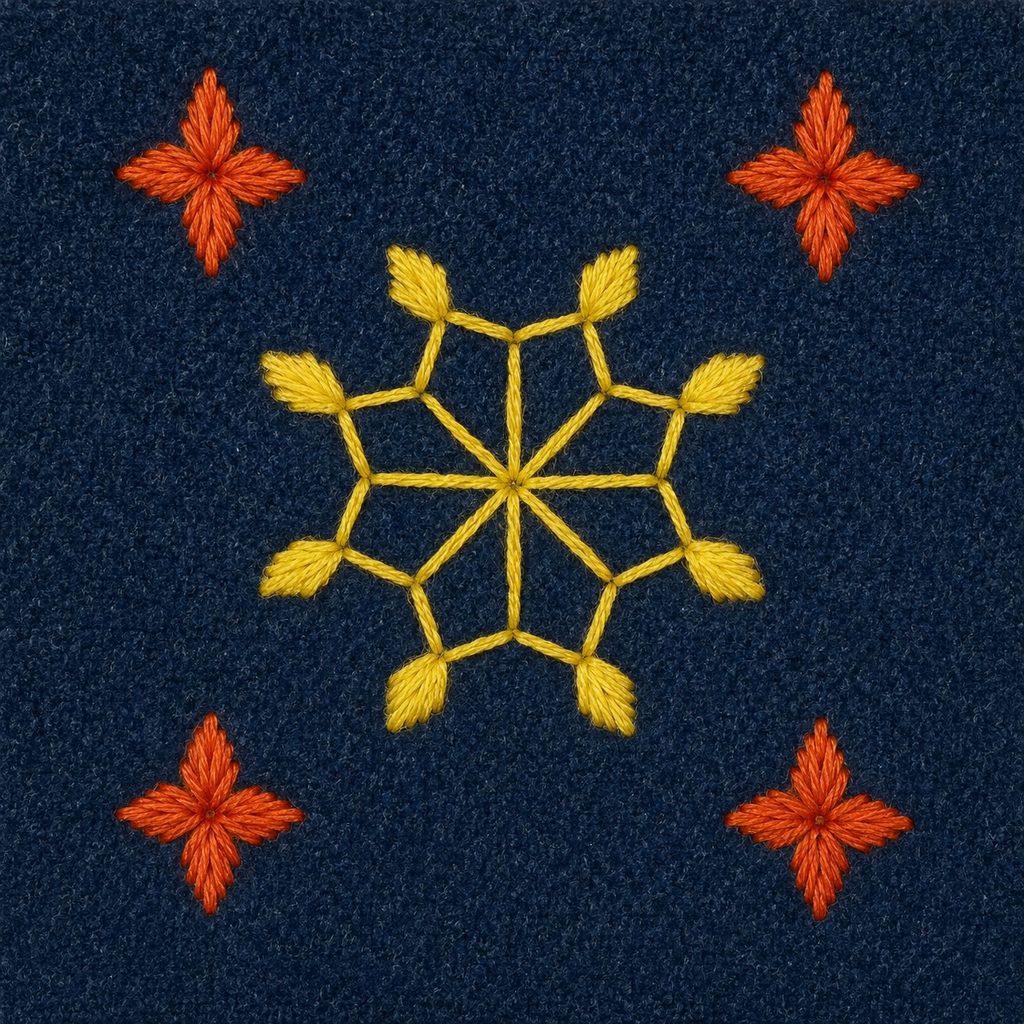
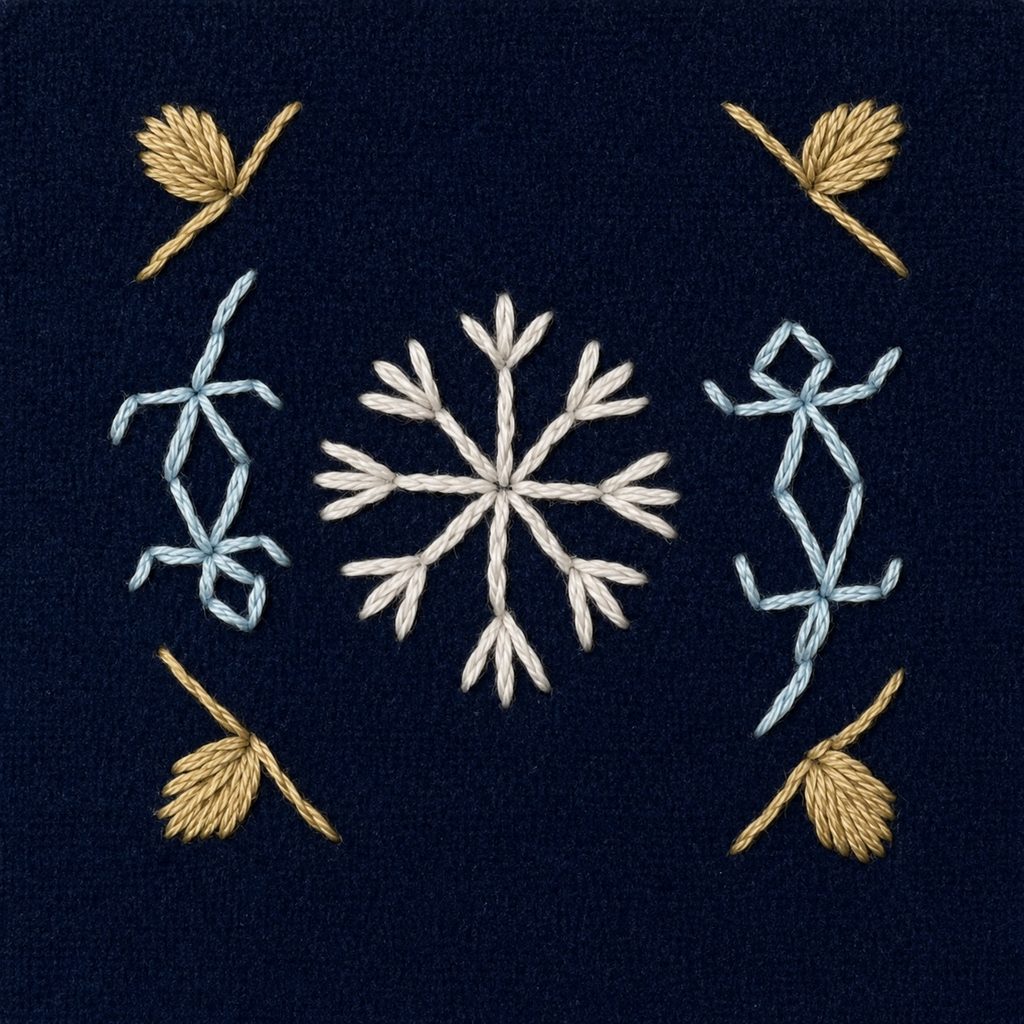
Representing Luzon are the Itneg artisans of Barangay Namarabar in Peñarrubia, Abra, whose embroidery style leans toward designs that are geometric, and take inspiration from nature, animals, and human figures. These patches feature the Kukko pattern, which holds stories of abundance, fertility, productivity, hard work, and agriculture.
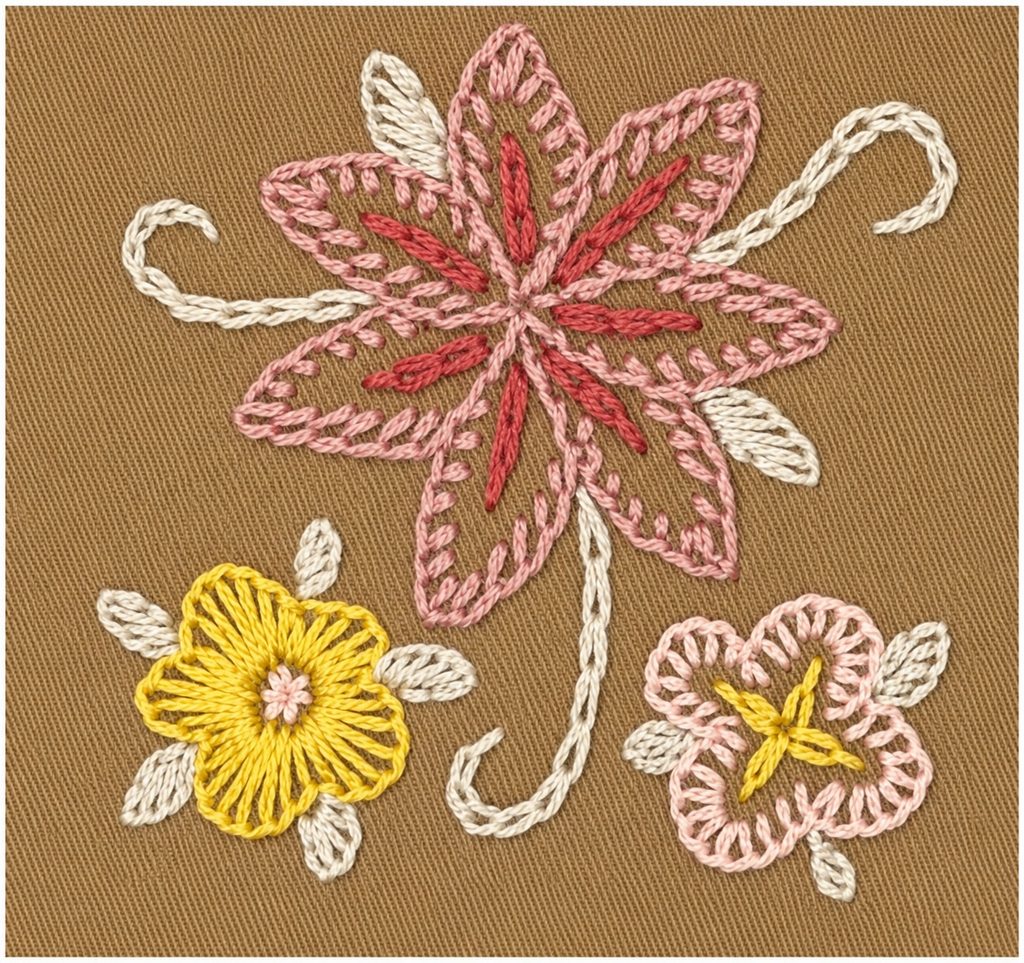
Over in Visayas, you will find the Panay Bukidnon artisans from Calinog, Iloilo, whose centuries-old embroidery technique is called Panubok, which, according to the National Museum of Iloilo, was once sewn using abaca fibers sourced from the lowlands before being replaced with more widely available threads. The patches they created for UNIQLO take the shape of floral motifs, which are meant to signify nature, oral traditions, and ancestral beliefs.
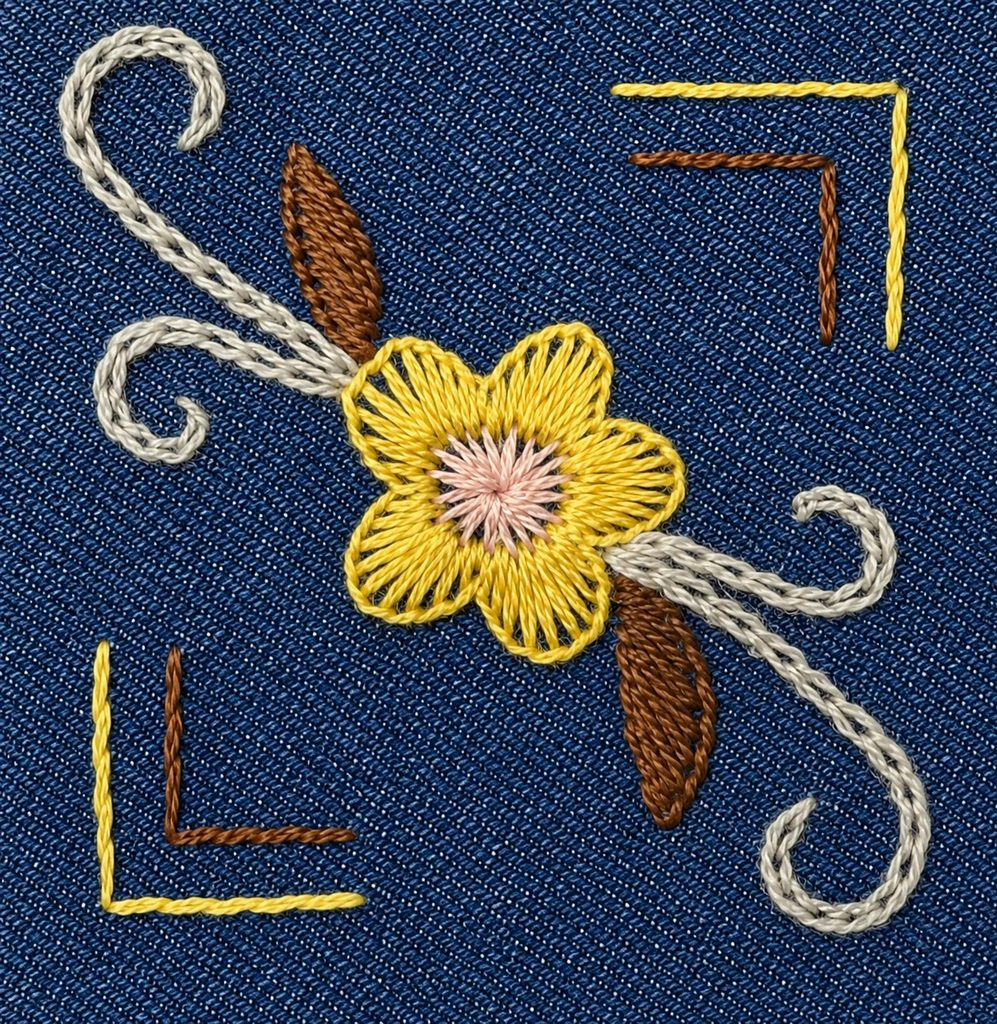
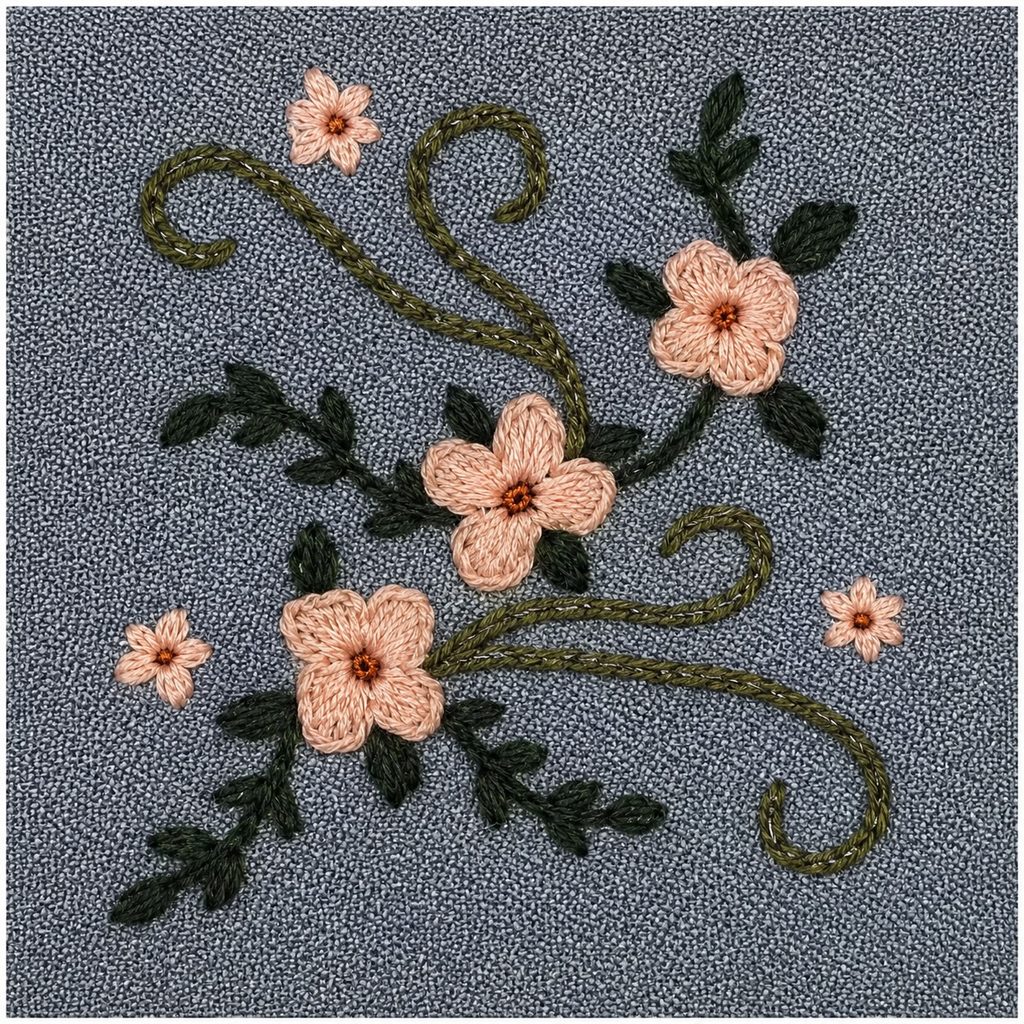
Mindanao, meanwhile, is represented by the T’boli artisans of Sitio Lem-ehek, Barangay Poblacion, Lake Sebu from South Cotabato. This community drew inspiration from nature, mountains, and fauna to create their UNIQLO patches — which reflect their daily life and surroundings.

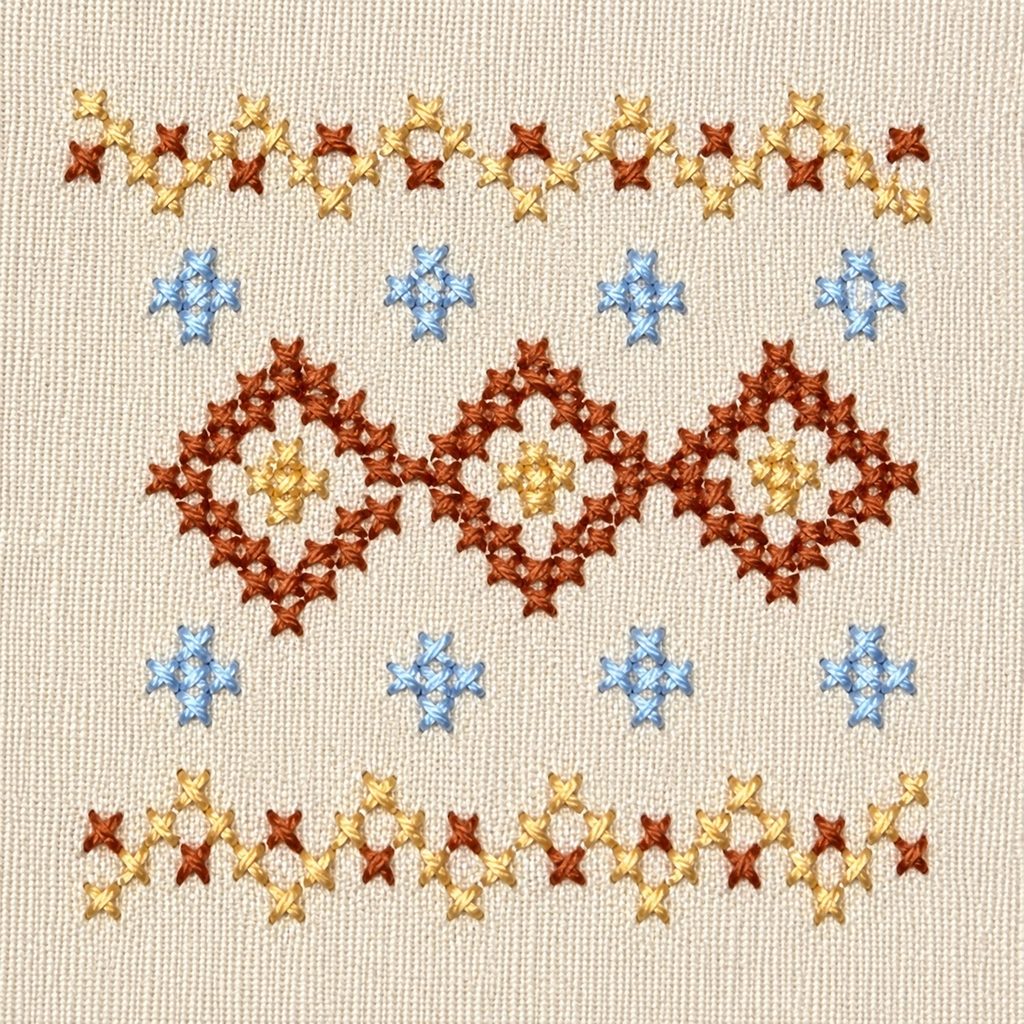
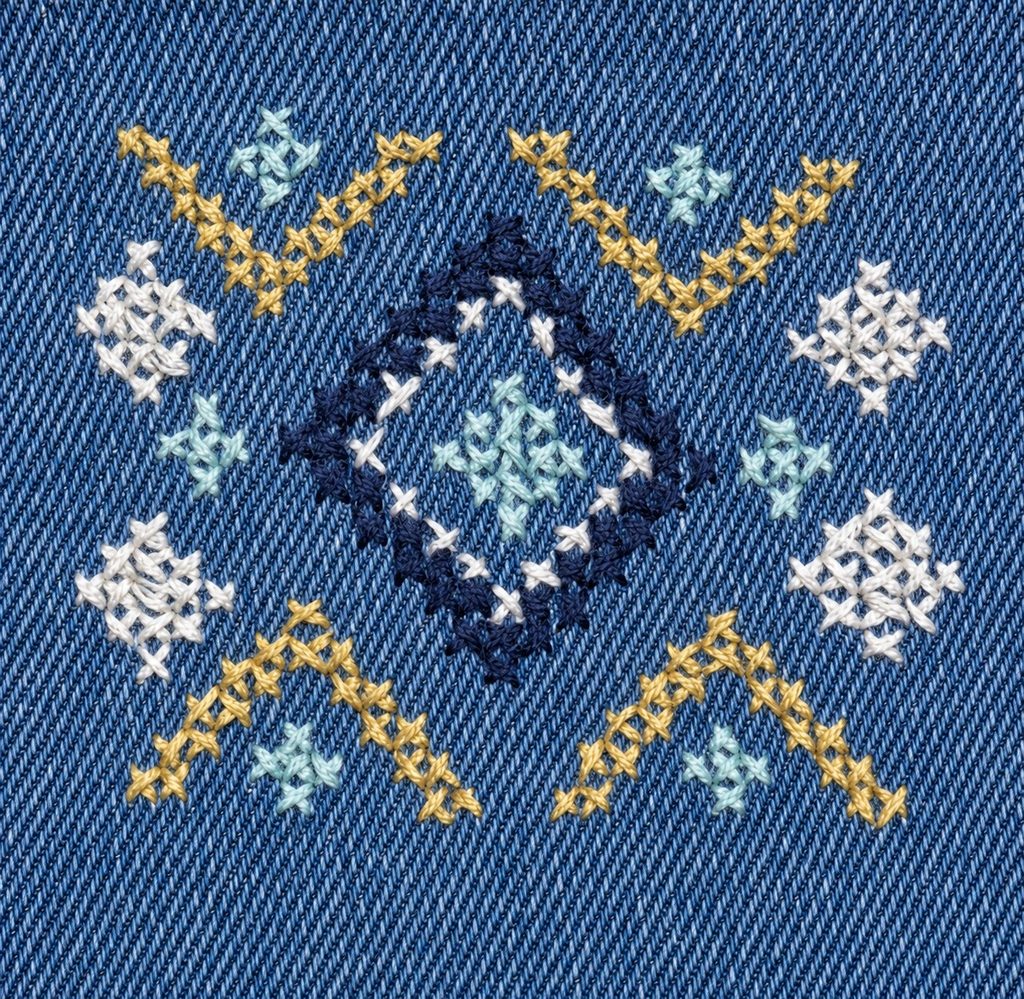
“Each patch is thoughtfully created by our very own Filipino artisans to reflect the artistry, culture, and heritage of their communities,” Limon explained.
The patches are priced at P300 each, and all profits go back to the specific artisan communities that created them. As a part of the brand’s sustainability efforts, customers can bring their old UNIQLO LifeWear apparel in to have the patches sewn onto them at the brand’s flagship store in Glorietta in Makati City, at the Mall of Asia branch in Pasay City, at the BGC branch in Taguig City, as well as in Cebu and Davao.
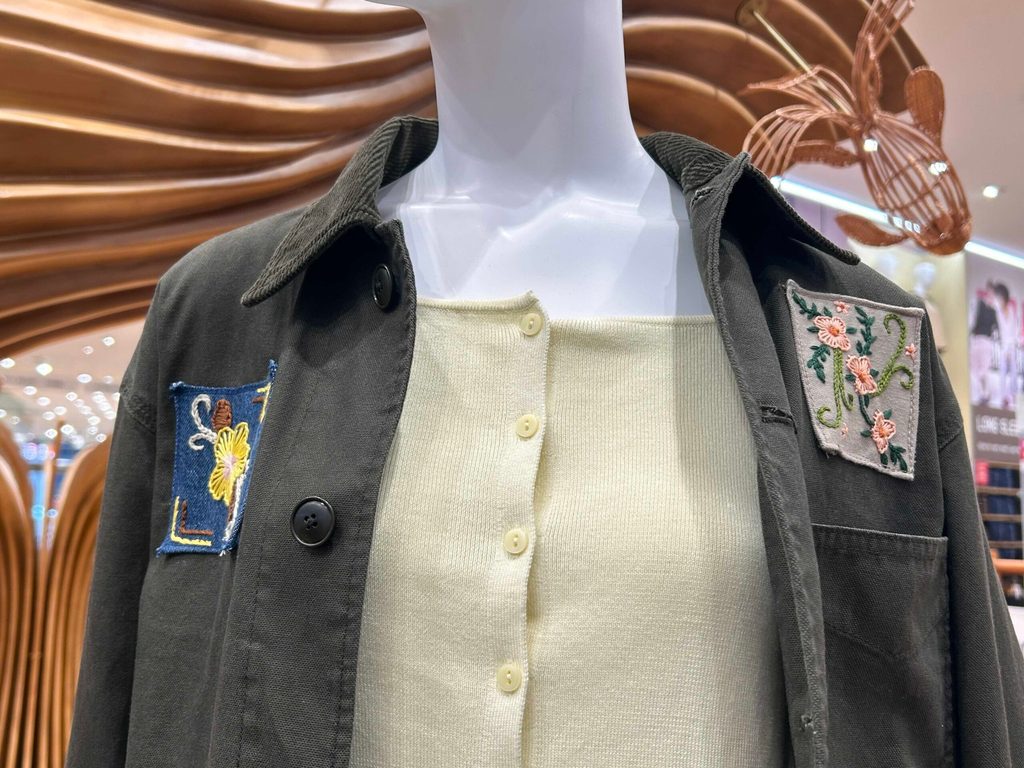
These patches mark a first for UNIQLO in the Philippines.
While the Japanese apparel brand has focused more on connecting with Filipinos by forging collaborations with brands like Jollibee and Potato Corner, and even schools like ICA, Xavier, and La Salle Green Hills — this is the first time the brand has ever come out with merchandise that champions indigenous culture.
“We want to reach out and partner with local communities,” UNIQLO chief operating officer Geraldine Sia told Rappler. “This is something that we are really aiming for so that we can give back to them.”
The artisan patches are also a way for UNIQLO to dive deeper into Filipino culture, and the best way the brand thought to do that was to trace the country’s roots across the regions by connecting with local artisan communities. – Rappler.com
Patches are limited in quantity and are available until supplies last.