Google Pixel 11 review: The everyman’s flagship

At a glance
Expert’s Rating
Pros
- Stylish and compact
- Excellent user experience
- Versatile cameras
- Faster wireless charging
- Minimum 256GB storage
Cons
- Similar to Pixel 10
- Slow wired charging
- Middling battery life
Our Verdict
The Pixel 11 comes at a strange time in the tech world, where upgrades are limited and prices are higher. However, Google has made some improvements to both hardware and software that make the higher price seem almost reasonable. It won’t tick all the boxes for nerdy power users, but if you just want a flagship that’s a very good jack of all trades, then this is a great choice.
Price When Reviewed
This value will show the geolocated pricing text for product undefined
Best Pricing Today
Best Prices Today: Google Pixel 11

It’s a strange time for tech and that means almost any new phone landing on the market in 2026 has a difficult task of convincing users to upgrade. Google’s Pixel 11 series is no exception, even the cheapest model on review here.
The vanilla Pixel 11, like so many devices this year, is an iterative refresh of the previous generation. Don’t get me wrong, I’m a big Pixel fan and this is a solid phone, but the climate of the tech world means it’s harder than ever to make significant strides.
While the Pixel 11 is the most affordable of Google’s latest flagships, it hasn’t managed to avoid the price rises sweeping the industry by storm. It now starts at £879/$899, meaning it’s gone up by £80/$100 on the Pixel 10.
There are some hidden upgrades here which I’ll cover, of course, but are these and a lick of paint enough? Whether you should opt for it largely depends on how old the phone in your pocket is.
Our sample was kindly supplied by Mobiles.co.uk, but the brand had no input into the review.
Design & Build
- New colours
- Same size
- Smaller camera bump
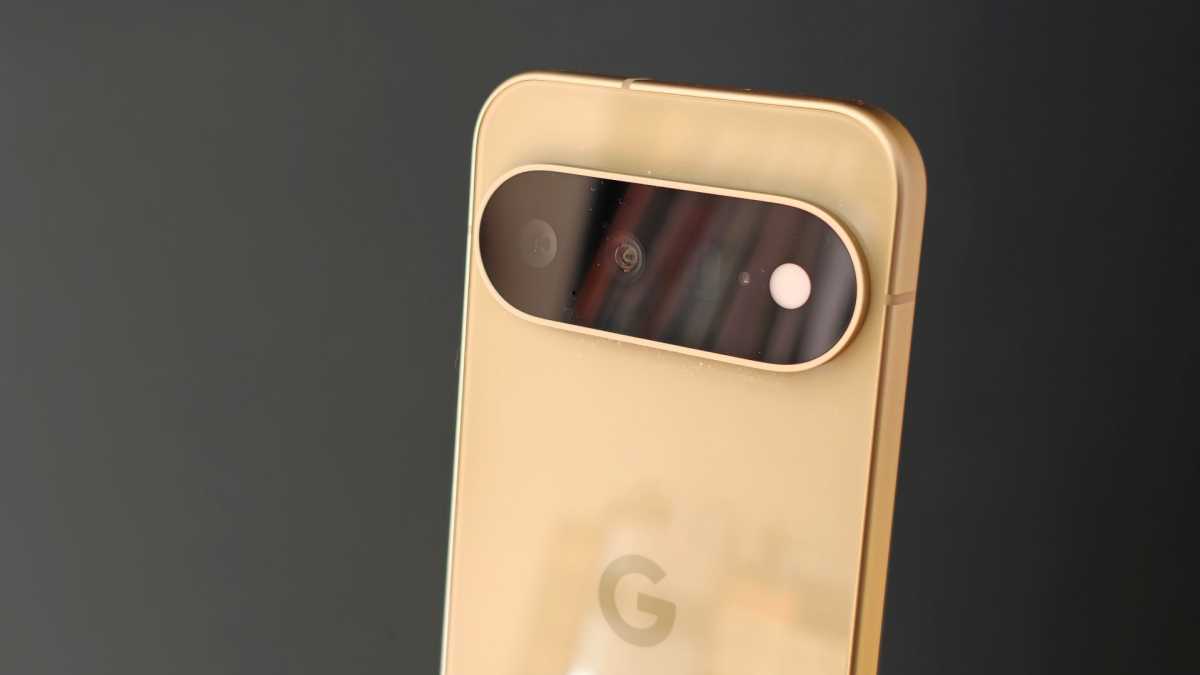
It’s perhaps no surprise that there’s not too much to say about the Pixel 11’s design when compared to its predecessor. The Pixel range has had a similar style since the Pixel 9 when Google swapped the full camera visor for the pill-shaped camera bar.
An overhaul isn’t quite due yet and the current Pixel design language is iconic and instantly recognisable. It likely keeps things simpler and cheaper for Google when it comes to the design and manufacturing process, too.
Chris Martin / Foundry
There are two main things to point out about the Pixel 11 and the first is the most obvious. Google loves to, I like to think, get a huge book of colour swatches and decide which ones are going to make the cut each year.
I’m all for it. It’s fun and makes the latest models stand out (ignoring the ever-present Obsidian for those who like their phones plain).
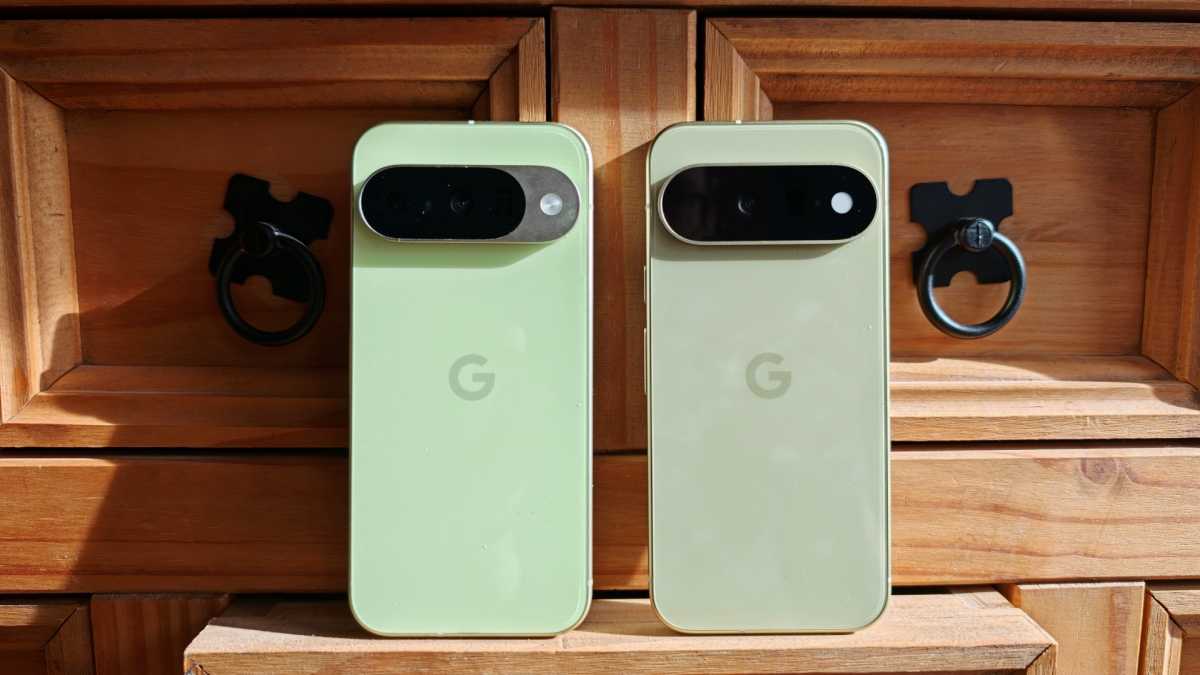
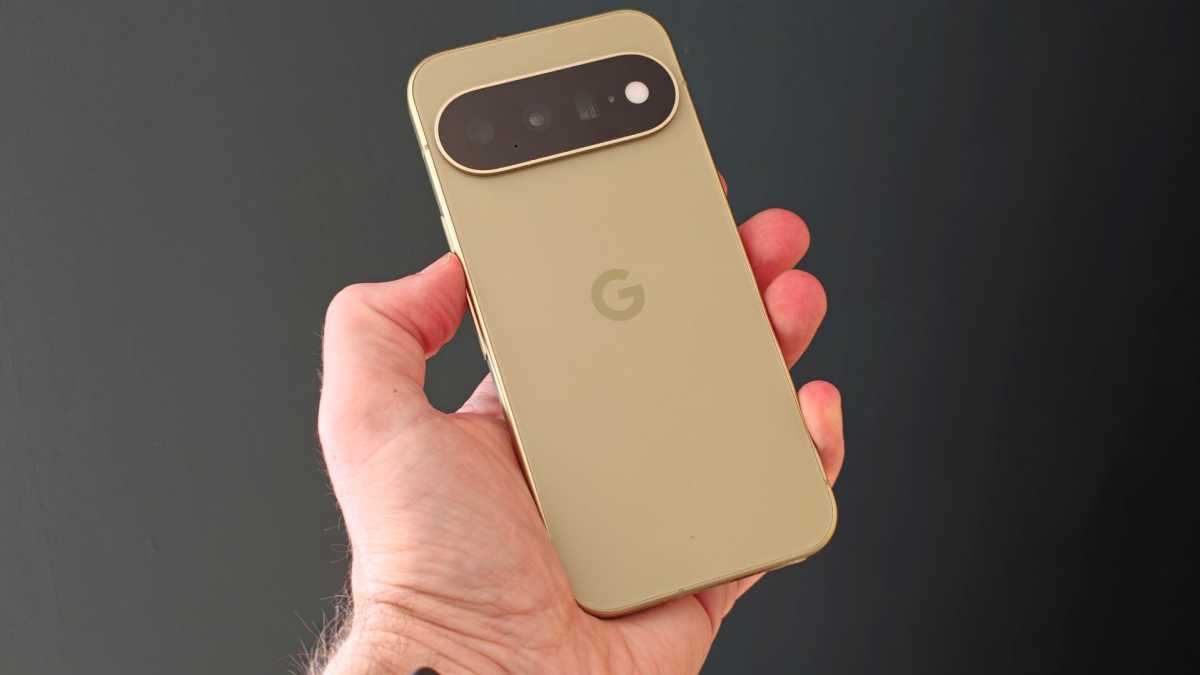
This year, the Pixel 11 comes in Frost (a pale silvery purple), Hibiscus (a bright luminous pink) and Pistachio, which I’ve been testing. I like it a lot, though perhaps not quite as much as I thought I would.
Chris Martin / Foundry
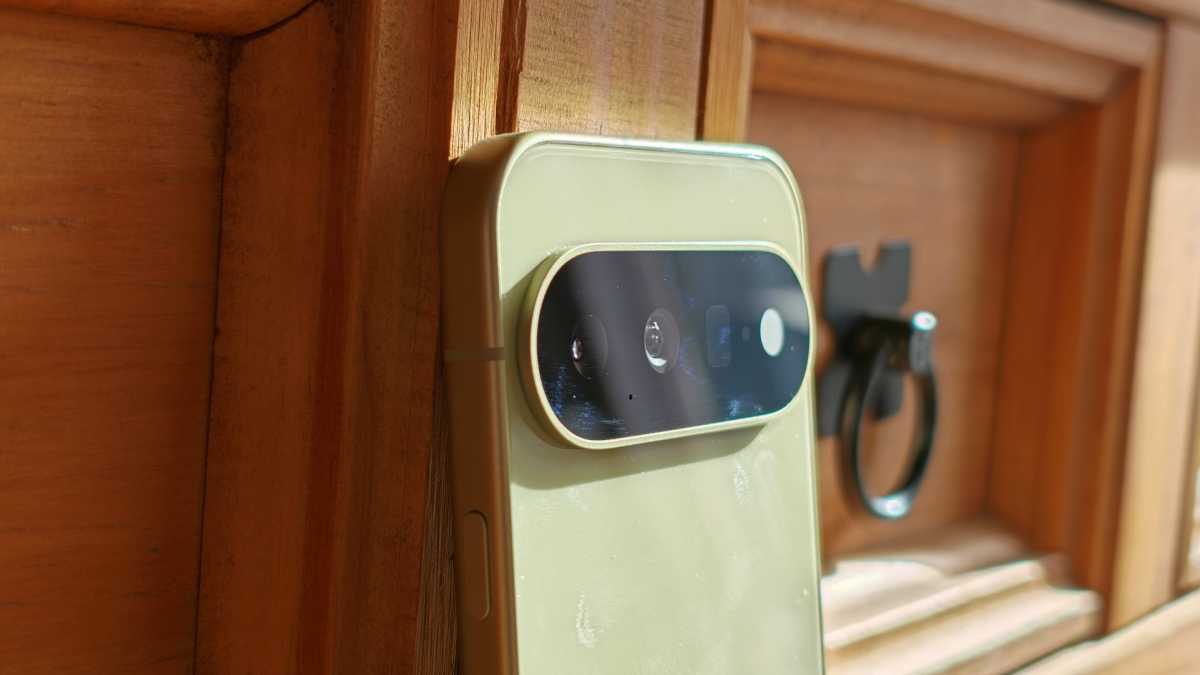
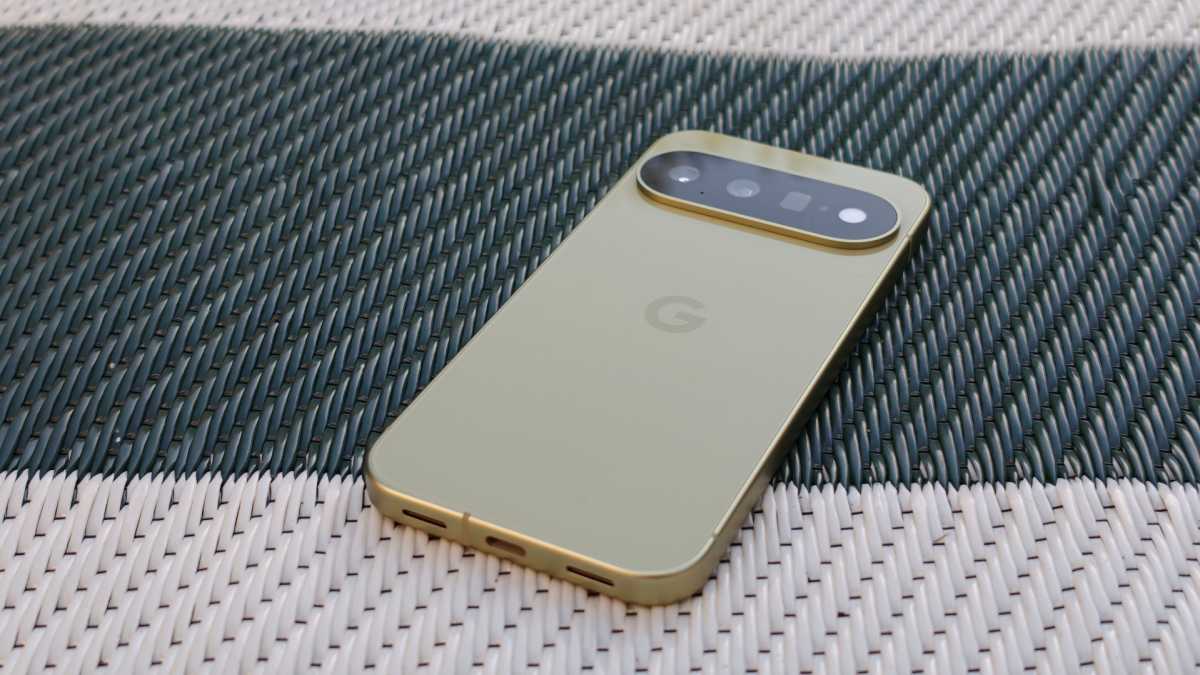
It’s like the Pixel 10 in Lemongrass sort of fell in some mud and the mixture of colours turned it green. It’s another Pixel which shows up as very different hues depending on the time of day and light conditions.
The downside comes if you happen to really love one of the Pixel 11 Pro model colourways. Google gives them a different palette, and even the Obsidian is different this year with a matte finish.
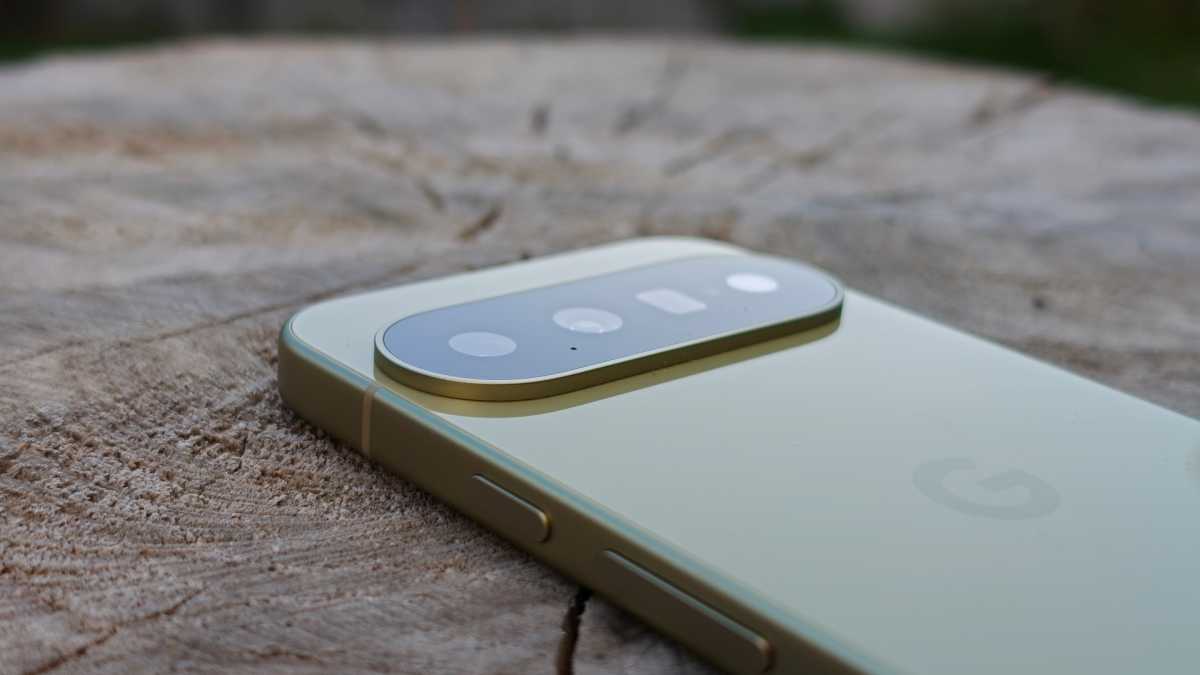
The other part of the design change is the aforementioned camera bar is much thinner than previously. The improvement is welcome and although it’s not flush like the Pixel 10a, I think it would lose some of its flagship character if this were the case.
Chris Martin / Foundry
Otherwise, it’s exactly the same size as the Pixel 10, making it a compact flagship. It’s a tad lighter (7g less) due to the smaller camera bar and it’s slippery like most, so I’d say a case is almost a necessity.
If you need something even lighter, the Samsung Galaxy S26 is a significant 30g lighter than the Pixel 11 and is both thinner and smaller (despite having the same size screen).
I didn’t have one during my testing and felt quite concerned most of the time. Still, the aluminium frame and Gorilla Glass Victus 2 on both sides fared extremely well. As you’d expect, you get IP68 dust and water resistance here.
It’s worth noting before we move on that the Pixel 11 doesn’t get the new HiLight feature, which Google keeps for the Pro models. This is the notification light hidden in the camera flash, but you’re not missing out too much as it’s fairly basic.

Henry Burrell / Foundry
Screen & Speakers
- Status quo
- Good quality compact OLED
- No LPTO and chunkier bezels than rivals
While the Pixel 11 Pro models get a display upgrade, primarily with enhanced brightness, the regular model sticks with the same panel as the Pixel 10.
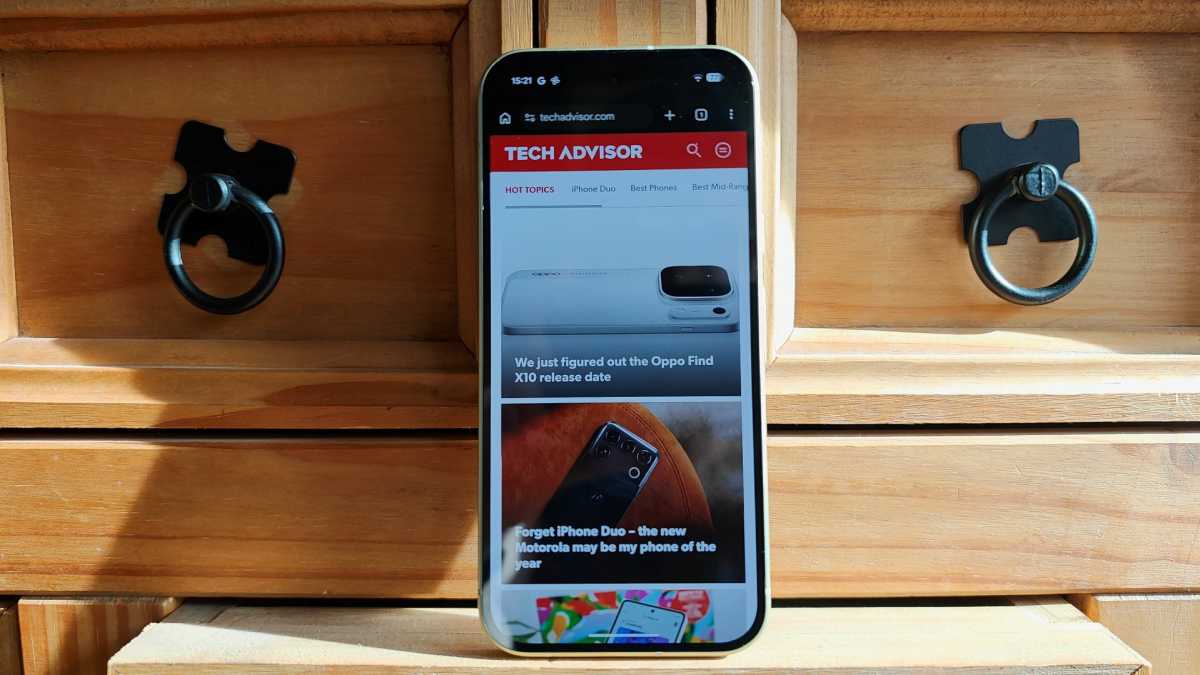
There’s little to complain about, however, as it’s a compact 6.3-inch with an OLED panel reaching a peak of 3000 nits and offers a perfectly decent resolution as well as 120Hz refresh rate.
I measure the screen at an impressive 945 nits in a real-world test with automatic brightness off using a colourimeter.
Chris Martin / Foundry
If we’re going to nitpick, the bezel around the screen here is still a little chunky. Samsung’s Galaxy S26 has a better screen-to-bezel ratio if this is important to you. In my experience, it’s not an eyesore and you forget it’s there after a few days. It would also be nice to get LPTO tech here, allowing the screen to go down to 1Hz, saving power.
As per the Pixel 10, the ultrasonic fingerprint scanner embedded into the screen is very good and the stereo speakers offer good clarity of sound.
Specs & Performance
- New Tensor G6 chip
- Double storage to 256GB and new 512GB capacity
- Similar specs elsewhere
As is customary, the Pixel 11 gets a new processor in the engine room. This is one area where the Pro models don’t get different hardware.
The Tensor G6 is Google’s latest homegrown silicon. While it’s still built on a 3nm process, it actually drops one core (down to 7) in favour of a faster ultra core and overall gain in efficiency.
Nerdy bit over, this means the G6 is built for AI, single-core tasks like web browsing and opening apps. The GPU is marginally faster than the G5, but as usual, Google Pixel phones aren’t designed for high-end gaming performance.
Chris Martin / Foundry
Sure, you can play games – and I didn’t have the Genshin Impact issues we found with the 11 Pro XL – but if this is at the top of your list for a phone, then look to alternatives like Qualcomm Snapdragon-powered devices or even the iPhone if Android isn’t a must.
As mentioned in the intro, the Pixel 11 has some hidden upgrades and the first significant one is a storage bump. That’s quite shocking for 2026 and although it was just the XL model which got it last year, the whole range now starts at 256GB.
It’s about time, to put it lightly, and helps justify the price rise. In fact, the Pixel 11 is cheaper than the 256GB Pixel 10 in the UK (£899/$899). You can opt for 512GB if you need more, which previously wasn’t possible.
Elsewhere on the spec sheet, the Pixel 11 matches its predecessor, so you get features like 5G, NFC, GPS, Bluetooth 6.0, Wi-Fi 6e, Satellite SOS and optional eSIM.
Pixel 11 benchmarks
- Geekbench 6: 7350
- Geekbench 7: 7122
- 3DMark Wild Life Extreme: 3205
- 3DMark Wild Life Extreme: 19.2fps
- 3DMark Wild Life Extreme Stress Test: 66% stability
- PCMark Battery: 16 hours and 37 minutes
- Charge in 15: 18%
- Charge in 30: 38%
Cameras
- Same camera setup and megapixels
- New main sensor
- New AI features
If you’re into your camera specs, then temper your excitement. The Pixel 11 is almost identical to the Pixel 10. All four cameras (last year’s model added a rear telephoto) are the same in terms of megapixels.
The primary shooter on the Pixel 11 does have a few tweaks, including a larger 1/1.56-inch sensor, larger 1.0µm pixels and a marginally wider-angle view. However, these can hardly be classed as significant upgrades (especially when you consider the Pixel 9 had an even larger sensor and pixels).
Technicalities aside, I still think the Pixel 11 remains the best compact flagship for point-and-shoot photography and video. It’s got a variety of cameras now the rear has ultrawide, main and telephoto options.
Chris Martin / Foundry
What Google does so well is just letting the camera app do the hard work for you. Things are simple and easy to navigate so people baffled by aperture don’t need to worry – just select the mode or zoom level you need and snap away.
Of course, there are more advanced settings for more enthusiast-level users to delve into should they wish.
As you can see from my samples, the Pixel 11 does a great job in almost any situation without breaking a sweat. Pleasing results are a breeze to achieve with lots of detail, natural, accurate colour and good dynamic range. Portrait mode, when considered across all the cameras, is very good.
I could nitpick here and there but on the whole rivals around this price don’t do anything significantly better, especially when factoring in the user experience. The main downside here is zooming beyond the 5x of the telephoto lens. Google promises Super Zoom up to 30x and ‘optical quality’ at up to 10x but don’t expect miracles.
It’s also worth noting that you’ll want to stick to the main camera in lower light situations. With that larger sensor and supposedly 56% more light sensitivity than before, it’s significantly better than the ultrawide and telephoto. Bird watching at night isn’t going to get you great results.




























Nowadays, every new Pixel phone has to come with a headline AI feature. Following the likes of Add Me and Camera Coach comes Magic Capture. This allows you to film a video and after you hit stop, it will automatically select the key moments and present you with still photographs (as well as the video).
As always, I was sceptical about this, but it’s worked quite well when I’ve used it. It’s by no means perfect and those stills are never going to be as good as simply taking a photo, but there are plenty of situations where you might otherwise have nothing. The best example is the photo of my daughter with bubbles in the air.
I find it particularly useful when my daughter is doing an activity. I can hit Magic Capture, casually follow what’s going on with the Pixel 11 and let it do the work. This is quite freeing compared to ‘being the photographer’ and being less present in those moments.
Battery Life & Charging
- Similar battery size
- Little improvement in real-world battery life
- Same 30W wired charging but fast wireless charging with magnets
The battery has only changed marginally on the Pixel 11. At 4985mAh it’s nothing to write home about in the wider smartphone market.
Battery life is fine and the phone is able to get through a day of usage comfortably unless it’s a particularly heavy one. There’s no significant jump from the Pixel 10 in my real-world testing here.
It did show an improvement in our PCMark benchmark test where it lasted 16 hours and 37 minutes. That’s up from 14 hours and 55 minutes on the Pixel 11, likely due to the more efficient Tensor G6 chip. However, this is still not a 2-day phone based on my real-world usage, if that’s what you’re looking for.
The Pixel 11 is a mixed bag when it comes to charging. For wired, it’s only 30W, which is barely any faster than the Pixel 8 and a long way behind countless rivals and plenty of mid-range phones, too.
Chris Martin / Foundry
In my testing, the phone could get from dead to just 18% in 15-minutes and 38% in 30-minutes. It’s a long way off what you want from this expensive.
However, on the wireless charging front it redeems itself a lot. After Google introduced it on the Pixel 10, it’s somehow still one of the only Android phones with magnetic wireless charging, or MagSafe if you want to use Apple’s name for it.
Google calls it Pixelsnap and hasn’t introduced anything new to its own-brand accessory range apart from new colours, but it’s compatible with a myriad of MagSafe accessories, which is great news. It’s also been upgraded to Qi2.2 so jumps from 15W on the Pixel 10 to 25W. This was previously exclusive the XL model.
Software, Apps & AI
- Android 17
- Full Gemini Intelligence limited to the USA
- Long software support
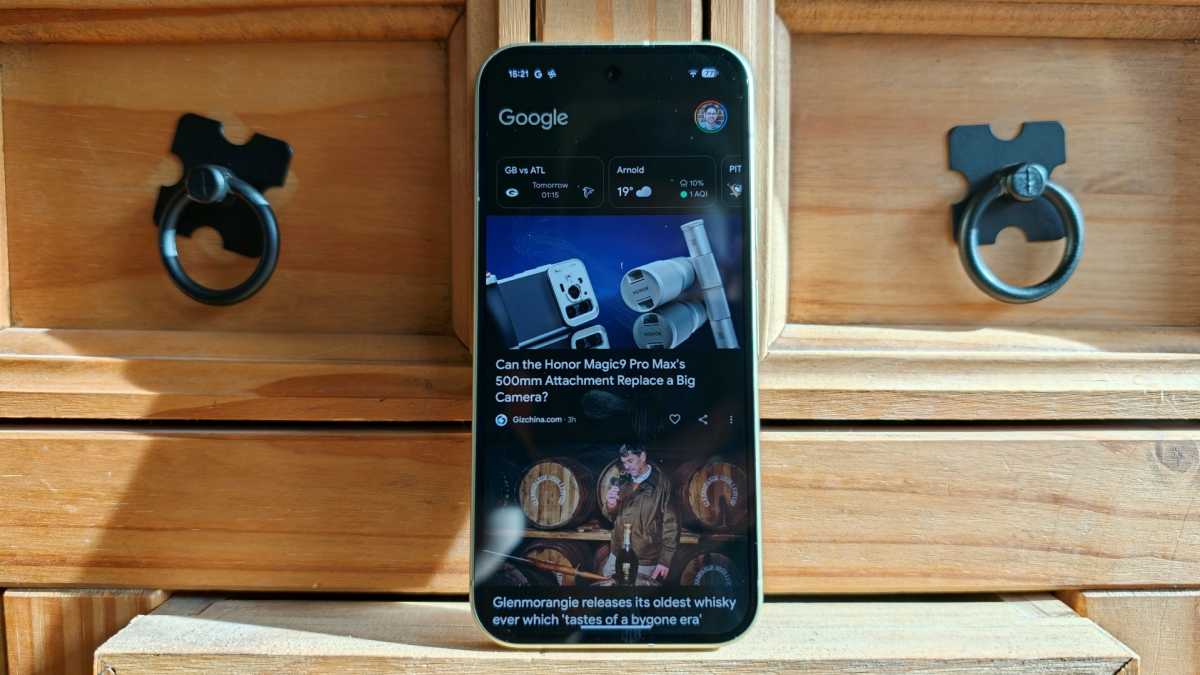
As you’d expect from the Pixel 11, you get the latest version of Android. That’s Android 17 and other brands, even Samsung, are only just starting to roll it out to devices.
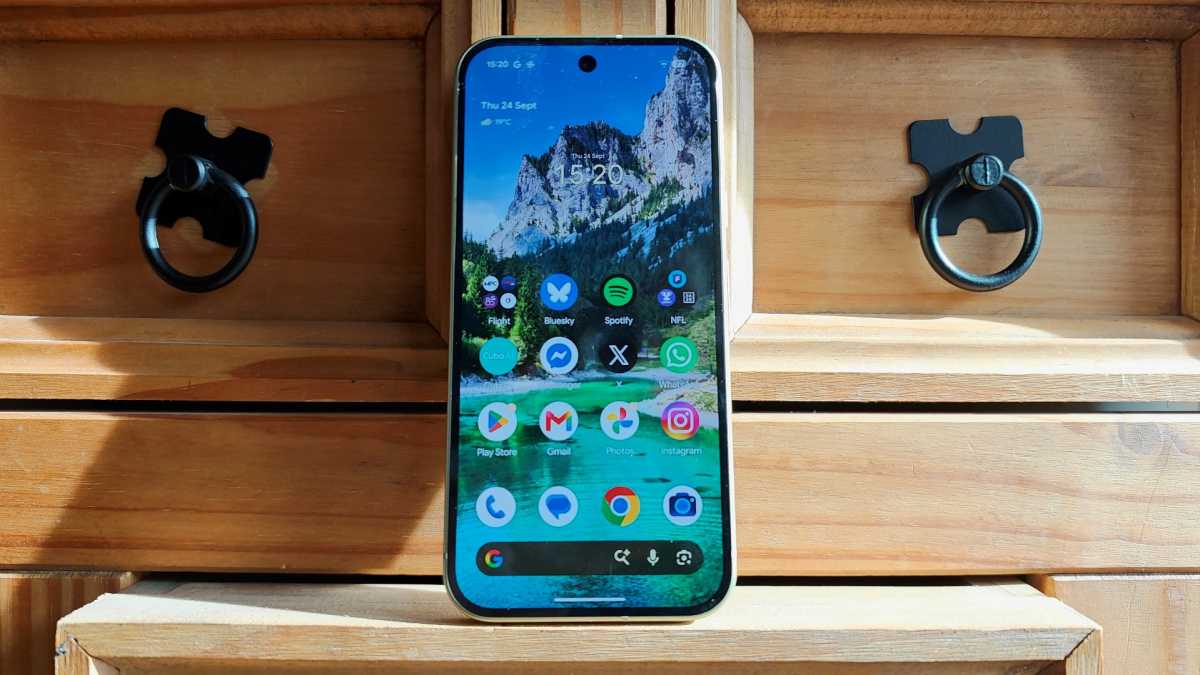
This is one of the key reasons to buy a Pixel, as you’re literally at the front of the queue for the latest versions and things like regular Pixel Drops for new and exclusive features.
Chris Martin / Foundry
That doesn’t mean Google’s Android interface is for everyone. Samsung’s One UI and Oppo’s ColorOS and others all have their selling points depending on what your preference is.
While others can often be cluttered and confusing, the Pixel interface is clean and very user-friendly. I’d still say it’s the most intuitive of the lot and part of the reason I’m regularly recommending Pixels to people who ask me for advice.
Although the Pixel 11 comes with Android 17, there are some caveats to point out.
Gemini Intelligence is the headline feature, but while the AI assistant is now system-wide, these new core features are limited to the US for now. The phone also doesn’t have much to set itself apart from older Pixels.
In fact, Google has even recently rolled out a version of Android 17 to older devices and not the Pixel 11. It’s quite an odd situation and a good reminder that you don’t need the latest model to get a great experience, especially when you factor the class-leading seven years of promised software support.
Chris Martin / Foundry
One new feature you can make use of is Rambler. This new dictation mode in the keyboard is excellent and can automatically remove you umming and erring as you speak.
Price & Availability
As mentioned, the Pixel 11 comes with a price rise compared to its predecessor. That’s the story of 2026 in tech, but for a change, you get more for your money.
Google has doubled the storage to 256GB and you can now opt for 512GB if you want even more. At £879 in the UK, this means it’s actually cheaper than the Pixel 10 with the same capacity and the same $899 asking price in the US.
Furthermore, despite only being on sale for a matter of weeks, the Pixel 11 is already easy to find with significant discounts. At the time of writing, for example, Amazon has it as low as £749 (that’s £130 or 15% off).
Should you buy the Google Pixel 11?
This question is harder than ever to answer, though it’s fairly easy if you have a Pixel 10 in your pocket – no.
As you’ll have become aware of, tech in 2026 is not much different from last year yet more expensive due to the pressures of the component market. This means if you have a phone that’s two or three years old, you’re faced with a dilemma.
If you’re phone isn’t broken or unsupported with the latest security, you could hang on – though prices could be even worse next year. If you can afford it then the Pixel 11 is another solid all-rounder flagship from Google and will serve you well.
You can already get it lower than the RRP, somewhat negating that price hike and you now get things like double the storage and faster wireless charging. It is worth checking the price compared to the Pixel 10, however, in case a deal makes that model a bargain.
You could also drop down to a Pixel 10a or even a 9a if you don’t need the more advanced flagship features.

Specs
- Android 17 with seven years of updates
- 6.3-inch FHD+ 120Hz OLED
- Ultrasonic in-display fingerprint scanner
- Face Unlock
- Google Tensor G6 chipset
- Titan M3 security coprocessor
- 12GB RAM
- 256/512GB non-expandable storage
- 48Mp f/1.7 main camera
- 13Mp f/2.2 ultrawide camera
- 10.8Mp f/3.1 5x telephoto camera
- 10.5Mp f/2.2 front camera
- Dual stereo speakers
- USB-C
- 5G
- NanoSIM + eSIM
- Wi-Fi 6E
- Bluetooth 6.0
- 4985mAh battery
- 30W wired charging
- 25W Qi2.2 wireless charging
- Reverse wireless charging
- IP68
- Gorilla Glass Victus 2 (front and back)
- 152.8 x 72 x 8.6mm
- 197g