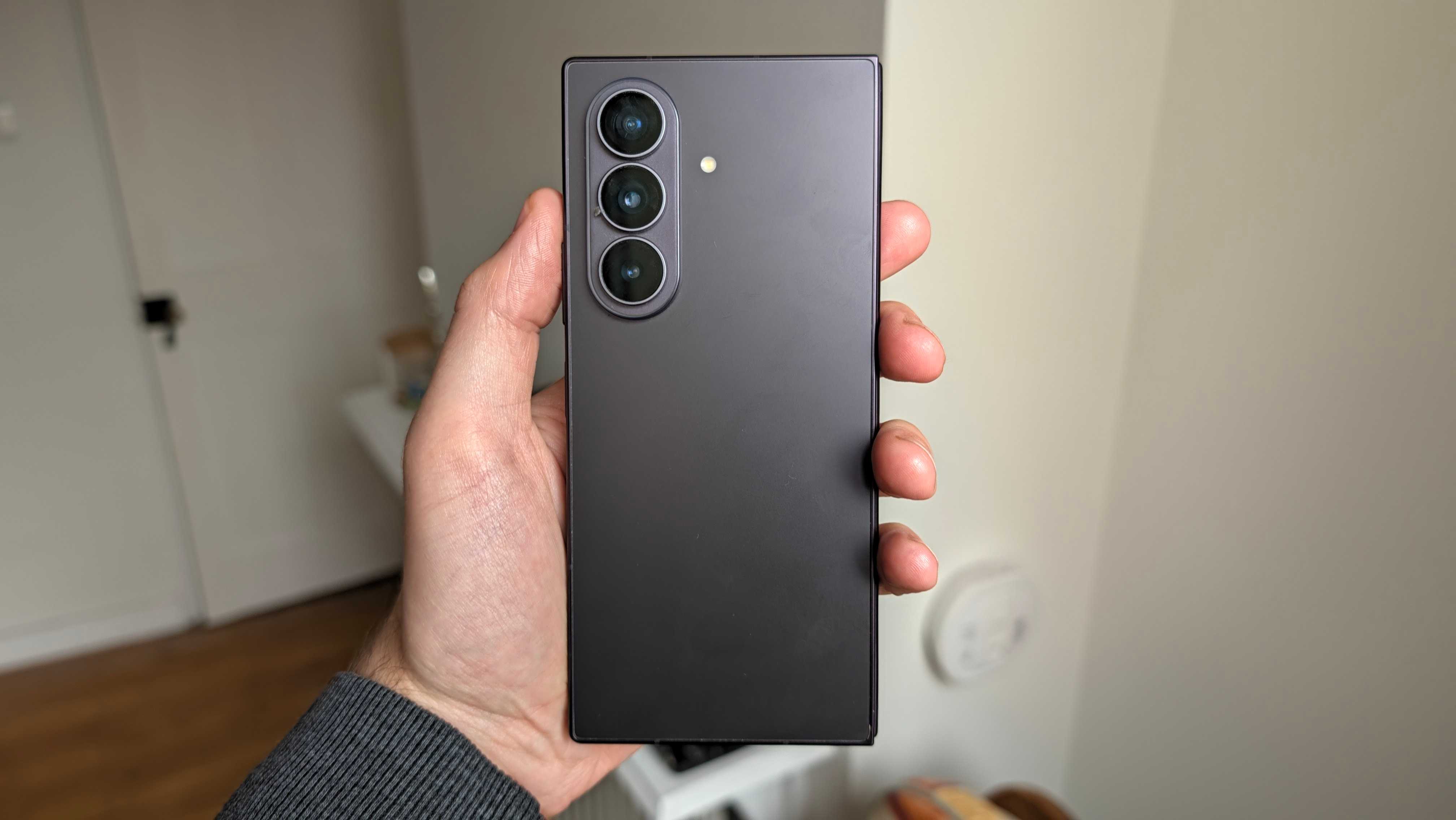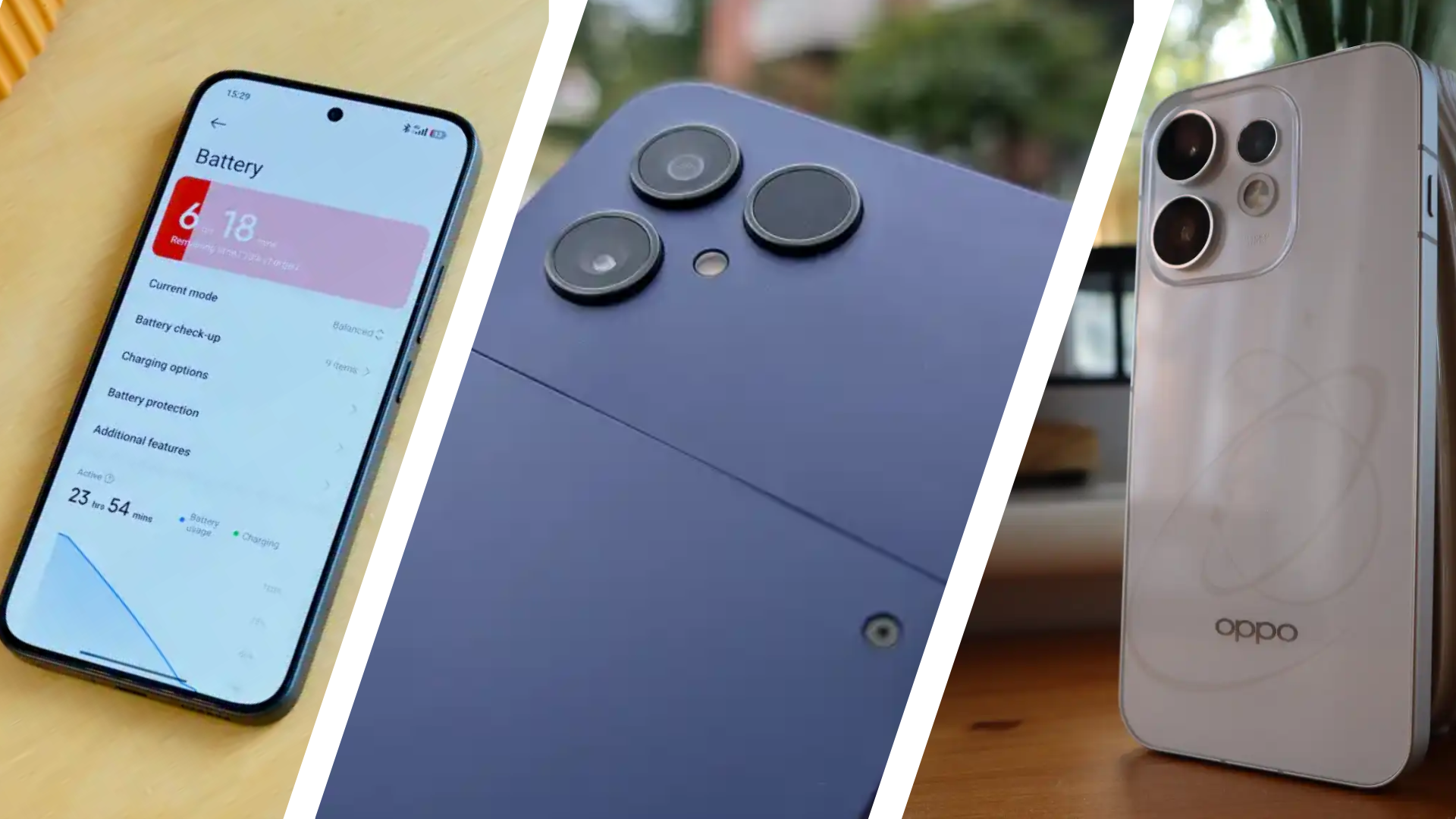
These are the best 10 mid-range phones to buy in 2026
Even though much of the smartphone conversation is dominated by what’s happening at the higher end, whether it be about a long-awaited foldable iPhone or Samsung’s security-driven Privacy Display, as far as we’re concerned, the real point of interest for most consumers lies in the mid-range sector of the market.
As more people look to maximise their budget, particularly as a lot of the latest flagship phones are now more expensive than their predecessors (Samsung and Google, we’re looking at you), picking up a mid-range phone has never made more sense. After all, brands have continued to raise the bar over what you can expect, with powerful chipsets, massive batteries and more, and thanks to the hard work of our tech experts, you can find out which mid-range phones are worth buying.
Just like with any other handset, whether it be a premium pick that might end up in our overall guide to the best smartphones, or a more affordable contender for the best budget smartphones, one of our experts will use a new mid-range phone for at least a week as their main device, all while documenting the experience.
That real-world use is then combined with benchmarking results from the likes of Geekbench and PCMark to give you a complete understanding of what each phone is like to use and how it compares to the other options on the market. Only the picks that have truly impressed our team are chosen for this list, so you can rest assured that you’ll be getting a great phone no matter what.
As a side note, the criteria for this guide apply specifically to phones priced between £300/$300 and £700/$700. With that in mind, keep on reading to see which mid-range phones we currently recommend.
Best early Prime Day mid-range phone deals
Amazon’s second big Prime Day sale of the year takes place 6-7 October, but there are loads of early deals already. We’ve shopped for the best mid-range phone offers below and you can see our full Prime Day coverage here.
UK
- Samsung Galaxy S25 FE – £399 (39% off)*
- Samsung Galaxy S25 – £499 (38% off)*
- Xiaomi Poco F9 Pro – £579 (28% off)*
- Google Pixel 10a – £399 (20% off)
- Xiaomi Redmi Note 17 Pro – £329 (23% off)*
US
- TCL Nxtpaper 70 Pro – $309.99 (18% off)
*Lowest price ever seen
Best mid-range phone reviews
1. Samsung Galaxy S25 FE – Best Overall
Pros
- Flagship design and build
- Strong main and selfie cameras
- Impressive battery life
- One UI is slick and intuitive
- Seven years of updates
Cons
- Supporting cameras could be better
- Charging still only 45W
- Qi2 wireless charging needs a case
Price When Reviewed:
From £649


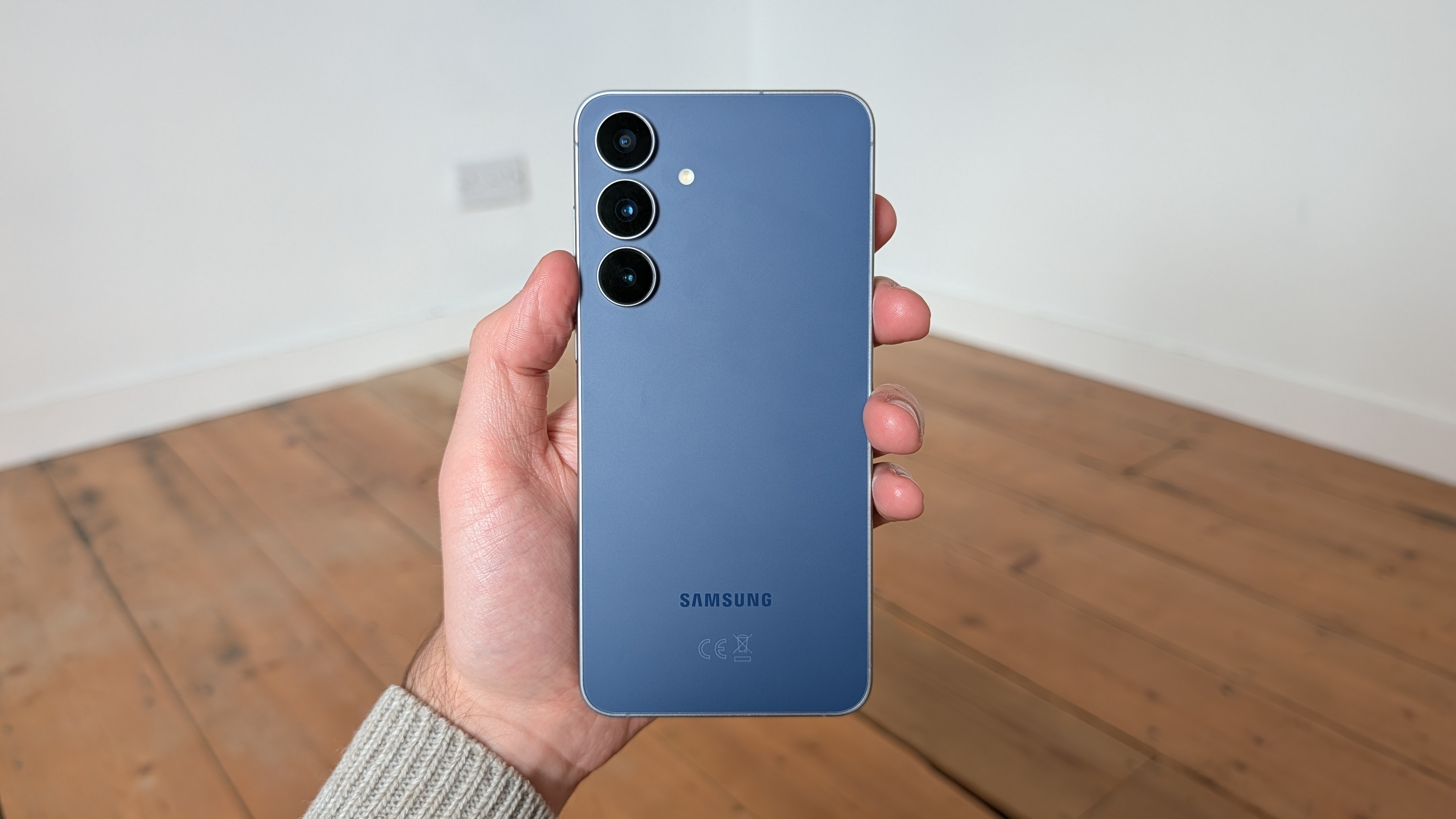
After years of underwhelming Fan Edition phones, Samsung has nailed it with the S25 FE. Essentially, it took nearly everything that made the flagship Galaxy S25+ so good and dropped the price into mid-range territory.
There are some compromises, most notably in the supporting cameras, but the main and selfie lenses are good enough that you can ignore them. The excellent build quality, gorgeous 6.7-inch display and top-class Snapdragon 8 Elite performance speak for themselves, while the 5000mAh battery won’t let you down.
Samsung also continues to excel on the software side, with One UI 8 its best effort yet. Alongside seven years of software from the time of launch, it’s a key reason to buy the phone over rivals.
It’s a shame then that the phone’s follow-up, the Samsung Galaxy S26 FE, hasn’t capitalised on that momentum in a tangible way. The phone is a very minor upgrade on its predecessor, and it also comes with a higher starting price, which is exactly why we’re still recommending the S25 FE as our go-to mid-range phone for the time being.
Who should buy the Samsung Galaxy S25 FE?
Anyone who wants the absolute best mid-range phone and doesn’t mind paying close to the limit.
Samsung Galaxy S25 FE : Further considerations
The newer Galaxy S26 FE might be preferable for long-term support, but it’s not a better value phone.
Read our full
Samsung Galaxy S25 FE review
2. Google Pixel 9a – Best Software
Pros
- Attractive display
- Strong main and selfie cameras
- Excellent software
- Seven years of updates
Cons
- No telephoto camera
- Slow charging
- Polarising design
Price When Reviewed:
From £499

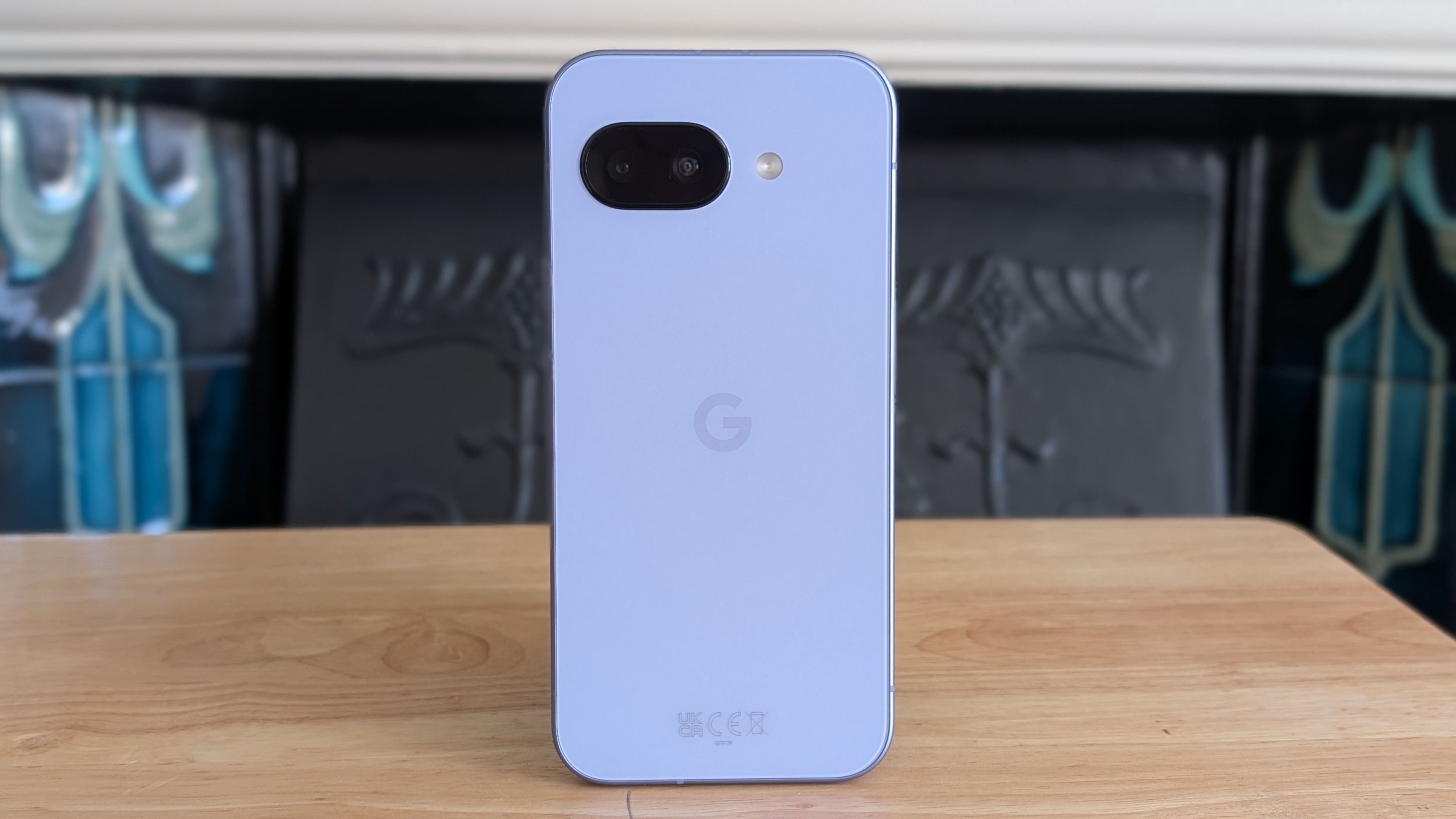
The Pixel 9a isn’t perfect, but it is very easy to recommend, even with the arrival of the Pixel 10a – it’s nearly identical and can now be found much cheaper. If you want a no-frills mid-range phone experience that will serve you well for many years, this is it.
That’s not to say it doesn’t have any standout features, though. The 6.3-inch P-OLED display is excellent, especially with that silky-smooth 120Hz refresh. Opting for the same Tensor G4 chipset as the flagship Pixel 9 phones means performance is excellent too.
And in the 48Mp main lens, you’ve got a superb camera for point-and-shoot photography. The 13Mp selfie sensor is impressive too, while the 13Mp ultrawide can hold its own. It’s just a shame there’s no telephoto lens for proper zoom photography.
But the Pixel 9a is arguably even more impressive on the software side. Slick Android 15 software is backed by a class-leading seven years of updates and useful AI features, even if you don’t get the full set here. Pixel phones are also first in line to get Android 16 and future major versions when they arrive.
While battery life is decent, slow 23W wired charging is probably the biggest disappointment, while the nondescript design won’t be for everyone. But if you just want a solid mid-range phone that handles almost all the fundamentals well, the Pixel 9a is the handset for you.
Who should buy the Google Pixel 9a?
Anyone looking for a no-fuss mid-range phone that gets all the basics right, or anyone who doesn’t want to compromise on photos from the main camera.
Google Pixel 9a: Further considerations
Look elsewhere if you care about zoom photography or fast charging.
Read our full
Google Pixel 9a review
3. Nothing Phone (4a) – Best Value
Pros
- Iconic Nothing design
- Great display
- Ad-free Nothing OS user experience
- Excellent cameras for the price
Cons
- A little chunky
- Minimal performance gains
- Software support could be longer
- Loses Glyph Fill Light in camera
Price When Reviewed:
From £349



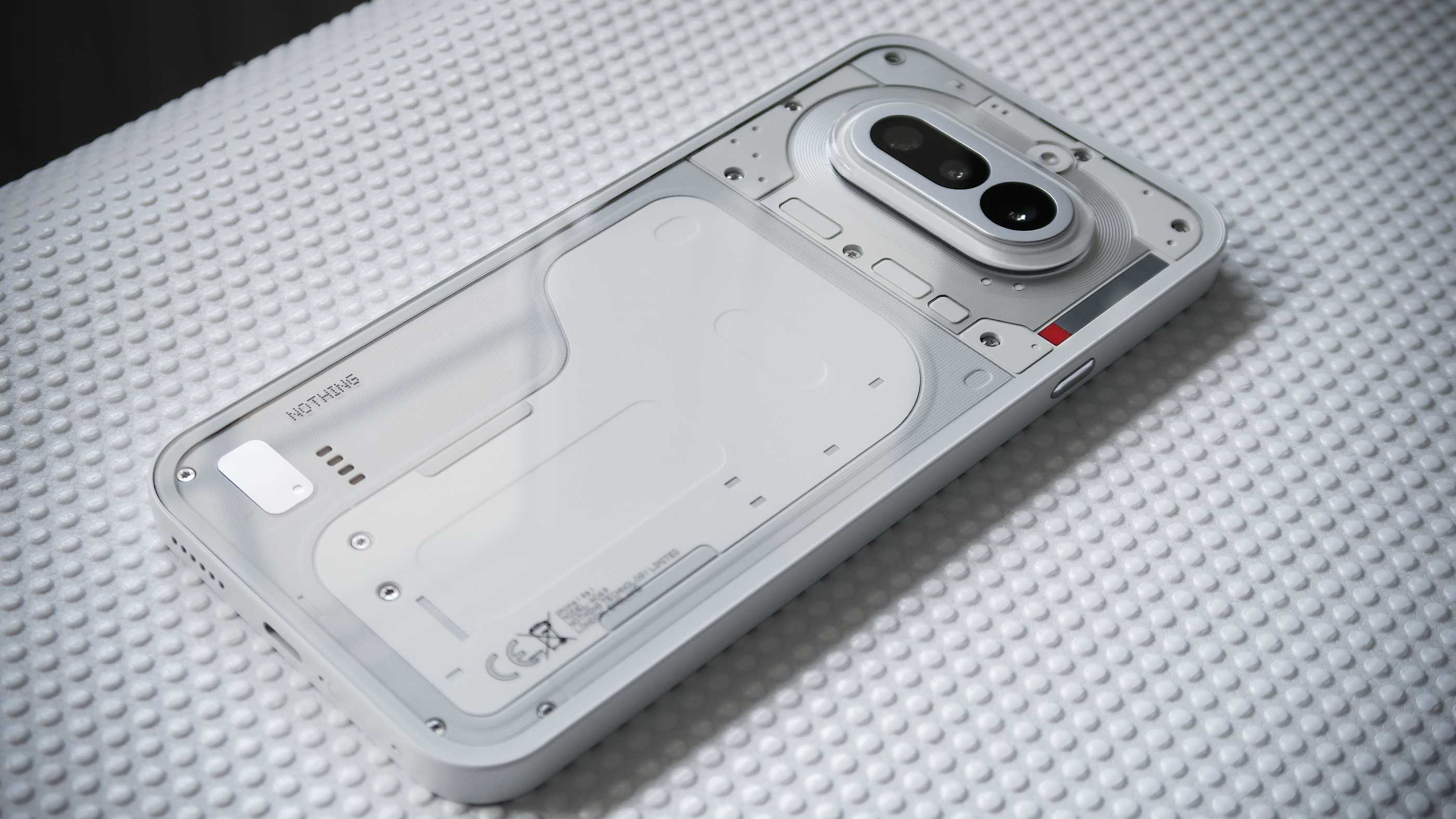
Easily one of the most exciting brands currently operating in this space, Nothing continues to push the boundaries of what we can expect from mid-range devices with the Nothing Phone (4a). Unlike a lot of cheaper phones, the (4a) is immediately striking, and although it isn’t a major overhaul from the equally brilliant Nothing Phone (3a), there’s still a lot to like.
On the back, Nothing has revised its usual look to be a bit more streamlined than before. Instead of the mechanical styling of its predecessor, the Phone (4a) looks almost space-age, and the Glyph Lights system has been condensed into a Glyph Bar comprised of seven blocks. The blocks will flash to indicate various notifications and the single red block at the bottom can be a useful indicator to let people know when you’re recording video.
The display is now much easier on the eyes as it’s a larger 6.83-inch panel, peaking at 4500 nits of brightness and offering a resolution of 1.5K. It’s a joy to look at, and it’s only made better by how striking the composition of Nothing OS continues to be. Nothing’s software is right up there with the likes of Apple, Google and OnePlus in terms of offering an uncluttered experience that’s dripping with sophistication.
The upgraded main camera does a great job of capturing colour in a way that doesn’t feel saturated, although it would be nice if the phone offered greater control when it comes to managing bokeh intensity in photos. We would have liked to see more of a performance leap as the Snapdragon 7s Gen 4 doesn’t go far enough, but given all you get elsewhere with this device, the Nothing Phone (4a) presents a very compelling package.
If you love Nothing’s design language but you want a bit more power to go with it then the Nothing Phone (4a) Pro is a great alternative to consider. Because of its higher price tag of £499/$499, we don’t think that the value proposition is quite as solid as the standard Phone (4a), but it’s still a great phone nonetheless.
Who should buy the Nothing Phone (4a)?
Anyone who thinks that modern phones look too homogeneous.
Nothing Phone (4a): Further considerations?
The device is beaten by Samsung, Apple and Google for long-term software support. You can also get better performance from the Nothing Phone (4a) Pro.
Read our full
Nothing Phone (4a) review
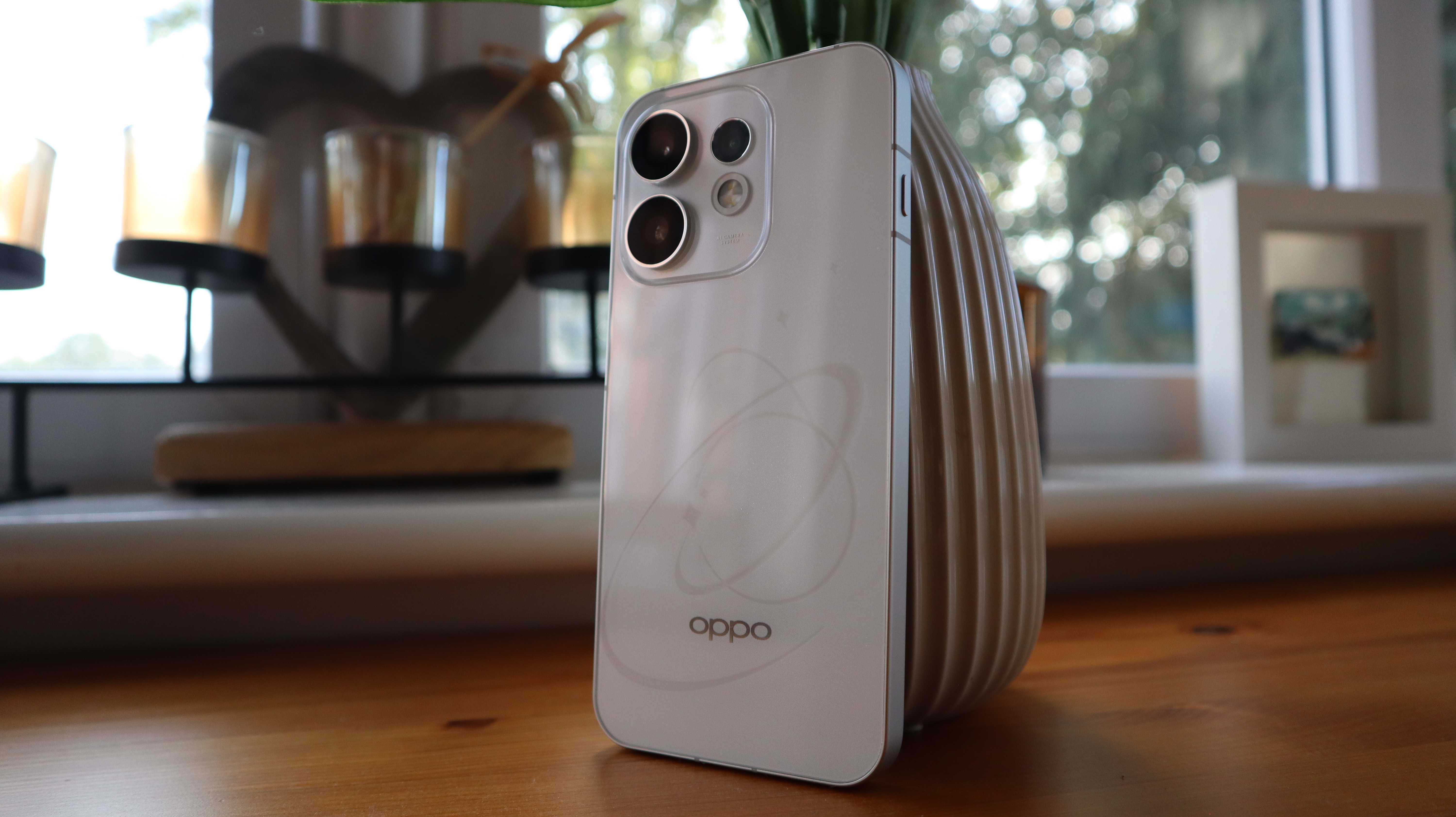
4. Oppo Reno 16 – Best for Zoom Photography
Pros
- Compact and durable
- Solid cameras
- Bright AMOLED screen
- Some great software features
Cons
- Pre-installed bloatware
- Mind Space needs work
- No wireless charging
Price When Reviewed:
£699
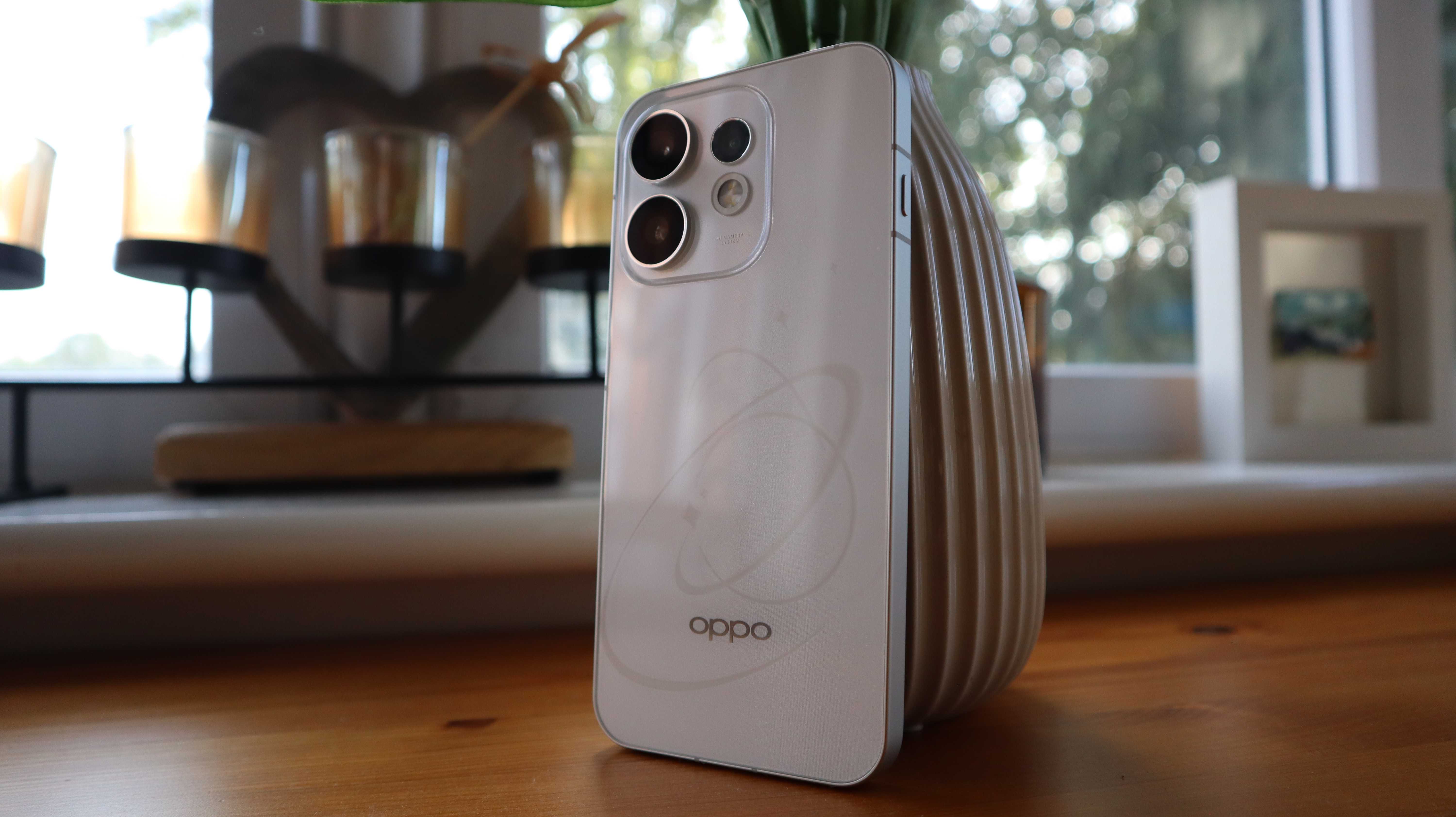
There are plenty of mid-range phones that go all in on a specific feature, but if you want an almost iPhone-like all-rounder that ticks off plenty of boxes across the board, then the Oppo Reno 16 is well worth considering. In fact, with a compact chassis and rounded edges, the Reno 16 does feel like an iPhone in hand, but the best way of framing this phone is that it’s an ideal, cheaper alternative to something like the Samsung Galaxy S26.
With a 6.3-inch display, the S26 leads the charge for being one of the few remaining compact flagship phones in the Android space, but with a similar 6.32-inch panel, the Reno 16 can also be used one-handed and easily fit into a pocket. That screen gets bright too at 3600 nits, and with a 1.5K resolution plus solid stereo speakers to boot, the whole thing is a great little device for catching up on entertainment when the mood strikes.
It also helps that Oppo’s operating system, ColorOS, isn’t far removed from Samsung’s One UI in terms of quality. There is a bit more bloatware to contend with ,which is a shame, but ColorOS offers up a ton of customisation so you can tweak your homepage to look exactly how you like it. We even had several apps display in rectangular boxes, almost like looking at book binders on a shelf.
Where the Reno 16 did surprise us is with its photography chops. All pictures we took with the phone had a very natural colour representation, and even when going beyond the 3.5x telephoto and into digital zoom, the camera held up with taking good-looking pictures from afar. We only wish that the Reno 16 had a chipset that fell more in line with its higher pricing, as the Snapdragon 7 Gen 4 can be found on much cheaper mid-range phones.
Who should buy the Oppo Reno 16?
Buyers after a great all-round experience from their smartphone.
Oppo Reno 16: Further considerations
You can find better-performing phones for less.
Read our full
Oppo Reno 16 review
5. Xiaomi Redmi Note 17 Pro Max – Best Battery Life
Pros
- Frankly ridiculous battery life
- Tough build quality
- Speedy 100W charging
- Good value for high storage
Cons
- Annoyingly busy software
- Middling performance
- Poorly calibrated display
Price When Reviewed:
£499
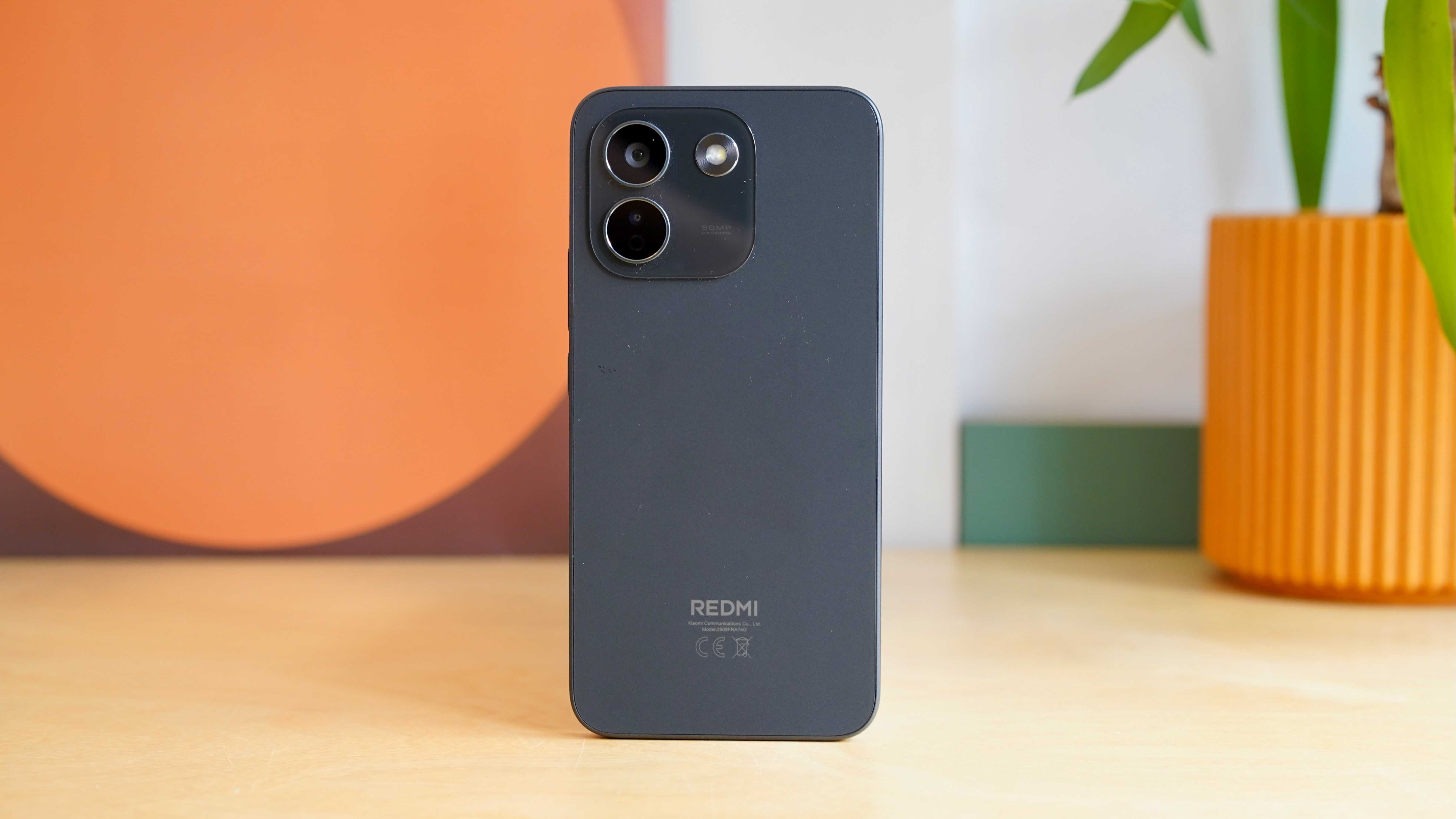
If you’re a heavy smartphone user who wants an upgrade that’ll save you from having to constantly check the amount of battery life left in the tank, then the Xiaomi Redmi Note 17 Pro Max is easily one of the best mid-range phones you can buy. Absolutely decimating flagship phones, let alone its fellow mid-rangers, the Note 17 Pro Max has a massive 9210mAh cell.
For context, even something like the Samsung Galaxy S26 Ultra, which is amongst the cream of the crop right now when discussing high-end Android phones, only has a 5,000mAh battery. With such a large capacity in tow, however, this Redmi phone can run for several days at a time. This is one of those rare phones where, if you head off for a weekend away and forget to bring a charger, you can easily get the phone to last until you return.
Even when you’re getting a close to a dead battery, the fact that you’ve got 100W charging to make use of here means that you won’t be left waiting around for it to fully top up. In our test, a full charge only took an hour and 15 minutes, although you can claim back 46% in just half an hour which, with a bit of monitoring, can be enough to get you through the day.
In a lot of ways, the battery capacity also makes the 17 Pro Max an excellent phone for entertainment, particularly as there’s a microSD card slot to help expand your storage, which is an ever-growing rarity in the mid-range space. As with any Xiaomi phone, it’s the presence of HyperOS that holds this Redmi device back from true greatness, as you’ll have to deal with a fair amount of bloatware, and the Snapdragon 6 Gen 5 chip is a bit disappointing. You’ll find better overall performance from Google and Samsung’s devices, but none of them can match the Redmi Note 17 Pro Max on battery life.
Who should buy the Xiaomi Redmi Note 17 Pro Max?
Heavy battery users who need a phone that can really go the distance.
Xiaomi Redmi Note 17 Pro Max: Further considerations
The device isn’t the best for everyday performance, lagging behind phones from Google and Samsung.
Read our full
Xiaomi Redmi Note 17 Pro Max review
6. Fairphone Gen 6 Plus – Best for Repairability & Sustainability
Pros
- A sturdy mid-range mobile phone
- Repairable with plenty of spare parts
- Long warranty
- Stylish OLED screen
Cons
- Not top-of-the-range performance
- Boxy design
- Average battery life
Price When Reviewed:
£569
Best Prices Today:
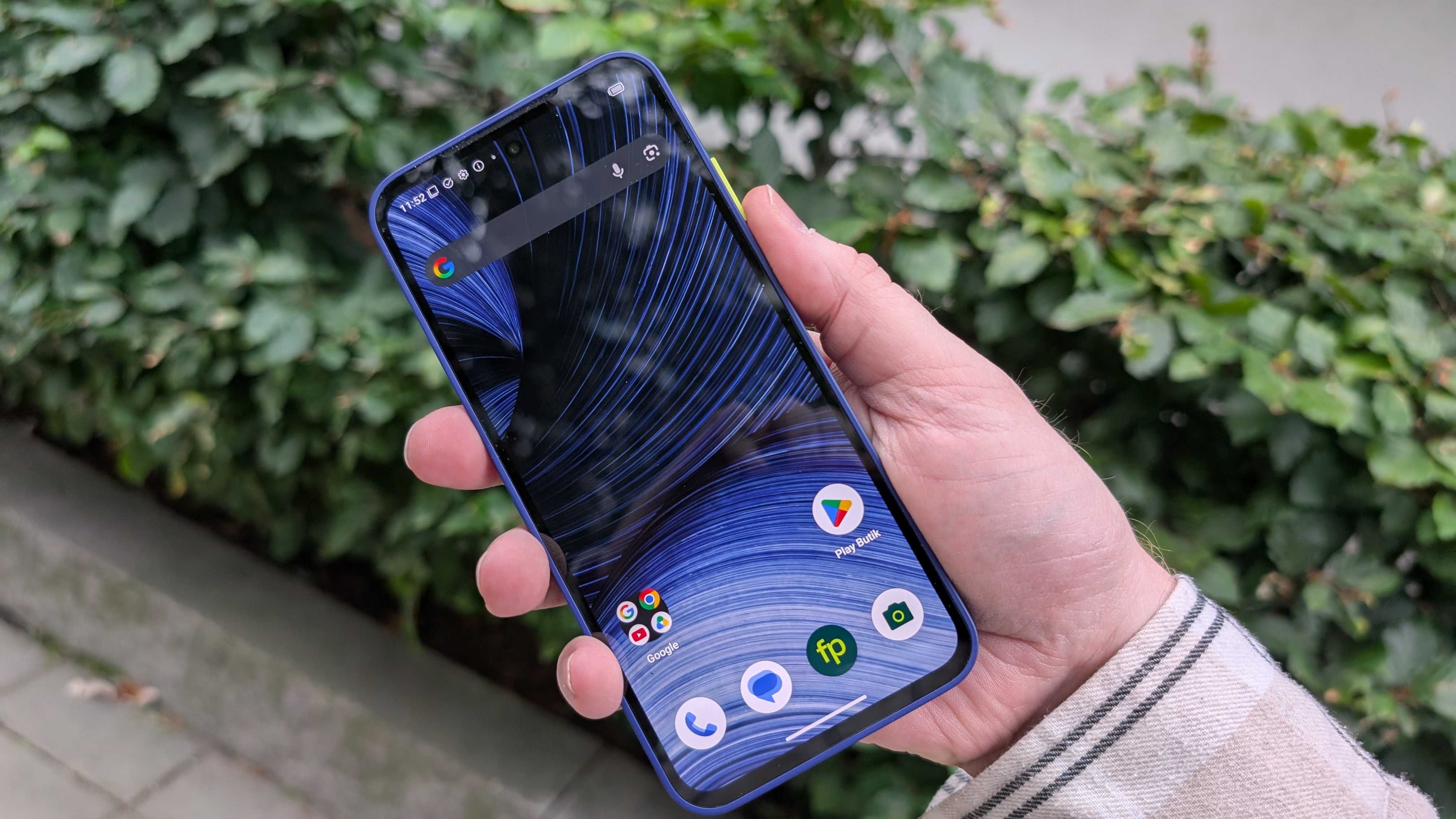
Fairphone has already made a name for itself in showing up other companies where sustainability is concerned, and that reputation only continues with the Fairphone Gen 6 Plus. Although it’s not a major reinvention over the Fairphone Gen 6, this ‘plus’ model still shows the industry how you can put together a great phone that doesn’t drop the ball when it comes to giving consumers proper long-term value for money.
Unlike a lot of mid-range phones (or even any smartphone to be precise), you can take apart the Gen 6 Plus and replace the components with very little effort. If the display is cracked and you need a new panel, you can order one from Fairphone’s storefront and replace it yourself in next to no time. It’s just so refreshing compared to the hoops that a lot of companies make you jump through any time you want to get something repaired, and the fact that you’re getting a five-year warranty plus software support until 2033 is exceptional value.
On top of the repairability, the Fairphone’s design means that you can also swap in accessories when the mood strikes you. For instance, you can remove the default backing and add a lanyard or a card holder if you please. In terms of upgrades over the previous-gen phone, the big change here is the newer Snapdragon 7s Gen 4 chipset and its pairing with 12GB RAM. The higher RAM count is surprising given its ever-increasing cost these days, but it’s a welcome change, even if overall performance isn’t exactly head-to-head with the best of the mid-range market.
If you’re sick of being constantly distracted by your phone, then you may also enjoy the Fairphone Moments mode, which can be toggled by the dedicated yellow slider on the right-hand side. This boots up a pared-back UI that gives you access to just a small collection of pre-selected apps, keeping you away from doomscrolling and locked in with any tasks at hand. Even though it’s not a major reinvention over its predecessor, the Fairphone Gen 6 Plus is still a great mid-range option worth considering.
Who should buy the Fairphone Gen 6 Plus?
Anyone who prioritises sustainability and repairability above all.
Fairphone Gen 6 Plus: Further considerations
You can get better specs and performance elsewhere for a similar price.
Read our full
Fairphone 6 Plus review
7. Honor 600 – Best Display
Pros
- Excellent 200Mp main camera
- Strong two-day battery life
- Bright, punchy display
- Stylish design
Cons
- No wireless charging
- Pre-installed bloatware
- Basic ultrawide camera
Price When Reviewed:
£549.99

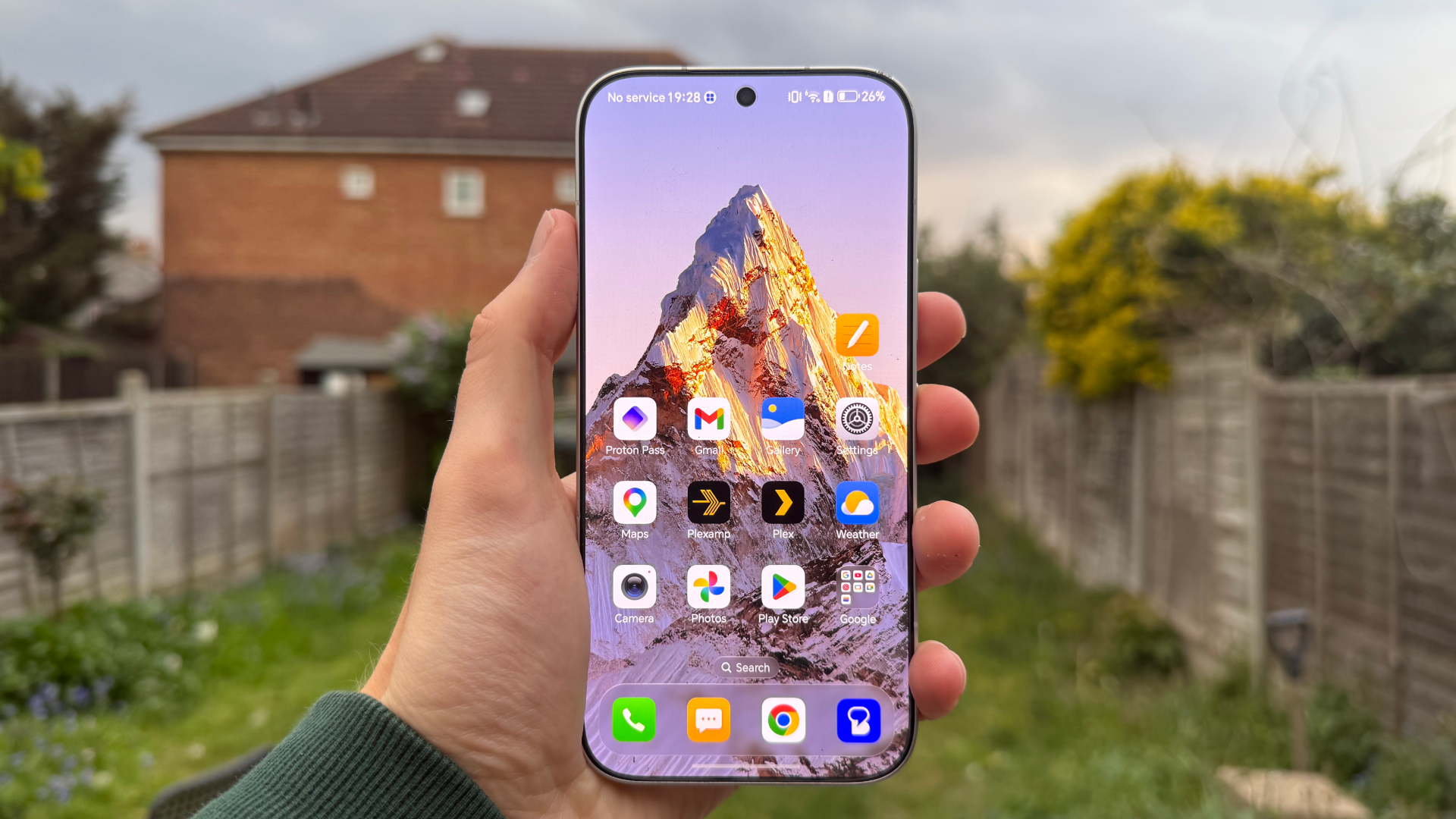
Last year’s Honor 400 was a terrific handset, and one of the best you could buy around the £400 mark if you prioritised having a great screen and a competent set of cameras to boot. For its follow-up, however, the brand has gone in a slightly different route for the Honor 600 with a much higher price tag, but for all that you get in return, the uptick is easily worth it.
The most obvious change is in the design, which takes more than a few cues from the iPhone 17 Pro, and although it might seem derivative, there’s no denying that it feels great in the hand and looks very much like a flagship phone. Working even more in the phone’s favour is the dazzling 6.57-inch display which can reach a peak of 8000 nits.
For context, that’s even brighter than what the eye-wateringly expensive Galaxy S26 Ultra and Oppo Find X9 Ultra can achieve, and it means you’ll never find yourself squinting when trying to line up a shot in broad daylight. Speaking of which, there’s now a 200Mp main sensor on the back that can capture some of the most stunning photos possible from a mid-range device.
The battery has also been given a boost, jumping up to 6,400mAh, although there still isn’t any wireless charging to speak of, which was less of an issue with the Honor 400 but more glaring now that the 600 is pricier than the Pixel 10a which does pack the feature. There’s the usual MagicOS bloatware that comes with any Honor phone, but it’s not enough to derail the tremendous value here.
Who should buy the Honor 600?
Anyone looking for the brightest display on a mid-range phone.
Honor 600: Further considerations
The lack of wireless charging gives the Pixel 9a or 10a a clear advantage.
Read our full
Honor 600 review
8. Xiaomi Poco X8 Pro Max – Best Performance
Pros
- Excellent value
- Great performance
- Lovely display and speakers
- Massive battery and speedy charging
Cons
- Mediocre ultrawide camera
- Not the longest software support
- Bloatware
Price When Reviewed:
From £469
Best Prices Today:
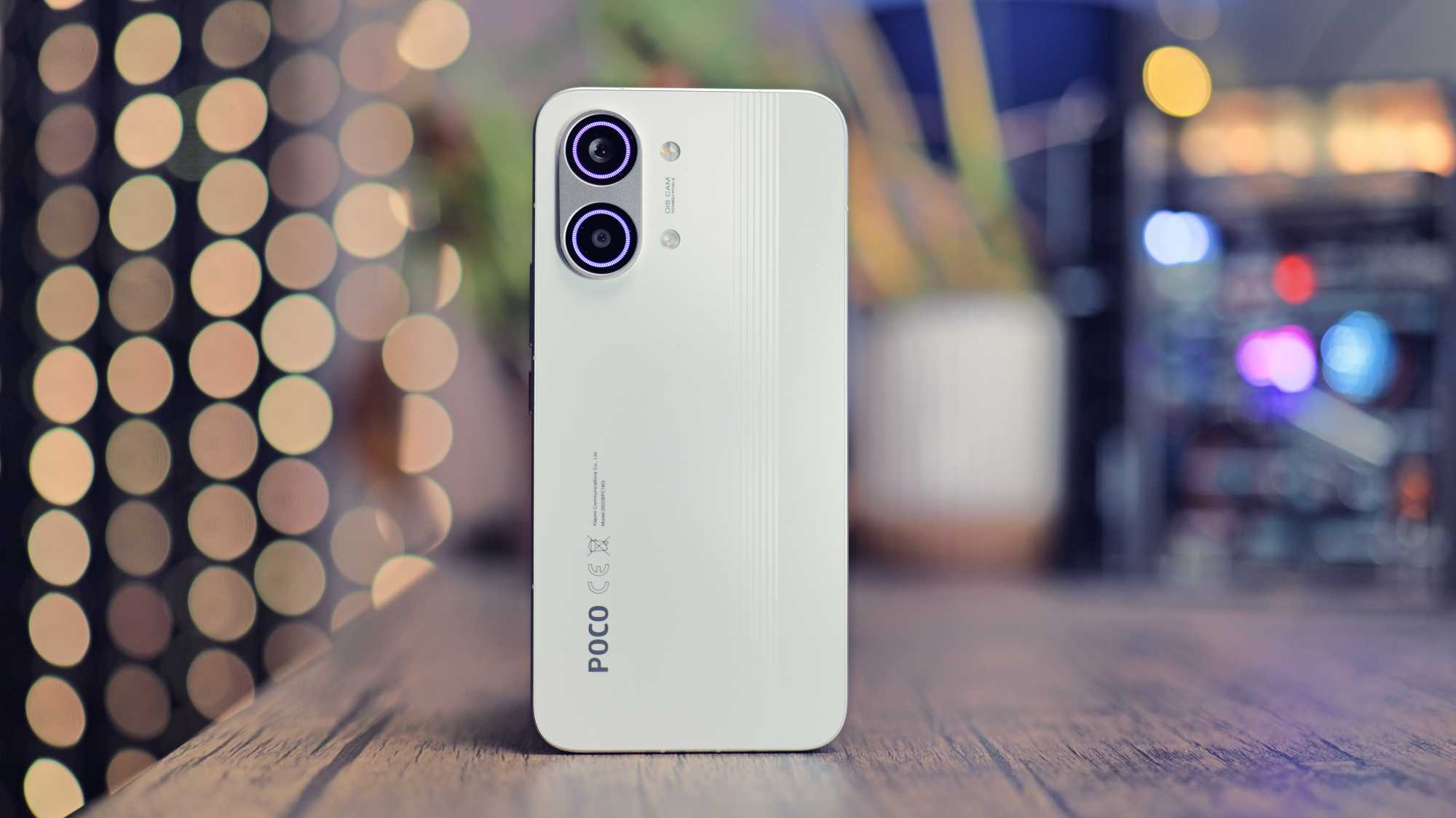
For a good while, it was the Poco F8 Pro that held this spot as the go-to mid-range phone for performance, so it’s only fitting to see the phone leapfrogged by another option from the same brand, this time the Poco X8 Pro Max. Just like other phones within Xiaomi’s budget-friendly Poco stable, this phone goes all in on performance.
Powering the device is the MediaTek Dimensity 9500s, which is just a step down from the full fast Dimensity 9500 found within the high-end Oppo Find X9 Pro. Regardless of whether you opt for the 256GB model or its slightly more expensive 512GB alternative, both versions come with a whopping 12GB RAM that the chipset can rely on for more demanding tasks. For most people, this will feel like flagship-level performance, especially when diving into 3D games like Wuthering Waves, as we clocked a steady 60fps in our playthrough.
Working in tandem with the phone’s gaming credentials is a gorgeous 6.83-inch 120Hz OLED display, which can reach 3,500 nits of peak brightness. It’s a true visual feast that’s then emboldened by the stereo speakers on board that offer up plenty of depth and bass. If you’re playing/streaming at home then it’s great to comfortably rely on these speakers without needing to reach for a pair of earbuds.
As if that wasn’t enough, there’s an 8,500mAh battery on board that can be topped up at 100W (yes, you read that right). All of these specs are practically unheard of for a mid-range phone, and they make the X8 Pro unbeatable on performance alone. Where the phone isn’t quite able to compete is on software, as there’s an unfortunate amount of pre-installed bloatware to deal with, and there are just four years of OS updates which is bettered by Samsung and Google.
Who should buy the Xiaomi Poco X8 Pro Max?
Power users who need a mid-range phone that can keep up with heavy tasks and gaming.
Xiaomi Poco X8 Pro Max: Further considerations
With just four years of OS updates, there are better long-term options available from Samsung and Google.
Read our full
Xiaomi Poco X8 Pro Max review
9. Samsung Galaxy A57 5G – Best for AI
Pros
- Sleeker and more durable design
- Sharp user interface
- Strong 6-year software support
Cons
- More expensive
- Cameras much the same
- Not the strongest performer for the money
Price When Reviewed:
From £529
Best Prices Today:
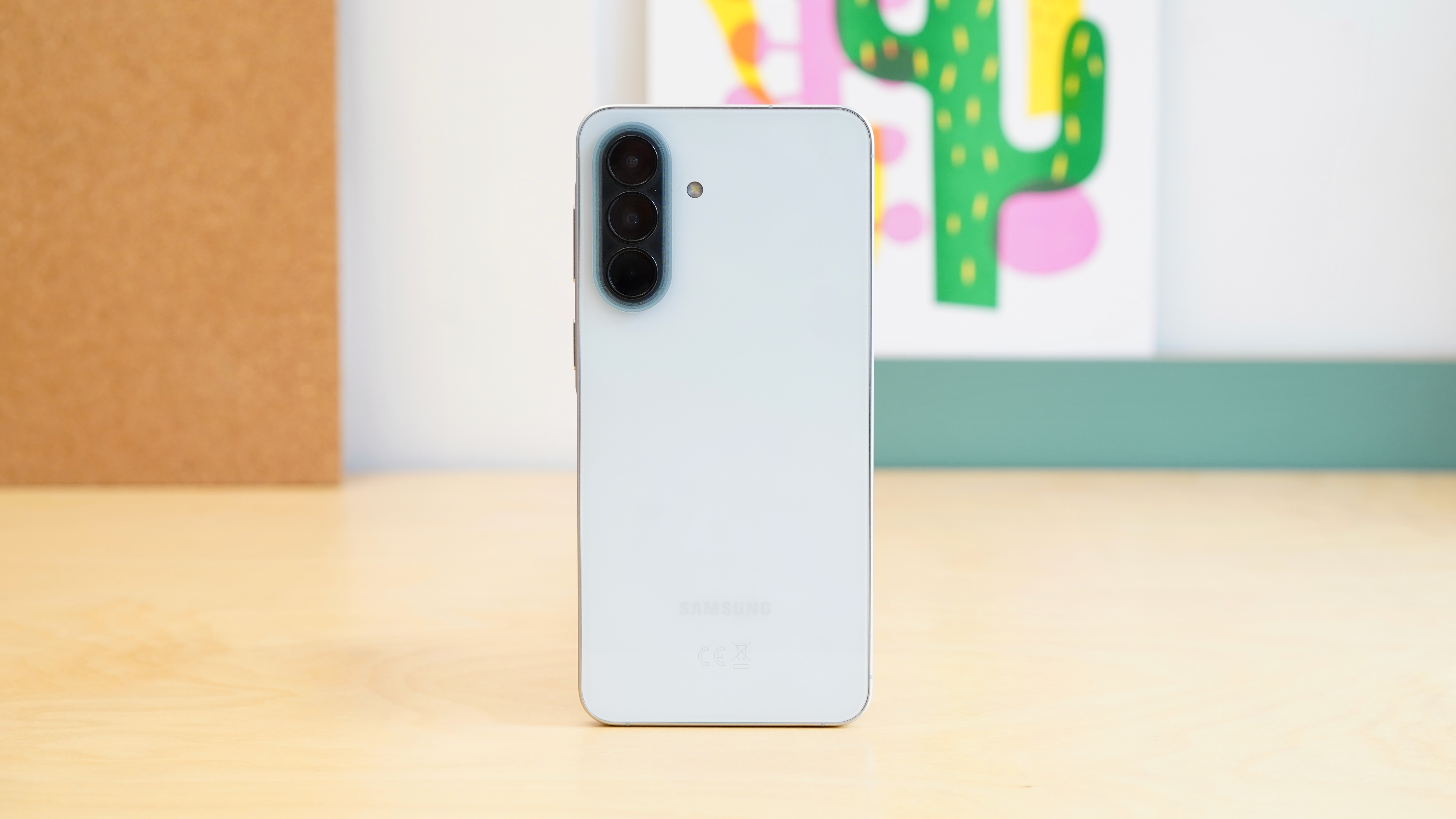
As much as we love Samsung’s mid-range phones for being reliable options that are easy to recommend, the Samsung Galaxy A57 is fairly iterative for updates, and if you’re not fussed about having the latest tech, then the previous-gen Galaxy A56 is arguably a better buy. However, there’s still a lot to like here.
Something we love to see is the push to make mid-range phones as durable as their flagship counterparts, and with an official IP68 rating, the Galaxy A57 is now better equipped to handle an accidental dip in a body of water. The design has also been slimmed down, coming at just 6.9mm (down from 7.4mm), making it feel more svelte and premium in the hand.
Under the hood is the more powerful Exynos 1680 chipset, which pairs with a 13% larger vapour chamber for improved performance during more demanding tasks. It’s not a complete beast for gaming, and you’ll get on better with a Redmagic device if that’s your main concern, but it fared well during a few rounds of The Division Resurgence.
As is now customary for Samsung’s non-flagship phones, you’re getting a promised six years of support for the Galaxy A57, which is ideal for rinsing as much value out of the phone as possible, especially as it now costs slightly more. The phone now has a starting price of £529/$549.99, which isn’t a massive uplift in price, but definitely noticeable given that you have so many compelling mid-range options that don’t go above the £500/$500 mark.
Who should buy the Samsung Galaxy A57?
Those who want premium Samsung style and One UI software.
Samsung Galaxy A57: Further considerations
The Galaxy A56 is very similar but is now available for a lot less.
Read our full Samsung Galaxy A57 review
10. iPhone 17e – Best Value iPhone
Pros
- Lovely, compact design
- Great performance
- Brilliant battery life
- MagSafe now included
Cons
- Display only 60Hz
- Charging tops out at 20W wired
- No Camera Control button
- Doesn’t have iPhone 17’s front camera tricks
Price When Reviewed:
£699 (was £599)
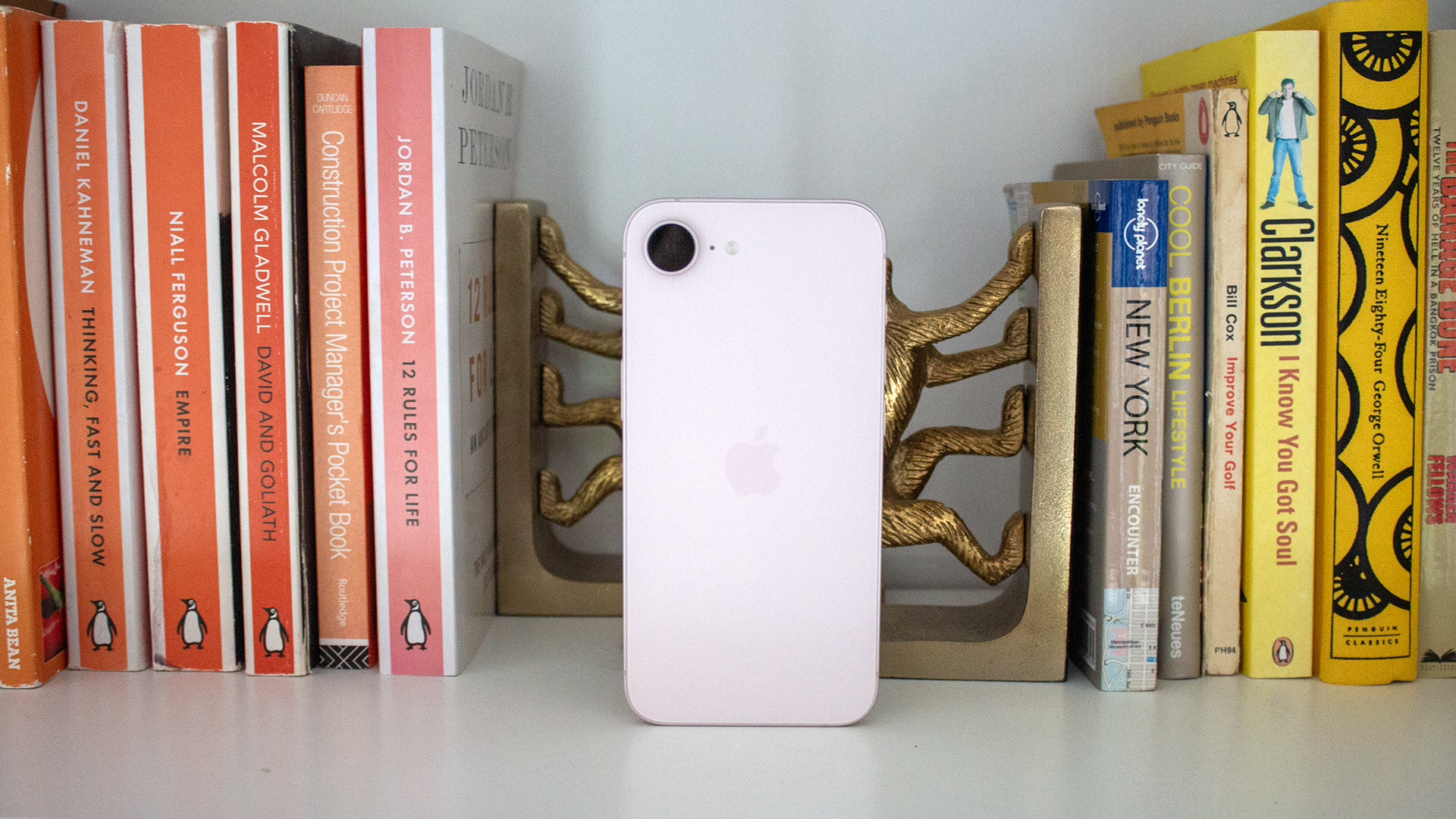
It’s no secret that when the iPhone 16e launched, we were all scratching our heads, trying to understand who it was designed for when you could just pick up a previous-gen option like the iPhone 15 for around the same price or even less. Well, Apple’s mid-range replacement to the SE range now makes a lot more sense in the iPhone 17e – a solid all-rounder that’s sure to please a decent group of people.
There are quite a few reasons why this newer handset stands out, chief among them is the inclusion of MagSafe, which was such an odd omission on the 16e. Now, you can use the plethora of MagSafe-enabled accessories with the 17e, including chargers, wallets, power banks and stands, which improves the overall usability of the phone.
Elsewhere, there’s the newer A19 chipset, which is the same CPU found in the pricier iPhone 17, and it does a great job of showing off iOS in its best light. Throw in the move to having 256GB storage as standard (at no extra cost) with the more durable Ceramic Shield 2 on the display, and it quickly becomes apparent that the 17e isn’t just a good mid-range pick, it’s a solid iPhone overall.
Because this is a ‘budget’ device as far as Apple is concerned, you do have a few returning caveats such as the absence of an ultra-wide camera, and pretty slow charging that caps out at 20W, but these issues won’t be dealbreakers for a lot of people. The real allure is in long-term value, as the A19 is Apple Intelligence-ready and is set to receive the latest iOS updates for many years to come.
Who should buy the iPhone 17e?
Apple enthusiasts who want an inexpensive (by Apple standards) upgrade.
iPhone 17e: Further considerations
Even though it can take great pictures, the 17e’s camera system isn’t as versatile as most other mid-range phones.
Read our full
Apple iPhone 17e review
Other mid-range phones tested
Although the phones listed above are the 10 mid-range phones that we rate higher than anything else available right now, they are far from the only contenders that we’ve come across. As this particular sector continues to grow, we’ve found ourselves inundated with mid-range phones, many of which have come close to being included and that are worth bearing in mind.
- Nothing Phone (4a) Pro – Easily one of the most stylish phones you can buy in 2026. Although it didn’t quite make the cut, with the cheaper Nothing Phone (4a) offering better value, there’s still a lot to like, with the rear-facing Glyph Matrix helping to keep you aware of any notifications or incoming calls without needing to pick up the phone. The all-metal build is also a rarity amongst mid-range phones, and it makes plastic-backed phones feel dated by comparison.
- OnePlus 15R – Even though it’s a struggle to find this phone new since the brand decided to pull the plug on its Western operations, the OnePlus 15R is still a great phone to buy if you can track one down (it will still be supported, albeit with a switch to Oppo’s ColourOS). With a massive 7400mAh under the hood, the 15R can last for around two days at a time, and the Snapdragon 8 Gen 5 chip provides flagship-level performance on a budget.
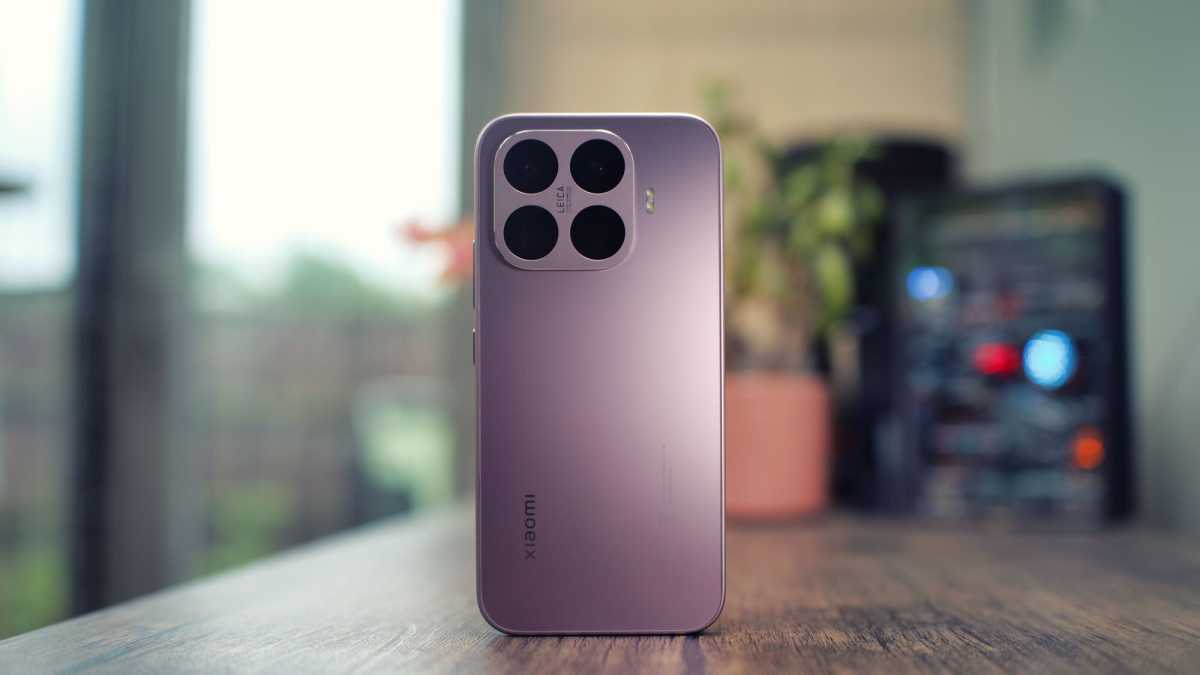
- Xiaomi 17T – Although the Xiaomi 17T Pro is a better buy for flagship-style cameras, the cheaper Xiaomi 17T (below) can still hold its own in this area. The 50Mp main sensor captures wonderfully vibrant colour, and the 5x telephoto lens is a real win for proper zoom photography at a lower price. It’s let down by fairly lacklustre long-term support, but it gets a lot right.
Luke Baker
Hungry for more? Here are a few other mid-range phones we’ve tested, including previous-gen options:
- Google Pixel 10a
- Samsung Galaxy S26 FE
- Motorola Edge 70 Fusion
- Motorola Edge 70
- Samsung Galaxy A37
- Honor Magic 8 Lite
- Nubia Redmagic 11 Air
- Xiaomi Redmi Note 15 Pro
- Nothing Phone (3a) / (3a) Pro
- Nubia Redmagic 11 Pro
- Poco F8 Pro
Mid-range phone news that could affect your buying decision
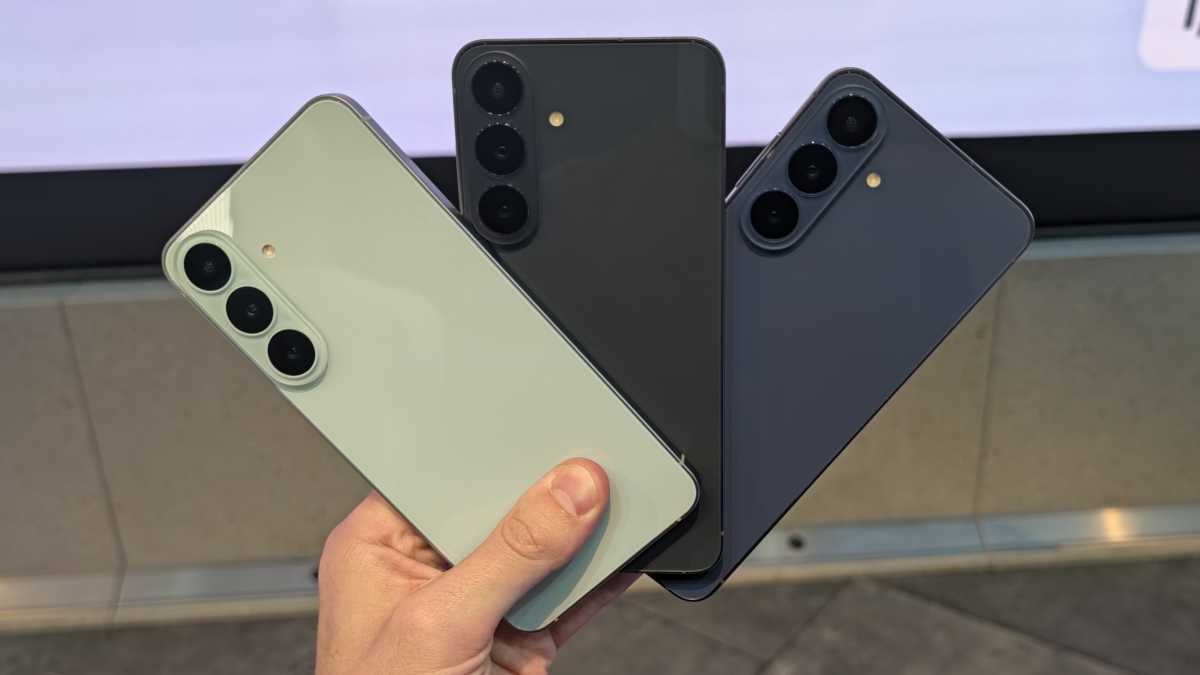
One of the biggest mid-range launches of the year, the Samsung Galaxy S26 FE, has come and gone, and unfortunately the phone hasn’t made our list due to the fact that it’s a very minor update on the already brilliant S25 FE. The phone might be preferable to some, particularly those who want to capitalise on the seven years of support from the time of launch, but otherwise the S25 FE is the better buy as it can now be found for less.
Looking towards next year, rumour has it that the Pixel 11a will do away with the chipset compromise that we’ve seen with the 10a and fully embrace the newer Tensor G6 when it comes to market. This means that the device will have comparable performance to the flagship-level Pixel 11 phones, which could be a game-changer for accessing the latest of Google’s AI features but at a cheaper price.
Anyron Copeman / Foundry
Can I get a better phone deal?
The prices displayed in our list of the best phones are updated daily, making sure you always see the top phone deals. Our recommendations are based on design, performance and typical value, among other things, but with retailer and mobile operator prices changing daily, we cannot factor in deals in the same way.
Remember that a great deal could make a phone that appears lower down this list more attractive than one that sits at the top.
Amazon Prime Day is the big sales event of the autumn/fall, while Black Friday is saved for the final weekend of November (although some retailers tend to offer their discounts for the entirety of the month). Keep an eye on the January sales, too, as well as other sales around specific holidays such as Easter.
Another way to get a great deal is to consider buying a refurbished phone. Not only will you get it cheaper, but it’s also more eco-friendly. Alternatively, Raylo’s subscription service is a helpful tool for picking up phones and other tech in an alternative way.
How we test mid-range phones
Like any smartphone, the true test of a mid-range phone is in regular, everyday usage. So, that’s exactly what we do.
For every mid-range phone we review, we put our personal SIM in it (or set up an eSIM) and use it as our main device for at least a week, often much longer.
This length of time allows for insights that just aren’t possible in a few days, such as camera testing in a range of different environments and long-term battery life impressions. To enable comparisons, we also run a specific set of benchmarks on every mid-range phone, but don’t rely on these to draw any significant conclusions.
Read more about how we test smartphones.
Why you should trust Tech Advisor for mid-range phone reviews and buying advice
Tech Advisor has been covering mid-range smartphones ever since the category was defined following the original iPhone’s release in 2007 and Android’s arrival a year later. In the nearly two decades since, we’ve tested phones from every mid-range phone maker you can think of, including Apple, Samsung, Google, OnePlus, Motorola, Nothing, Xiaomi, Honor and many more.
They continue to form a core part of our coverage, offering an attractive middle ground between low-cost budget phones and high-end flagship handsets. We review new mid-range phones every month, drawing on the many decades of combined experience from an expert in-house team and trusted contributors.
Who curated this article?
Our full-time Mobile Editor, Anyron, is the lead on this list of the best mid-range phones. He spends almost all his time testing, reviewing and writing about phones and is often among the first in the world to get hold of the latest models. Our Managing Editor, Chris, who has been testing phones for 15 years, provides assistance.
How to choose the best mid-range phone
When choosing a mid-range phone, you should consider these things: build quality and design, display, performance, cameras, battery life, software and value for money.
At Tech Advisor, we define a mid-range phone as costing between £300/$300 and £700/$700 when bought outright, though contract prices will vary significantly depending on availability, the network you choose and how much data you need.
If you have limited money to spend, we’d suggest looking at our best budget phone round-up first. And only return here if you don’t find something that suits your needs.
Buying a phone outright will usually give you the best value, but we appreciate that finances in the real world don’t always accommodate such big one-off purchases. If you can afford to buy the phone outright, you’ll obviously also need to factor in the cost of the plan.
FAQ
What is the best mid-range phone?
This will vary depending on your needs, but the Samsung Galaxy S25 FE is the best mid-range phone for most people. Despite undercutting more premium handsets, it still feels like a flagship in the hand and with a massive 6.7-inch AMOLED display, it’s a great all-rounder for browsing the web, streaming entertainment and gaming on the go.
What is the best cheap mid-range phone?
The best cheap mid-range phone for most people is the Nothing Phone (4a). It offers a compelling blend of unique design, highly customisable software and great battery life, all for an impressively low price.
What does mid-range mean in phones?
There’s no technical definition, but at Tech Advisor, we define mid-range phones based on price: anything that costs more than £300/$300 but less than £700/$700 if you buy it SIM-free.
Anything cheaper than that is a budget phone, while anything more expensive is a flagship handset.
What is the best mid-range iPhone?
Apple currently only sells one mid-range iPhone – the iPhone 17e. Although there are a few caveats to bear in mind, it is a much better phone than its predecessor, and finally worth recommending to those who want the Apple experience for less.
For the true bargain hunters out there, we’d suggest looking at previous-gen flagship models such as those from the iPhone 15 or 16 series, which are available at mid-range prices. Opting for a used or refurbished phone can also reduce prices significantly, as well as being more eco-friendly.
What is the best mid-range Samsung phone?
Currently, the best mid-range Samsung phone is the aforementioned Galaxy S25 FE. However, if you want to save a bit of cash, then the Samsung Galaxy A57 is also worth a look as it offers a thin and light design, an impressive software experience (including plenty of AI features) and long software support.
Why are some mid-range phones not available in the US?
If you’re based in the US, you’ll notice that not all of the best mid-range phones are available. Unfortunately, that’s because many of the biggest Chinese phone manufacturers simply don’t sell their products in the US.
Chinese phones are a great choice in the mid-range market because they regularly balance very good specifications with a lower price than you’d expect. The likes of Xiaomi, Poco and Oppo often offer excellent value, but for anyone in the US, they’ll be import-only, so make sure they support your carrier if you can find them via the likes of Amazon.
How much RAM is good for a mid-range phone?
That depends on what you plan to use it for, but we’d recommend 8GB as a minimum. Assuming the chipset is capable enough (we’ll indicate in full reviews whether that’s the case), this will allow you to perform all everyday tasks without running into any issues.
However, if you want to use your phone for more demanding tasks such as gaming, we’d recommend 12GB or more. Many of the most powerful phones on the market have 16GB of RAM.
Related content