top Battery Life Phones 2026: Long-lasting phones with fast charging
It doesn’t matter if a phone has an eye-catching display, top-of-the-line cameras or even a build to withstand the elements, if it doesn’t have a substantial battery to back it all up and see you safely through to the end of the day, then the whole thing falls apart pretty quickly. If you’re sick of seeing a red battery alert long before the day is done then this is the guide for you.
Thanks to the proliferation of silicon-carbon batteries, a lot of the latest smartphones are now able to last for longer in between charges. This is great for consumers at means that you’re getting more value for money, and it goes one step further towards making the days of battery anxiety a thing of the past.
As more companies embrace the technology, here are the 10 phones that excel when it comes to battery life. Our rankings below are based on in-depth testing, including at least a week of real-world usage and a score from the PCMark battery test, which allows for lab comparisons between models.
If battery life is your top priority, you’ve come to the right place. But if you’d prefer a balanced mix of features, see our guides to the best budget phones, best mid-range phones and best phones overall.
Best battery life phone reviews
Other phones tested
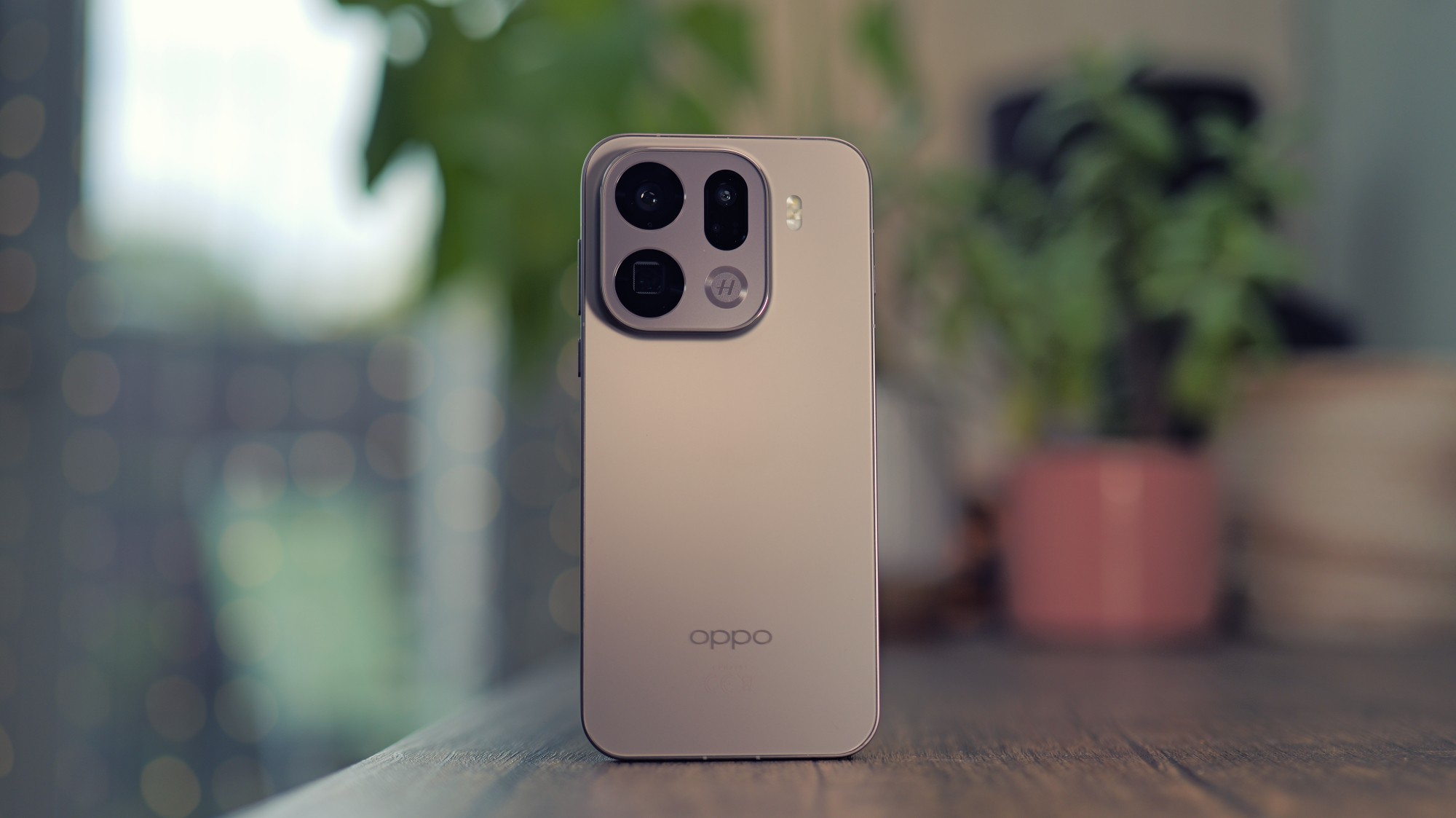
1. Oppo Find X9 Pro – Best Overall
Pros
- Phenomenal cameras
- Gigantic battery
- Excellent performance and software
- One of the nicest screens around
- Awesome accessories
Cons
- Not available in the US
- Only 5 years of Android OS updates
Price When Reviewed:
£1,099

- Battery test score: 26:40
- Battery capacity: 7500mAh
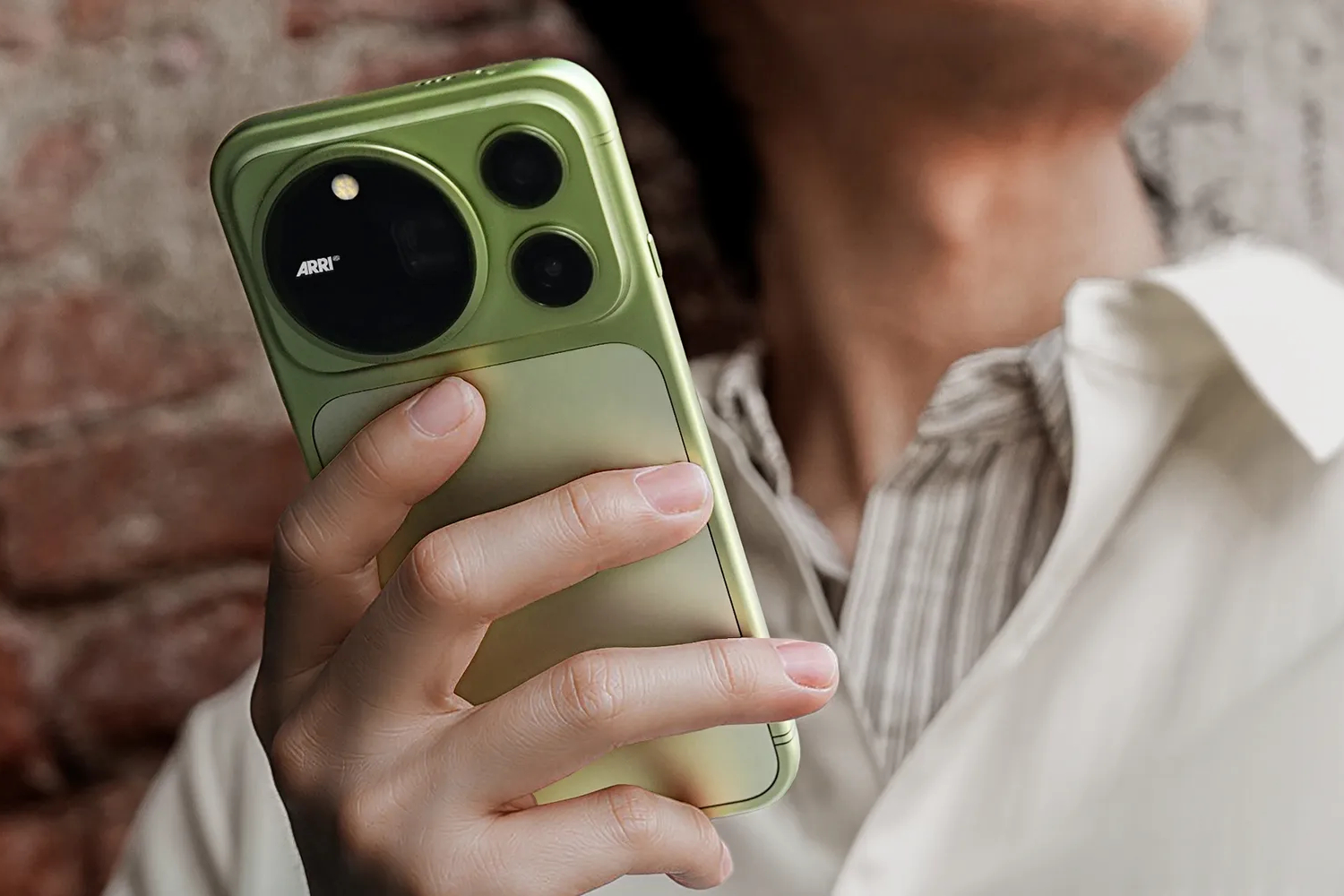
It was the Oppo A5 Pro 5G that held this top spot for a good while, but it only makes sense that the phone would eventually be supplanted by another device from Oppo, given how much investment the company has put into improving its battery tech. The Oppo Find X9 Pro isn’t just the company’s best battery phone to date; it’s also the best battery phone you’ll find anywhere right now.
Scoring a near outlandish duration of 26 hours and 40 minutes in the PCMark battery test, the Find X9 Pro eclipses competitors such as the Galaxy S25 Ultra and the OnePlus 13. Even its immediate predecessor, the Oppo Find X8 Pro, only scored a duration of 14 hours and 36 minutes in the same test, which shows just how much of a leap forward Oppo has managed to achieve here.
It’s all thanks to the massive 7500mAh battery inside, which uses a silicon-carbon build to prevent the phone from feeling too chunky in the hand. With that longevity at play, however, you can make full use of the phone’s three rear-facing cameras without ever having to worry about how much juice is left in the tank.
If you are in a bind, you can claim back 50% from just half an hour’s charge, thanks to 80W speeds over a wired connection (50W if you go for a wireless charger). With all this in mind, it’s a massive shame that the phone will not be making its way to the US, so if you are based in the States, then you’ll want to look elsewhere on this list for a phone that truly lasts all day.
Who should buy the Oppo Find X9 Pro?
Anyone who values battery life above all, and having great cameras to boot.
Oppo Find X9 Pro: Further considerations
The phone is, unfortunately, not available to buy in the US.
Read our full
Oppo Find X9 Pro review
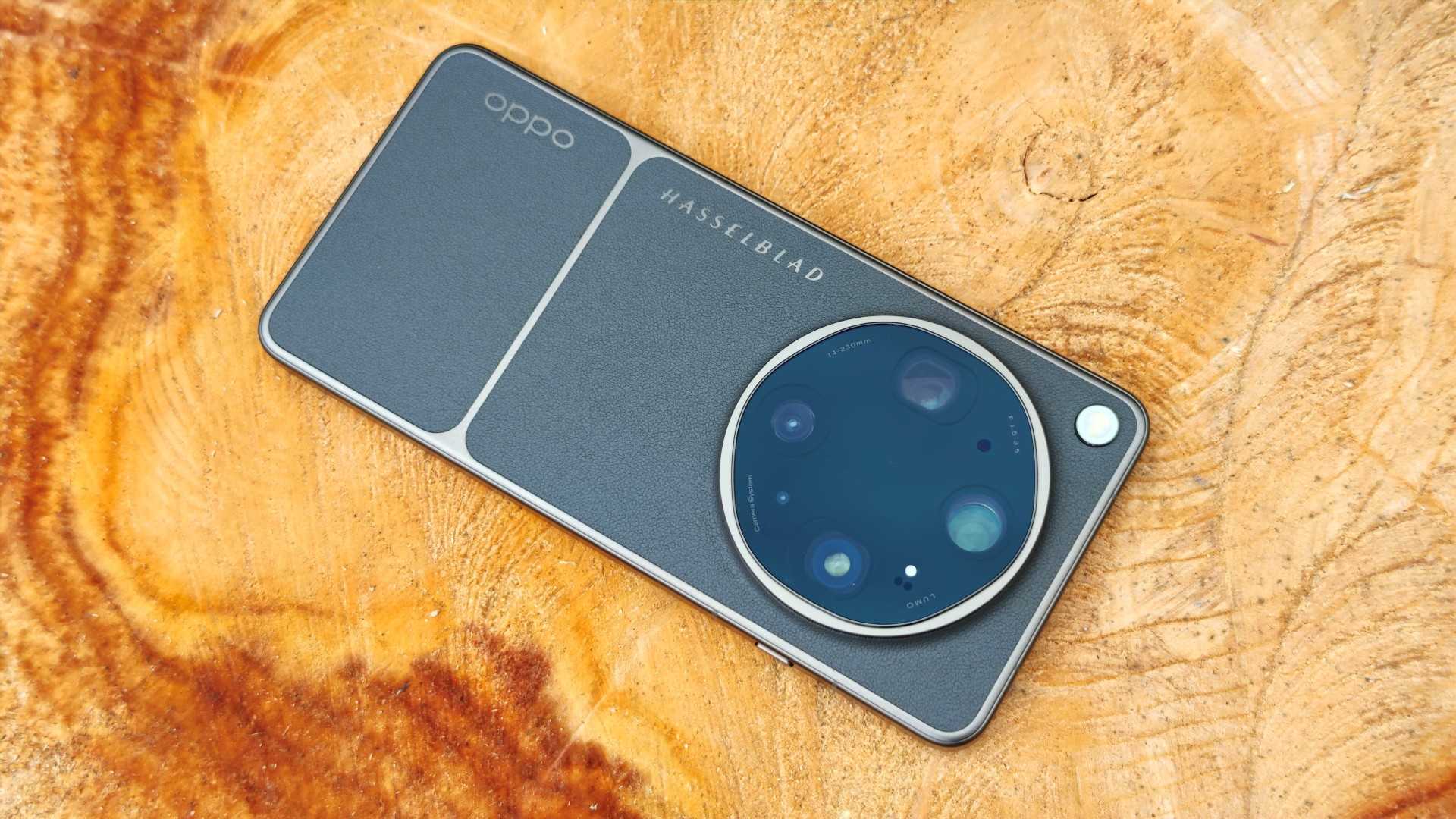
2. Oppo Find X9 Ultra – Runner Up
Pros
- Incredible cameras
- Long battery life & fast charging
- Smooth performance
- Standout design
- Excellent screen
Cons
- Expensive
- Can get hot
- Camera button placement
Price When Reviewed:
£1,449
Best Prices Today:
- Battery test score: 25:36
- Battery capacity: 7050mAh
Although a long-lasting battery is a great feature to have, if a phone drops the ball elsewhere with other features, then longevity isn’t going to make it any more fun to use. Thankfully, the Oppo Find X9 Ultra isn’t one such device, as it so brilliantly fires on all cylinders that the battery, despite being one of the best in the business, will almost feel like an afterthought as you’ll be too dazzled by everything else on offer, most notably the cameras.
The X9 Ultra scored a whopping 25 hours and 36 minutes in our PCMark Battery test, outdoing similar uber flagships like the Xiaomi 17 Ultra and the Samsung Galaxy S26 Ultra by quite a wide margin. You’ll be glad of all that extra juice (the same capacity as the Chinese version for a change) as you’ll be using the four rear-facing cameras non-stop. These are the cream of the crop right now, putting out the type of shots that were only once possible with a DSLR camera in tow.
Whether it’s low-light photography of a cityscape or grabbing a portrait shot during the daytime, the X9 Ultra simply doesn’t miss. Even if you’re not particularly skilled with a camera, the onboard computational processing can do so much of the heavy lifting that you’ll start to consider yourself a competent photographer. Just bear in mind that the phone can get a bit hot through extended use, but making sure to take regular breaks can help to mitigate this.
On the charging front, the X9 Ultra also leads the pack with 100W speeds over a wired connection, alongside 50W wireless charging. Given that there are some flagship phones (we’re looking at you, Samsung) that barely match that 50W rate on wired charging, it’s hard not to feel spoiled by Oppo here, and you can claim about 42% in just 30 minutes. There’s reverse charging too for any extra devices you might have, although we would have liked to see Qi2 magnetic charging to help justify the phone’s pretty high price tag.
Who should buy the Oppo Find X9 Ultra?
Users who want the best of everything in the Android space.
Oppo Find X9 Ultra: Further considerations
At £1,449, there are far cheaper phones out there, including the Find X9 Pro.
Read our full
Oppo Find X9 Ultra review
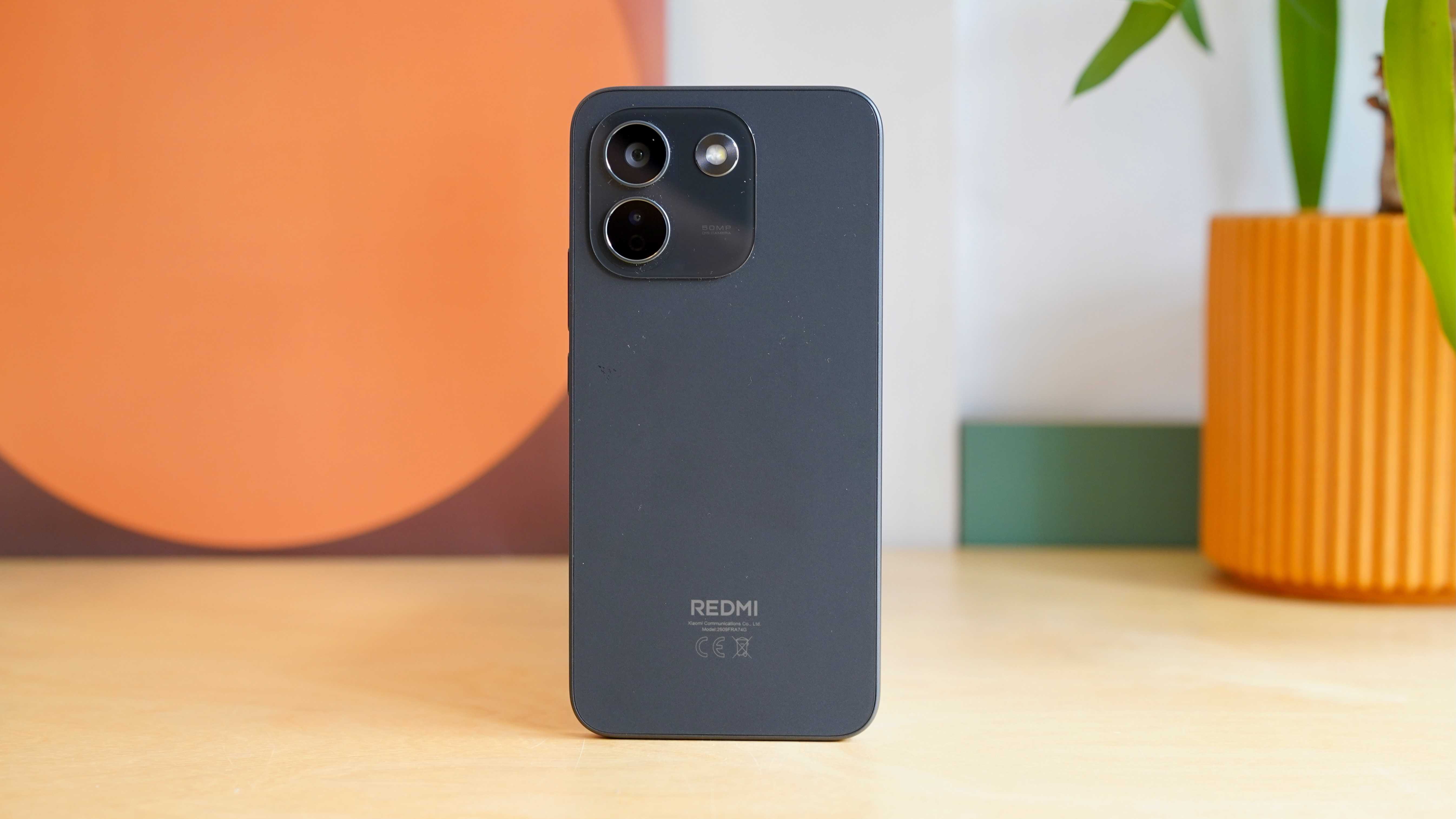
3. Xiaomi Redmi Note 17 Pro Max – Best Mid-Range
Pros
- Frankly ridiculous battery life
- Tough build quality
- Speedy 100W charging
- Good value for high storage
Cons
- Annoyingly busy software
- Middling performance
- Poorly calibrated display
Price When Reviewed:
£499
Best Prices Today:

- Battery test score: 23:27
- Battery capacity: 9210mAh
As much as we love the Poco X8 Pro Max for being a great mid-ranger that toes the line of having an impressive battery life and chipset, if you’re happy to sacrifice some performance in return for getting a bit further with your device between charges then the Xiaomi Redmi Note 17 Pro Max is the ideal pick to go for. Even though it is a mid-range device, it has the type of battery life that’ll make you wonder why anyone pays for a flagship.
On this phone you’re looking at a massive 9210mAh battery, the likes of which would typically be exclusive to a Chinese version of the device, but the fact that it’s in the global release just boggles the mind. For context, the Oppo Find X9 Pro, which costs more than double the price of this handset, only has a 7500mAh cell.
With such a huge cell under the hood, you can easily get the Redmi Note 17 Pro Max to last for several days at a time, and if you’re ever looking at a long day of replying to emails, texting friends, taking photos and using Google Maps for directions, then you certainly won’t have to factor any battery anxiety into the mix. It’s just such a joy not to have to worry about carrying a power bank with you at all times, and even when it does come time to charge up the phone, the fast 100W wired charging will get the 17 Pro Max back to full health in just over an hour.
The phone’s endurance also extends to the design, with Xiaomi using the rather high-end Gorilla Glass Victus 2 for the display, and it packs full IP66/IP68/IP69/IP69K certifications, which is almost unheard of. The only areas that do stick out for the worse are the HyperOS software which is just as cluttered as it usually is, and the overall performance which is fine for most everyday tasks but don’t expect to enjoy any high-end gaming here.
Who should buy the Xiaomi Redmi Note 17 Pro Max?
Mid-range buyers who want to get the most amount of battery for their money.
Xiaomi Redmi Note 17 Pro Max: Further considerations
The performance isn’t at the same level as the Poco X8 Pro Max or even the Pixel 10a.
Read our full
Xiaomi Redmi Note 17 Pro Max review
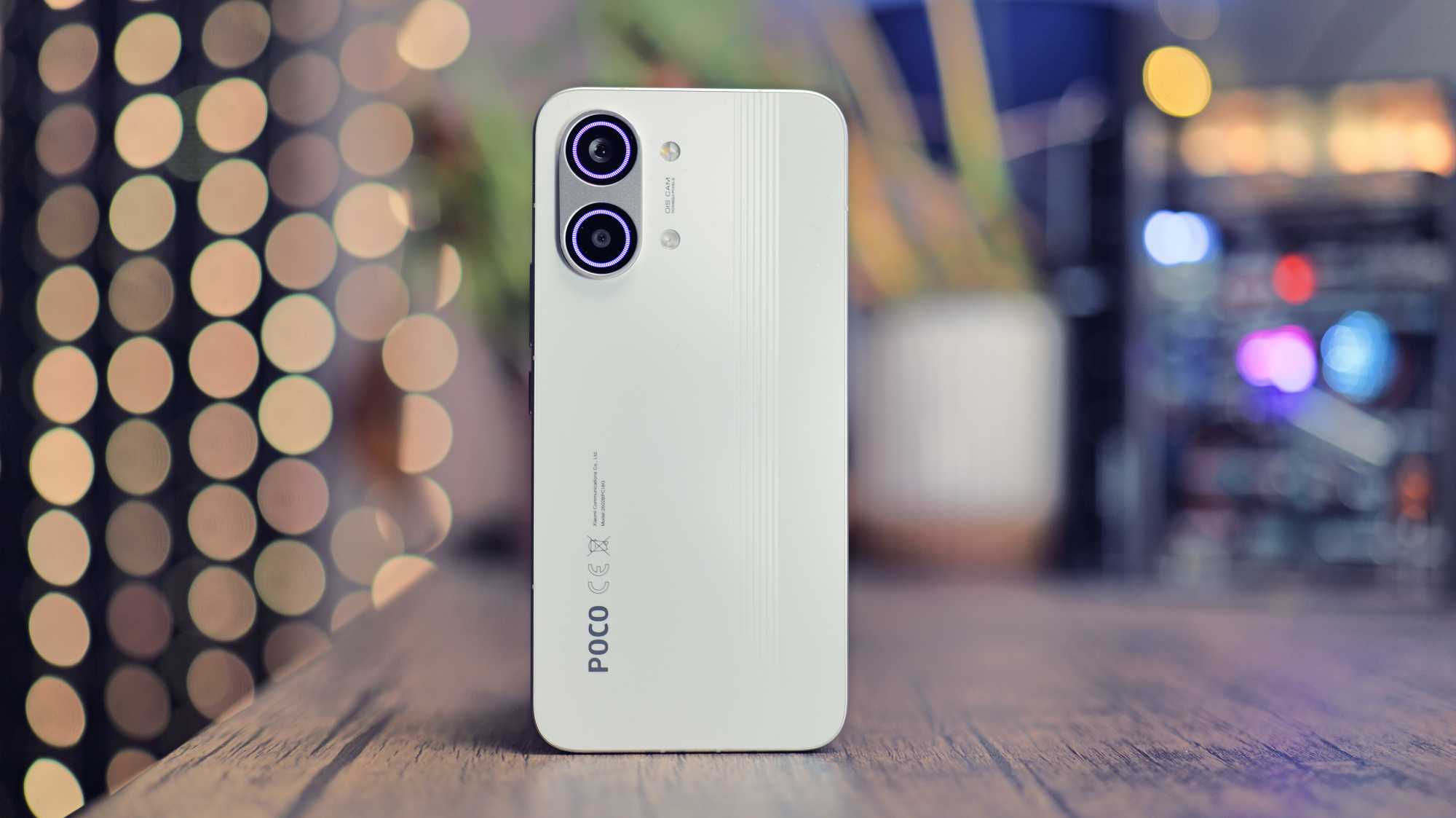
4. Poco X8 Pro Max – Best Mid-Range Alternative
Pros
- Excellent value
- Great performance
- Lovely display and speakers
- Massive battery and speedy charging
Cons
- Mediocre ultrawide camera
- Not the longest software support
- Bloatware
Price When Reviewed:
From £469
Best Prices Today:
- Battery test score: 21:53
- Battery capacity: 8500mAh
Xiaomi has shown time and time again that via its Poco sub-brand, the company understand the budget/mid-range market better than most. Previous Poco phones have provided a ton of value in return for not that much at the checkout, and the Poco X8 Pro Max continues that tradition (even if it is a bit of a mouthful).
The big allure, and the reason why it’s on this list, is that the X8 Pro Max packs a whopping 8500mAh battery, which completely dwarves that of most flagship phones. Clocking an unbelievable 21 hours and 53 minutes in our PCMark battery test, it’s very unlikely that you’ll ever encounter any battery anxiety over the course of a single day.
If you do need to top the phone up in a pinch, then there’s blazingly fast 100W wired charging available, although you will need to buy a compatible charging adapter to make use of it. There’s also 27W reverse wired charging if you need to give your earbuds or smartwatch some extra juice.
As with any Poco phone, the usual trade-offs include having to deal with a decent amount of bloatware, alongside the fact that they only come with four years of software updates, which isn’t the best out there for long-term value. Still, for everything else you get here, including the impressive MediaTek Dimensity 9500s chipset, it’s a bargain.
Who should buy the Poco X8 Pro Max?
Pretty much anyone shopping in the mid-range phone sector.
Poco X8 Pro Max: Further considerations
Four years of software updates pale in comparison to the competition.
Read our full
Xiaomi Poco X8 Pro Max review
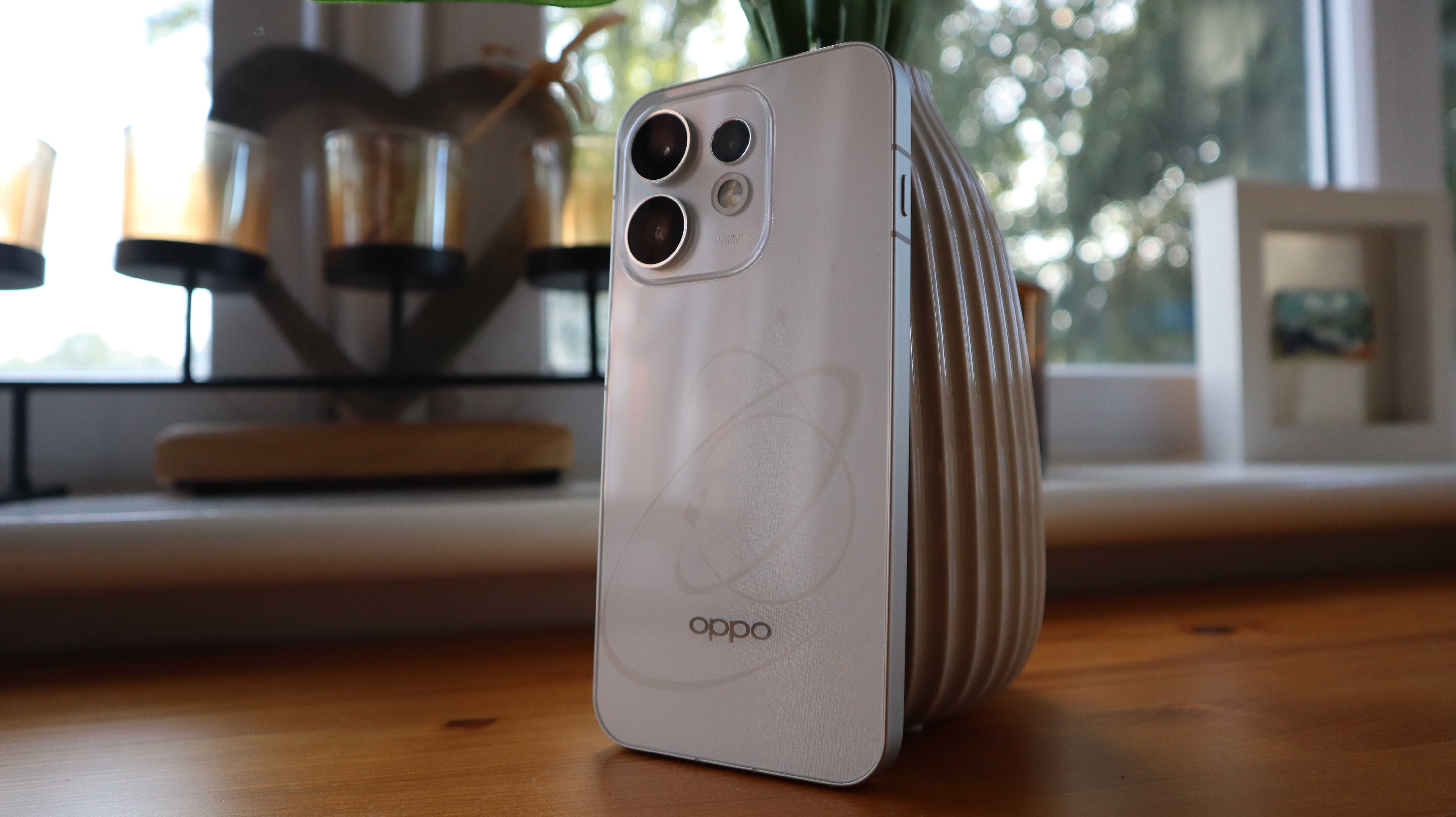
5. Oppo Reno 16 – Best Compact
Pros
- Compact and durable
- Solid cameras
- Bright AMOLED screen
- Some great software features
Cons
- Pre-installed bloatware
- Mind Space needs work
- No wireless charging
Price When Reviewed:
£699
- Battery test score: 21:52
- Battery capacity: 6000mAh
As much as we love a good compact phone, there are sadly too few to choose from these days, and that pool gets even smaller if you want to buy one with a long-lasting battery. Thankfully, you’re not completely out of choices and of all the options we’ve tested, it’s the Oppo Reno 16 that presents a solid all-round package that’ll leave you wanting for very little.
It is worth mentioning right off the bat that the £699 asking price is quite a bit more than we’re used to seeing from Oppo’s mid-rangers, but much like Honor, the brand has pivoted somewhat, now using the Reno range to straddle the high-end mid-range/lower-flagship section of the market. On that alone, the Reno 16 might be a bit too pricey for some, but even with the price increase, there’s still a lot that the phone does right, particularly with battery life. The 6000mAh cell really went the distance in our testing, being capable of running for up to two days at a time.
The phone trounced our previous top pick in this category (the Samsung Galaxy S25) with the PCMark battery test, clocking in at a total of 21 hours and 52 minutes. There’s also fast 80W SUPERVOOC charging over a wired connection which can get the phone back to a full battery in just over an hour. It would have been nice to have wireless charging at this price as it something that you can get with Google’s mid-range Pixel 10a, but at least this phone lasts longer between charges.
Although Oppo’s AI features could use some work, we found the brand’s ColorOS overlay to be a joy to use, providing plenty of customisation that lets you tinker with the homescreen and layout in any way you see fit. It also helps that the three rear-facing cameras produce very natural-looking colours in any shots they take. While you can indulge in zoom photography via the 3.5x telephoto, we were surprised by just how competent the digital 7x zoom can be, picking up rather detailed shots of London’s Tower Bridge from a distance.
Who should buy the Oppo Reno 16?
Fans of compact phones who want a great all-rounder with solid battery life.
Oppo Reno 16: Further considerations
The phone doesn’t have wireless charging despite its higher price tag.
Read our full
Oppo Reno 16 review
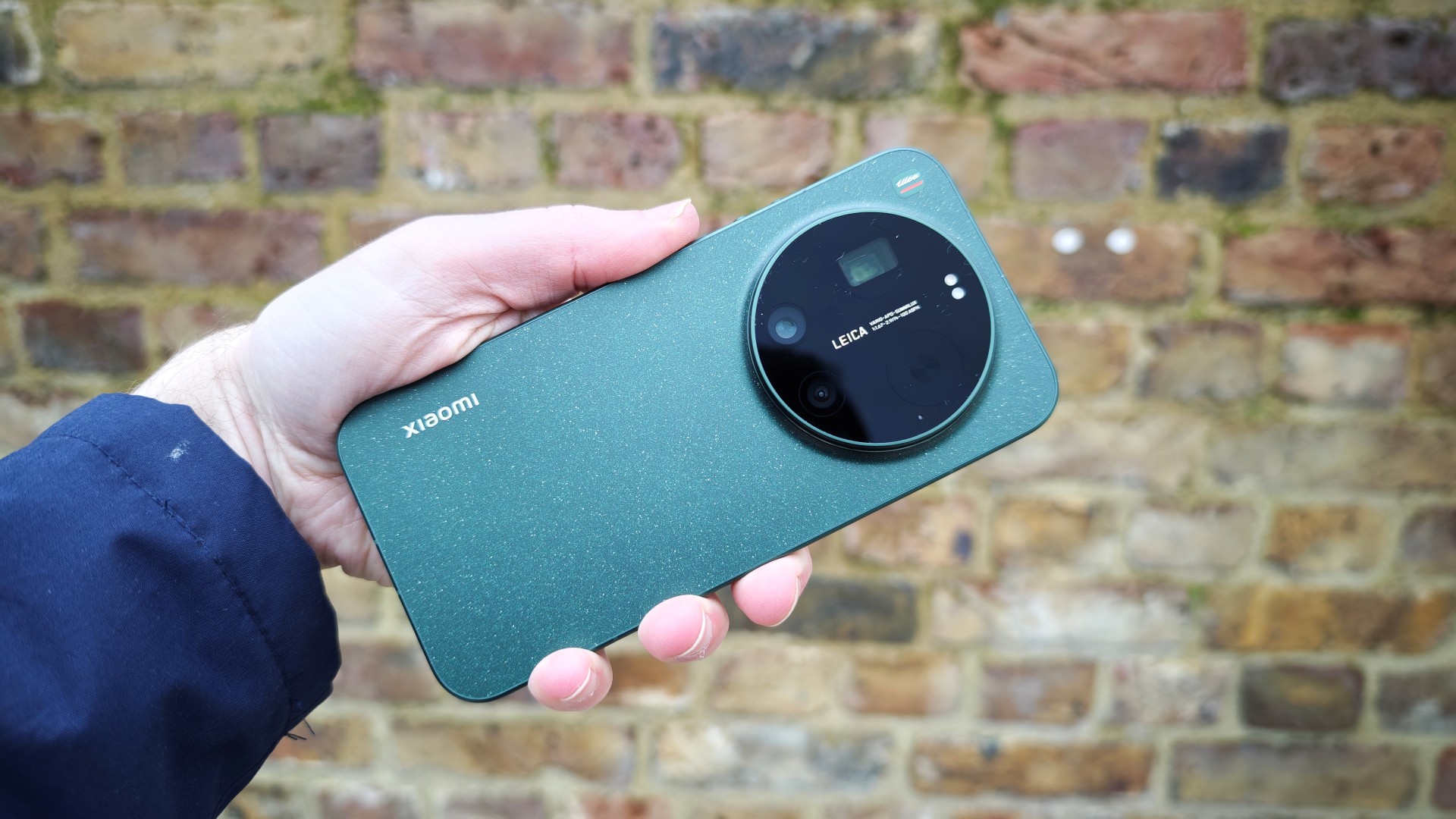
6. Xiaomi 17 Ultra – Best Cameras
Pros
- Excellent cameras
- Large, dazzling display
- Strong battery life & charging
- Top specs and performance
Cons
- Bulky, with large camera bump
- Mixed own-brand AI performance
- Fewer OS updates than some rivals
Price When Reviewed:
From £1,299
Best Prices Today:
- Battery test score: 21:27
- Battery capacity: 6000mAh (global model)
The Xiaomi 15 Ultra had a comfortable place on this list for quite some time, but it’s only fitting that when it comes to the perfect mix of battery life and camera prowess, it’s the phone’s immediate successor that steps in to claim the crown. With a 6,000mAh battery under the hood, the Xiaomi 17 Ultra was able to run for a whopping 21 hours and 27 minutes in the PCMark battery test, making it one of the standout phones for longevity in 2026.
In everyday use, we were able to get the 17 Ultra to last for just over two days at a time before needing to be topped up, which is handy as you’ll want that level of juice in the tank given how the cameras practically invite you to explore their versatility at any chance you get. Even though it’s packing on less sensor than its predecessor, the Xiaomi 17 Ultra is still one of the best camera phones we’ve ever tested.
There’s a mechanical zoom system on the phone which, through all the technical jargon, allows the user to take high-quality pics of subjects from a distance, so if you’re the type of person who can spot a great shot that just a bit out of reach for the main camera, then you’ll have the ability to capture it in a pinch.
The Snapdragon 8 Elite Gen 5 chipset provides flagship-level performance that’s bolstered by the massive 6.9-inch display. It’s a brighter panel too that peaks at 3,500 nits for an easier experience outdoors. It’s a shame that such an expensive phone only carries five years of OS updates alongside six years of security patches, but given just how much the phone has to offer, all of that time will be well spent with the Xiaomi 17 Ultra in tow.
Who should buy the Xiaomi 17 Ultra?
Photographers who need a pro-level camera set-up in their pocket, alongside a multi-day battery to back it up.
Xiaomi 17 Ultra: Further considerations
With just five years of OS updates, the Xiaomi 17 Ultra has limited long-term value compared to what Samsung and Apple can provide.
Read our full
Xiaomi 17 Ultra review
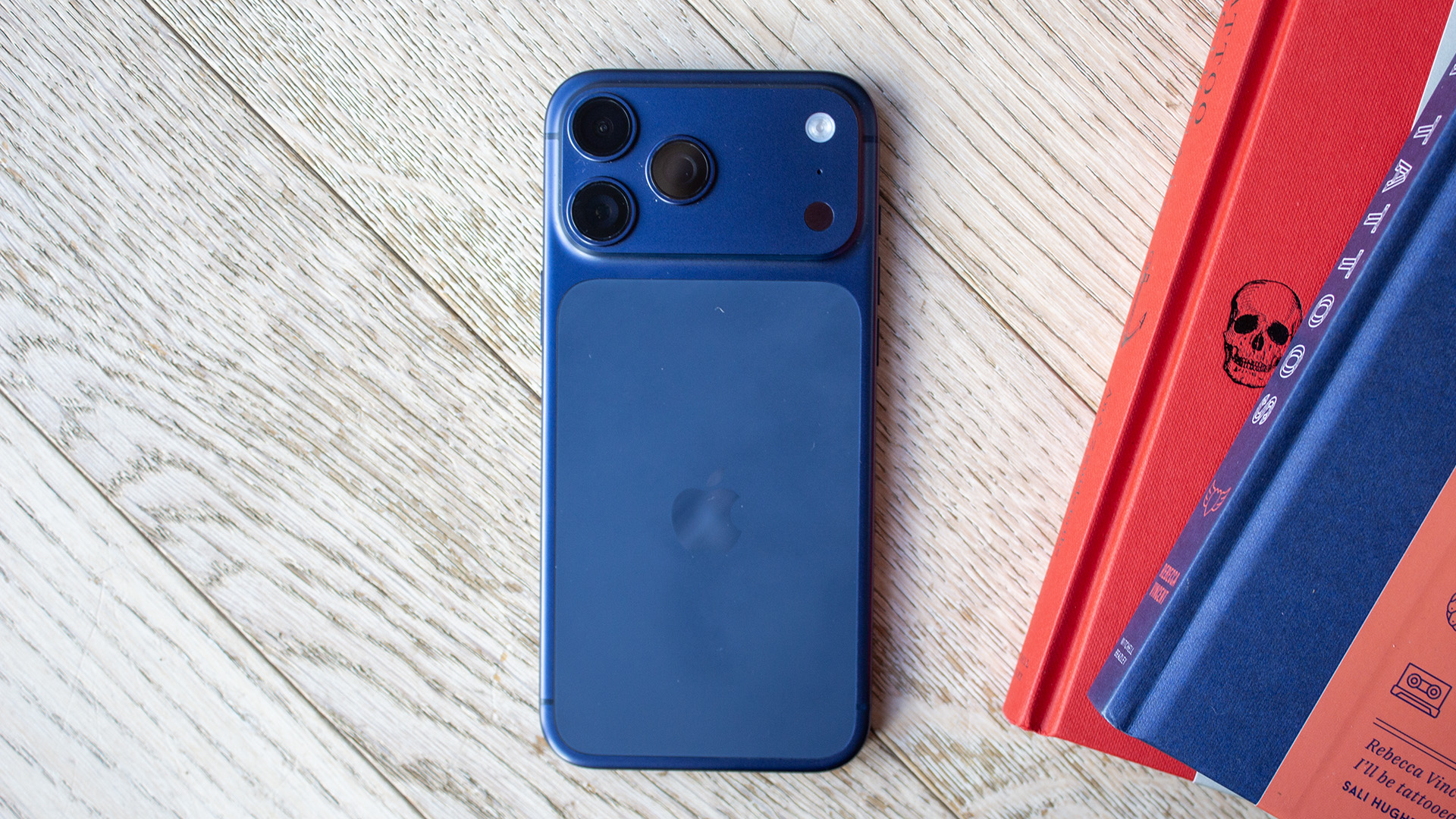
7. Apple iPhone 17 Pro Max – Best iPhone
Pros
- Great battery life
- Superb display
- Excellent performance
- Fantastic cameras
Cons
- Design might divide
- Expensive
- Heavy
Price When Reviewed:
£1,199 (256GB) | £1,399 (512GB) | £1,599 (1TB) | £1,999 (2TB)


The PCMark app we use for battery testing isn’t available on iOS, but we don’t need it to recommend an iPhone if you want long battery life.
With the loss of the Plus model to make room for the iPhone Air, the 17 Pro Max is the clear winner within the latest generation.
Apple promises that it will last for 37 hours of video playback which is impressive. While we haven’t gone to those lengths, the 17 Pro Max was a real workhorse in our testing. Long days lasting from 6am to midnight saw the phone always get through with at least 20% left in the tank.
And this is with heavier-than-usual usage due to reviewing the device. Lighter users may well get two days from it.
Apple has also improved charging to 40W, and you can get an impressive 50% in just 20 minutes with the right adapter, though, like with most phones now, you’ll have to buy this separately.
Who should buy the iPhone 17 Pro Max?
You want the latest generation of Apple phone with the best battery life (and other specs).
iPhone 17 Pro Max: Further considerations
It’s big, expensive and possibly overkill in other areas. An iPhone 16 Plus may be a better value option.
Read our full
Apple iPhone 17 Pro Max review
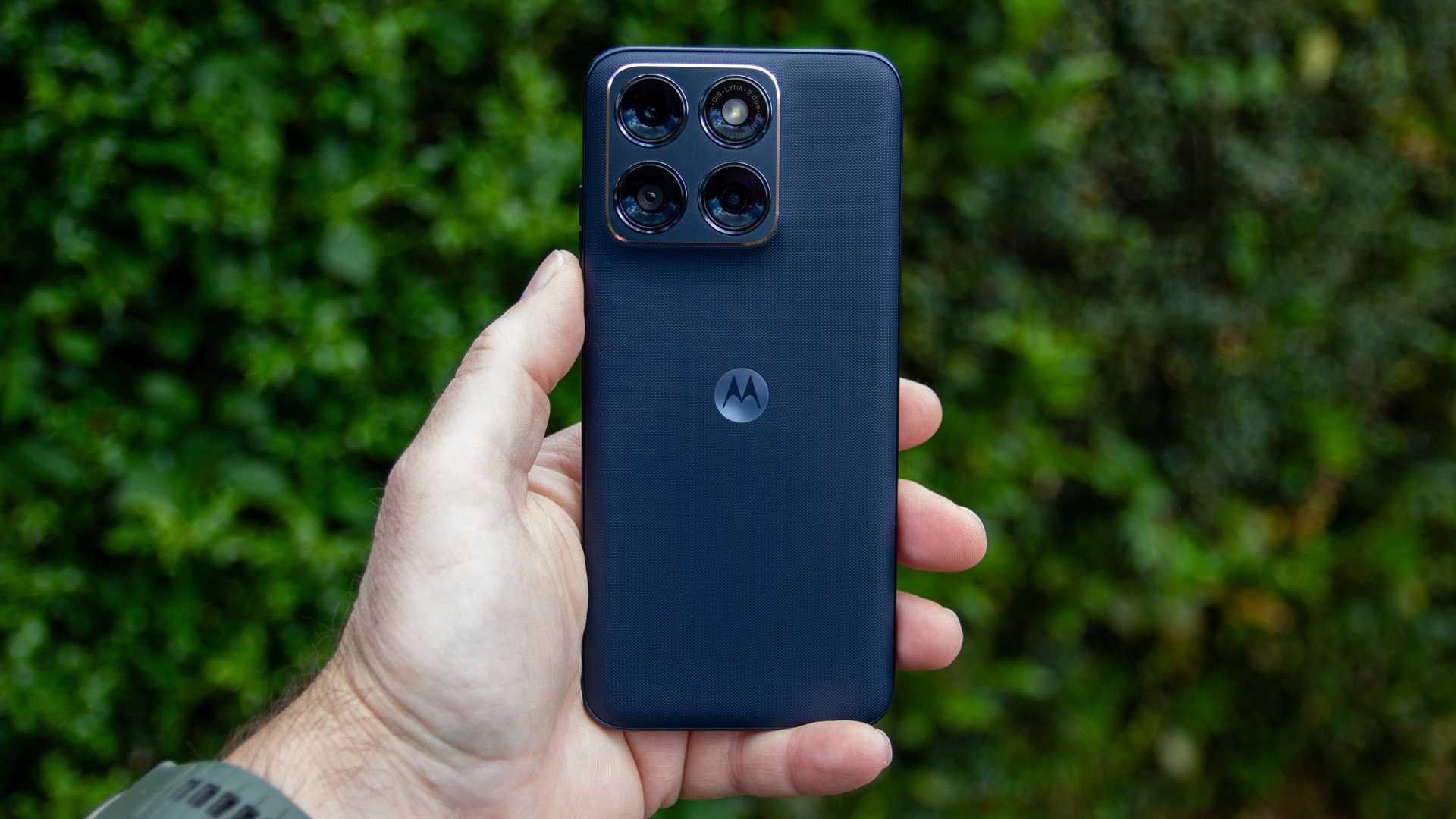
8. Motorola Edge 70 Fusion – Best Value
Pros
- Huge battery life
- High-quality display
- Unique colours and textures
Cons
- Messy AI experience
- Bloatware
- Short update offering
Price When Reviewed:
From £369.99
Best Prices Today:
If you’re shopping around the mid-range territory, are most concerned with battery life and have about £400 to spend then the Motorola Edge 70 Fusion should be your first port of call. Coming in at £379.99 (although sadly not available in the US) and with a 7,000mAh battery, this phone is meant to go for about two days between charges, so you’ll rarely have to deal with any battery anxiety with the Edge 70 Fusion in tow.
Strangely enough, there is a 5200mAh model of the phone which is available for £10 less, but the added expense is well worth it given that there are so few phones at this more affordable end of the market that can keep up with that degree of longevity. When it does come time to top up the phone, you can lean on fast 68W wired charging to get back to a full battery in no time. There’s no wireless charging to speak of but this isn’t too surprising in this price bracket.
All of this battery tech is handy to have, as you’ll probably want to use the gorgeous 6.78-inch pOLED display for all of your streaming needs once you lay your eyes on it. Colours pop in such a wonderful way, and the cascading effect on the sides of the display creates a very cinematic feeling with whatever it is you’re watching. There’s a high resolution of 2772 x 1272 which pairs with a super fast 144Hz refresh rate (although that only kicks in for certain games).
In typical Motorola fashion, the phone itself also comes in a variety of Pantone-infused colourways, which makes other handsets seem boring by comparison. It’s such a great eye for design, which unfortunately doesn’t quite carry over to the phone’s AI capabilities. The Moto AI suite still feels half-baked, and we’d rather see Motorola put more effort into expanding the long-term update cycle of its phones (you only get three years of OS updates here). You do get five years of security patches, though, so you can safely use the phone for quite some time to come.
Who should buy the Motorola Edge 70 Fusion?
Battery-obsessive buyers with a mid-range budget and a desire for a great screen.
Motorola Edge 70 Fusion: Further considerations
The bloatware/AI situation isn’t fun, and there are only three years of OS upgrades.
Read our full
Motorola Edge 70 Fusion review
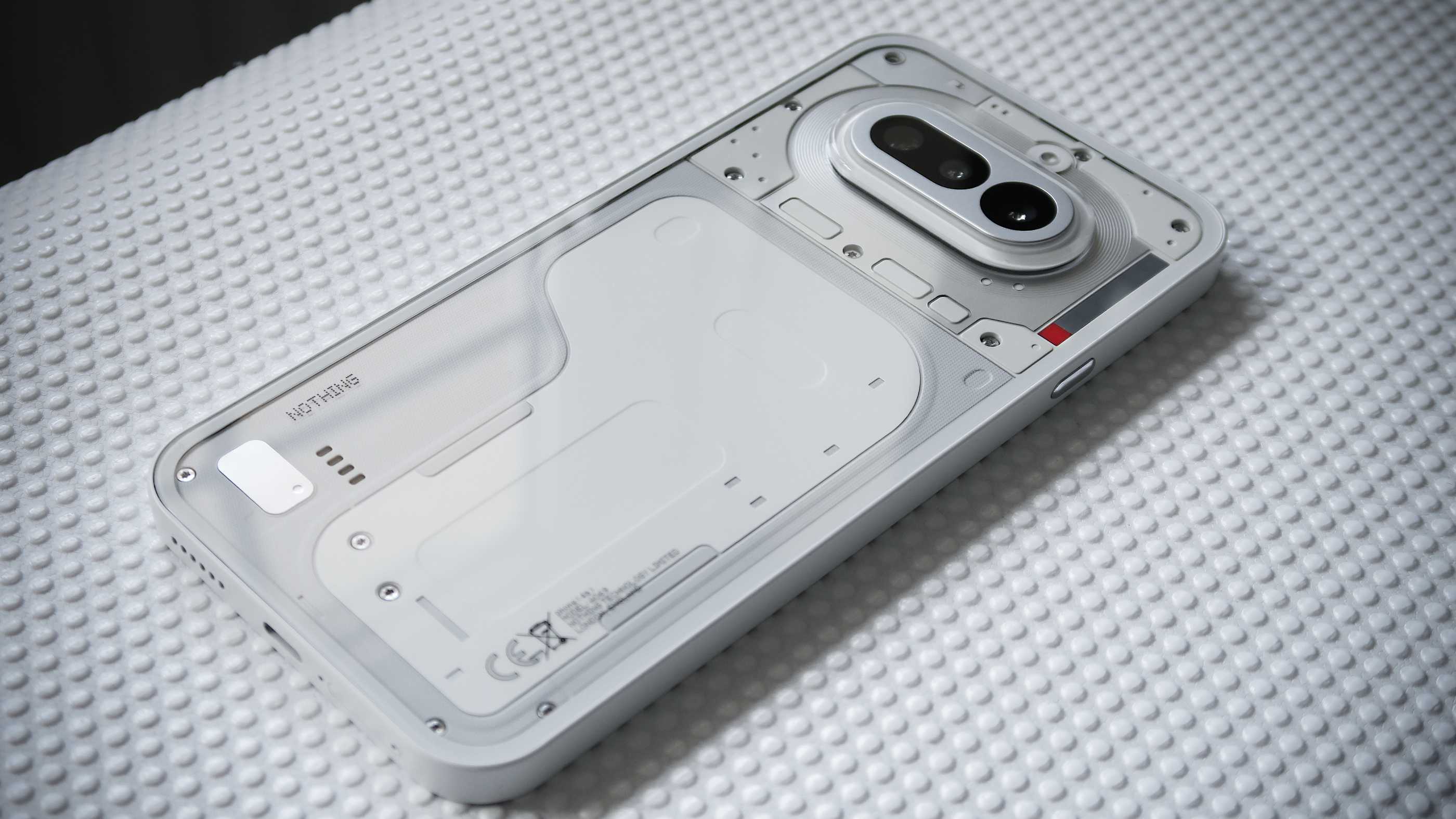
9. Nothing Phone (4a) – Best Budget
Pros
- Iconic Nothing design
- Great display
- Ad-free Nothing OS user experience
- Excellent cameras for the price
Cons
- Larger, heavier, less durable than rivals
- Minimal performance gains
- Software support could be longer
- Loses Glyph Fill Light in camera
Price When Reviewed:
From £349


- Battery test score: 18:02
- Battery capacity: 5000mAh
If the rest of the phones on this list are looking a bit mundane for your tastes, then the Nothing Phone (4a) might be the thing you’re looking for. Just like the other Nothing phones before it, the (4a) is designed to turn heads with its space-age design, and although it’s definitely a stylish device, it is certainly not without substance.
In terms of battery life, there’s a sizeable 5,080mAh cell onboard (5,400mAh if you’re buying in India), and while that might not sound like too much against the other battery champs on this list, it did lead to an impressive 17-hour and 23-minute run with the PCMark battery test. For a £349 phone, that’s not bad at all.
Also working against your expectations of a lower mid-range phone is the excellent Nothing OS. Unlike a lot of other devices around the same price point, the (4a) isn’t bogged down by bloatware, but rather the user experience is emboldened by Nothing’s iOS-like approach to system-wide colour and exclusive widgets.
There are also great rear-facing cameras, and the 6.78-inch AMOLED display is gorgeous to look at. The phone does lose a few points by not being a major overhaul on the Nothing Phone (3a) where performance and long-term software support are concerned, but this is still a brilliant handset nonetheless.
Who should buy the Nothing Phone (4a)?
Fashion-first buyers who appreciate a design that stands out.
Nothing Phone (4a): Further considerations
Not a massive difference in performance over the Nothing Phone (3a).
Read our full
Nothing Phone (4a) review
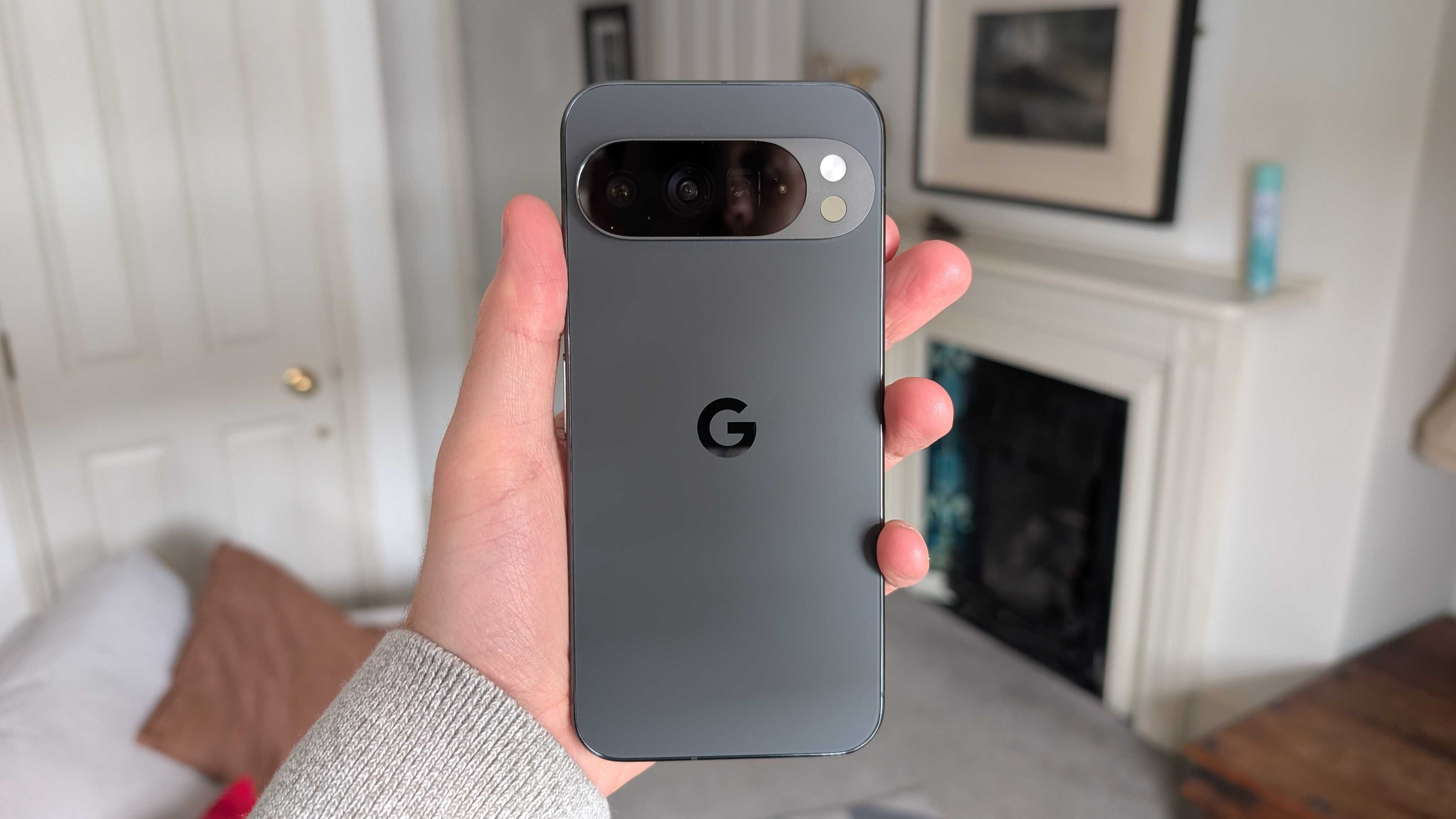
10. Google Pixel 10 Pro XL – Best Android for Magnetic Wireless Charging
Pros
- Gorgeous design and display
- Superb camera experience
- Brilliant Android 16 software with long support
- The best wireless charging on Android
Cons
- Big and bulky
- 100x zoom is disappointing
- Even more expensive
Price When Reviewed:
From £1,199

- Battery test score: 14:19
- Battery capacity: 5200mAh
Even though the Pixel 11 Pro XL has hit the scene, that phone actually packs a slightly smaller battery than its immediate predecessor, so if you’re thinking about picking up a flagship Google phone that can go the distance, your money is better spent on a Pixel 10 Pro XL. It also helps that, as a result of the phone being phased out, you can now find it for a much lower price than it originally went for at launch – not a bad thing given the price hike of the Pixel 11 range.
Powering the phone is a 5200mAh battery which is an upgrade on the 5060mAh alternative found in the 9 Pro XL. Although these numbers might sound a bit paltry in comparison to Oppo flagships which go past 7000, Google has managed to optimise the battery to work efficiently in the phone. Plus, with two battery saver modes available in the event of an emergency, you can stretch the battery life to get you back to a charging point safely. Plus, there’s reasonably fast 45W wired charging available.
On the wireless charging front, the Pixel 10 Pro XL is compatible with MagSafe-designed power banks, all thanks to Google’s own Pixelsnap technology. Aside from being handy when you want to attach the phone to things like MagSafe car mounts and camera grips, being able to wirelessly charge the 10 Pro XL efficiently means that you don’t have to worry about bringing cumbersome cables along for the ride on a day out.
Although the Oppo X9 series can outdo the Pixel 10 Pro XL on longevity, where those phones don’t quite match up is in software. ColorOS has plenty going for it, but it’s not quite as clutter-free as Google’s stock Android, which is about as close an experience to iOS as you’re going to find on Android, and the seven years of OS updates from the time of launch are exactly what you want from a flagship phone that you plan on having for the long term.
Who should buy the Pixel 10 Pro XL?
Fans of clean software who want a big-screened phone that’s easily compatible with MagSafe-style charging accessories.
Pixel 10 Pro XL: Further considerations
The phone can’t beat the likes of Oppo and Xiaomi on how long you can use it between charges.
Read our full
Google Pixel 10 Pro XL review
While the phones that currently comprise this list are our all-time favourites where battery life is concerned, that doesn’t mean that there weren’t other handsets that came very close to meeting the cut:
- Xiaomi 15T Pro – With a PCMark time of 16 hours and 39 minutes, the Xiaomi 15T Pro just missed out on the top 10. There are plenty of other great reasons to buy it, though, including gorgeous hardware, strong cameras and great performance, all for a mid-range price tag.
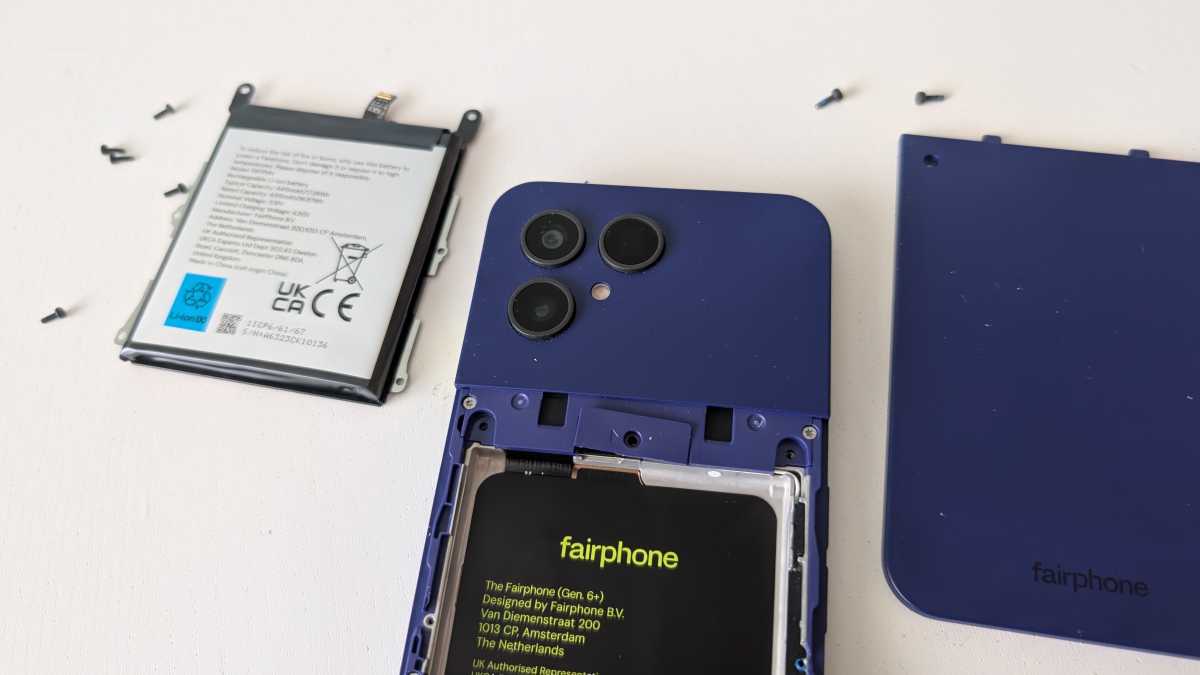
- Fairphone Gen 6 Plus – Not only the Fairphone Gen 6 Plus let you replace the battery whenever it starts to degrade (or you could carry a spare), but it also comes with a full seven years of software updates from the time of launch, making it a solid investment for those who don’t want to upgrade quite as often as everyone else.
- iPhone 16 Plus – Although Apple has unforunately retired the ‘Plus’ phone from its line-up, if you do want a fairly affordable iPhone that can actually run for up to two days between charges then the iPhone 16 Plus is a great buy. Aside from the 60Hz display, this feels like a modern iPhone with a great set of cameras, top notch performance and all the benefits of MagSafe charging.
Here are a few other handsets worth considering:
- Nothing Phone (3)
- Nothing Phone (3a)
- Motorola Edge 60 Pro
- iPhone 17
- Samsung Galaxy S26 Ultra
- CMF Phone 2 Pro
- OnePlus 15R
Mattias Inghe
Phone news that could affect your buying decision
The proliferation of silicon carbon batteries is easily the biggest change to happen to smartphone longevity in a long time. These new and more refined cells are capable of cramming more capacity into a smaller space, and we’ve seen the tech adopted by the likes of the Oppo Find X9 Pro, OnePlus 15 and Honor Magic V6, all of which have the ability to last for multiple days at a time.
Even though its recent phones were great recommendations for those who wanted a sizeable battery life above any other feature, we’ve had to remove OnePlus devices from the top 10 after the company pulled back from its Western operations, meaning that you can no longer buy OnePlus phones in the US, UK and Europe.
Can I get a better phone deal?
As with all of our best lists, the deals widgets that feature alongside each entry will give you the best prices for a phone on any given day, so you don’t have to worry about chasing down the latest bargains yourself. If you do want to spend a bit more money, then you can always hold out for one of the major sales throughout the year.
Amazon’s sales events tend to have deals on phones from across the entire price spectrum, so budget phones become even cheaper, whilst premium handsets from the likes of Apple, Samsung and Google finally get a much-needed discount, making them more accessible for most people.
If you wait until November each year, however, then you won’t have to worry about needing an Amazon Prime account to access available deals, as the Black Friday sale will kick off in earnest. This is also a great opportunity to get phone contracts at a reduced rate, as networks will offer tons of data at just a fraction of the usual cost.
Still, if you’re someone who absolutely needs to upgrade today (maybe your current phone is falling to pieces), then our round-up of the best refurbished phone deals is your best bet. You can also pair your purchase with one of the best SIM-only deals, saving you even more money in the long run.
How we test phones
The only way to properly test a phone is to use it as our own, with our personal SIM cards inserted and all. We use them 24/7 for at least a week, and often much longer. This constant hands-on testing means we really get to know the devices and support our findings with a curated selection of benchmarking apps, including PCMark’s reliable battery test.
Read more about how we test smartphones.
Why you should trust Tech Advisor for phone reviews and buying advice
Phones have been a core part of Tech Advisor’s focus since 2007, when the first iPhone was released and Android’s arrival in 2008. We’ve covered the mobile space in detail ever since, through the rollercoaster of 4G, 5G, BlackBerry, Windows Phone and much, much more. We review new phones on a weekly basis and test just about every model we can get our hands on. We have an in-house team of experts as well as many contributors, combining many decades of experience.
Who curated this article?
Our Mobile Editor, Anyron Copeman, is the caretaker of this list of top battery life phones. He spends almost all his time writing about mobile and testing countless devices. Managing Editor, Chris Martin, assists and has nearly 15 years of experience testing phones.
How to choose the best phone for battery life
In order to get a comprehensive idea of whether or not a phone can truly meet our high standards when it comes to battery life, it needs to succeed across all of our industry-standard testing.
These tests involve documenting the battery drain during everyday use, as well as how much power a phone is able to recover from 30 minutes of charging. These notes are then weighed up against the concrete data provided by the PCMark battery test, which simulates a range of tasks in real-time to see how the phone reacts to them.
The combination of all this data means that we know exactly if a company’s battery life claims are truthful, giving you the chance to see past all the marketing and know ahead of buying, whether or not a phone can keep up with your lifestyle.
Of course, all the phones featured on this list need to also be competent in other key areas such as the cameras, display tech and overall performance, as well as currently available, otherwise they won’t be included.
After all, it isn’t much use having a long-lasting battery life if a phone doesn’t give you enjoyment whilst you’re using it.
Battery life phones buying guide
How is battery capacity measured?
Battery capacity is measured in milliamp-hours (mAh). The higher the mAh of a battery, the higher its technical capacity. But the phones with the highest mAh aren’t always the phones with the best battery life.
It can depend on how efficient the phone’s processor is in conjunction with the software, as well as how much you actually use your phone. Expensive high-end phones often are faster and have better screens, but require larger batteries to compensate or suffer from reduced battery life.
What should you look out for?
When choosing a phone, it’s important to consider what you’ll likely use it for.
If you buy a larger-screened phone with a high-resolution display and a high peak brightness, those attributes are all going to affect longevity negatively compared to a phone with the same-sized battery but a smaller or lower resolution panel, for example.
Some phones may offer large batteries and great battery life, but offer underwhelming charging speeds (or the opposite), meaning recharging them at any time other than overnight may become a chore.
Decent fast charging speeds to look out for are anything over 45W, with some devices boasting 80- or over 100W, at the top end of the current range.
What do the results show?
For consistency, we’re including phones which have been tested using our most current benchmarking process, which relies on PC Mark for Android‘s Work 3.0 battery test to generate a score. The only exception is iPhones, which don’t support this app, so we do our best to factor those into the ranking based on real-world testing and experience.
It’s worth noting that these tests spit out a figure in hours and minutes, but this is not an exact indication of how long a phone will last in the real world.
In all tests, the screen brightness is set to the same level to ensure fairness and consistency (200 nits) with settings like auto brightness switched off. The phone discharges its battery as the app simulates varied usage.
For example, if a phone lasts 12:15 in a test, it lasted 12 hours and 15 minutes with the screen on and the test processes running. These figures may vary from a device’s own report of screen-on time, as usage and power management setups have an additional effect on real-world situations.