
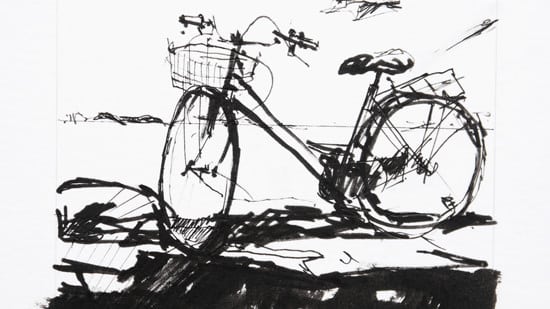
This week we’re going to bring our pen sketching skills into the urban environment.
Sketching your surroundings can be such a fantastic way to create a visual diary of your daily experiences and I’m always a sucker for a sketch of a bike.
This video tutorial looks at how you can use different thicknesses of pens to create variety in your sketches, and how thinking about the surrounding shapes outside your main subject can add context to your drawings.
A Step-by-Step Urban Sketching Lesson
How do you start a sketch?…
One of the first things to consider is the layout of the page – portrait or landscape.
For this sketch, from a side street in Florence, I wanted to use the environment to help set a context for the bike, so I went for a portrait composition.
When sketching buildings I often work from the larger abstract shapes to the smaller detailed shapes, for this demo, the method is the same.
I also wanted to illustrate how important the shapes around the main subject can be, so in this example, I’ve left the drawing of the main focus of the bike until last and drawn everything around it first.
Downloading the reference photograph
The photo below can be ‘right clicked’ and ‘Save image as’, so you can use it as a reference image, print it out and follow along with the video above.
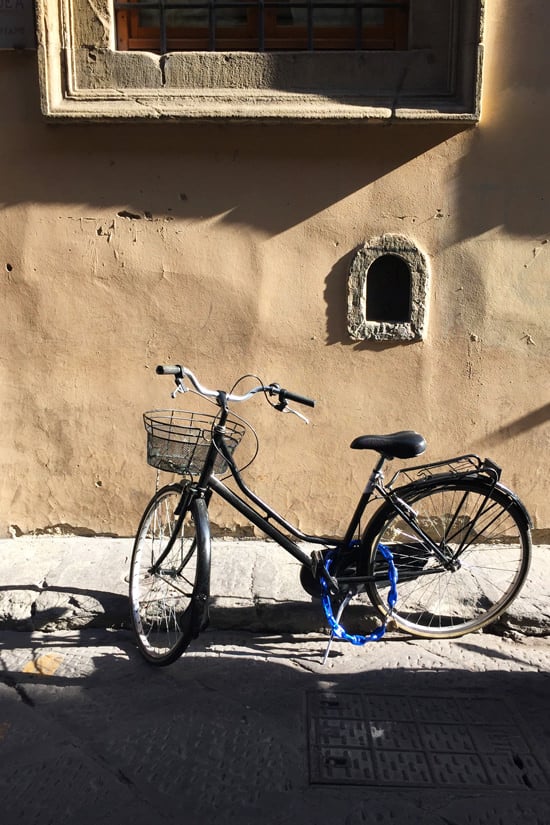
You can also download a High-Resolution Image here.
In the demo, the sketch is 6 x 4 inches (15 x 10cm)
Pro tip: I draw a light pencil rectangular guide of 6 x 4 inch on my drawing paper and positioned the reference image at the same height. That way, it’s easier for you to be able to jump your eye between the reference image and your drawing.
Materials you will need:
Paper
- A4 (UK size approx 29 x 21cm) I use a smooth Bristol board about 220gsm weight.
Pens
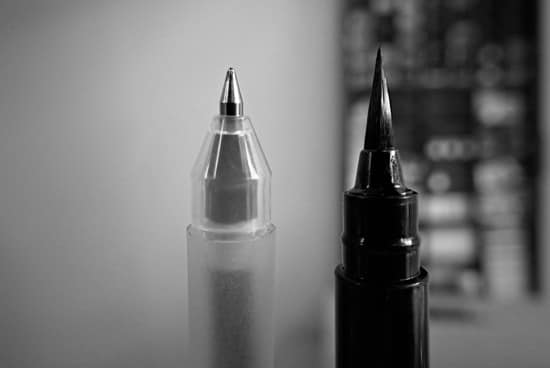
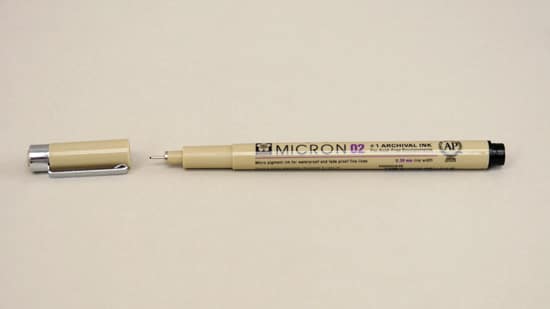
- Micron 0.2mm – Permanent fine line pen
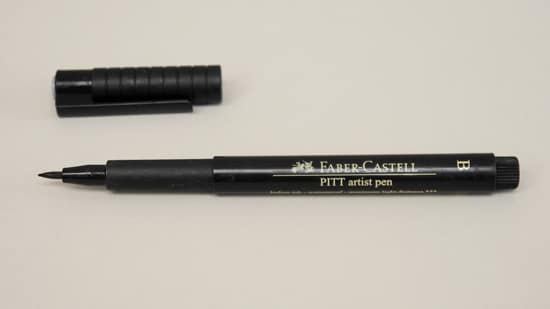
- Faber Castell PITT Artist Pen – Black permanent fibre tip pen
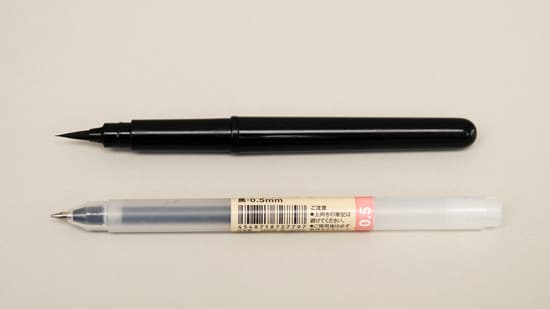
- Muji 0.5mm Fine line Pen
- Pentel Brush Pen – Permanent black brush pen
Step 1. – Framing your View
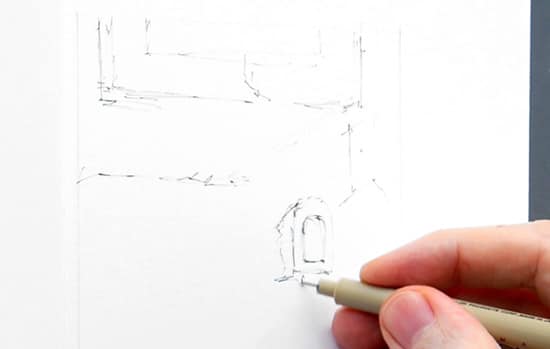
I wanted the drawing to be about the bike but use the architecture of the environment to help frame the scene and our focus.
The one thing you’ll always notice in Florence is the amazing architectural windows and doors that just seem to appear out of all of the buildings on the side streets.
By including the crumbled window within the top of the drawing frame, it helps to tell a great deal about the place and space.
The darker shadow shapes at the top and the bottom of the image roughly split the composition into thirds.
Here are a few of the elements I considered in the background:
- Framing the composition
- Giving the viewer a sense of place
- Revealing the lighting – by showing the shadow angle, adding a strong dark at the top of the frame to balance with the dark shadow at the bottom of the frame.
- Adding textural marks – in contrast to the smooth lines on the bike.
- Splitting the composition into thirds
- The edges have also been arranged to avoid a tangent of the diagonal line hitting the corner of the frame. Always check your corners.
Step 2. – Using Shadow Shapes to Describe the Subject
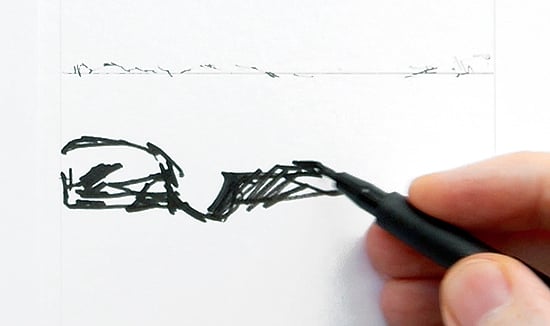
The variety in the thickness of the pen acts like using different brushes in a painting.
The choice of the nib along with the speed of the application, help to describe the material quality of what you’re drawing.
So, a fine line pen used speedily will create a broken line. Which would be perfect to indicate crumbling brickwork.
If I was to use the same pen at a slower speed I would create a more solid uniform line which wouldn’t be as effective. It’s an important consideration to match the right pen with the right speed to achieve the right effect.
I want my first lines to be purposely ghostly, thin and broken, so the first pen I use is the superfine 0.2mm micron pen which can give you a scratchy feel.
It’s like using a hard pencil, but with a pen.
So once I’d established the fines lines of the top third of the picture, I moved onto the all-important cast shadow and swap to a wider fibre tip pen. This gives a more uniform solid dark mark.
When I was taking the photograph, I noticed the bottom half of the image had a nice dark area to ‘ground’ the bike within the frame, this helped to compose the drawing and focuses the viewer on the centre of the composition.
Step 3. – Adding Texture to the Foreground
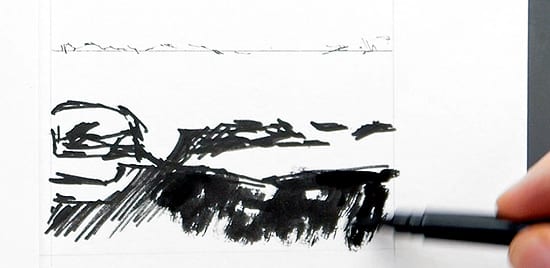
Here I swapped the brush pen and used the pen on its side so it doesn’t completely cover the paper (this effect can be more pronounced on textured paper). It gives a texture to the pen marks and an indication of the broken light hitting the pavement,
- Cast shadow reveals the shapes and angle of the wheels
- Broken dark shapes add a texture to the foreground
Where is the light coming from?
What angle does the cast shadow produce?
Where are the darkest darks and lightest lights?
Step 4. – Thin Scratchy Pens to Thick Brush Pens
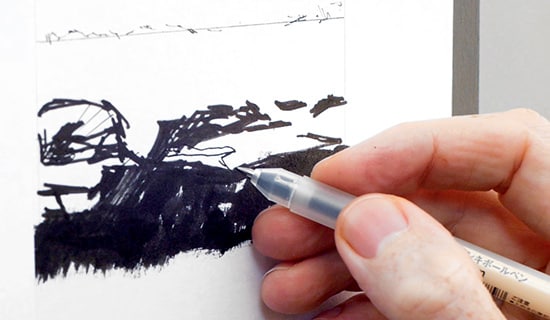
Shadow shapes can utilise thin, medium and thick lines, adding variety to the drawing of the shadows.
Step 5. – Cast Shadow Shapes
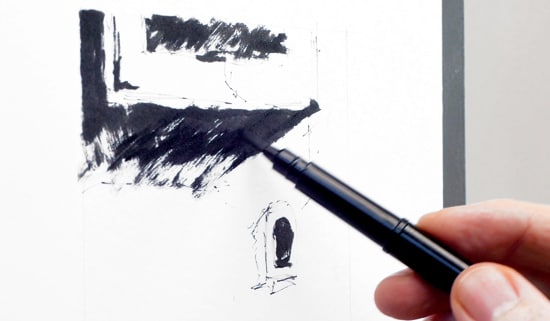
The Brush pen acts as the larger brush in the set, giving a more broken line when used quickly and a more organic feel to the marks.
Step 6. – Composing qualities of Light
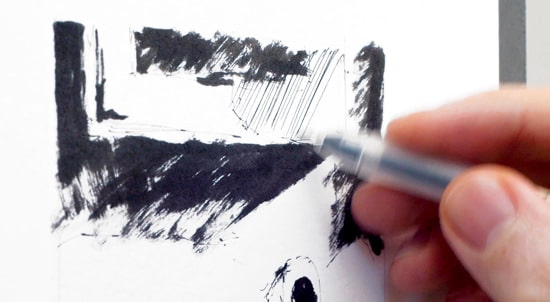
For the next stage, I use a 0.5mm Muji fine line pen.
This pen has a great flow to it and gives you an even mark if you’re working upright at an easel or quickly in a sketchbook. (It’s also available as a 0.38mm if you prefer a finer feel, Vanessa swears by the 0.38mm!)
Adding hatch lines to your drawing gives an extra texture and mark to the surface and the diagonal direction brings movement into the drawing.
Step 7. – Large Shapes to Smaller Shapes
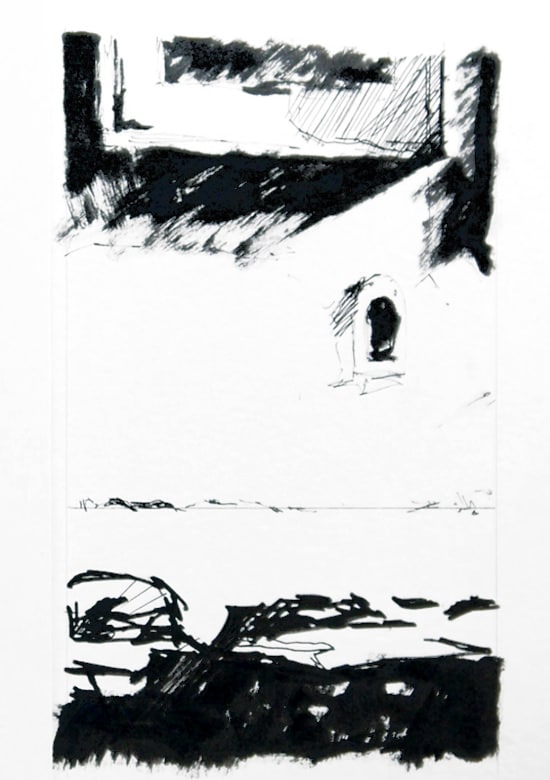
Now I’ve got the two extremes of the top and the bottom drawing in place, I can start to draw the bike.
Approaching a drawing this way:
- Establishing the shadow shapes first
- Indicating the light direction
- Checking the framing of the composition
- Adding variety in the thickness and weight of the line
Will all help to bring the final drawing together quickly and with a sense of ease!
Step 8. – Drawing Ellipses (don’t squash your edges)
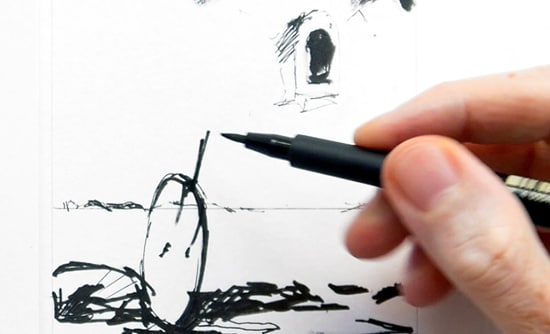
The cast shadow shape guides the drawing of the first wheel.
Here I swap to the Fibre-tip pen which acts as the perfect thickness for the bike frame.
It enables me to sketch the shape quickly.
Drawing ellipses can be a skill in itself, just watch out for ‘squashed ellipse syndrome’ where there are sharp angles at the tips of each curve.
Step 9. – Adding Detail with a Fine Line
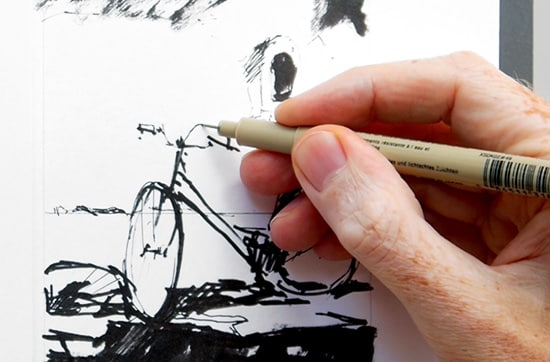
Now I can put in the detail and I swap back to the 0.2 Micron to add the super-fine lines of the bike spokes and brake cables.
Step 10. – Finishing Touches

I correct anything that grabs my eye and here we have the finished drawing:
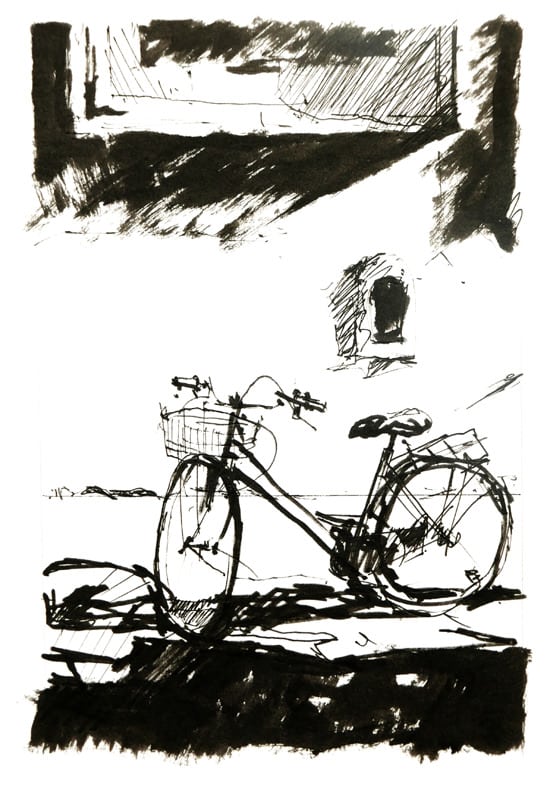
You can watch the full video tutorial (10min) below. Enjoy!
If you’d like to learn more about how to start in Urban sketching (and embrace your wonky drawing lines!) you should have a look at the New Beginners Urban Sketching Course looking forward to seeing your sketches!


