
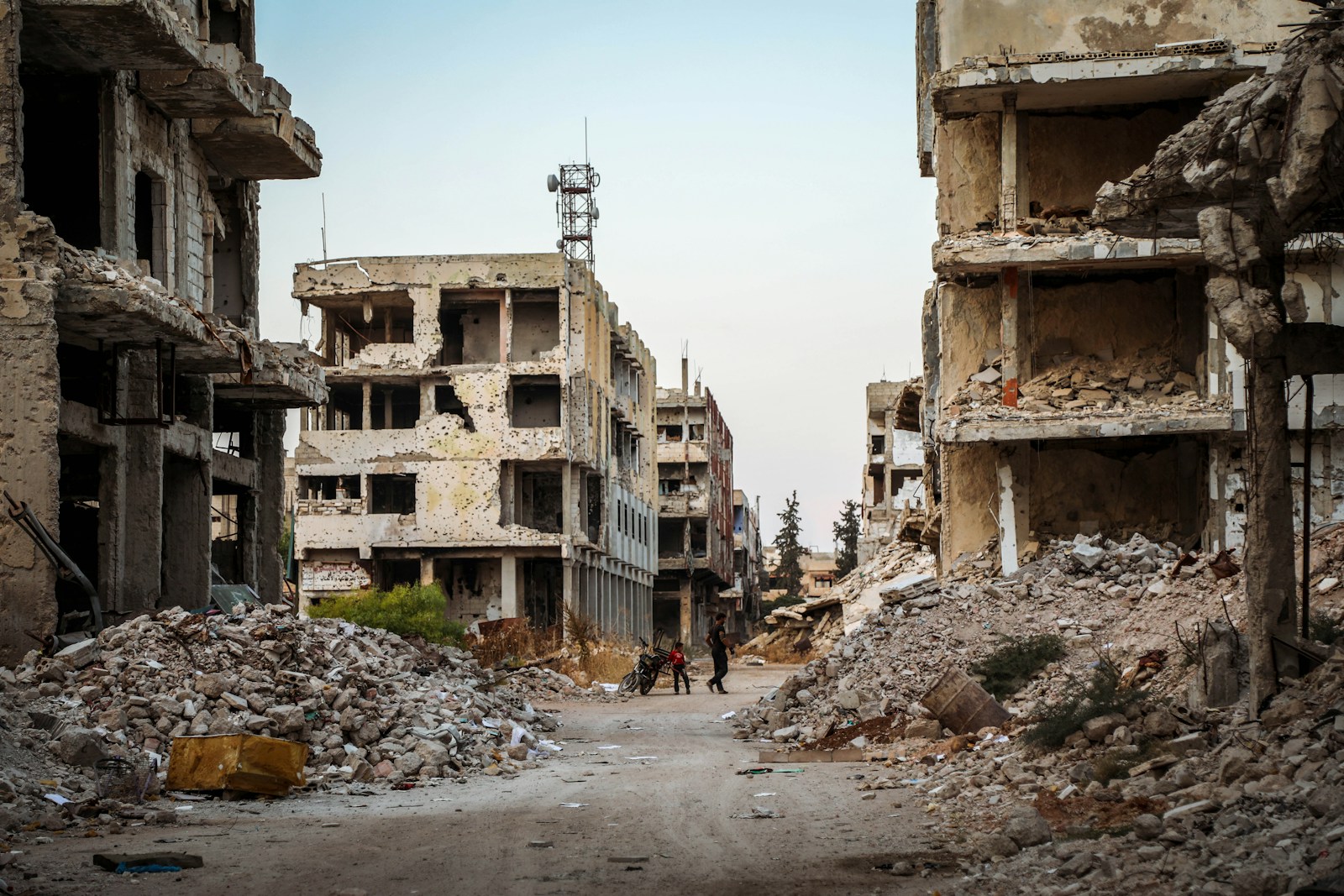
The long-standing shadow conflict between Iran and Israel erupted into direct military exchanges in April 2024, significantly escalating Middle East tensions. Amidst these developments, former U.S. President Donald Trump asserted that Iran has undergone “regime change,” adding a complex layer to the ongoing geopolitical discourse.
Background: Decades of Deep-Seated Animosity
The animosity between Iran and Israel traces its roots back to the 1979 Iranian Revolution, which transformed Iran from a U.S. and Israeli ally under the Shah into an Islamic Republic vehemently opposed to Israel’s existence. This ideological shift laid the groundwork for decades of indirect conflict and regional rivalry.
The Evolution of a Shadow War
For decades, Iran and Israel have engaged in a “shadow war” characterized by cyberattacks, assassinations, sabotage, and proxy conflicts across the Middle East. Israel views Iran’s nuclear program as an existential threat and has consistently worked to disrupt it, while Iran accuses Israel of destabilizing the region and perpetrating acts of aggression.
Iran’s “Axis of Resistance,” a network of proxy groups including Hezbollah in Lebanon, Hamas and Palestinian Islamic Jihad in Gaza, and Houthi rebels in Yemen, has been a central component of its regional strategy. These groups frequently target Israeli interests and territory, leading to retaliatory strikes from Israel. The Syrian civil war, which began in 2011, further intensified this dynamic, with Israel repeatedly striking Iranian and Hezbollah targets within Syria to prevent the entrenchment of Iranian military infrastructure near its borders.
The Nuclear Dimension
Iran’s nuclear ambitions have been a primary source of international concern and a major point of contention with Israel. The 2015 Joint Comprehensive Plan of Action (JCPOA), or Iran nuclear deal, aimed to curb Iran’s nuclear program in exchange for sanctions relief. However, the U.S. withdrawal from the deal in 2018 under the Trump administration and subsequent reinstatement of sanctions led Iran to gradually step back from its commitments, increasing its uranium enrichment levels and stockpiles. Israel has consistently opposed any Iranian nuclear program, viewing it as a direct threat to its security.
Regional Flashpoints and the Gaza War
The October 7, 2023, attacks by Hamas on Israel and the subsequent Israeli military operation in Gaza dramatically intensified regional tensions. This conflict drew in various actors, with Hezbollah engaging in cross-border skirmishes with Israel, Houthi rebels attacking shipping in the Red Sea, and Iranian-backed militias targeting U.S. forces in Iraq and Syria. The volatile situation created a backdrop for a potential direct confrontation between Iran and Israel, moving beyond the traditional proxy warfare.
Key Developments: Direct Confrontation and Political Claims
The long-simmering tensions between Iran and Israel reached a critical juncture in April 2024, marking a significant departure from their historical pattern of indirect conflict.
Damascus Consulate Strike and Iranian Retaliation
On April 1, 2024, an airstrike attributed to Israel targeted the Iranian consulate in Damascus, Syria. The strike killed several high-ranking Iranian military officials, including Brigadier General Mohammad Reza Zahedi, a senior commander in the Islamic Revolutionary Guard Corps (IRGC) Quds Force. Iran vowed a strong response, viewing the attack as a direct assault on its sovereign territory.
Two weeks later, on April 13, Iran launched an unprecedented direct attack on Israel, dubbed “Operation True Promise.” Hundreds of drones and missiles were fired from Iranian territory towards Israel. The vast majority of these projectiles were intercepted by Israel’s multi-layered air defense systems, including the Iron Dome, Arrow, and David’s Sling, with assistance from the United States, United Kingdom, France, and Jordan. While the attack caused minimal damage, it represented a significant escalation, being the first time Iran directly targeted Israel from its own soil.
Israel’s Measured Response
In the aftermath of the Iranian attack, international pressure mounted on Israel to de-escalate. Despite calls for restraint from global leaders, Israel conducted a limited retaliatory strike on April 19, targeting an airbase near Isfahan, Iran. Reports suggested the strike involved drones and possibly missiles, with Iranian officials downplaying its significance and indicating no major damage. This measured response appeared designed to signal Israel’s capability while avoiding a wider regional war.
Donald Trump’s “Regime Change” Claim
Amidst these escalating military exchanges, former U.S. President Donald Trump made a notable claim regarding Iran’s internal state. During a public statement, Trump asserted that Iran “has undergone regime change.” This declaration, made without specific substantiation, generated considerable discussion.
The context of Trump’s statement likely refers to his administration’s “maximum pressure” campaign against Iran, which involved severe economic sanctions and diplomatic isolation, aimed at forcing a change in the Iranian government’s behavior or structure. While there have been significant internal protests and economic challenges within Iran, no formal “regime change” in terms of a change in governing leadership or political system has occurred. Trump’s comment could be interpreted as a rhetorical assertion of the impact of his policies or a prediction of future instability rather than a factual declaration of a completed political transition. It underscored the ongoing international debate about Iran’s future and the effectiveness of external pressure.
International Reactions and Diplomatic Efforts
The direct exchanges between Iran and Israel triggered widespread international condemnation and urgent calls for de-escalation. The United Nations Security Council held emergency sessions, and G7 leaders convened to coordinate a response, emphasizing the need to prevent a full-scale regional war. The United States, while reaffirming its unwavering support for Israel’s security, actively worked to prevent a further escalation, urging both sides to exercise restraint. European nations also called for calm, expressing deep concern over the potential for a broader conflict with devastating consequences.
Impact: Regional Instability and Global Repercussions
The direct confrontation between Iran and Israel, coupled with the ongoing Gaza war and related regional skirmishes, has profound implications for the Middle East and beyond.
Heightened Risk of Regional War
The most immediate and severe impact is the significantly increased risk of a wider regional war. The direct exchange of fire between Iran and Israel shattered previous norms, demonstrating a willingness to escalate beyond proxy conflicts. Any further miscalculation or retaliatory strike could quickly draw in other regional actors, including Hezbollah, Syria, and Iranian-backed militias in Iraq and Yemen, potentially leading to a multi-front conflict.
Economic Volatility
Global energy markets are highly sensitive to Middle East instability. The escalation immediately triggered concerns about oil supply disruptions, leading to fluctuations in crude oil prices. A prolonged or expanded conflict could severely impact global oil production and transit routes, particularly through the Strait of Hormuz, a critical chokepoint for a significant portion of the world’s oil supply. Shipping in the Red Sea, already disrupted by Houthi attacks, would face further threats, driving up insurance costs and impacting global trade.
Humanitarian Crisis Amplification
The existing humanitarian crises in Gaza, Yemen, and Syria would be severely exacerbated by a broader conflict. Civilian populations would face increased displacement, food insecurity, and loss of life. Aid efforts would become even more challenging, and the potential for refugee flows to neighboring countries and Europe would rise dramatically.

Political Pressure and Internal Dynamics
Leaders in both Iran and Israel face immense internal and external pressure. In Israel, Prime Minister Benjamin Netanyahu’s government is under scrutiny for its handling of the Gaza war and its security strategy. In Iran, the regime grapples with economic hardship, internal dissent, and the need to project strength externally while managing the risks of direct confrontation with Israel and its allies. Donald Trump’s “regime change” comment, regardless of its factual basis, highlights the perceived internal vulnerabilities of the Iranian government.
International Diplomacy and Alliances
The crisis has tested international diplomatic frameworks and alliances. The United States finds itself navigating a delicate balance between supporting its key ally Israel and preventing a regional conflagration. The unity of global powers in condemning escalation and urging restraint is crucial, but diverging national interests can complicate concerted action. Regional alliances, such as the Abraham Accords, could be strained or strengthened depending on the trajectory of the conflict.
What Next: Pathways and Perils
The immediate future of the Iran-Israel confrontation remains precarious, balanced between the potential for de-escalation and the ever-present threat of further escalation.
De-escalation Efforts and Diplomatic Pathways
Following the limited Israeli response, both sides appear to have signaled a temporary pause in direct military action. This period offers a window for intense diplomatic efforts aimed at de-escalation. International actors, including the United States, European Union, United Nations, and regional powers like Qatar and Egypt, are likely to continue back-channel communications and public calls for restraint. The focus will be on preventing further retaliatory cycles and reinstating a degree of deterrence without triggering a full-scale war.
However, the underlying issues—Iran’s nuclear program, its regional proxy network, and Israel’s security concerns—remain unresolved. Any sustained de-escalation would require addressing these fundamental disagreements, a task that has historically proven intractable.
Risk of Renewed Escalation
Despite the current pause, the risk of renewed escalation is significant. Any perceived provocation, such as an Israeli strike on Iranian assets in Syria or an attack by an Iranian-backed proxy group, could trigger another round of direct retaliation. Miscalculation, accidents, or internal political pressures could also push either side towards further military action. The ongoing conflict in Gaza remains a major flashpoint, and any significant development there could spill over into the broader Iran-Israel dynamic.
The Role of Major Powers
The United States’ posture will be critical. Washington’s ability to balance its unwavering support for Israel with its strategic interest in preventing a regional war will heavily influence the trajectory of the conflict. The upcoming U.S. presidential election could also introduce new variables, with potential shifts in foreign policy approaches depending on the outcome. Other global powers, particularly China and Russia, while having their own interests, generally favor regional stability and could exert influence to prevent a wider war.
Internal Dynamics and Regional Realignment
In Iran, the regime’s internal stability will be a factor. Economic pressures and public discontent could influence its foreign policy decisions, potentially leading to either more aggressive posturing to divert attention or a more cautious approach to avoid further strain. In Israel, the political future of the current government and the demands of its security establishment will shape its responses.
Regionally, the crisis could lead to a further hardening of alliances and divisions. Arab states that have normalized relations with Israel might find their positions complicated, while those aligned with Iran may feel emboldened or pressured. The long-term implications for regional security architecture, including potential new defensive alliances or intensified rivalries, are profound.
Ultimately, the path forward for Iran and Israel is fraught with peril. While a full-scale regional war has been narrowly averted for now, the underlying tensions and the willingness to engage in direct confrontation suggest that the Middle East remains on a knife-edge, with the potential for further, more devastating, escalations looming.


