chiang rai leaders

Chiang Rai Leaders Back New Festival Tourism Project to Bring Visitors

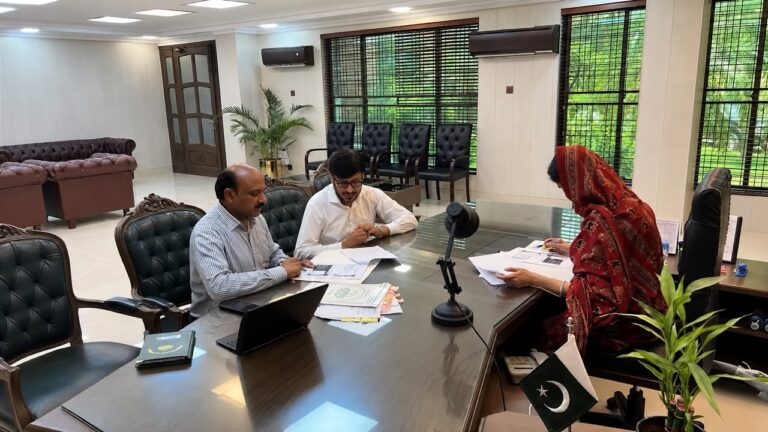
CHIANG RAI – Provincial Administration in Chiang Rai took a big step to boost local travel on July 8, 2026. Deputy Governor Norasak Suksomboon welcomed a team of researchers to the City Hall. The experts came from Thammasat University’s Lampang Center to discuss a major new plan.

They met to talk about a project that will upgrade festival tourism across four provinces. This travel cluster includes the provinces of Lampang, Lamphun, Phayao, and Chiang Rai. The goal is to bring more visitors to these areas and help local businesses grow.

Key Takeaways

  • Chiang Rai’s Deputy Governor met with Thammasat University researchers to discuss a new travel project.
  • The plan aims to improve festival tourism in Lampang, Lamphun, Phayao, and Chiang Rai.
  • The primary goal is to grow the local economy by working with public and private groups.

This ambitious tourism project is not happening alone. It is backed by government research funds and private partners like Veritrans International. By working together, these groups want to build a much better system for local travel.

The research team shared their main goals during the morning meeting. They explained how they plan to make local festivals more popular and profitable. In return, they asked the Deputy Governor for his thoughts and advice on the matter.

Gathering feedback from local leaders is a vital part of the plan. The researchers need to know what rules and policies are already in place. This clear communication will help them create a plan that truly fits the needs of Northern Thailand.

Building on Rich Cultural Traditions

Northern Thailand is famous for its beautiful culture and unique traditions. The new project wants to use these local strengths to attract more tourists. By doing this, they can add real economic value to the region’s cultural events.

The meeting at City Hall was a great start to this teamwork. It shows that both the local government and schools want to make a real difference. They believe that better, well-planned festivals will lead to a much stronger regional economy.

A main focus is to make sure this economic growth lasts for a long time. Leaders do not just want a quick, short-term boost in visitor numbers. Instead, they want to create sustainable tourism that helps the community for many years to come.

As this research moves forward, tourists might see exciting changes very soon. Local festivals could become better organized and much easier to visit. This would make the four northern provinces a top choice for travelers from all over the world.

For now, the research team will use the feedback from Chiang Rai to guide their next steps. They will keep studying the absolute best ways to promote these local events. Soon, we might see a whole new side of festival tourism in the North.

Trending News:

Chiang Rai Gears Up for El Niño: Provincial Administration Takes Proactive Steps

Inside Thailand’s $50 Billion Tourism Empire and the Hidden Economy


Similar Posts

  • |

    PSX sheds over 1,800 points as US-Iran peace deal uncertainty triggers selling

    KARACHI: Selling pressure intensified at the Pakistan Stock Exchange (PSX) on Tuesday, with the benchmark KSE-100 Index suffering a sharp decline as investors turned cautious amid growing uncertainty surrounding the prospects of a near-term peace agreement between the United States and Iran. By 1:24pm, the benchmark index had dropped 1,806.12 points, or 0.89%, to 178,896.29, compared with the previous close of 180,502.44. The decline reflected widespread profit-taking and fresh selling across several key sectors of the market. The KSE-100 started the session at 180,502.44 and initially moved higher, reaching an intraday peak of 180,602.44. However, the early gains failed to hold as investors began offloading positions, pushing the index steadily lower. During the session, the benchmark touched an intraday low of 178,488.91, highlighting the intensity of selling activity. At one stage, the index was down 1,545.52 points, or 0.86%, at 178,956.92, before losses widened further. Market sentiment was affected by renewed uncertainty over the possibility of a diplomatic breakthrough between Washington and Tehran. Investors remained concerned that prolonged tensions could create additional risks for energy supplies and regional trade, particularly if disruptions affect major oil-producing and transportation routes. The rise in international oil prices added another layer of concern for investors. Higher crude prices can increase Pakistan’s import bill and place additional pressure on external-sector balances, while also raising concerns about inflationary pressures and corporate costs. The selling was not confined to a single segment. Significant weakness was witnessed in automobile assemblers, cement manufacturers, commercial banks, oil and gas exploration companies, oil marketing companies and power generation firms. The broad-based nature of the decline suggested that investors were adopting a cautious stance rather than selectively rotating into individual sectors. Market participants appeared particularly sensitive to developments in global geopolitics and their potential implications for commodity prices and Pakistan’s macroeconomic outlook. Trading activity, meanwhile, remained robust despite the decline in the benchmark. Around 358.21 million shares had changed hands by midday, while the total traded value stood at approximately Rs22.47 billion, indicating considerable participation from investors. The latest decline came after the KSE-100 ended the previous trading session at 180,502.44, leaving the index vulnerable to profit-taking following its recent strong performance. Tuesday’s movement therefore reflected a combination of investor caution, external geopolitical concerns and selling in major market segments. Analysts and market participants are expected to closely monitor developments on the US-Iran front, movements in international crude oil prices and domestic economic indicators for direction in the coming sessions. Any improvement in geopolitical sentiment or a renewed expectation of progress toward a peace agreement could help restore confidence, while further escalation and sustained increases in global oil prices could continue to weigh on equities.

  • |

    Oil prices rise as Middle East conflict deepens

    Global oil prices edged higher on Wednesday as escalating tensions in the Middle East renewed fears of supply disruptions and pushed investors to closely monitor developments in the region. Brent crude futures rose to $91.51 per barrel, while US West Texas Intermediate (WTI) crude increased to $84.64 per barrel in early trading. The gains came after oil prices reached a five-week high in the previous session. The latest rise followed another round of US military strikes inside Iran. American forces carried out attacks on Iranian military targets for the 11th consecutive night, highlighting the continued escalation of the conflict. At the same time, Kuwaiti authorities reported that air defense systems intercepted Iranian drones, adding to growing concerns that the conflict could spread further across the Gulf region. The continued exchange of attacks between Iran and the United States has heightened fears over the security of global energy supplies. Investors worry that any disruption in oil-producing regions or major shipping routes could tighten supplies and drive prices even higher. Additional pressure on energy markets came after Yemen’s Houthi movement announced a naval blockade targeting Saudi Arabia and warned that ships transporting Saudi oil through the Bab el-Mandeb Strait could face attacks. The Bab el-Mandeb Strait is one of the world’s most important maritime trade routes and serves as a key passage for oil shipments from the Middle East to international markets. The route has become increasingly important as traffic through the Strait of Hormuz has declined amid the worsening regional conflict. Energy analysts say that any disruption in either of these strategic waterways could significantly affect global oil supplies, increase shipping costs and create further volatility in international energy markets. Meanwhile, US Defense Secretary Pete Hegseth said the military campaign against Iran has so far cost the United States $37.5 billion, reflecting the growing financial burden of the prolonged conflict. Market participants are also monitoring supply data from the United States. Industry figures showed that US crude oil and distillate inventories increased during the previous week, while gasoline stockpiles declined, indicating mixed signals about fuel demand and supply conditions. Investors are now awaiting official inventory data from the US Energy Information Administration, which could provide further insight into supply trends and influence the direction of oil prices.

  • |

    DC approves Rs4.14 billion District Health Authority budget for FY2026-27

    GUJRAT: Deputy Commissioner and Administrator District Health Authority (DHA) Gujrat Noor-ul-Ain Qureshi has approved a budget of more than Rs4.14 billion for the District Health Authority for the financial year 2026-27, with the largest allocation earmarked for salaries of healthcare workers and a significant share reserved for the uninterrupted supply of medicines in government health facilities. The budget was approved during a meeting chaired by the deputy commissioner at her office on Wednesday. The meeting was attended by Chief Executive Officer Health Dr Syed Atta ul Munim, Deputy Director Budget Health, and other relevant officials, who reviewed the proposed allocations and expenditure plan for the upcoming fiscal year. According to officials, the total approved budget stands at Rs4,141,211,000, covering salaries, medicines, utilities, contractual staff payments, recruitment and repair of health facilities across the district. Officials informed the meeting that Rs3.274 billion has been allocated for salaries and allowances of doctors, nurses, paramedics and other employees serving in the district health system. The allocation constitutes the largest portion of the annual budget and is aimed at ensuring uninterrupted payment of salaries to healthcare staff working in hospitals and primary healthcare facilities. A sum of Rs400 million has been reserved for the procurement and uninterrupted supply of medicines to government healthcare institutions, including the District Headquarters Hospital, Tehsil Headquarters Hospitals, Rural Health Centres (RHCs), Basic Health Units (BHUs) and other public health facilities operating under the District Health Authority. The meeting was further informed that Rs104 million has been allocated for the payment of electricity, gas, water and other utility bills to ensure smooth functioning of health institutions across the district. An additional Rs60 million has been earmarked for payments to doctors serving under the lump-sum pay package, enabling the authority to continue services in facilities where contractual medical professionals are performing duties. Officials also briefed the meeting that the remaining funds would be utilised for Expanded Programme on Immunisation (EPI) recruitments, repair and rehabilitation of healthcare facilities, and other operational requirements aimed at strengthening service delivery throughout the district. Deputy Commissioner Noor-ul-Ain Qureshi directed the health authorities to ensure transparent utilisation of public funds and stressed that every allocation should directly contribute to improving healthcare services for citizens. She emphasised the need for strict financial discipline and instructed officers to closely monitor expenditure throughout the financial year. The meeting also reviewed priority areas requiring financial support and discussed measures to maintain uninterrupted healthcare services in both urban and rural areas of the district. The approval of the annual budget comes as the District Health Authority seeks to improve service delivery, maintain essential medical supplies and address operational needs across Gujrat’s public healthcare network. Officials expressed confidence that timely release and efficient utilisation of funds would help strengthen healthcare services and improve access to treatment for residents across the district during the 2026-27 fiscal year.

  • |

    Pakistan unveils new oil import framework to attract global suppliers

    ISLAMABAD: Pakistan has decided to introduce a new policy framework aimed at facilitating international oil suppliers, improving the availability of petroleum products and strengthening the country’s energy security. Under the proposed Import Policy 2026 through Customs-Bound Storage, foreign petroleum suppliers will be allowed to bring oil and petroleum products into Pakistan and place them in customs-controlled storage facilities without immediately becoming liable for domestic duties and taxes. The new mechanism is designed to provide greater flexibility to international suppliers while creating an additional buffer of petroleum stocks within the country. Suppliers will be able to retain their products in designated customs-bound storage facilities and subsequently decide whether to sell the stocks in Pakistan or re-export them to other destinations. According to the proposed framework, international suppliers will be able to supply petroleum products to local oil marketing companies (OMCs) and refineries when market conditions and domestic requirements warrant such sales. Alternatively, they may re-export the products without necessarily having to enter them into the domestic market. The policy is expected to create a more flexible operating environment for global oil traders and suppliers, potentially encouraging them to establish a stronger presence in Pakistan’s petroleum supply chain. The customs-bound storage mechanism would also allow petroleum products to be stored in the country while remaining under customs control. This could help suppliers manage their inventories more efficiently and respond more quickly to changes in domestic demand. Officials and policymakers see the proposed framework as a step towards improving Pakistan’s petroleum supply security, particularly during periods of heightened international market volatility or disruptions in global energy supplies. The availability of additional stocks within the country could also help reduce the risk of sudden supply shortages by providing a readily accessible reserve that can be released into the domestic market when required. For local oil marketing companies and refineries, the framework could broaden their access to international suppliers and create additional options for sourcing petroleum products. Increased competition among suppliers may also contribute to greater efficiency in the petroleum import and distribution system. The initiative is part of broader efforts to modernise Pakistan’s oil import arrangements and make the energy sector more responsive to changing international market conditions. By allowing foreign suppliers to maintain petroleum inventories under customs control, the government aims to strike a balance between facilitating international trade and maintaining regulatory oversight of products entering the country. The new policy framework is expected to establish clearer procedures governing the import, storage, domestic sale and re-export of petroleum products, while providing international suppliers with greater commercial flexibility.

Leave a Reply

Your email address will not be published. Required fields are marked *