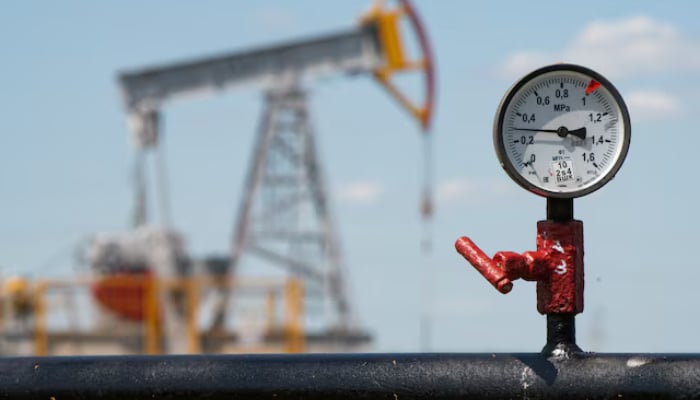
Oil prices rise as Middle East conflict deepens
Global oil prices edged higher on Wednesday as escalating tensions in the Middle East renewed fears of supply disruptions and pushed investors to closely monitor developments in the region.
Brent crude futures rose to $91.51 per barrel, while US West Texas Intermediate (WTI) crude increased to $84.64 per barrel in early trading. The gains came after oil prices reached a five-week high in the previous session.
The latest rise followed another round of US military strikes inside Iran. American forces carried out attacks on Iranian military targets for the 11th consecutive night, highlighting the continued escalation of the conflict.
At the same time, Kuwaiti authorities reported that air defense systems intercepted Iranian drones, adding to growing concerns that the conflict could spread further across the Gulf region.
The continued exchange of attacks between Iran and the United States has heightened fears over the security of global energy supplies. Investors worry that any disruption in oil-producing regions or major shipping routes could tighten supplies and drive prices even higher.
Additional pressure on energy markets came after Yemen’s Houthi movement announced a naval blockade targeting Saudi Arabia and warned that ships transporting Saudi oil through the Bab el-Mandeb Strait could face attacks.
The Bab el-Mandeb Strait is one of the world’s most important maritime trade routes and serves as a key passage for oil shipments from the Middle East to international markets. The route has become increasingly important as traffic through the Strait of Hormuz has declined amid the worsening regional conflict.
Energy analysts say that any disruption in either of these strategic waterways could significantly affect global oil supplies, increase shipping costs and create further volatility in international energy markets.
Meanwhile, US Defense Secretary Pete Hegseth said the military campaign against Iran has so far cost the United States $37.5 billion, reflecting the growing financial burden of the prolonged conflict.
Market participants are also monitoring supply data from the United States. Industry figures showed that US crude oil and distillate inventories increased during the previous week, while gasoline stockpiles declined, indicating mixed signals about fuel demand and supply conditions.
Investors are now awaiting official inventory data from the US Energy Information Administration, which could provide further insight into supply trends and influence the direction of oil prices.