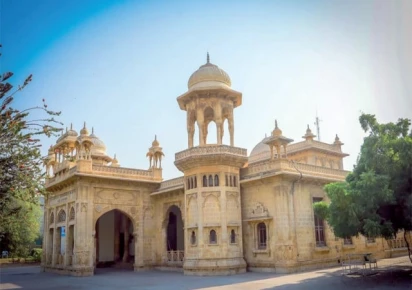
karachi court orders
| | |

Karachi Court orders Mir Ali Raza’s exhumation

KARACHI: A judicial magistrate’s court in Karachi has approved a plea seeking the exhumation of businessman Mir Ali Raza’s body, directing the Sindh Health Secretary to immediately constitute a medical board to oversee the process.

The Judicial Magistrate (East) announced the decision on Thursday after reserving its verdict following arguments from both sides. The court instructed the relevant authorities to complete the exhumation as soon as possible to facilitate a fresh medical examination.

During the hearing, counsel for the petitioner argued that the police had no legal grounds to object to the exhumation, maintaining that the procedure would be carried out under the supervision of the Police Surgeon and the Medical Legal Officer (MLO), as required under the law.

The lawyer further informed the court that the Police Surgeon had identified several deficiencies in the initial post-mortem report. According to the submissions, no X-rays were conducted, the exact cause of death was not conclusively established, and the report was allegedly prepared on assumptions rather than comprehensive medical findings.

The court questioned how such an order could be passed without first issuing notice to the investigating officer. In response, the government prosecutor stated that the prosecution had no objection to the exhumation, describing the matter as one involving the search for the truth in a human life.

The petitioner’s counsel argued that notifying the investigating officer at this stage could unnecessarily delay the proceedings and affect the timely collection of forensic evidence.

After noting the prosecution’s no-objection stance, the court accepted the family’s application and directed the Health Secretary to form a medical board without delay. The board will supervise the exhumation and carry out the necessary medical examination to help determine the cause of death more accurately.

The case has drawn public attention following questions raised by the deceased’s family over the circumstances surrounding Mir Ali Raza’s death and the quality of the initial forensic investigation.

The court’s decision is expected to pave the way for an independent medical review, with the findings likely to play a significant role in the ongoing investigation. Authorities are now expected to begin the legal and administrative process required to carry out the exhumation under official supervision.
Similar Posts

  • | |

    Maduro set for new US court hearing in trafficking…

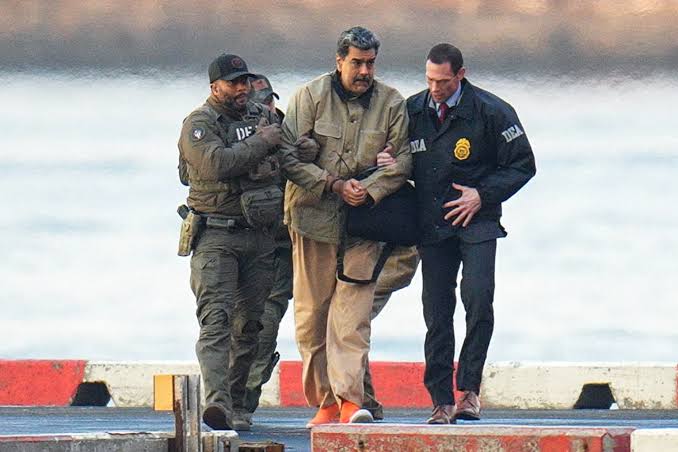
    Venezuela’s ousted President Nicolas Maduro and his wife Cilia Flores are scheduled to appear back in a US courtroom Wednesday for a hearing focused on the upcoming schedule in their drug trafficking case, including discussion of a possible trial start date in June 2027. The hearing before US District Judge Alvin Hellerstein is set to begin at noon Eastern time in Manhattan federal court and could offer insight into the next steps in what has become one of the most high profile and consequential criminal cases in recent US history. Lawyers for both sides indicated in a filing that Maduro’s first round of legal motions seeking to have the case dismissed would come due on September 2. Those motions are expected to include an argument that Maduro should be immune from prosecution based on his position as head of a sovereign state. During Maduro’s first court appearance on January 5, his defense attorney Barry Pollack suggested the defense could also challenge the indictment by arguing that Maduro’s capture may not have been carried out legally. Maduro, a socialist leader who maintained an antagonistic relationship with Washington throughout his time leading Venezuela from 2013 until his capture, referred to himself as a prisoner of war during that January appearance. He has long accused the United States of seeking to remove him from power in order to gain greater influence over Venezuela’s substantial oil reserves. The United States describes Maduro as a corrupt dictator whose economic mismanagement led to Venezuela’s economic collapse, and accuses him of rigging reelection victories in 2018 and 2024. Washington stopped recognizing him as Venezuela’s legitimate president in 2019. Ahead of the January operation that led to his capture, the Justice Department’s Office of Legal Counsel issued an advisory opinion stating that it would be lawful for Trump to authorize the operation unilaterally, arguing it served an important national interest without rising to the level of a war requiring congressional approval. According to Tuesday’s filing, lawyers for both sides said Maduro could submit a second round of legal motions by January 11, 2027, following the prosecution’s handover of any classified evidence for defense review. Maduro last appeared in court on March 26 for a hearing concerning a US government restriction that barred Venezuela’s government from covering his legal fees. That dispute was resolved about a month later, when Washington agreed to adjust its financial sanctions on Venezuela to permit the government to pay those fees. Venezuela has been governed since Maduro’s capture by his former vice president, Delcy Rodriguez, who has cultivated closer ties with the Trump administration. Washington has eased sanctions on Venezuela’s oil sector, and foreign companies have expanded oil and gas operations within the country. The US military has also provided relief assistance following two earthquakes that struck Venezuela’s coast last month, killing more than 5,000 people. The case continues to unfold against the backdrop of a broader thaw in relations between Washington and Caracas under Rodriguez’s leadership, even as Maduro’s legal team prepares to mount a defense built partly around questions of sovereign immunity and the legality of the operation that led to his capture.

  • |

    Pakistan reports major gas discovery in Sarani block

    ISLAMABAD: Pakistan has recorded a significant milestone in its hydrocarbon exploration sector with the discovery of high-quality gas from an exploration well in Sindh, marking the country’s first reported hydrocarbon find from the Jurassic-era Chiltan Formation of the Lower Indus Basin. Pakistan Petroleum Limited (PPL) announced that its exploration well Dolphin, drilled in the company-operated Sarani Block in District Sujawal, Sindh, has encountered a potentially commercially important gas accumulation. The company described the discovery as unique and strategically significant for Pakistan’s future exploration activities. According to PPL, the discovery confirms the existence of an active petroleum system in an area that had previously presented considerable exploration challenges. The find is particularly important because it demonstrates the hydrocarbon potential of the Jurassic-age Chiltan Formation, opening up new possibilities for further exploration in the region. The company said the Dolphin well has provided valuable geological evidence that could help redefine exploration prospects in the onshore swampy areas of the Lower Indus Basin, as well as their possible extensions into shallow marine zones. The discovery is being viewed as an important development for Pakistan, which continues to face a growing gap between domestic energy demand and local oil and gas production. New indigenous gas reserves could help reduce reliance on imported energy resources, although the commercial scale and recoverable reserves associated with the discovery would depend on further evaluation and development work. PPL’s latest find also highlights the potential of relatively underexplored geological formations in the country. The identification of hydrocarbons in the Chiltan Formation could encourage exploration companies to reassess nearby acreage and investigate similar geological structures. The Dolphin discovery is therefore significant not only because of the gas encountered but also because it may establish a new exploration play in the Lower Indus Basin. Further appraisal and technical studies will be required to determine the size, quality, production potential and commercial viability of the discovery. Industry experts have long emphasized the need for increased domestic exploration to strengthen Pakistan’s energy security. Successful discoveries such as Dolphin could support that objective by expanding the country’s indigenous resource base and creating opportunities for additional exploration and investment. PPL said the discovery has effectively opened a new exploration frontier, particularly in the swampy onshore terrain and potentially adjoining shallow marine areas. The company is expected to undertake further technical assessment to establish the full potential of the newly identified gas-bearing formation.

  • | |

    Govt strengthens monsoon response, fresh rainfall …

    ISLAMABAD: The federal government on Tuesday unveiled an enhanced  preparedness strategy, with senior ministers stressing that effective water regulation, stronger disaster management and coordinated planning are essential to reducing the impact of climate-related emergencies. The announcement came as authorities warned of another intense spell of monsoon rains expected to begin on July 29. According to the National Disaster Management Authority (NDMA), at least 107 people have lost their lives and 297 others have been injured since the current monsoon season started on June 26. Addressing a joint media briefing at the NDMA headquarters, Climate Change Minister Musadik Malik said Pakistan must move beyond the traditional approach of simply storing water and instead adopt a comprehensive system that regulates water supplies throughout the year. He noted that the government is implementing region-specific disaster management plans, recognising that the challenges faced by urban centres, agricultural areas and northern regions require different responses. Malik emphasised that efficient water management is vital for ensuring food security and sustaining agricultural production. He said dams should be used not only for storage but also for regulating water availability during critical farming seasons. He also called for improvements in water monitoring systems, infrastructure and building regulations, adding that close coordination with provincial governments would help minimise losses during natural disasters. National Food Security Minister Rana Tanveer Hussain highlighted the country’s growing need for additional water storage to address both floods and future shortages. He said major infrastructure projects, including the Diamer-Bhasha Dam, Mohmand Dam, Dasu project and Karachi’s K-IV water supply scheme, would significantly strengthen Pakistan’s water resources once completed. Finance Minister Muhammad Aurangzeb described climate change and rapid population growth as two of the country’s most pressing long-term challenges. He said Pakistan is now in a stronger financial position to respond to emergencies than it was during the devastating floods of 2022 and credited the NDMA’s National Emergencies Operation Centre (NEOC) for improving forecasting and disaster preparedness through advanced monitoring systems. Information Minister Attaullah Tarar said preparations for the monsoon season had begun months in advance under the directives of Prime Minister Shehbaz Sharif. He praised the NEOC’s early warning capabilities for helping reduce casualties and property damage by providing timely alerts through the media and the NDMA mobile application. Tarar also urged citizens to remain vigilant and follow official advisories as heavy rainfall continues across the country. Meanwhile, the flood situation remains concerning in several regions. Although water levels in the Chenab River have shown signs of improvement, low-level flooding continues along parts of the Indus River. Punjab and Khyber Pakhtunkhwa have recorded the highest number of casualties, with many deaths resulting from collapsing houses, electrocution and lightning strikes. Gilgit-Baltistan remains one of the hardest-hit areas, where flash floods, landslides and mudflows have caused widespread destruction. Disaster management authorities reported damage to 184 houses, the destruction of nine bridges and nearly eight kilometres of roads, while dozens of disaster incidents have been recorded across the region. The Pakistan Meteorological Department has warned that the approaching weather system could trigger widespread heavy rainfall, urban flooding, flash floods and rising river levels in Islamabad, Punjab, Khyber Pakhtunkhwa, Azad Jammu and Kashmir and Gilgit-Baltistan. Authorities say emergency response teams have been placed on alert as efforts continue to protect lives, infrastructure and communities during the ongoing monsoon season.

  • | |

    Javed Jabbar urges stronger support for NAPA

    Former senator and ex-federal minister Javed Jabbar has called on both the government and the private sector to strengthen their support for the National Academy of Performing Arts, arguing that the institution has reached a point in its evolution where it can meaningfully expand its contribution to Pakistan’s cultural life, but only if it receives the backing it deserves. Speaking to media in his capacity as a member of NAPA’s Board of Directors, Jabbar acknowledged the progress the academy had made over the past two decades while warning that future growth would not happen on its own. “What we have achieved over the past twenty years can now be expanded on a much broader scale,” he said, adding that while continued government support remained necessary, greater private sector participation was equally important to the academy’s sustainability. His remarks carried a particular weight given the sustained neglect Pakistan’s performing arts sector has historically faced from commercial institutions. Jabbar drew a direct parallel with other sectors that have benefited from private philanthropy. Pakistan has a strong tradition of charitable giving in healthcare and education, he noted, and he argued that the performing arts deserved the same recognition and financial investment. Patronage, he said, should go beyond purchasing tickets and attending events. It should translate into structural, sustained support for institutions doing the long-term work of building a creative culture. He also addressed the need for NAPA itself to remain current and adaptable. With rapid technological changes reshaping the media and entertainment industries, he stressed that the academy would need to regularly update its faculty and curriculum to ensure students graduate with skills relevant to the world they are entering. The performing arts landscape of today is not the one of twenty years ago, and the training institutions responsible for the next generation of artists and practitioners must reflect that reality. At the same time, Jabbar made clear that responsibility did not rest with institutions alone. Students, he said, must bring the same commitment to the opportunities NAPA provides. They should not take those opportunities for granted and must maintain the discipline the performing arts require. NAPA was established in 2005 at the request of then-President Pervez Musharraf and was founded by the legendary Zia Mohyeddin, who was trained at the Royal Academy of Dramatic Art in London and had dedicated his life to theatre, film and television across both local and international productions. The academy offers programmes in theatre arts and music, with students taught by practicing musicians, musicologists and visiting maestros. Students also receive practical training in performance and are given the opportunity to present their work to live audiences. Javed Jabbar himself is one of Pakistan’s most distinguished public intellectuals, with a career spanning advertising, documentary filmmaking, politics and writing. He has authored 19 books, directed over 300 commercials, and produced landmark documentary and cinematic works including the 1972 documentary Moenjodaro: The City That Must Not Die, which won the Silver Prize at the Asian Film Festival. He has also served as Minister of State for Information and as a member of the Senate Forum for Policy Research. His advocacy for NAPA reflects a longstanding commitment to the role of culture and the arts in Pakistan’s national life.

  • | |

    Jenna Ortega reveals the hidden pressure she faced…

    Jenna Ortega is reflecting on an uncomfortable part of growing up in Hollywood, revealing that her determination to succeed sometimes led her to ignore basic needs while working on set. The Wednesday and Beetlejuice Beetlejuice actress recently spoke with Esquire about her childhood career and the pressure she placed on herself to avoid becoming a burden to anyone around her. Ortega began acting professionally as a child and said she was so grateful for every opportunity that she wanted to make sure she was always easy to work with. (EW.com⁠) Ortega wanted to stay out of the way Looking back at her early years, Ortega said she struggled to think of mistakes she had made as a young performer. She explained that she was extremely focused on maintaining her “game face” because she was excited to be working. That mindset came with an unexpected cost. Ortega recalled that she would avoid asking for things on set, including food and water, because she did not want to interrupt anyone or appear demanding. She explained that there were days when she would go without eating or drinking because she was determined not to be “in the way.” Ortega now sees that behavior differently, suggesting that failing to look after herself may have been the mistake she overlooked at the time. (EW.com⁠) The pressure of childhood stardom Ortega’s experience highlights a less visible side of being a young performer. Child actors can face long working days, unfamiliar environments and pressure to perform professionally despite still being children. For Ortega, the desire to prove herself appears to have been particularly strong. She had wanted to act from a young age after being inspired by Dakota Fanning’s performance in Man on Fire. Her mother eventually helped her pursue auditions, including long drives between their California home and Los Angeles. (Vanity Fair⁠) Her career eventually grew through projects including Jane the Virgin and Disney Channel’s Stuck in the Middle before she became a global star through Wednesday. Learning to care for herself Ortega’s comments show how her perspective has changed with age. What once felt like dedication now looks more like an example of how badly she wanted to avoid disappointing people. Her story also serves as a reminder that young performers should not have to sacrifice their basic needs to prove they deserve opportunities. Adults responsible for productions have an important role in making sure children are supported and cared for while working. Today, Ortega is in a very different position professionally. With major projects including Klara and the Sun and The Great Beyond ahead, she has the experience to approach her career with a greater understanding of her own boundaries and needs. (people.com⁠)i

  • | |

    110 stranded Pakistani students return from Afghan…

    Another group of 110 Pakistani students has safely returned from Afghanistan through the Torkham border crossing following efforts to facilitate the repatriation of citizens affected by tensions between Pakistan and Afghanistan. According to border security officials, the students were brought back as part of ongoing arrangements to ensure the safe return of Pakistanis who had remained stranded across the border. Earlier, around 70 Pakistani students were also repatriated through the same crossing about a month ago. Authorities said the latest return reflects continued coordination between officials on both sides of the border to ease the movement of stranded individuals. The repatriation process was carried out smoothly under agreed arrangements aimed at addressing humanitarian concerns. In addition to the return of students, authorities also permitted 592 Pakistani cargo trucks to re-enter the country through the Torkham border. The move is expected to provide relief to transporters and traders whose commercial activities had been disrupted due to restrictions at the border. Border officials said the phased return of students and commercial vehicles was made possible through coordinated efforts involving diplomatic representatives, border security authorities from both countries and local facilitators working to improve cross-border movement.

Leave a Reply

Your email address will not be published. Required fields are marked *