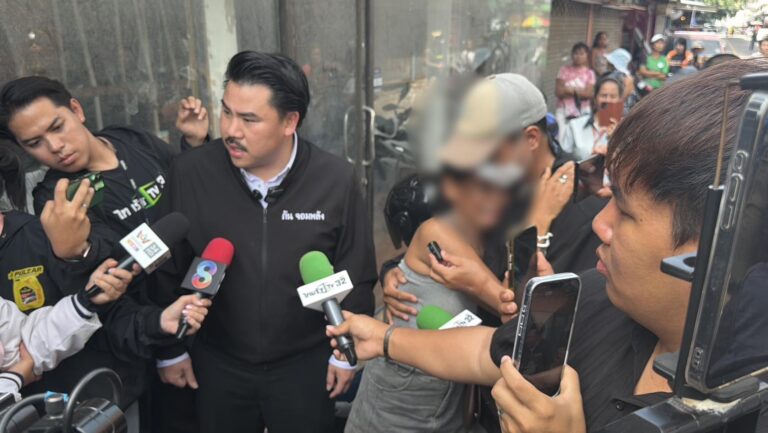
Pattaya City and Sen Dai Foundation Launch Free Transport Service for Disabled and Vulnerable Residents to Access Healthcare
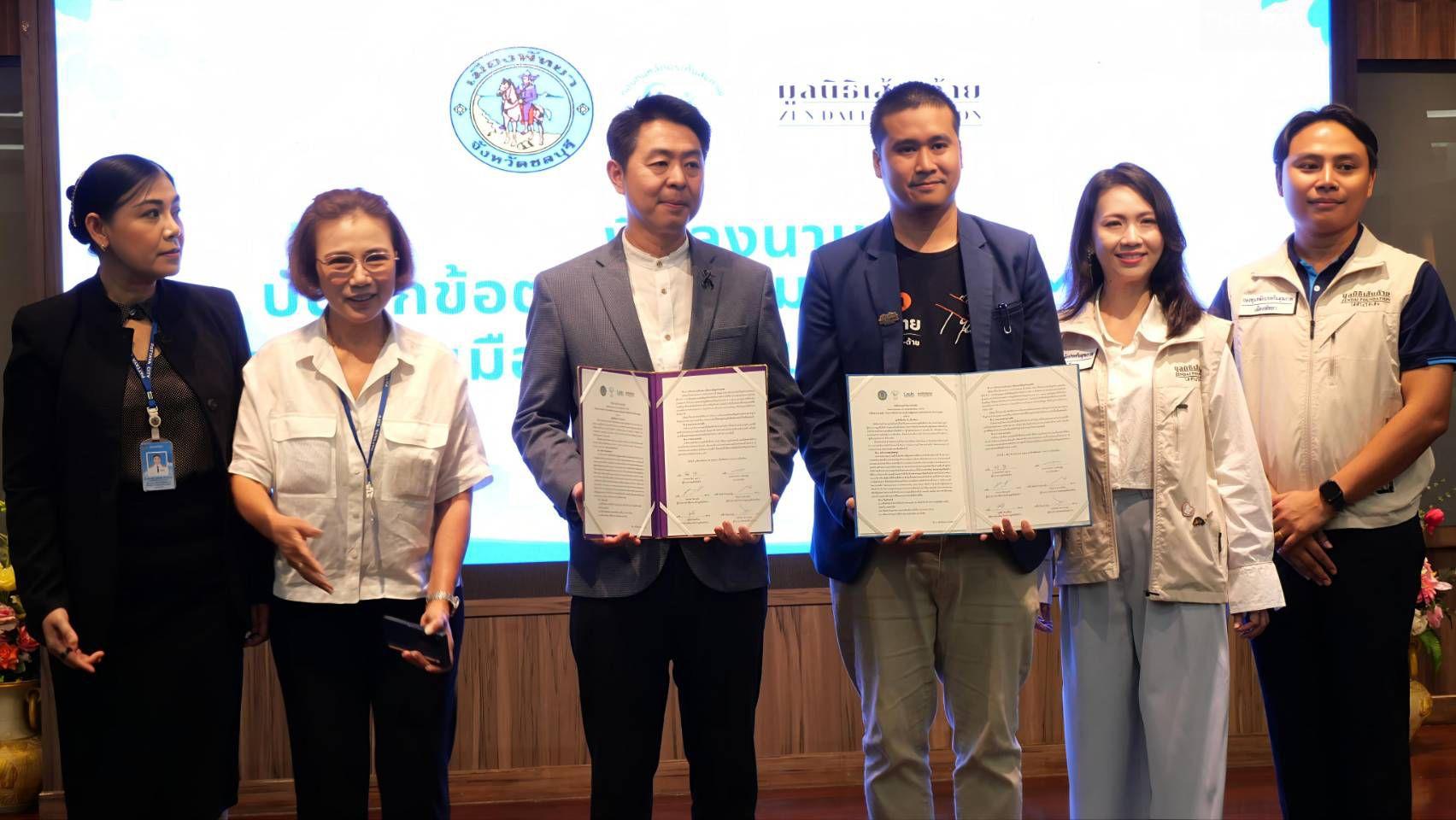
PATTAYA, Thailand – August 6th, 2026 – Pattaya City, in partnership with the Sen Dai Foundation, officially launched a free transportation service project on Wednesday to help people with disabilities and other vulnerable groups access public health services. The launch, held at the Thapphraya Meeting Room in Pattaya City Hall, included the signing of a Memorandum of Understanding (MOU) set at ensuring continuous, safe, and cost-free medical appointments for those facing travel limitations.
The project is supported by funding from the Pattaya City Health Insurance Fund. It provides pickup and drop-off services for residents within Pattaya City to healthcare facilities according to their scheduled appointments. The initiative specifically targets the elderly, people with disabilities, bedridden patients, those with chronic illnesses, and individuals unable to travel to medical appointments on their own.
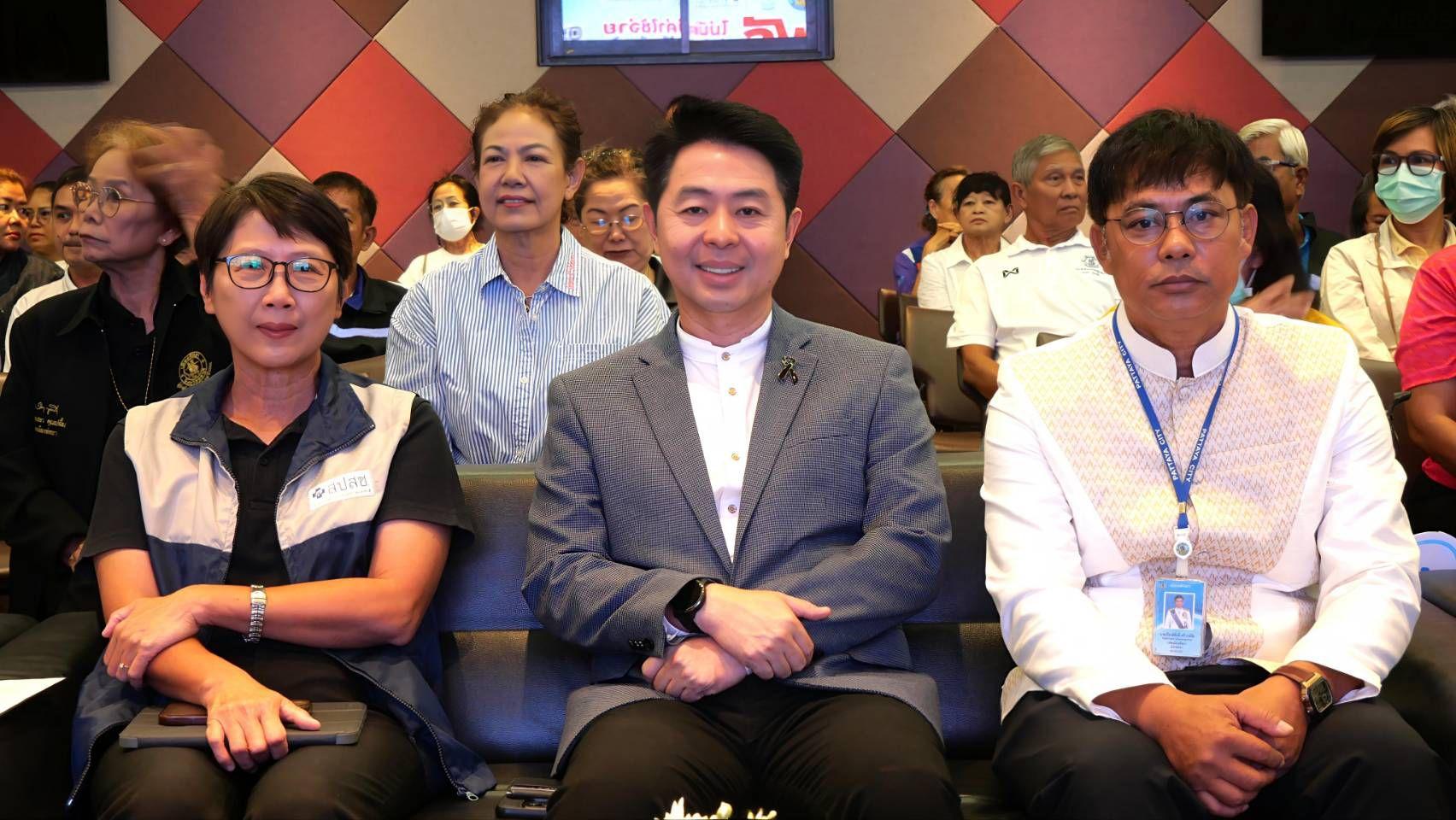
Pattaya Mayor Poramese Ngampichet attended the official opening and described the city’s commitment to reducing transportation barriers. He is focused on efforts to make health services more accessible to vulnerable populations across the area.
Ms. Duangnapa Pichetkul, Deputy Secretary-General of the National Health Security Office (NHSO), served as a witness during the MOU signing ceremony.
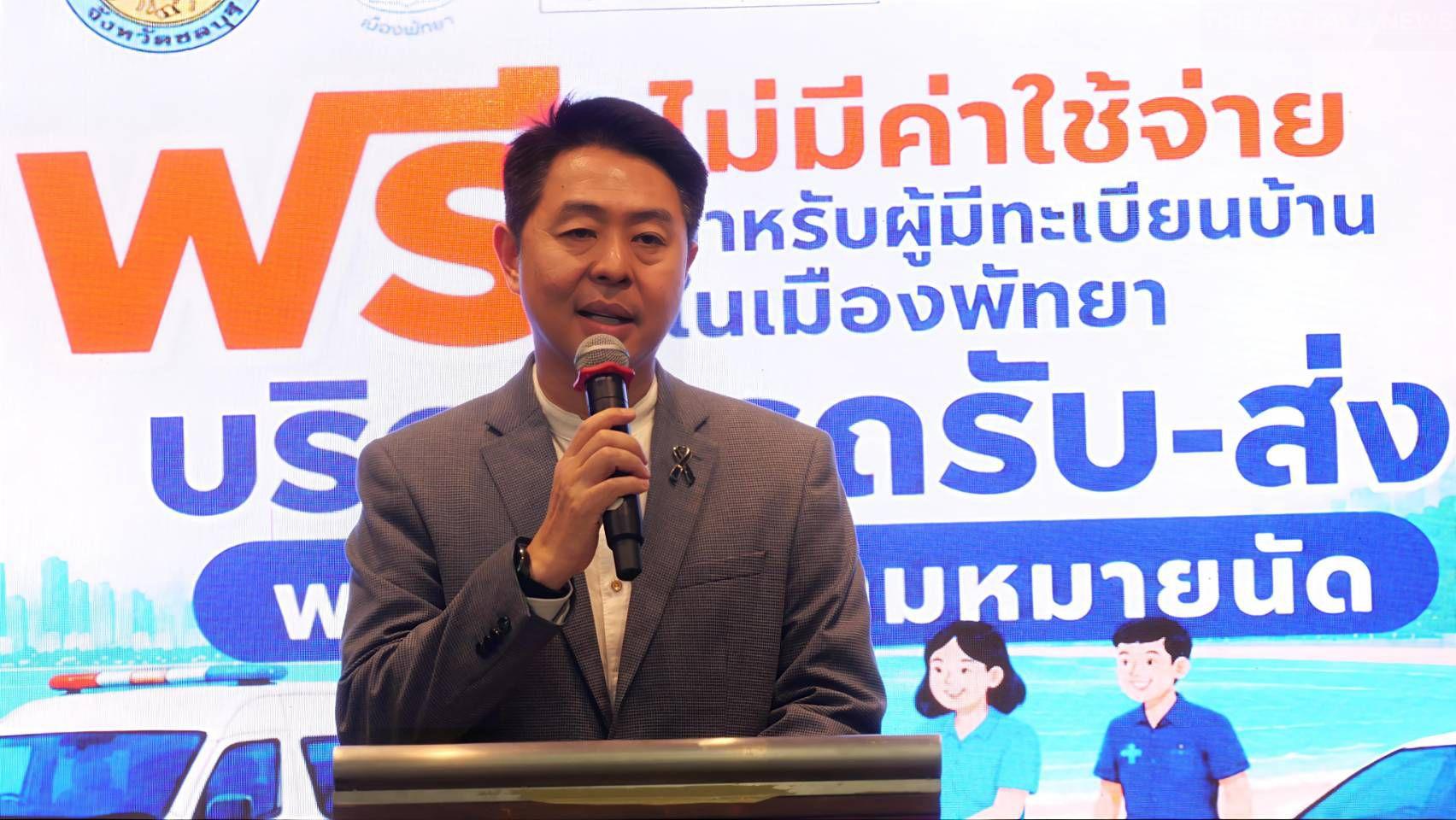
Nontawat Boonba, Director of the Sen Dai Foundation, noted that transportation difficulties are a major reason why some patients miss appointments and fail to receive continuous treatment. “This program is to connect patients from their homes to healthcare facilities and safely return them home,” he said.
The MOU outlines joint working procedures, including public outreach and service request handling, coordination of patient information, arrangement of vehicles and drivers, as well as ongoing monitoring and quality improvement tailored to different patient groups.
Officials said the project will help ease the financial burden on patients and their families, reduce missed appointments, and improve access to medical check-ups, follow-up care, physical therapy, and other essential healthcare services.