Op-ed: A brother and sister rode out to watch the sunrise, and never came home
The following is an opinion editorial by a Thai expat relating to THIS case. His opinions are entirely his own and may not necessarily reflect those of The Pattaya News. The photos have been provided from stock photos of the case.
I’ve followed this case from day one. And almost as closely, I’ve followed what people were saying around it. Organs for the black market. Dirt on the mother. “The motorbike is just a cover — there’s something far bigger behind this.”
It’s genuinely hard to read, because in stories like this the truth is almost always simpler than any fantasy. And often more frightening. That’s exactly why it won’t fit in people’s heads. It feels like something this terrible must have something big and complicated behind it. Usually what’s behind it is something small and stupid.

I’m not writing this to look clever. The subject is no place for that. I’m writing it to show, on a live example we all watched unfold in real time, how far speculation drifts from what actually happened.
What actually happened
On 26 July, around four in the morning, a brother and sister, Diana, 22, and Roman, 17, left their home near Pattaya on a rented Honda scooter. In their house clothes, with their phones, with a little cash. Their mother thought they’d popped out to the shop. They were most likely riding out to watch the sunrise — nothing unusual here. No one saw them alive again.
The cameras showed a second motorbike following them. At one point they stopped and talked to a man for a couple of minutes, then rode on. Their phones’ last signal was near the hill of Khao Chi Chan.
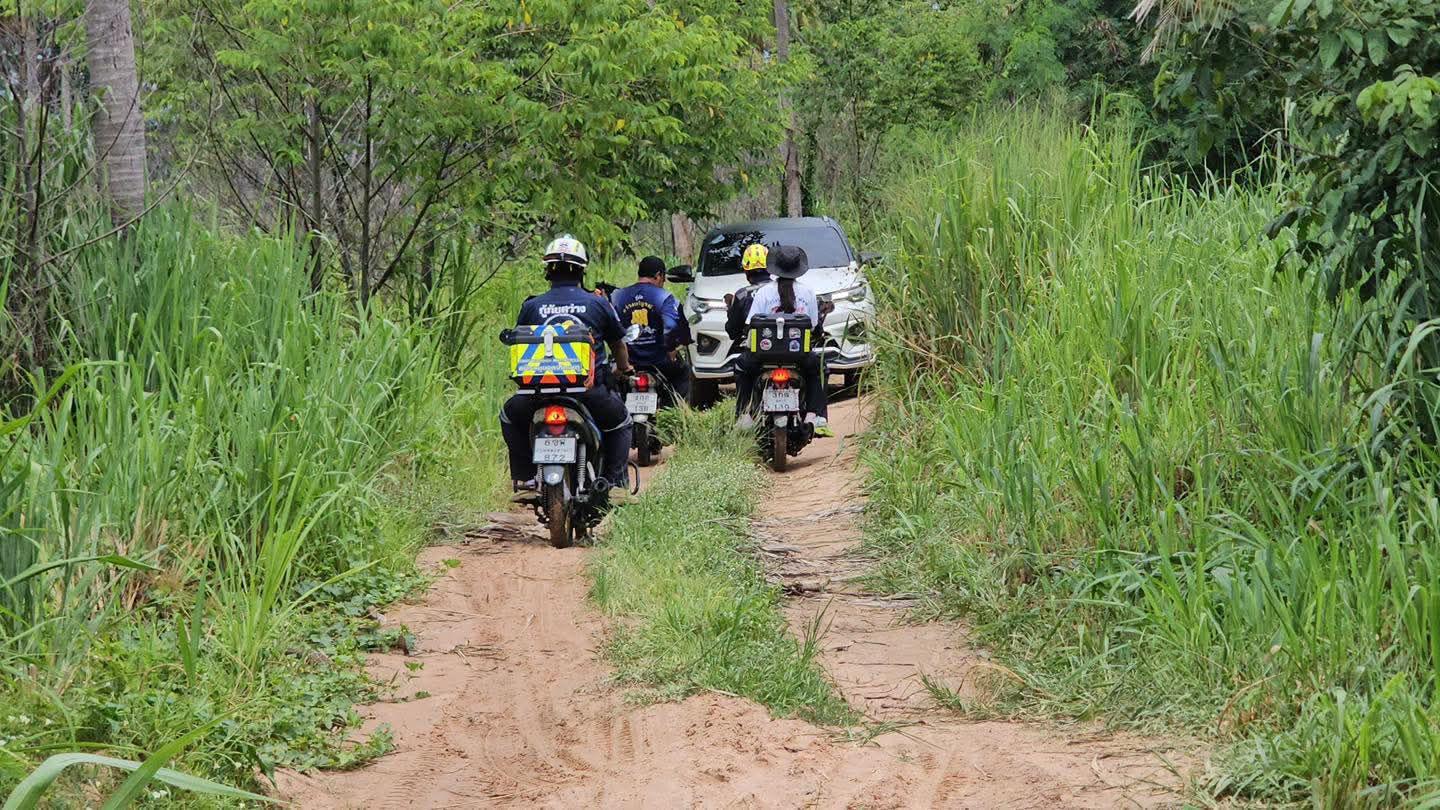
Then the case turned: near an old cemetery, not far from the highway, their bike was found — taken apart and buried in the ground. In two pits.
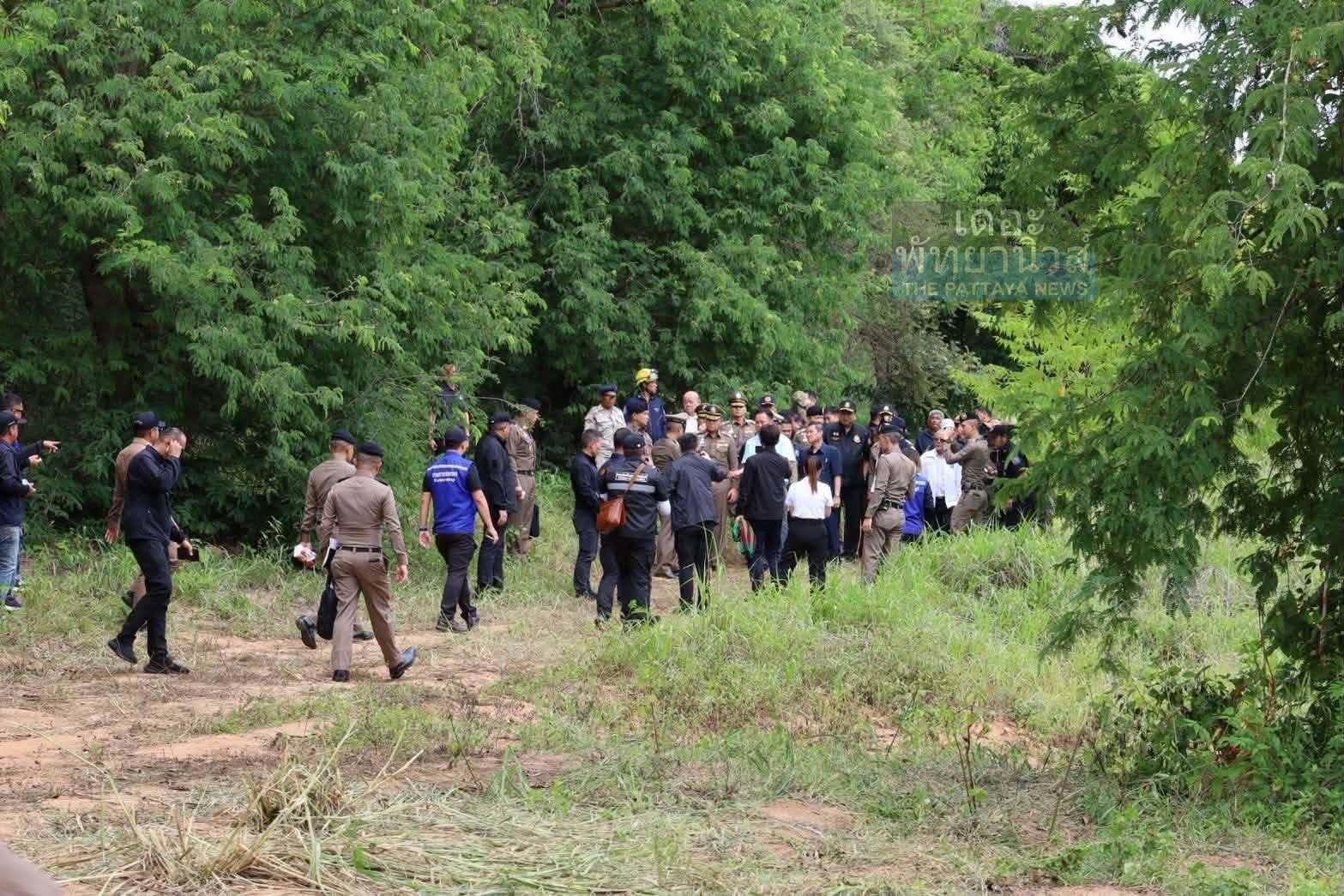
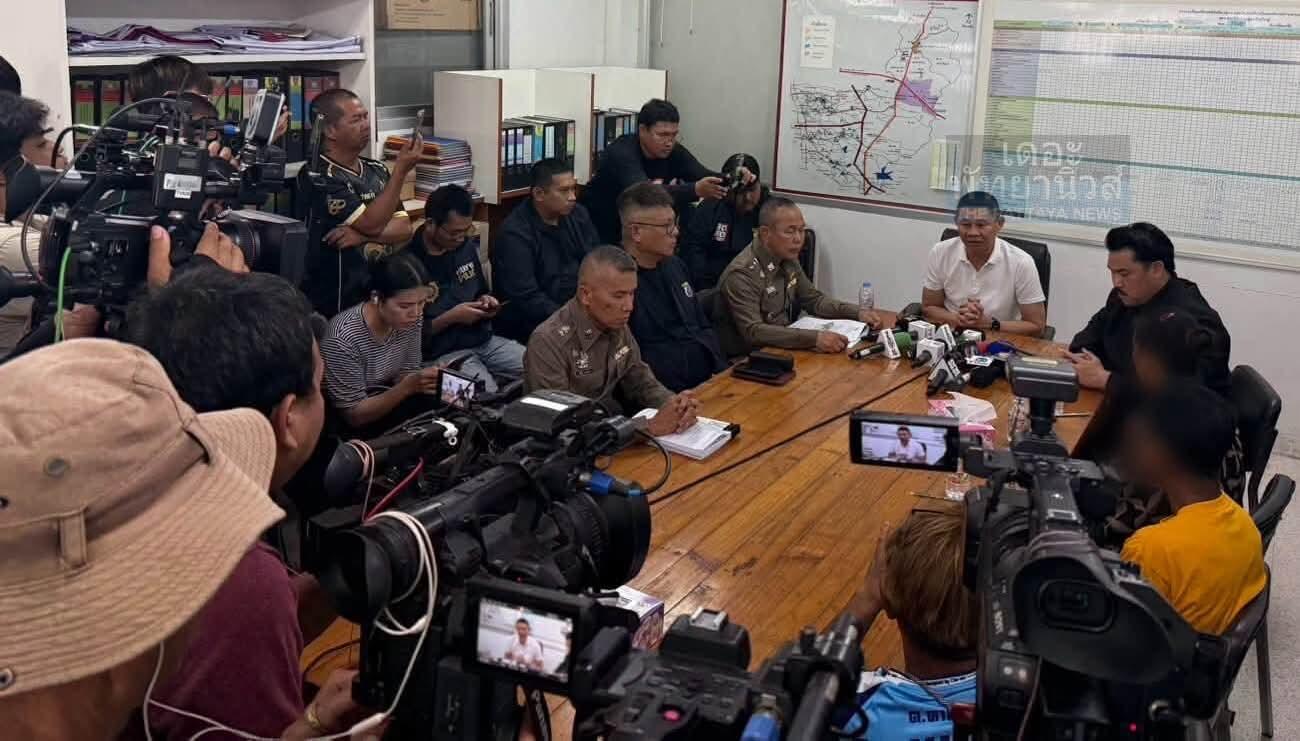
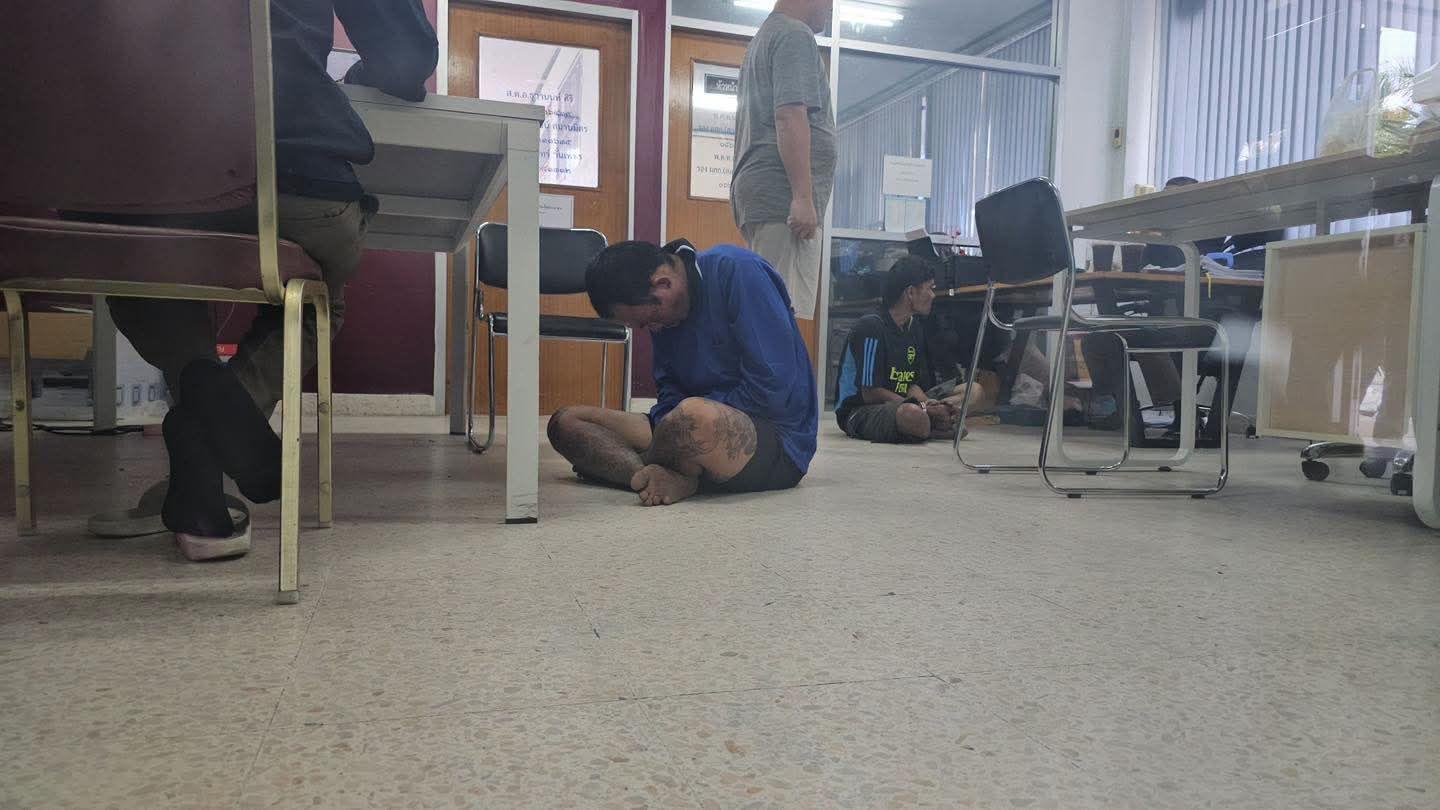
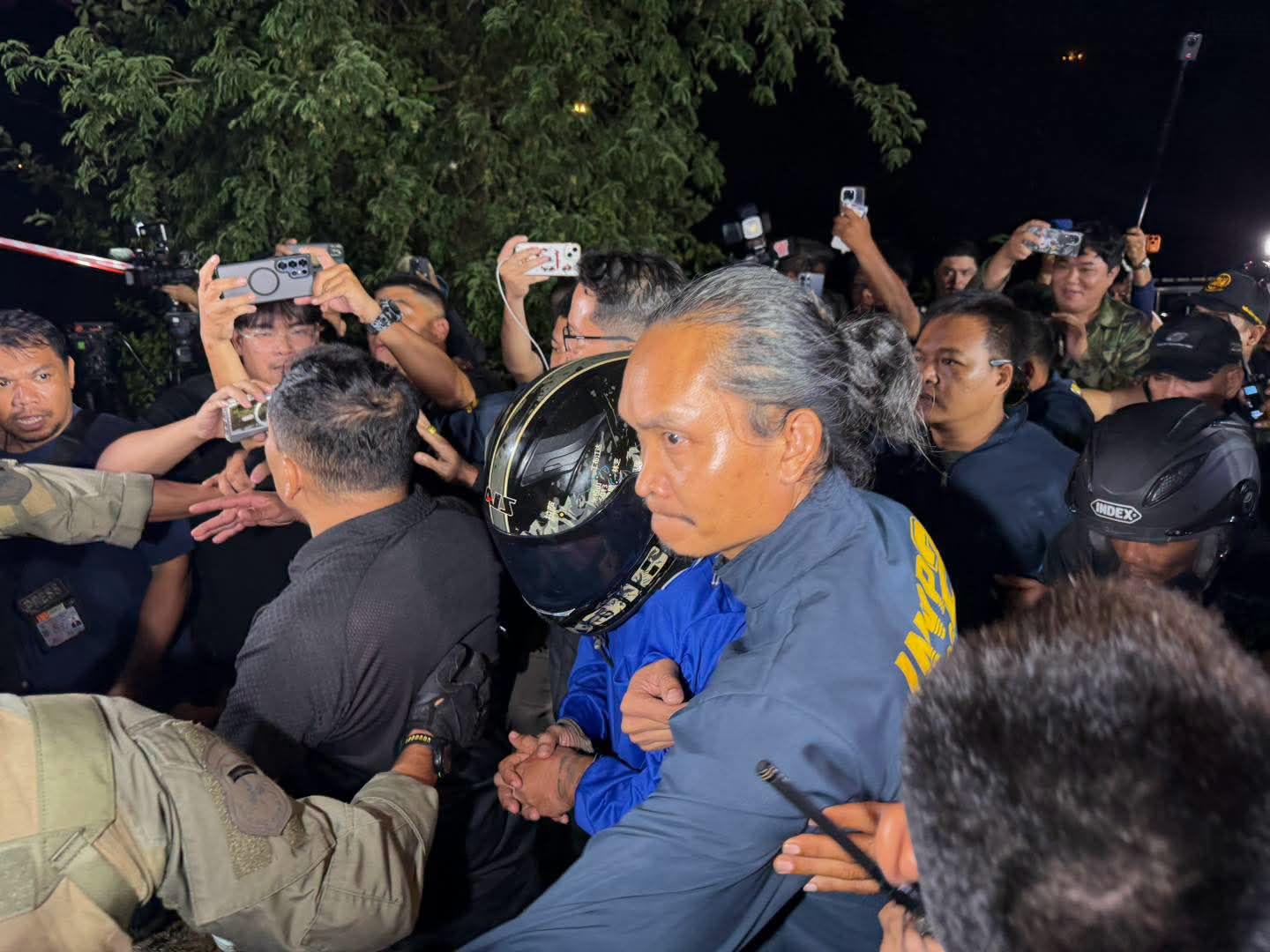
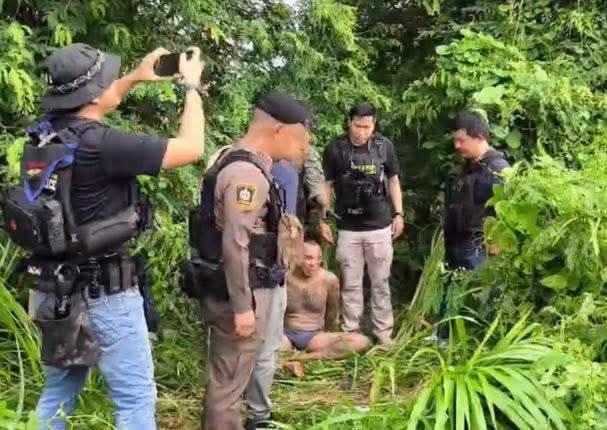
A few days later two men were arrested: a local nicknamed Pong (recently out of prison after a sentence for attempted murder) and his accomplice Thong. They had fled to the neighbouring province, and that’s where they were caught. Both confessed. The pair had been killed and buried near Khao Chi Chan. The suspects led police to the spot themselves, and the bodies were recovered.
The motive — to take the scooter. That’s it.
And now the most sickening detail, the one that explains everything. They didn’t “get into a fight on the road.” They had dressed to look like police and stopped the pair as if for a routine check. That’s why, on the cameras, the two calmly pulled over and rode up — they’d been flagged down by a “patrol.”
And that’s the whole conspiracy.

About the bike
What does a thief who wants a bike do? He sells it. Or strips it and sells the parts. He makes money off it. He does not bury it in the ground.
These two took it apart and buried it. In two places. They didn’t need the bike — they needed it to disappear, because it tied them to the murder. The method alone already pointed where to look: ordinary local crooks covering their tracks, no global mafia. Boring, mundane, and — unfortunately — true.

About the phone — this is my field
I’ve worked with mobile networks for seven years. A phone pings the towers constantly — that’s not secret-service surveillance and it’s not magic, it’s just how a mobile network works. Those pings show where a device was and when it went dark. The last signal at Khao Chi Chan set the search area.
No detective’s intuition — just standard mechanics.
About the tracker
In the first days there was a lot of noise about “surveillance”: Diana had supposedly felt she was being followed and found some unfamiliar device on her phone. For the record — that’s standard iOS behaviour.
Your phone warns you if an unfamiliar AirTag has been moving along with you for a while — it’s anti-stalking protection. The phone wasn’t saying “a killer is following you,” it was saying “there’s a tracker near you that isn’t paired to your phone.” Which is perfectly normal if the tracker is sitting in a rented bike.

And according to the rental owner, there really was a tracker in the bike. Rental shops often fit AirTags or tags, or drop them in the glovebox. Standard anti-theft practice. And here the tracker actually helped — it let investigators reconstruct the bike’s route. So the very thing the crowd took for surveillance was helping the police.
And straight to “maybe the kids knew the killers already”: completely irrelevant, because Pong and Thong said themselves they didn’t know the victims — the motive was the bike.
Whether they’d crossed paths before or not changes nothing in the chain.
About the organ theory
Separately, because it’s the most popular one.
People repeating the “organs” story usually have no idea what it actually involves. It isn’t “cut them out and go sell them.” For a specific organ you need a recipient with matching tissue, found IN ADVANCE. Not on the roadside. You need a sterile operating room and a surgeon, not two men high on meth in the woods. You need refrigerated transport, and all of it fast and coordinated, because an organ survives outside the body for a very short time. You need a lab and a whole chain built around the recipient.
That’s a serious industry. Not two locals who then bury the body in the most amateurish way imaginable. Anyone capable of that kind of logistics doesn’t hide a corpse with a spade in an old grave.
Why the dogs found nothing
A lot of people were angry about this: they brought in dogs — and missed. Let me explain.
Search dogs come in different kinds. Some follow the trail of a living person — where they physically walked. Others are trained on the scent of decomposition and search for bodies. Reportedly the dogs were given the missing pair’s clothing to smell — which means the task was to follow a living person’s trail. For finding a buried body, that’s useless.
A living person’s trail ends where they were loaded into another vehicle. So it physically doesn’t lead to the grave. Worse — the place itself: an old cemetery, soaked in background scent and dug over with old graves. Plus a huge stretch of forest and constant rain washing the scent away. So the tracking dog couldn’t find the living, and to a cadaver dog the whole area looked like one big grave.

In the end the bodies were found not by dogs and not by machines, but by interrogation. That’s exactly why every resource went into finding the likely killers. That’s what the arrest warrant “for theft” was for. In short: in reality, none of it is like the movies.
You don’t have to be a detective
Picture a desk and two bins. On the desk sits what you’re actually working with — the relevant facts. Every new “fact” that surfaces around the case has to be checked first: does it stay on the desk, or go in a bin? There are two bins.
The first — fakes. No source, born in the comments, living a life of its own.
The second — true, but with no bearing on the case. Something real that got dragged into the light and slipped in as a “lead,” even though its connection to the crime is zero.
Anything that lands in either bin has nothing to do with the solution. The first because it’s a lie. The second because it’s beside the point. What stays on the desk is only what passed the bin filter.
An ordinary person checks a fact in one pass: “Is it true?” And if it’s true — onto the desk. It takes a second pass: “And even if it’s true — does it change the chain?” Say the mother had debts. Fine. But between “the mother had debts” and “two strangers stalked her children to take a scooter” there isn’t a single connecting link. Into the bin, not onto the desk.
The second bin is far worse than the first. Obvious nonsense falls away on its own — but a real yet irrelevant fact looks like evidence. It’s genuine, after all; you can “verify” it. That’s what whole theories get built on, and they sound far more solid than any rumour.

The whole problem is that the crowd lives in the bins. People dig through fakes and irrelevancies and simply never reach the desk.
Where the conspiracy comes from
And this is the important part.
People can’t stand meaninglessness. “They were killed over a scooter” — you can’t believe it, too trivial a price for two lives. So the brain fills in the gap: there must have been something big, something to match the horror. Organs, mafia, a cover-up. And those versions actually comfort people, because they assume a system and a logic — and if there’s a system, you can protect yourself from it. The truth — “they were simply on the wrong road at the wrong hour” — is unbearable, because there’s no protecting yourself from that.
Second — the urge to look for dirt in the family and pin the blame on the victim. The same defensive mechanism. If something’s “off” with the family, then it won’t happen to me, because I’m not like that.
Admitting that a normal mother can lose both her children for nothing means admitting you’re just as defenceless. Easier to invent something ugly about her.
And all of it multiplies in the threads, because the boring “police have established the motive” gets no reactions, while “have you not considered organs??” gets hundreds. So what rises to the top isn’t the most accurate — it’s the loudest. It starts to seem, wrongly, that everyone thinks this way. When in fact most people just read it and closed the tab.

What I still don’t know
Since I’m on the subject of honesty, I’ll hold the line. The autopsy and identification haven’t been published yet; the suspects deny sexual assault, but only forensics will settle that. What was at first only a statement has since been confirmed: the same group had earlier killed a Thai family of three the same way — the three bodies were found nearby. That makes five dead.
I point this out on purpose. Not passing off the unverified as fact — that’s the whole method.

Why I wrote this
Not to be right. It’s just that, from day one, the organ and cover-up versions didn’t hold up to a simple check. And not because I knew the answer from the start, but because those “facts” didn’t fit together. It’s enough not to confuse “scary” with “proven,” and to ask, at every “but what if it’s really…,” two questions: is there a source, and does it change the chain?
Reality is usually simpler. And that’s exactly what makes it more frightening.
The author is Dennis N, a German expat, and has lived in Thailand for about ten years.