
atlas mining leaves
|

As Atlas Mining leaves by 2027, SMIC expects 2GO, renewables to fill gap

MANILA, Philippines – SM Investments Corporation (SMIC) plans to move one of its strongest performing portfolio investments, Atlas Mining, out of the Sy family’s flagship conglomerate by 2027, with leadership expecting their logistics and renewable energy companies to take on a bigger role in filling the hole left behind.

SMIC plans to transfer its roughly 34% stake in Atlas into Dominion Holdings, separating mining from SMIC without necessarily taking the business out of the Sy family’s hands completely.

“The intention for SMIC is to completely move out from the mining sector,” SMIC president and chief executive officer Frederic DyBuncio said during the conglomerate’s first-half earnings briefing on Wednesday, August 12. “We want to move the shareholding we have in Atlas into another listed entity, which will still be owned by the family.”

That listed company will be Dominion Holdings.

“Atlas is the one that’s in SMIC. We’re going to intend to move that to one of our other listed entities that will bring it into Dominion Holdings,” DyBuncio said, adding that the restructuring would “most likely” be completed in 2027.

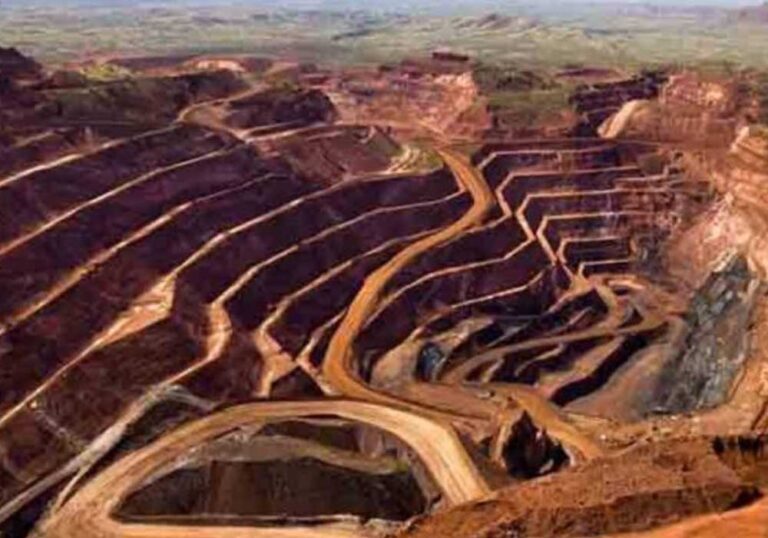
Atlas’ main business is producing copper concentrate, with gold and silver as byproducts, through its Toledo copper mine in Cebu. Atlas also has operations in nickel, mineral exploration, and water source development.

But Atlas will not be a small business for SMIC to replace.

Atlas has “really come back roaring,” SMIC executive vice president for finance Franklin Gomez said during the briefing, helped by stronger copper and gold prices. Portfolio investments now account for 11% of SMIC earnings, up from 7%, with Atlas described as a major contributor.

That helped SMIC grow H1 net income by 8% to P45.9 billion, while consolidated revenues rose 6% to P339.2 billion. Banking contributed 47% of group earnings, property 27%, retail 15%, and portfolio investments the remaining 11%.

Losing Atlas from SMIC will leave a hole to fill among those portfolio investments.

“I think the portfolio investments today are really driven by Atlas and 2GO,” DyBuncio said. Once Atlas is transferred, he expects the segment’s contribution to “probably go slightly down.”

SMIC is looking to logistics and renewable energy to eventually make up more of that contribution.

“I think we’re really growing our logistics business and the renewable business,” DyBuncio said. “For the renewable business, we actually have now six concessions which we’re trying to develop.”

2GO is already growing across shipping, freight, passenger transport, warehousing and e-commerce logistics, while SMIC’s Philippine Geothermal also benefited from higher energy prices during the first half.

Must Read

Why SM Investments mulls exit from data center, mining businesses


Why SM Investments mulls exit from data center, mining businesses

Atlas still to be Sy-linked

SMIC currently holds a 33.74% stake in Atlas. The other major shareholder bloc is the Ramos family of National Book Store, through Anglo Philippine Holdings (27.14%), and Alakor Corporation (3.92%).

The Consunji family also has a smaller foothold in Atlas, although it is not part of either controlling bloc. DMCI Holdings and Semirara Mining and Power chairman Isidro Consunji is an Atlas director and is separately listed as beneficially owning 2.70%, or about 96 million shares. He has sat on the boards of both Atlas and its copper-mining subsidiary Carmen Copper since 2012.

The exact number of Atlas shares to be transferred to Dominion and the structure and valuation of the transaction have yet to be disclosed. 

Once the transfer pushes through, Dominion Holdings could change from a once relatively sleepy holding company to a mining investment vehicle where the business interests of the Sys and Consunjis intersect.

Sy-linked Monte Sur Equity Holdings controls 70% of Dominion, while DFC Holdings, a company associated with the Consunji group, owns another 8.87%. Its board similarly brings together figures from both camps. DyBuncio is Dominion’s president and a director, Henry Sy Jr. sits on its board, while Consunji became Dominion chairman in March. 

That makes the planned Atlas transfer not necessarily an exit by the Sy family from mining than a reorganization of where those mining assets sit.

Dominion had already been linked to Atlas before SMIC’s confirmation. In April, Dominion told the PSE that it was considering “various potential and strategic investments” after it was asked to clarify a report that the Sy family could inject its Atlas stake and other mining interests into the company. At the time, Dominion said its board had not yet approved any specific investment. – Rappler.com

Similar Posts

  • | |

    Another Reko Diq-Sized mining project in Pakistan,…

    ISLAMABAD: The United States has expressed strong confidence in Pakistan’s mineral sector, with a senior US Embassy official revealing that the Trump administration is prepared to support another mega mining project on the scale of  to invest in Pakistan despite security concerns, viewing the country’s vast mineral wealth as strategically important for future global industries. During a background briefing with journalists on Wednesday, the embassy official said Washington considers Pakistan a key partner in the global race for critical minerals that are essential for advanced technologies, clean energy, artificial intelligence, semiconductors and defence manufacturing. According to the official, the US government is encouraging American investors to explore Pakistan’s untapped mineral resources, ranging from large-scale copper and gold projects to smaller mining ventures worth only a few million dollars. US Prepared to Finance Another Mega Project The official said the US administration is ready to support another project comparable to the multibillion-dollar Reko Diq development if geological surveys and feasibility studies demonstrate strong commercial potential. He added that financing support could be extended through US institutions such as the Export-Import (Exim) Bank and the Development Finance Corporation, both of which are playing a growing role in securing global supply chains for critical minerals. The official noted that American companies are not only interested in major mining investments but are also examining opportunities to acquire, develop and expand smaller mining operations across Pakistan. Reko Diq Progress Continues Despite Delays Discussing the Reko Diq copper and gold project, the official acknowledged that work is progressing, although at a slower pace than initially anticipated. He explained that project costs are currently being reassessed, after which developers will return to financiers to finalize the remaining funding package. The first phase of the Reko Diq project is estimated to cost around $7.7 billion, while the US Exim Bank has already offered $1.25 billion in financing. However, the overall financial structure remains under discussion. The project has experienced delays due to rising construction costs and security concerns in Balochistan, prompting project stakeholders to revise cost estimates more than once. Earlier this year, Barrick Gold, which owns a 50 percent stake in the project, also reviewed development timelines because of increasing costs and security-related challenges. Major Economic Benefits Expected The embassy official said Reko Diq has the potential to transform Pakistan’s economy once it becomes fully operational. According to the estimates shared during the briefing, the project could generate nearly $2 billion in annual free cash flow. Of this amount, around $500 million would go directly to the Government of Balochistan, while another $500 million would benefit Pakistan’s state-owned enterprises. The official further stated that Pakistan’s mining sector currently contributes roughly 3 percent to the country’s economy, while Reko Diq alone could increase national GDP by approximately 0.5 percentage points, highlighting its significance for long-term economic growth. Critical Minerals Becoming Strategic Priority The US official emphasized that critical minerals have become a top strategic priority for Washington as demand continues to rise across technology, renewable energy and defence sectors. Pakistan possesses commercially attractive reserves of copper, antimony, tungsten and several other minerals considered essential for future industries. He said American companies believe Pakistan has enormous untapped potential, particularly as global demand for copper is expected to rise sharply over the coming decades. The official added that US firms are actively seeking long-term supply agreements for minerals extracted from Pakistani mines, while some investors are interested in purchasing and developing smaller mining assets. Investment Opportunities Across Pakistan Besides Balochistan, American investors are also exploring mineral opportunities in Khyber-Pakhtunkhwa, particularly for copper deposits, while rare earth mineral prospects in Gilgit-Baltistan have also attracted attention. The official said the United States is searching globally for around 60 critical minerals needed for emerging technologies, many of which are found in Pakistan. He noted that several companies have already begun exploration and extraction activities in different regions of the country. Security Remains the Biggest Challenge Despite strong investment interest, the official acknowledged that security remains one of the most significant obstacles facing mining projects in Pakistan. He said US companies fully understand the risks associated with operating in regions such as Balochistan and Khyber-Pakhtunkhwa but remain willing to invest if appropriate security arrangements are provided. The official stressed that the Pakistani government should continue strengthening security measures and facilitating investors to ensure long-term success of mining projects. He added that American companies are encouraged to partner with local firms, which possess valuable experience in navigating operational and security challenges in remote mining areas. US Calls for Transparent Investment Environment The embassy official also urged Pakistan to maintain a transparent, predictable and competitive investment climate to attract greater foreign investment into the mineral sector. He noted that Pakistan’s participation in the US Critical Minerals Initiative earlier this year reflects growing cooperation between the two countries in securing future mineral supply chains. According to the official, if exploration and investment continue at the current pace, Pakistan’s mining industry could emerge as one of the country’s strongest economic sectors over the next 10 to 20 years, creating employment, increasing exports and significantly boosting national revenues.

  • |

    Kerosene price reduced as government extends relief on petroleum products

    The federal government has extended the latest reduction in petroleum prices by lowering the cost of kerosene oil, providing additional relief to consumers who rely on the fuel for household and commercial use, particularly in remote and off-grid areas. According to a notification issued by the Oil and Gas Regulatory Authority (OGRA), the price of kerosene has been reduced by Rs3.58 per litre. Following the latest revision, the new retail price of kerosene has been fixed at Rs301.64 per litre, down from the previous rate of Rs305.22 per litre. The reduction comes as part of the government’s broader revision of petroleum product prices aimed at passing on the benefit of changes in international oil markets to consumers. Earlier, the Petroleum Division announced fresh prices for major petroleum products effective from August 4, confirming a decrease in the prices of both petrol and high-speed diesel. Under the revised rates, petrol has become cheaper by Rs4.80 per litre, bringing its new price down to Rs331.95 per litre. Likewise, the price of high-speed diesel (HSD) has been reduced by Rs2.45 per litre, setting the new rate at Rs389.93 per litre. The latest cuts are expected to provide modest relief to motorists, transporters, and businesses facing high operating costs, while the reduction in kerosene prices is likely to benefit households in regions where the fuel remains a primary source for cooking, heating, and lighting.

  • | | |

    Audit reveals Rs47bn electricity overbilling

    A government audit has uncovered an alleged Rs47 billion electricity overbilling scandal, raising serious concerns over billing practices by power distribution companies (DISCOs). The findings were presented before a subcommittee of the Public Accounts Committee (PAC), where officials said inflated electricity bills were issued to hundreds of thousands of consumers. Audit officials informed the committee that 278,649 consumers received excessive electricity bills in a single month. According to the findings, the overbilling involved nearly 904 million electricity units, creating a major financial burden for households and businesses across the country. The audit report stated that the Lahore Electric Supply Company (LESCO) accounted for the largest share of the overbilling, with consumers allegedly charged around Rs45 billion beyond actual consumption. The Peshawar Electric Supply Company (PESCO) was identified as the second-largest contributor, with overbilling estimated at Rs1.56 billion. Officials told lawmakers that the inflated bills were mainly caused by incorrect meter readings and misuse of authority by field staff responsible for recording electricity consumption. They alleged that overbilling was used to hide electricity theft, transmission losses and inefficiencies within the distribution system. Consumers who regularly paid their bills were reportedly charged extra, while refunds were usually made only after formal complaints were submitted. The Power Division informed the committee that reforms are being introduced to improve the billing system. Smart electricity meters and transformer-based metering technology are being installed in different regions to reduce human error and improve transparency. Officials said these measures have already helped reduce complaints of overbilling in areas where the new system has been implemented. Members of the Public Accounts Committee expressed concern over the scale of the issue and questioned how many similar cases had gone unnoticed. They said the reported figures likely represent only the cases detected through audits, while many more consumers may have suffered from incorrect billing without being aware of it. Lawmakers highlighted the financial difficulties faced by ordinary citizens because of inflated electricity bills. They said many families had been forced to borrow money or sell personal belongings to pay their electricity charges, adding that such practices have increased public frustration over rising utility costs. The committee was also informed that disciplinary action had been taken against officials found responsible for irregularities. According to the management of LESCO, stronger anti-theft operations and stricter monitoring have significantly reduced electricity theft and eliminated overbilling in its service area. Several officers, including an executive engineer and multiple sub-divisional officers, have been dismissed over misconduct. During the same meeting, another audit report highlighted alleged financial irregularities in the Hyderabad Electric Supply Company (HESCO). The report claimed that Rs1.06 billion was misappropriated through payments made to ghost employees and retired staff, with investigators pointing to possible collusion among officials involved in financial administration.

  • Vietjet Thailand Adds Capacity to Domestic Flights with Fares from THB 0

    BANGKOK – Vietjet Thailand is increasing flight frequencies to meet rising travel demand during the upcoming peak travel season across both domestic and international routes, including Chiang Mai, Phuket, Mumbai, Kolkata, Seoul, and Shanghai. The expanded services aim to support Thailand’s tourism and aviation sectors by offering passengers greater convenience, more travel options, and enhanced connectivity. […]

  • |

    EU to end automatic GSP+ extension from 2027, Pakistan told to submit fresh action plan

    ISLAMABAD: The European Union (EU) is set to introduce a revised mechanism for extending its Generalised Scheme of Preferences Plus (GSP+) trade facility from January 2027, under which beneficiary countries will no longer receive an automatic extension. The Commerce Ministry informed the National Assembly Standing Committee on Commerce on Wednesday that Pakistan would have to formally seek continuation of the GSP+ facility and submit an action plan covering its commitments under 32 United Nations conventions. Commerce Secretary Jawad Paul briefed the committee that the new GSP+ framework would come into force in January 2027, followed by a two-year transition period. During this period, countries benefiting from the scheme will be required to prepare and submit their respective plans, which will subsequently be assessed by the European Union. According to the secretary, the EU’s assessment of Pakistan contains both positive observations and areas of concern. Among the issues highlighted by the European bloc is the human rights situation in Pakistan, along with security and climate-related challenges. The briefing was given during a meeting of the National Assembly Standing Committee on Commerce chaired by Jawad Hanif. Members including Asad Alam Khan Niazi, Khurshid Ahmed Junejo, Shaista Pervaiz, Dr Ramesh Kumar Vankwani, Tahira Aurangzeb, Mir Amir Magsi, Dr Mirza Ikhtiar Baig and Kiran Haider attended the meeting. EU concerns discussed The committee asked the Commerce Ministry to explain the concerns raised by the European Union in its latest assessment of Pakistan and their possible implications for the country’s trade interests. Jawad Paul said the EU report had acknowledged the difficult circumstances Pakistan was facing, particularly in terms of security challenges, economic pressures and climate-related disasters, including floods. These factors, he said, had affected the country’s capacity to fully implement various commitments. He urged members of parliament to present Pakistan’s perspective during their engagements with European Parliamentarians and other EU representatives. The secretary maintained that Pakistan’s circumstances should be taken into account while evaluating the country’s performance under the GSP+ framework. He said the government needed to undertake fundamental measures to address the challenges identified by the EU while also ensuring that Pakistan’s position was effectively communicated to European stakeholders. The committee also expressed concern over the repeated absence of the Commerce Minister from its meetings and conveyed its displeasure over the matter. Tariff reforms aimed at boosting exports The meeting also reviewed the government’s tariff reforms and their impact on industrial competitiveness and exports. Committee members questioned whether exporters would be required to commit to specific export targets in return for government support. The committee chairman clarified that the measures being introduced should not be viewed simply as incentives for exporters, arguing that reductions in duties and taxes were intended to lower production costs and improve Pakistan’s competitiveness in international markets. Officials from the Commerce Ministry said the government had been pursuing a policy of reducing tariff protection and lowering the cost of imported raw materials. The objective, they said, was to enable domestic industries to become more competitive and increase their presence in international markets. As part of the reforms, tariffs on around 2,000 tariff lines were reduced last year to make raw materials and other industrial inputs available at lower prices. The secretary said tariff reforms were being implemented under the National Tariff Policy and that the government had provided an estimated Rs160 billion benefit to industry and exporters during the previous year. For fiscal year 2026-27, another Rs120 billion has been earmarked under the relevant support measures. According to the Commerce Ministry, the previous Rs120 billion package was associated with a $1.27 billion increase in exports during 2025-26. Jawad Paul acknowledged that the tariff changes could initially result in higher imports as industries gained access to cheaper inputs and machinery. However, he argued that the trade imbalance could gradually improve as increased industrial production translated into stronger exports. Committee seeks review of Pakistan-China trade agreement The standing committee also raised concerns over Pakistan’s trade deficit with China and identified the China-Pakistan Free Trade Agreement (CPFTA) as an issue requiring closer examination. Members asked the Commerce Ministry to provide a detailed presentation on the agreement’s impact on Pakistan’s exports, imports and overall trade balance. The committee also sought an update on the latest trade discussions between Pakistan and the United States. The Commerce Secretary assured members that a detailed briefing on the matter would be provided in an in-camera session. Export Development Fund restructuring reviewed The committee separately examined the restructuring of the Export Development Fund (EDF). Officials told the meeting that the management and decision-making structure of the fund had been moved towards greater private-sector participation, with leading exporters being given a more significant role in determining spending priorities. The committee welcomed the shift towards projects that have a direct and measurable connection with export growth rather than conventional infrastructure-focused initiatives. Members also reviewed the allocation of 40% of the Export Finance Scheme (EFS) portfolio for small and medium-sized enterprises (SMEs). They stressed that smaller businesses should have fair and sufficient access to export financing so that they can participate more effectively in international trade. Pakistan Reinsurance Company performance discussed The committee also reviewed the performance and investment strategy of Pakistan Reinsurance Company Limited (PRCL). Members were informed that the company retained nearly 30% of its risk domestically, while approximately 70% was placed in international reinsurance markets, including London, Dubai and Singapore. The committee chairman called for careful management of the company’s financial resources and urged officials to explore opportunities to improve returns without compromising risk-management standards. Proposed amendments for Karachi Chamber examined The committee considered the Trade Organizations (Third Amendment) Bill, 2026, a Private Member’s Bill seeking amendments to the Trade Organizations Act in relation to the Karachi Chamber of Commerce and Industry (KCCI). During the discussion, members examined the special status of KCCI and proposed exemptions from certain district-related provisions. The chairman directed that the proposed amendments be drafted in appropriate legal language in consultation with the Ministry of Commerce and the Ministry of Law and Justice

  • | | | | |

    [Vantage Point] The road to plenty: Four titans and the battle for the Santa Rosa peso

    Four of the country’s most powerful corporate dynasties—Ayala, SM, Villar, and Gokongwei—are converging on a single corridor to fight over household wallets in a growth area in Laguna

Leave a Reply

Your email address will not be published. Required fields are marked *