dasht danger

Dasht is in danger

By Meer Baloch

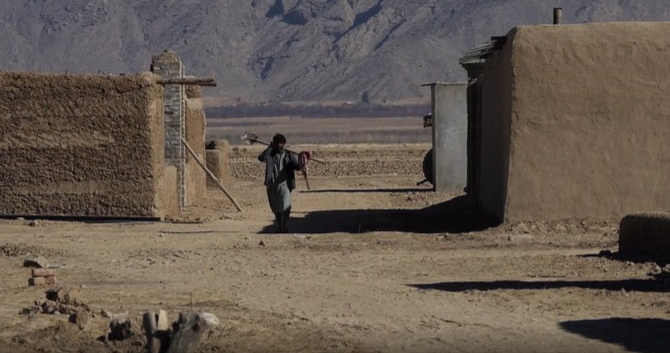
Through your newspaper, I want to draw attention to the serious situation in Dasht. The people of Dasht are facing many problems, and they do not feel safe in their own area. There is a lack of proper security, police protection, hospitals, and other basic facilities.

People are worried about their safety, especially women, children, and elderly people. The government should take immediate steps to improve security and provide basic facilities to the people of Dasht.

I hope you will publish this issue in your newspaper so that the authorities can take notice and protect the people of Dasht.

Similar Posts

  • Brain Drain: A Growing Challenge for Pakistan

    By Asma Qayyum Brain drain refers to the migration of highly educated and skilled professionals to other countries in search of better employment opportunities, higher salaries, quality education, advanced research facilities, and improved living conditions. This phenomenon has become one of Pakistan’s most serious development challenges, affecting the country’s economic growth and human capital. According to the World Bank, Pakistan is among the countries experiencing a significant outflow of skilled workers. Furthermore, official data from the Bureau of Emigration and Overseas Employment (BEOE) show that hundreds of thousands of Pakistanis leave the country each year for overseas employment, including a large number of educated professionals. This growing migration places additional pressure on vital sectors such as healthcare, engineering, education, and information technology. Several factors contribute to brain drain, including unemployment, low salaries, limited research opportunities, political instability, economic uncertainty, and poor working conditions. As a result, many talented individuals believe they can achieve greater professional success and a better quality of life abroad. The consequences of brain drain are far-reaching. Pakistan loses experienced doctors, engineers, teachers, researchers, scientists, and IT specialists whose knowledge and expertise are essential for national development. The departure of these professionals weakens public services, reduces innovation, and slows economic progress. According to the Bureau of Emigration and Overseas Employment, 762,499 Pakistanis officially left the country for overseas employment in 2025. Since 1971, more than 15 million Pakistanis have been registered for overseas employment through the bureau. These figures highlight the scale of the issue and the urgent need for effective policy measures. To reduce brain drain, the government should create more employment opportunities, improve salaries and working conditions, invest in research, innovation, and higher education, and provide incentives that encourage skilled professionals to remain in or return to Pakistan. A stable economy, merit-based opportunities, and professional growth are essential to retaining the country’s talented workforce. Pakistan’s greatest asset is its people. By investing in its skilled professionals and creating an environment where they can thrive, the country can transform brain drain into brain gain and build a stronger, more prosperous future.

  • Women Left Waiting at NADRA Office, Turbat

    By Baloch Khan Through the columns of your esteemed newspaper, I wish to draw the attention of the concerned authorities to the poor treatment of women at the NADRA office in Turbat. Many women, including elderly applicants and mothers with children, are forced to wait for long hours while some staff members fail to deal with them efficiently and respectfully. Every citizen deserves equal treatment and timely service, especially in a government office that provides essential identity documents. Delays, mismanagement, and a lack of proper assistance cause unnecessary hardship for women. I request the authorities to investigate the matter, ensure respectful behavior by the staff, and improve services so that women can complete their work without unnecessary delays and inconvenience.

  • Pakistan: The Moment Frustration Met Patience

    Why would two nations that had been at war for months agree to let Pakistan carry their words to one another? The answer says a great deal about the place Pakistan has earned in the global hierarchy. Few countries are able to exchange views openly with both Tehran and Washington, yet Pakistan has built exactly that kind of standing through years of patient and balanced diplomacy. In Switzerland this June, that effort proved its worth. When the Iranian delegation grew frustrated and stepped away from the table, the negotiations might easily have collapsed. Instead, mediators from Pakistan and Qatar kept the channels open, passing messages between the two sides until the heat dissipated. The meeting at Burgenstock stretched on for eighteen hours, a test of patience that Pakistan met with gracious endurance. And what did it pocket for its own benefit? Nothing for itself. Its only aim was to silence the guns and keep the Strait of Hormuz open, so the wider world could feel some relief. Is that not the affirmation of a nation that proceeds in good faith? Credibility of this magnitude is not cultivated overnight. It is built progressively, through transparency and disciplined action, and in Switzerland, the world saw clearly that Pakistan possesses this cross-cultural credibility.

  • Youth Empowerment in Pakistan

    By Asma Qayyum Youth empowerment is the process of providing young people with the education, skills, opportunities, and confidence they need to contribute positively to society. Pakistan has one of the largest youth populations in the world. According to the Pakistan Bureau of Statistics (2023 Census), the country’s population is approximately 241.49 million, and around 64% of Pakistanis are under the age of 30. This large youth population has the potential to become Pakistan’s greatest strength if it is properly educated, skilled, and employed. Young people play a vital role in the social, economic, and political development of a country. Empowered youth become skilled professionals, innovators, entrepreneurs, and responsible citizens. Their energy, creativity, and ideas can boost productivity, reduce poverty, encourage innovation, and strengthen national development. However, Pakistan faces several challenges in empowering its youth. According to the Pakistan Bureau of Statistics, the national literacy rate is approximately 63%, while millions of children remain out of school. Furthermore, the Labour Force Survey (2024–25) reported an unemployment rate of 7.1%, making job creation one of the country’s greatest challenges. The United Nations Development Programme (UNDP) reports that nearly four million young Pakistanis reach working age each year, but only around one million new jobs are created annually. It also notes that many young people are neither in education, employment, nor training (NEET), limiting their ability to contribute to the country’s growth. The major challenges facing Pakistani youth include limited access to quality education, unemployment and underemployment, a shortage of technical and vocational training opportunities, poverty, unequal opportunities in rural areas, and limited support for entrepreneurship and innovation. To address these challenges, the government should invest more in education, technical and vocational training, and modern skill development. It should also create more employment opportunities, support youth entrepreneurship through training programs and financial assistance, and encourage young people to participate in community service, leadership initiatives, and civic engagement. At the same time, educational institutions and the private sector should work together to equip young people with the skills required for the modern job market. Youth empowerment is essential for Pakistan’s future. With millions of young people entering the workforce each year, investing in education, skills, innovation, and employment is not merely an option—it is a necessity. Empowering young people will strengthen Pakistan’s economy, reduce poverty, promote social stability, and build a more prosperous and peaceful nation. As the saying goes, “The youth of today are the leaders of tomorrow.”

  • A Better Tomorrow Starts Today

    By Nazaink Majid Everyone dreams of a better future, but dreams only come true when we take action today. Every good choice we make, every lesson, and every small effort we put in helps build a brighter tomorrow. Instead of waiting for the perfect time we should start making positive changes today. “A Better Tomorrow Starts Today” reminds us that if we want to change our future, we must begin in the present. Every small step taken today brings us closer to the life we aspire to achieve. Every day presents us with countless choices. Some may seem small, such as waking up early, completing our work on time, reading a book, or helping someone in need. However, these small decisions gradually shape our character and determine our future. Success is not the result of one extraordinary action but of many ordinary actions repeated consistently. Those who use today wisely are the ones who enjoy a better tomorrow. A healthy future begins with healthy choices. Eating nutritious foods, exercising regularly, maintaining good hygiene, and getting enough sleep improve both physical and mental well-being. Likewise, avoiding harmful habits such as procrastination, laziness, and excessive screen time helps individuals become more productive. Small healthy routines practiced everyday lead to long-term benefits. Creating a better tomorrow is not only a personal responsibility but also a social one. Every individual can contribute to society by showing kindness, respecting others, and helping people in need. At the same time, protecting the environment is essential for future generations. Planting trees, keeping our surrounding clean, reducing plastic waste, conserving water, are simple action that have a lasting impact. A sustainable future begins with responsible actions taken today. Life is filled with challenges and setbacks, but challenges should not discourage us. Instead, they should inspire us to grow stronger and wiser. Every failure teaches valuable lessons, and every difficulty provides an opportunity to improve. Successful people are not those who never fail but those who continue moving forward despite failure. Determination, patience, and resilience transform today’s struggles into tomorrow’s achievements. A better tomorrow is built not only through success but also through strong values. Kindness, honesty, responsibility create trust and strengthen relationships. Positive values practiced daily create lasting change. A better tomorrow is not a distant dream – it is the result of what we choose today. Every positive action, every lesson learned, every kind word spoken, and every responsible decision contributes to a brighter future. Instead of waiting for the perfect moment, we should begin now. By working hard, caring for others, protecting our environment and believing in our ability to improve, we can recreate a future filled with hope and opportunity. The journey toward a better tomorrow begin with a single step taken today.

  • Pollution problem in karachi

    By Baloch Khan Through the pages of your newspaper, I want to draw attention to the serious problem of pollution in Karachi. The city is facing increasing air, water, and waste pollution due to smoke from vehicles, industrial emissions, garbage, and improper waste disposal. Pollution is badly affecting the health of citizens. Many people are suffering from breathing problems and other diseases because of polluted air. Burning garbage and increasing traffic are making the environment more harmful. I request the concerned authorities to take strict action against pollution. More trees should be planted, waste should be properly managed, factories should follow environmental rules, and citizens should be educated about keeping the city clean. I hope your newspaper will highlight this important issue and the authorities will take immediate steps to solve it.

Leave a Reply

Your email address will not be published. Required fields are marked *