hala fruit explained

Hala fruit explained

Have you ever seen a fruit that looks like a brain when it’s whole and a bursting planet when it’s opened?

That’s the Hala fruit one of the world’s most unusual fruits. The Hala fruit grows in Southeast Asia eastern Australia the Pacific Islands and Hawaii.

It is made up of many separate sections called keys or cones giving it a very unique appearance.

The fruit comes from the Pandanus tree which includes more than 750 species. A Hala tree can grow up to 14 meters (46 feet) tall.

Hala fruit has a sweet and pleasant taste. It can be eaten fresh added to different dishes for extra flavor and is also used in traditional medicine.

People have traditionally used the fruit to help relieve headaches and constipation and it is believed to support a healthy immune system.

It is also rich in vitamin C making it a nutritious tropical fruit.

Growing Hala fruit is not easy. The tree is very sensitive to cold weather and thrives only in warm humid climates where temperatures stay above 18°C (64°F) throughout the year.


Similar Posts

  • Can you take a bath during fever?

    During the rainy season and changing weather cases of dengue malaria viral fever typhoid and other illnesses often increase. When people develop a fever many wonder whether taking a bath could make their condition worse. Health experts say that taking a bath during fever is generally safe. A bath with lukewarm water can help the body feel more comfortable and may temporarily reduce body temperature. However the water should not be extremely hot or cold. Avoid very cold water Experts advise against bathing with ice-cold or very cold water during a fever.  Sudden exposure to cold water can cause shivering. This may make the body work harder to produce heat and can increase discomfort. Very hot water should also be avoided. It can raise body temperature and may make weakness and tiredness worse. Do not use alcohol on the skin Some people use alcohol or spirit on the skin to try to lower fever. Health experts do not recommend this method. Alcohol can be absorbed through the skin and may cause harmful effects. It should especially never be used on children for this purpose. What should you do during a fever? Fever is usually not a disease itself. It is often a sign that the body is fighting an infection.  Therefore it is important to find and treat the cause of the fever instead of only trying to lower the temperature. Drink plenty of fluids during a fever to prevent dehydration. Water, ORS coconut water soup and other suitable drinks can help. Wear light comfortable clothes and make sure the room has good airflow. If a full bath feels difficult you can gently clean the body with a soft cloth dipped in lukewarm water. Eating light and easily digestible foods such as porridge, khichdi, and other soft foods may also help the body recover. When should you see a doctor? A mild fever may improve with rest enough fluids and medicines recommended by a doctor. However medical help should be sought if the fever lasts for more than two to three days or is accompanied by confusion breathing problems severe headache repeated vomiting unusual skin rashes, or other serious symptoms. A baby under three months old with a fever should be examined by a doctor immediately. Overall taking a lukewarm bath during fever is usually not a problem. Staying hydrated, getting enough rest eating light food and finding the actual cause of the fever are much more important for recovery.

  • Quitting tobacco and cutting salt may delay dementia

    Health experts say that quitting tobacco and reducing salt intake can help lower the risk of dementia, a condition associated with cognitive decline and memory loss. According to experts, these measures can help keep blood pressure within a healthy range and maintain stable blood sugar levels which may contribute to dementia prevention. A new study conducted in the United States found that if people adopt three healthy habits during middle age — maintaining normal blood pressure, keeping blood sugar levels under control and avoiding smoking — the onset of dementia could potentially be delayed by around 13 years. Researchers at New York University also found that dementia tends to develop later in women than in men regardless of their risk factors. More than 900,000 people in the United Kingdom are currently living with dementia. The condition is among the leading causes of death in the country accounting for more than 74,000 deaths every year. Most cases of dementia occur in people over the age of 65 while the risk of developing the condition approximately doubles every five years after the age of 65. However, growing scientific research suggests that dementia is not necessarily an inevitable part of ageing and that it can be prevented to a significant extent. Adopting a healthy lifestyle, such as exercising regularly, eating a balanced diet and maintaining a healthy body weight, can reduce the risk of dementia by more than 45%. A recent study by scientists at NYU Langone Health further suggests that if people maintain key health markers during middle age, they may be able to delay the onset of dementia by more than a decade.

  • Pumpkin seeds for glowing skin

    Pumpkin seeds are well known for their health benefits but they may also support healthy looking skin.  They contain nutrients such as zinc vitamin E and antioxidants that can help protect the skin from damage. Benefits of pumpkin seeds for skin Pumpkin seeds contain antioxidants that help protect skin cells from harmful free radicals.  Their nutrients may also support healthy skin as it ages. They are also a source of vitamin E which helps protect the skin from environmental damage and supports its natural barrier. Pumpkin seed oil can provide moisture and may help make dry skin feel softer and smoother. The nutrients in pumpkin seeds may also support normal hormone function which can be helpful for overall skin health.  However pumpkin seeds should not be considered a treatment for hormonal skin problems. Pumpkin seed face cleanser You can make a simple homemade cleanser using pumpkin seeds. Ingredients. •1 cup pumpkin seeds •½ cup honey •1 tablespoon sandalwood powder •1 tablespoon nutmeg powder Method Grind the pumpkin seeds into a fine powder. Add honey, sandalwood powder and nutmeg powder then mix well.  Apply a small amount to the face gently and wash it off with water. Pumpkin seed scrub Pumpkin seeds can also be used in a homemade face scrub. How to make it Boil some pumpkin pieces and pumpkin seeds in water. Strain them and blend the pumpkin and seeds into a smooth paste. Add 2 tablespoons of honey and 1 tablespoon of cinnamon powder.  Apply the mixture to your face and leave it for about 10 minutes. Then gently massage in circular movements and rinse with water. This mixture can also be used on other areas of the body but avoid harsh rubbing. Simple pumpkin seed face pack Another easy option is to mix ½ teaspoon of finely ground pumpkin seeds with ½ teaspoon of honey.  Apply a thin layer to the face and let it dry. Rinse gently with lukewarm water. You can also mix pumpkin seed powder with a small amount of almond oil to make a simple moisturizing face pack. Use with care Natural ingredients do not work the same way for everyone. Pumpkin seeds, honey cinnamon nutmeg or other ingredients may cause irritation or an allergic reaction in some people. Always do a small patch test before applying a homemade mixture to your face.  If you have sensitive skin or known allergies it is better to ask a doctor or dermatologist before trying new skin treatments. Pumpkin seeds can be part of a healthy diet but there is limited scientific evidence that homemade pumpkin seed treatments can dramatically change the skin within a few days.

  • Which plane seat is safest?

    Many people choose to travel by air because it is fast comfortable and one of the safest ways to get from one place to another.  However when an airplane accident happens many passengers wonder. Is there a seat that offers a better chance of survival? The good news is that air travel remains far safer than traveling by road or rail. Although plane crashes often receive worldwide attention because they are rare and serious the number of deaths from aviation accidents is much lower than from road accidents. According to global aviation safety data flying has one of the lowest accident and death rates of any form of transportation. Is there a safest seat? There is no seat that can guarantee survival in every accident.  Aviation experts say the outcome depends on many factors including the type of crash the speed of the aircraft and where the impact occurs. However studies of past accidents suggest that some seats may provide a slightly better chance of survival in certain situations. What research shows A review of airplane crashes over 35 years found that middle seats in the rear section of the aircraft had the lowest death rate, around 28%.  By comparison seats in the middle section of the plane had a higher death rate. Another study by Popular Mechanics which examined crashes between 1971 and 2005 found that passengers sitting in the back of the plane were up to 40% more likely to survive than those sitting closer to the front. Why the back may be safer Aviation experts explain that the front of the aircraft often absorbs the first impact during some types of crashes.  Because of this passengers seated in the rear may have a better chance of surviving in certain accidents. The back of the aircraft is also closer to the rear emergency exits which may help passengers leave the plane more quickly if an evacuation is needed. But every crash is different Experts also warn that there is no “perfect” seat. Some crashes affect the rear of the aircraft first while others damage the front or middle section. In accidents involving mountains the ocean or explosions survival may depend more on the nature of the crash than on where a passenger is sitting. For example if a plane crashes into a mountain or falls into the sea the chances of survival are often very low regardless of seat location. Emergency exit seats can help Passengers sitting near emergency exits may be able to leave the aircraft faster after a crash provided the exits remain usable.  Quick evacuation is often an important factor in survival. What Aviation Authorities Say The US Federal Aviation Administration (FAA) says no part of an airplane is officially considered safer than another. Survival depends on many factors, including the type of accident the force of the impact fire and how quickly passengers can evacuate. Research suggests that seats near the back of the aircraft especially the middle seats in the rear section may offer a slightly better chance of survival in some crashes. However no seat can guarantee safety. The most important thing passengers can do is wear their seat belt listen to the safety briefing and follow the cabin crew’s instructions.  These simple steps can make a big difference in an emergency.

  • Unbearable heat in Turbat

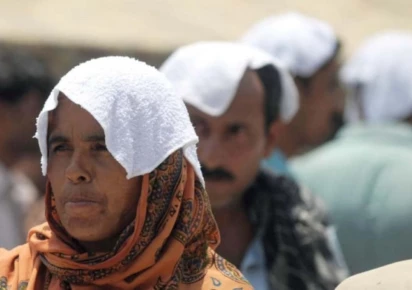
    Hani Rasheed Through the columns of your esteemed newspaper, I wish to highlight the unbearable heat in Turbat. Every summer, temperatures rise to dangerous levels, making life extremely difficult for residents. Students, labourers, elderly people, and patients suffer the most. Long hours of load shedding and water shortages make the situation even more unbearable. The authorities should take urgent measures to ensure an uninterrupted electricity supply, improve water availability, and plant more trees to reduce the effects of extreme heat. Public awareness about staying safe during heatwaves should also be promoted. The people of Turbat deserve timely action before this severe weather causes more health problems. I hope the concerned authorities will address this issue without delay

  • Why insects increase during monsoon

    Monsoon rain makes the weather pleasant but it can also lead to an increase in insects and other bugs. In Pakistan poor drainage standing water and damp surroundings can attract different types of insects to homes after rainfall. After rain small black flying insects are often seen around lights and bulbs.  Some insects can also cause itching redness or irritation if they bite. Certain insects may also carry germs and increase the risk of disease. However a few simple steps can help reduce their presence around your home. Use insect repellent when going outside during the rainy season applying a suitable insect repellent can help protect the skin from mosquitoes and other biting insects. This is especially useful after rainfall when insect activity increases. Try camphor carefully Camphor is sometimes used as a home method to keep insects away because of its strong smell.  If you use it keep it in a safe place and away from children and pets. Use insect spray safely Spraying an appropriate insect killer inside the home after rain may help reduce the number of insects. Always follow the instructions on the product label and keep children and pets away from the area while using the spray. Keep your home dry and clean Keeping the home and its surroundings clean is one of the most important ways to control insects.  Clean plant pots and remove water that collects in trays buckets containers or other places. Standing water can become a breeding place for mosquitoes and other insects. Keep food covered Always keep food and drinks covered especially during the monsoon season. Installing screens or nets on doors and windows can also help stop insects from entering the house. Manage garbage properly Keep garbage in a covered dustbin and place it away from living areas whenever possible. Empty the bin regularly and keep the area around it clean. Simple prevention can help Keeping your home clean removing standing water covering food and taking basic precautions can greatly reduce insects during the monsoon. A little care and regular cleaning can help keep your home more comfortable and hygienic during the rainy season.

Leave a Reply

Your email address will not be published. Required fields are marked *