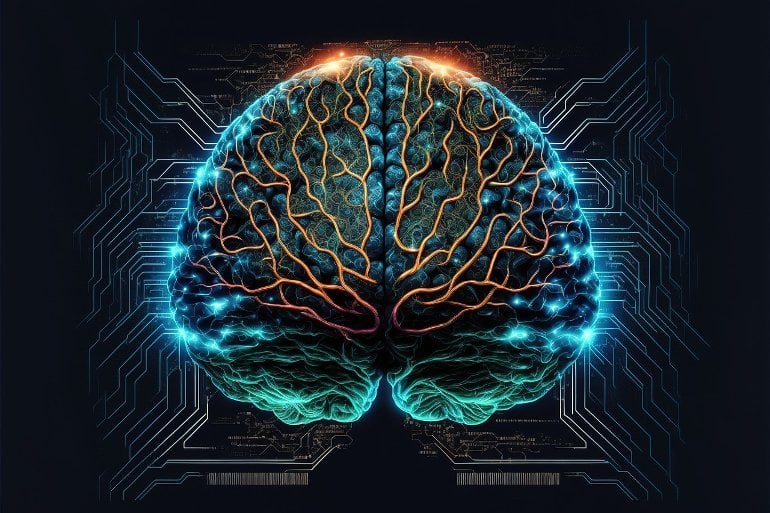
brain drain growing

Brain Drain: A Growing Challenge for Pakistan

By Asma Qayyum

Brain drain refers to the migration of highly educated and skilled professionals to other countries in search of better employment opportunities, higher salaries, quality education, advanced research facilities, and improved living conditions. This phenomenon has become one of Pakistan’s most serious development challenges, affecting the country’s economic growth and human capital.

According to the World Bank, Pakistan is among the countries experiencing a significant outflow of skilled workers. Furthermore, official data from the Bureau of Emigration and Overseas Employment (BEOE) show that hundreds of thousands of Pakistanis leave the country each year for overseas employment, including a large number of educated professionals. This growing migration places additional pressure on vital sectors such as healthcare, engineering, education, and information technology.

Several factors contribute to brain drain, including unemployment, low salaries, limited research opportunities, political instability, economic uncertainty, and poor working conditions. As a result, many talented individuals believe they can achieve greater professional success and a better quality of life abroad.

The consequences of brain drain are far-reaching. Pakistan loses experienced doctors, engineers, teachers, researchers, scientists, and IT specialists whose knowledge and expertise are essential for national development. The departure of these professionals weakens public services, reduces innovation, and slows economic progress.

According to the Bureau of Emigration and Overseas Employment, 762,499 Pakistanis officially left the country for overseas employment in 2025. Since 1971, more than 15 million Pakistanis have been registered for overseas employment through the bureau. These figures highlight the scale of the issue and the urgent need for effective policy measures.

To reduce brain drain, the government should create more employment opportunities, improve salaries and working conditions, invest in research, innovation, and higher education, and provide incentives that encourage skilled professionals to remain in or return to Pakistan. A stable economy, merit-based opportunities, and professional growth are essential to retaining the country’s talented workforce.

Pakistan’s greatest asset is its people. By investing in its skilled professionals and creating an environment where they can thrive, the country can transform brain drain into brain gain and build a stronger, more prosperous future.

Similar Posts

  • Women Left Waiting at NADRA Office, Turbat

    By Baloch Khan Through the columns of your esteemed newspaper, I wish to draw the attention of the concerned authorities to the poor treatment of women at the NADRA office in Turbat. Many women, including elderly applicants and mothers with children, are forced to wait for long hours while some staff members fail to deal with them efficiently and respectfully. Every citizen deserves equal treatment and timely service, especially in a government office that provides essential identity documents. Delays, mismanagement, and a lack of proper assistance cause unnecessary hardship for women. I request the authorities to investigate the matter, ensure respectful behavior by the staff, and improve services so that women can complete their work without unnecessary delays and inconvenience.

  • Generation Z and their solitude

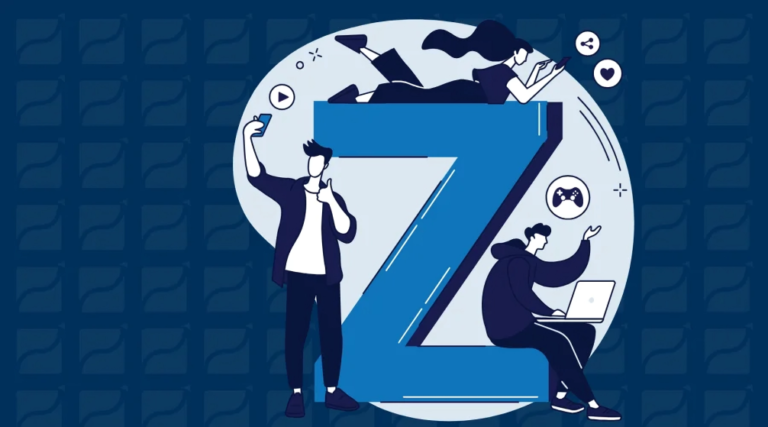
    By Umair Ahmed For Gen Z today, their room isn’t just a room. It’s their safe zone.A place where they can find a few moments of peace without any interruption or endless questions.Do Not Disturb Mode (DND) This generation genuinely values solitude. For them, being alone isn’t about feeling lonely it’s about spending time with themselves and finding mental peace.To be honest, their biggest wish is often just to be left in peace, operating smoothly in their own DND mode away from the noise of society.When someone interrupts Gen Z’s solitude, it irritates Gen Z so badly.What does Generation Z want?Gen Z wants solitude and some peaceful hours in a 24 hours cycle. During these hours, Gen Z only thinks and creates ideas, but unfortunately, in today’s modern world, society won’t understand Gen Z.They chose solitude, or perhaps it chose Gen Z,an unspoken pact made in silence during hollow hours where no voices linger but their own. The silence carved spaces with their thoughts, too fragile for the noise of the world.GenZ is always on time their time management skills are superb.They like to read poetry books and listen to poetry, and their music taste is so good—old, but still better than today’s English songs.Gen Z likes to sit in public, but without any conversation. In many restaurants, I see Gen Z sit at a table but not talk to their friends or family members. Even sometimes, they use AirPods and use their mobiles, so imagine from this how Gen Z needs solitude in their life.On a lighter note, I’m also a Gen Z, but at least I don’t wear AirPods at restaurants. I commonly see a group of friends in local restaurants, and literally, they came together, but trust me, they do not even talk a single word or have a conversation. They are all busy on their mobiles. Gen Z wants to sit alone in restaurants or public places. This doesn’t make them feel lonely rather, they are in their comfort zone.And nowadays, when Gen Z wear AirPods, understand that they are in their comfort zone or Do Not Disturb mode.GenZ wants to sit alone in restaurants or public places. This doesn’t make them feel lonely,rather they are in their comfort zone.And nowadays, when GenZ wear AirPods, understand that they are in their comfort zone or Do Not Disturb mode.

  • The Addiction of Social Media

    By Saba Bakhtiyar I am writing this letter to share important information with you that today is the age of technology. Mobile phones and the internet have made our lives easier. But one big drawback of this technology is social media addiction. Facebook, WhatsApp, Instagram, TikTok, and YouTube have connected people together, and many people have become addicted to them. What is social media addiction? When someone spends too much time on social media and feels restless without it, that is called social media addiction. In this condition, people think that if they do not check their phones, they will be left behind by the world. People also use social media to overcome their loneliness. However, many people are unaware that this habit can turn out to be dangerous for them. It can affect mental health, cause depression, lead to a lack of sleep, create distance in families and relationships, and reduce students’ attention towards education, which is another big problem. Social media is a tool. If we use it wisely, it helps us. If we misuse it, it harms us. Seeing perfect lives online makes people feel insecure about their own lives, and it has also increased online harassment and hate comments. Moreover, notifications and reels distract people from their work and studies. They are so busy on social media that they are not interested in their personal work. Due to social media, it is affecting people a lot. People share too much personal information, which can be misused. As well as this, many people are addicted to checking their phones every few minutes. The most dangerous thing is that nowadays small children are using mobile phones, and it is affecting them a lot. Their eyes are affected due to excessive phone use. Children can also easily access inappropriate content online, and they spend less time playing outdoor games. Parents should set screen time limits for their children and give them outdoor games and books instead of mobile phones. A mobile phone is a tool, not a toy for small children. Parents must guide them. People should also stay away from their mobile phones as much as possible. It is a very huge problem for people. They should use mobile phones, but within limits. Set a daily time limit for social media use, and follow pages that teach you, not just entertain you. Do not use your mobile phone all the time because it is very harmful.

  • Plastic Pollution in Kosh Malikabad

    By Baloch khan Through the columns of your esteemed newspaper, I would like to highlight the growing problem of plastic pollution in Kosh Malikabad, Turbat. Plastic bags and bottles are scattered on roads, empty plots, and drainage channels, making the area dirty and unhealthy. This pollution harms the environment, blocks drains, and poses a serious risk to animals and public health. The local authorities should install more dustbins, improve waste collection, and launch awareness campaigns to encourage people to reduce the use of single-use plastics. Citizens should also take responsibility for keeping their surroundings clean. I hope the concerned authorities will take immediate action to address this issue and protect the environment of Koshk Malikabad.

  • The Growing Issue of Fake Degrees and Certificates

    By Sania Rahim I would like to draw the attention of the concerned authorities and the general public toward the rapidly growing issue of fake degrees and certificates, which is becoming a serious threat to our society day by day. Education is considered the backbone of any nation. It builds skilled professionals, responsible citizens, and a strong economy. However, the increasing trend of fake educational documents is weakening this very foundation. Today, some people obtain fake degrees and certificates to secure jobs, promotions, admissions, and other benefits without having the required knowledge, skills, or hard work. This unfair practice is not only injustice to deserving candidates but is also damaging the credibility of our educational institutions. The most alarming part is that fake degrees are now being used in sensitive fields such as medicine, engineering, teaching, law, and public administration. An unqualified doctor, engineer, or teacher can endanger human lives and the future of entire communities. When unskilled people occupy important positions through fraudulent documents, the quality of services declines, accidents increase, and public trust in institutions erodes. It also discourages honest students who spend years studying and working hard to earn genuine qualifications. Another major consequence is corruption. The network of agents, printing presses, and online sellers who manufacture and sell fake degrees is growing because of high demand and weak verification systems. This creates a parallel market where money replaces merit. As a result, competent individuals are left behind while unqualified people move ahead, which ultimately harms national progress. To control this serious issue, I would like to suggest some necessary steps: First, the government should establish a centralized, digital database of all degrees and certificates issued by recognized boards and universities. Every employer and institution should be bound to verify documents through this system before hiring or admission. Second, strict legal action should be taken against those involved in making, selling, and using fake degrees. Heavy fines and imprisonment can serve as a strong deterrent. Third, awareness campaigns should be launched in schools, colleges, and on media platforms to educate students and parents about the dangers and legal consequences of using fake documents. Fourth, professional bodies like the Pakistan Medical Commission, Pakistan Engineering Council, and education departments must regularly audit their members and employees. In conclusion, fake degrees are not just a paper problem. They are a threat to merit, public safety, and the future of our country. I sincerely hope that the concerned departments, law enforcement agencies, and educational authorities will take immediate and effective steps to eliminate this malpractice and restore trust in our education system.

  • Bridging the Education Gap

    By Baloch Khan The education gap is one of the biggest challenges facing Pakistan. Students in cities often have better schools, qualified teachers, and modern facilities, while many students in rural and remote areas study without basic classrooms, libraries, laboratories, or even enough teachers. This unequal system denies many children the opportunity to achieve their full potential. Every child deserves access to quality education regardless of where they live or how much their family earns. The government should improve public schools, appoint qualified teachers on merit, provide learning materials, and ensure equal educational opportunities for all students. Investing in education is investing in the country’s future. Unless this gap is reduced, social and economic inequality will continue to grow. It is time for the authorities to take practical steps to ensure that every child receives the education they deserve

Leave a Reply

Your email address will not be published. Required fields are marked *