heart stents save

Heart stents save Lives not heart disease

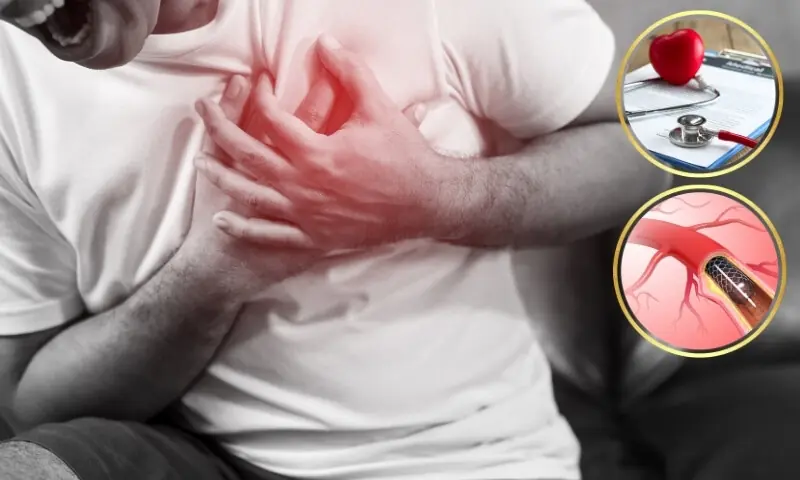
For many people getting a heart stent is a life saving procedure.  During angioplasty doctors place a small metal stent inside a blocked artery to restore blood flow to the heart.

This helps reduce chest pain and in many cases can save a person’s life during a heart attack.

However heart specialists say that a stent is not a cure for heart disease. A stent only opens the artery that is already blocked. It does not stop the disease that causes fatty deposits known as plaque to build up inside the arteries.

If a person does not manage the risk factors new blockages can develop over time.

Doctors explain that a stent works like a small support tube that keeps the artery open so blood can flow more easily.

But it cannot prevent cholesterol and other harmful substances from collecting in other parts of the blood vessels. If someone continues to smoke has uncontrolled diabetes high cholesterol unhealthy eating habits or does not take prescribed medicines regularly the risk of future heart problems remains high.

Heart experts compare the arteries to the water pipes in a house.

Even if one blocked section is repaired the rest of the pipes can still become clogged if the main problem is not fixed.

Modern drug coated stents are very effective but they do not remove every risk. In some patients scar tissue may grow inside the stent causing the artery to narrow again.

This condition is called restenosis. Although it is less common with today’s stents it can still happen.

Another serious but rare complication is stent thrombosis where a blood clot forms inside the stent.

This can lead to a heart attack and may become life threatening.  Doctors say the risk increases if patients stop taking blood thinning medicines without medical advice.

Heart disease is a long term condition that can continue to progress.

Even if the treated artery stays open plaque can build up in other arteries increasing the chance of another heart attack.

Experts say patients can greatly reduce these risks by following their treatment plan.

This includes taking all prescribed medicines especially blood thinners and cholesterol-lowering drugs exactly as directed.

Lifestyle changes are just as important. Quitting smoking eating a healthy diet exercising regularly after getting a doctor’s approval maintaining a healthy weight and controlling diabetes blood pressure and cholesterol can all help protect the heart.

Regular medical checkups are also important to detect any new problems early.

Doctors advise seeking immediate medical care if you experience chest pain or pressure shortness of breath heavy sweating dizziness fainting pain spreading to the arm jaw or back or unusual tiredness after having a stent.

Early treatment can prevent serious complications and save lives.

While a heart stent is an important treatment that can restore blood flow and save lives it should not be seen as a permanent cure.

Long term heart health depends on taking medicines regularly living a healthy lifestyle and paying attention to any warning signs.

Similar Posts

  • Poor road conditions in Ginna

    Meer Baloch The poor condition of roads in Ginna, Kech, has become a serious problem for residents. Large potholes damaged road surfaces and the lack of proper maintenance make daily travel difficult and unsafe.   Students, patients, workers and elderly people suffer the most while motorists risk accidents and costly vehicle damage every day. During the rainy season these roads become even more hazardous, disrupting transportation and delaying emergency services. Good roads are essential for public safety and economic development, yet the people of Ginna continue to face neglect. I urge the concerned authorities to repair the damaged roads without further delay and ensure regular maintenance. The residents of Ginna deserve safe and reliable infrastructure.

  • Get natural brown hair with henna

    Chemical hair dyes and salon coloring treatments are becoming increasingly common.  While they can give hair an attractive color frequent use may leave hair dry weak and damaged. For people who want a more natural option homemade henna can be a simple alternative.  It can add a warm brown shade while helping hair look soft and shiny. How chemical dyes can affect hair Many chemical hair dyes contain ingredients such as ammonia and hydrogen peroxide.  These chemicals can affect the hair’s outer layer and may weaken its structure over time. Repeated coloring can make hair dry and brittle leading to more breakage.  Some people may also experience scalp problems such as itching irritation or small bumps. Why choose natural henna? Many women use henna but later return to chemical dyes because they do not get the brown shade they want.  Adding a few natural ingredients to henna can help create a deeper brown color. Ingredients you need 1 cup dry henna 2 cups water 1 tablespoon tea leaves 1 tablespoon coffee 1 egg 2 tablespoons coconut mustard or olive oil How to prepare the mixture Boil two cups of water with one tablespoon each of tea leaves and coffee. Continue boiling until about one and a quarter cups of water remain. In a bowl add one cup of dry henna one egg and two tablespoons of your preferred oil.  Add the prepared tea and coffee water and mix everything well. Cover the mixture and let it rest for about 30 minutes. How to apply henna Wash your hair properly with shampoo one day before applying the henna. The next day apply the prepared mixture evenly from the roots to the ends. Leave it on for around three to four hours. Once the henna has dried rinse your hair with plain water. For the next step mix about half a teaspoon of lemon juice with a small amount of your regular hair oil.  Apply it to damp hair and let your hair dry. Shampoo your hair normally the following day. Use it regularly Using this henna method around twice a month may gradually give the hair a natural brown tone. It can also help hair look smoother and shinier. However natural does not always mean risk free. It is best to do a small patch test before using henna or any new ingredient especially if you have sensitive skin or a history of allergies.

  • Sindh’s missing universe

    Since Ashura, the mothers of Sindh have been sitting in at Babarloi Bypass through suffocating heat and humidity, with one demand: return our missing and abducted children. For a mother, a child is her entire universe — and for years these women have lived in psychological anguish searching for theirs. Fazila Sarki of Thul vanished nearly seventeen years ago; her father named the local Wadero he says orchestrated it, yet she was never recovered. Priya Kumari of Sangrar is entering her fifth year missing — committees formed, updates promised, and still nothing, as if the earth or sky simply swallowed her. Sindh’s landlords and chieftains have built a parallel state, one that operates above the law. If not, why would fourteen children currently be missing, why would the soil be stained with young blood over trifles, why would mothers go blind from weeping and cemeteries keep expanding? Innocent young women are still declared Kari and honor-killed — denied even a ritual bath, shroud, or funeral prayer, sometimes dumped in rivers. The law exists on paper; hundreds of thousands of officials draw salaries and perks from public taxes to enforce it — yet ordinary people have no protection at any level. The papers are full of these stories daily. The law exists, but it is locked away in books. Are the hands meant to enforce it helpless, or simply indifferent? Sukkur Civil Hospital — the teaching hospital for Ghulam Muhammad Mahar Medical College, and once a lifeline stretching from Balochistan’s Sibi, Nasirabad, and Bhag Nari to Kandhkot-Kashmore, Shikarpur, and Ghotki — has sunk to the level of Shikarpur’s Rai Bahadur Udhodas Hospital. Department heads sit in name only; real control rests with a handful of favorites who have run these institutions into the ground. Road accidents are a daily occurrence on the highways, and while the Orthopaedic Department stays busy, its facilities inspire only regret. With Nasir Shah and veteran politician Khurshid Shah both present, this hospital ought to be a model for Northern Sindh — instead it is anything but. Law and order, and justice, are the pillars any civilized society rests on. Where they hold, life, property, and honor are protected, and social harmony follows. Where they fail, fear, distrust, and unrest take their place — and our own society is proof enough of that; little more needs saying. An educated person lifts not just himself but his society; where ignorance and social ills grow instead, it is education that has failed first. Healthcare here tells the same story: women give birth in Qingqi rickshaws, medicine is scarce, and families buy even a disposable syringe out of pocket — though the budget for it exists. Doctors draw government salaries while absent, some working in Qatar or Saudi Arabia, others running private clinics. A friend recently told me PPHI, on taking over a government health unit, found a stockpile of medicines for heart disease, diabetes, and stomach ailments — worth a fortune, and only months from expiry. What tyranny is greater than this: medicine sitting unused while the needy go without? It is nothing short of an atrocity against the public. Hunger, disease, unemployment, lawlessness, and ignorance have battered Sindh until its people’s capacity for critical thought is paralyzed. The state, along with conscious citizens, politicians, and the well-off, must turn to this crisis — urgently.

  • Int Youth Day – concerns, challenges of Pakistani youth

    By Amir Ismaiel August 12 is observed around the world as International Youth Day. The day is observed on the recommendation of the United Nations to highlight the problems faced by young people, recognise their important role in economic and social development, and ensure their meaningful participation in decision-making. The theme of International Youth Day 2026 is “Different Contexts, Common Aspirations.” The theme recognises that young people live in different national, local and social conditions, but their basic hopes are almost the same everywhere. They want a dignified life, equal opportunities, good employment, quality education and a safe and secure future. Pakistan has 64% of those who are under the age of 30, out of the 64% half of the numbers are in educational institutions and rest of them are out with some of the reasons. We are among the countries that spend the least on education, allocating around 2% of its total budget to the education . India spends around 4% while Sri Lanka and Bangladesh allocate around 2% or less. The United Nations recommends that 4% should be allocated to education. Pakistan has more than 190 universities including private and government over 100 sub-campuses, with nearly two million students studying in higher education. Providing four to five million jobs for these students in the coming years will be essential. University students face many problems in their daily routine on campus, These include rising fees, low quality of education, a lack of research opportunities, shortage of hostels and transport, inequality and harassment. At the school level, more than 15 million children are still out of school, these stats are same for years . Poor educational facilities, shortage of furniture, lack of clean drinking water, shortage of teachers and limited funding are among the main reasons. The state of higher education is also worrying. Only one Pakistani public university, Quaid-i-Azam University is among the world’s top 500 universities, while around 10 Indian universities are included in the same list. These figures raise serious questions about government priorities and the gap between official claims and the actual condition of education. Theme of International Youth Day directly connects with the problems faced by Pakistani youth. Quality education, decent employment, mental health and meaningful participation in decision-making have remained major issues for young people for decades. These problems have also increased frustration, intolerance and extremism among youth . When an educated person fails to achieve his or her goals because of a lack of merit and fair opportunities frustration naturally grows. Unfortunately, youth in Pakistan still lack a clear vision for their future and meaningful government support. The Prime Minister’s Youth Programme has mainly focused on initiatives such as laptops and scholarships, but there is a need for a much broader plan covering employment, career development, mental health and future opportunities for youth . Holding one or two youth conferences during the year cannot be enough to address these issues.Climate change has become a major challenge for the world, but Pakistan still needs a stronger plan to involve young people in dealing with it. There is also a lack of awareness and practical programmes through which young people can contribute to tackling climate change. Mental health is another serious issue. The United Nations continues to highlight the importance of addressing mental health problems among young people, but in Pakistan the issue has not received the attention it deserves. In many countries, educational institutions have dedicated departments and support systems for students’ mental health and wellbeing. Pakistan needs similar facilities. Reports of serious mental health problems and suicides among students should be treated as a national concern. Today’s students wants to see solutions to its problems through its own participation and leadership. Across Asia, the growing role of Generation Z in political and government affairs has been remarkable. India, Bangladesh, Nepal and Sri Lanka have witnessed major youth movements in which youth have challenged governments and demanded political and social change. Youth are also important stakeholders in educational institutions. Around the world students participate in student unions and societies, which help them develop both academic and personal skills. Debates, dialogue, sports and other activities help students build confidence, leadership and communication skills. In countries such as the United States, the United Kingdom, Australia and Canada, students are generally allowed to form unions and societies in educational institutions. These organisations are supported by universities and provide students with opportunities to develop leadership and democratic skills. Many people who later become successful in medicine, science, social sciences, sports, politics and other fields gain valuable experience through such activities during their student years. The well-known historian Dr Mubarak Ali wrote in his book Tareekh Ke Naye Zaviye that when ideological politics began among young people in the subcontinent, nationalism was one of its early forms. Students became divided between the political right and left. However, this ideological debate also encouraged students to read and study different ideas. They began to understand society and its structure through different political and social perspectives. This process helped young people develop stronger intellectual and political awareness. Democratic societies recognise the right of students to participate in political and democratic activities. In Pakistan, however, student unions have faced restrictions for almost three decades. They were banned mainly because of allegations of political violence and clashes on campuses. As a result, universities lost an important platform for political discussion, debate on social issues and dialogue on national affairs.The culture of student unions in the 1990s are very different from the environment today. In the age of artificial intelligence, social media and digital communication, educational institutions can develop a new and more responsible model of student representation. Pakistan needs to create an environment where youth can discuss their problems through dialogue and democratic participation. Students should be represented in educational decision-making bodies and given a meaningful role in consultation. Instead of taking their problems to the streets, young people should have proper platforms where they can present their concerns directly to policymakers and

  • | |

    Decoding the genius of Agatha Christie

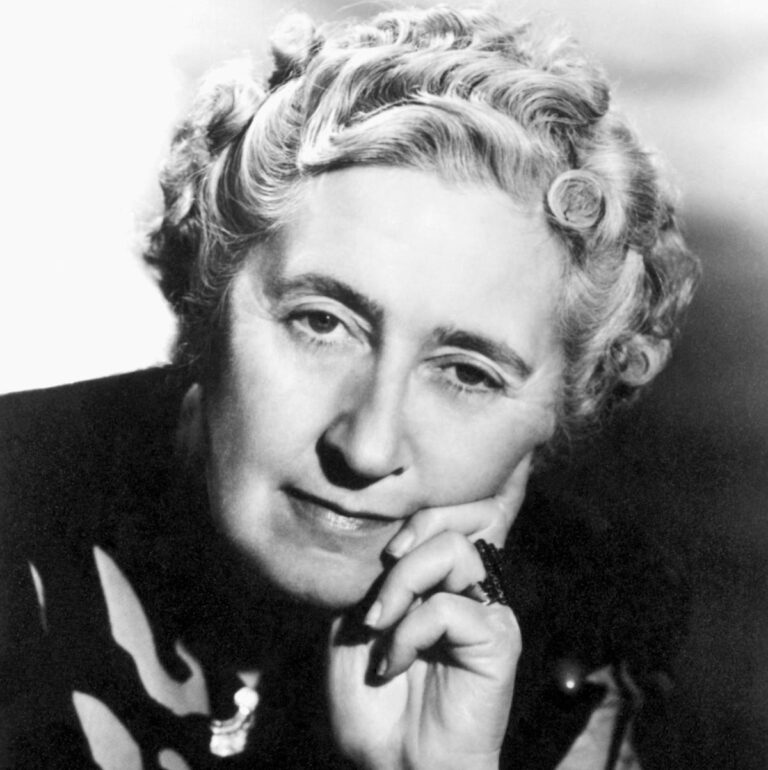
    When readers open a detective novel by Agatha Christie, they often expect hidden motives and a dramatic reveal. Yet, behind the elaborate plots and suspenseful twists lies something far deeper. It is a masterclass in human psychology. Christie is celebrated globally as the Queen of Crime. However, her legacy rests on her profound grasp of human nature, emotion, and behavior. Beyond “Who [has] done it?” At first glance, a classic crime novel centers on a simple formula: a crime is committed, evidence is gathered, and a perpetrator is exposed. However, Christie’s narratives stand apart because she recognized that every criminal act is fundamentally driven by internal human conditions. It can be jealousy, greed, fear, desperate love, betrayal or pride. Her stories serve as an investigation into what happens when everyday human emotions turn into extraordinary actions. Christie demonstrated that a person’s surface appearance rarely tells the whole story. In her fictional world, a polite neighbor or a charming gentleman could conceal dark secrets. Christie challenged her readers to look beneath pleasant facades and observe the subtle tension between public personas and private motives. A Tale of Two Detectives Nothing illustrates Christie’s psychological acuity better than her two iconic sleuths. The meticulous Belgian detective Hercule Poirot and the observant villager Miss Jane Marple. Their methods and personal backgrounds could not be more distinct.  Yet, both figures share an uncanny reliance on psychological insight rather than physical evidence alone. Poirot prioritizes method, order, and intellectual analysis. He famously encourages paying attention to the little grey cells of the brain. Poirot understands that people inevitably reveal their true character through body language and small inconsistencies. Poirot allows suspects to expose themselves by asking precise questions and observing subtle emotional shifts. In contrast, Miss Marple operates from the quiet routine of the small English village of St. Mary Mead. Despite her gentle demeanor and knitted shawls, Miss Marple possesses a sharp mind shaped by decades of watching human behavior in a small community. She operates on the principle that human nature is universal. People react to passion, greed, and fear in remarkably similar ways. Her ability to draw parallels between a suspect’s behavior and local village gossip allows her to solve complex murder cases. The Art of Patience In a fast-paced world where hasty judgments and decisions are common, Christie’s stories offer a lesson in the value of patience, active listening, and careful observation. Her detectives succeed precisely because they resist early conclusions. They listen to what is said and  what is left unsaid. This approach reflects many real-world disciplines, including psychotherapy, journalism, and conflict resolution. So, understanding another person requires suspending immediate judgment and noticing subtle nuances. Christie turns her audience into active participants in a process of empathetic inquiry. For generations of fans, revisiting Christie’s novels or watching cinematic adaptations is more than an intellectual exercise. It is a warm, comforting ritual. Many readers recall discovering her books during youth or sharing screen adaptations with family members. The nostalgic atmosphere of early 20th-century trains, country manors, and seaside resorts provides a captivating backdrop for timeless human dramas. Decades after her death, Agatha Christie remains one of the most widely read authors in human history. Her popularity persists not because audiences simply enjoy detective stories, but because the complexity of human nature never grows old. Her work continues to remind us that behind every smile, silence, or stray comment lies a story waiting to be understood.  

  • Dad’s fake Ultrasound trick goes viral

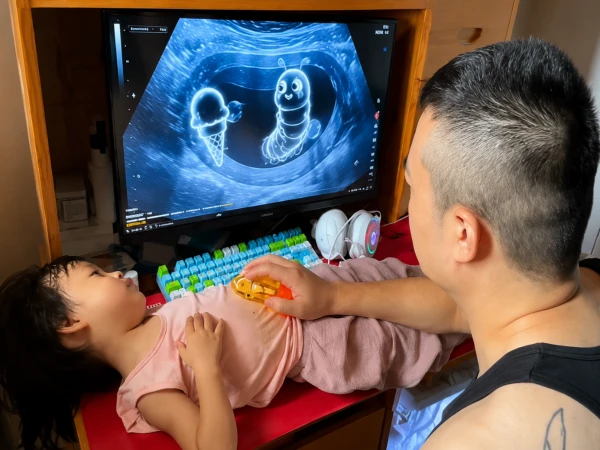
    A father’s unusual way of helping his young daughter stop eating junk food has gone viral on social media. The video shows a Chinese father who was worried because his daughter loved junk food and would not stop eating it even after he asked her many times. https://www.instagram.com/reel/Dbalh_1AbcP/?igsh=NTV3MGpkcWpkang0 To teach her a lesson the father created a fake ultrasound video. In the video it looked like a worm was growing inside the girl’s stomach because of the junk food she was eating. The animation showed the worm happily eating ice cream and other unhealthy foods becoming bigger each time she ate them. According to the viral story the trick worked and the little girl completely gave up junk food. The video quickly spread across social media and received mixed reactions. Some people praised the father’s creative idea while others said it is better to explain the benefits of healthy eating instead of frightening children.

Leave a Reply

Your email address will not be published. Required fields are marked *