remembering maryam mirzakhani

Remembering Maryam Mirzakhani

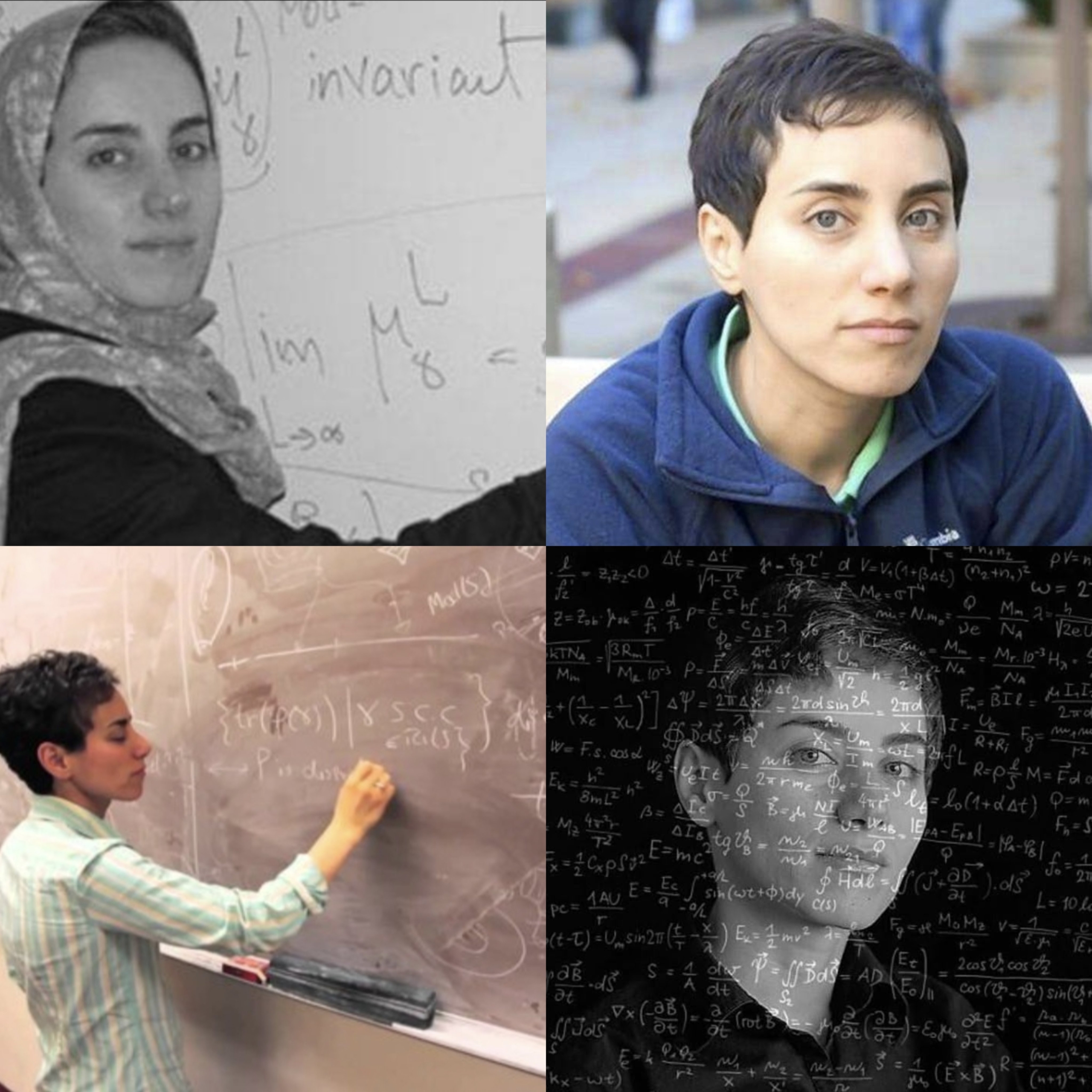
When Maryam Mirzakhani approached complex mathematical problems, she did not rush to find immediate solutions. Instead, she unrolled large sheets of paper across her floor, sat down with markers, and drew intricate shapes, loops, and abstract surfaces. A ritual so visual that her young daughter described her rigorous research simply as painting. Behind those quiet, methodical sketches was one of the most brilliant mathematical minds of her generation. A scholar whose work reshaped our understanding of spatial geometry and dynamic systems forever.

Born and raised in Tehran, Iran, Mirzakhani’s early childhood ambitions centered on literature rather than numbers. She devoured books and dreamed of writing novels. However, during her high school years, her focus shifted dramatically as she discovered the creative, puzzle-like nature of advanced mathematics. Her extraordinary talent surfaced on the world stage when she represented Iran at the International Mathematical Olympiad, winning gold medals in back-to-back years at ages 17 and 18, including a flawless top score in her second appearance.

After completing her undergraduate studies at Sharif University of Technology in Tehran, Mirzakhani moved to the United States to pursue graduate research. At Harvard University, under the mentorship of Fields Medalist Curtis McMullen, she tackled complex problems in theoretical geometry that had baffled researchers for decades. She earned her PhD at age 27, producing a doctoral dissertation so groundbreaking that it yielded multiple papers published in top-tier mathematical journals. Her career progressed rapidly, leading to a full professorship at Stanford University by the age of 31.

Mirzakhani’s work specialized in theoretical areas such as hyperbolic geometry, Riemann surfaces, and moduli spaces. She’s expert in abstract concepts that involve understanding the geometry and dynamic possibilities of complex curved surfaces. While her research was firmly rooted in pure mathematics, it held profound implications for theoretical physics, quantum field theory and cryptography.

In 2014, at the age of 37, Mirzakhani achieved a historical milestone. She was awarded the Fields Medal, officially known as the International Medal for Outstanding Discoveries in Mathematics. Widely regarded as the equivalent of the Nobel Prize for mathematics, the honor is presented only once every four years to exceptional scholars under 40. Mirzakhani became both the first woman and the first Iranian ever to receive the award since its establishment in 1936.

Despite national and international acclaim, Mirzakhani remained famously modest. She often referred to herself as a slow mathematician. She emphasized that true insight comes from patience, resilience, and a willingness to feel lost before finding a breakthrough. To her, mathematics was not about fast calculations, but about deep, enduring understanding.

Tragically, her life was cut short. Diagnosed with breast cancer in 2013, she continued her scholarly pursuits while fighting the disease. By 2016, the cancer had spread to her liver and bones. On July 14, 2017, Mirzakhani passed away at Stanford Hospital at the age of 40. Her passing sparked widespread tributes across the globe, with academic institutions, world leaders, and fellow scientists celebrating her contributions. Today, her legacy endures as a testament to human curiosity. Her life is an enduring inspiration for women pursuing careers in science and mathematics worldwide.



Similar Posts

  • Keep insulin safe in monsoon

    Monsoon rain may bring relief from the heat but it can create new problems for people with diabetes especially those who use insulin. Health experts say high humidity and changing temperatures can affect insulin if it is not stored properly. According to diabetes specialist Dr. Sameer Bhardwaj many people believe that keeping insulin away from direct sunlight is enough. However during the monsoon season high humidity can also damage insulin and reduce how well it works. If insulin loses its strength a person may continue taking the usual dose but their blood sugar levels can still rise without any clear reason. This can increase the risk of diabetes related health problems. Experts explain that insulin is a sensitive protein hormone that must be stored at the correct temperature. Too much moisture or frequent temperature changes can affect its quality even if the insulin looks normal. Doctors say there are three common mistakes people make during the monsoon. The first is relying only on cooling bags or cooling wallets. These products work well in dry weather but in humid conditions they may not stay cool enough which can reduce insulin’s effectiveness. The second mistake is storing insulin in the refrigerator door. Because the door is opened and closed often the temperature keeps changing. Experts recommend keeping insulin on the middle shelf of the refrigerator where the temperature is more stable. The third mistake is judging insulin only by its appearance. Insulin may still look clear and normal even after it has lost some of its effectiveness. If blood sugar levels keep rising despite following your diet medicine and insulin schedule the insulin itself may be the problem. Instead of increasing the insulin dose on your own doctors advise using a new insulin pen or vial that has been stored correctly and speaking with your healthcare provider if blood sugar remains high. To protect insulin during the monsoon experts recommend keeping insulin pens or vials in a clean airtight plastic or glass container to reduce exposure to moisture. It should also be stored at the recommended temperature and checked before each use. Health experts say that storing insulin properly during the rainy season is just as important as taking it on time. A small storage mistake can reduce its effectiveness and make blood sugar harder to control.

  • Monsoon may raise stroke risk

    The rainy season brings relief from extreme heat and makes the weather pleasant but it can also create health challenges for some people. Health experts say sudden weather changes high humidity and increased chances of infections during the monsoon season may be risky for people who already have conditions like high blood pressure diabetes high cholesterol or heart problems. Neurology experts explain that changes in temperature and humidity can affect the body’s natural system and may cause blood pressure levels to become unstable. This can increase the risk of stroke, especially among people with existing heart or blood vessel problems. During the rainy season cases of viral infections cold cough stomach problems and dehydration often increase. These conditions can put extra stress on the body and disturb blood sugar and blood pressure control. Reduced physical activity poor sleep and improper use of medicines can also increase health risks. Doctors advise people to remember the BE FAST rule to identify early signs of stroke. B – Balance: Sudden loss of balance or coordination E – Eyes: Sudden vision problems F – Face: One side of the face becomes weak or droops A – Arms: Weakness in one arm or leg S – Speech: Difficulty speaking or understanding words T – Time: Get emergency medical help immediately Experts say quick treatment can save lives and reduce the chances of long term disability. Health professionals recommend that high risk people regularly check their blood pressure and blood sugar take medicines on time stay physically active eat a balanced diet reduce salt intake avoid smoking and drink enough water. Experts also highlight that the monsoon season itself is not dangerous. The real risk comes from ignoring existing health conditions. Keeping blood pressure diabetes cholesterol and heart diseases under control throughout the year can greatly reduce the risk of stroke and other complications.

  • |

    Echoes of 1971 in Pakistan’s Kashmir policy

    History rarely repeats itself in exact terms, but it frequently rhymes through patterns of power, dissent and state responses. In Pakistan, analysts and political observers are increasingly highlighting the parallels between historical missteps. It is specifically the events leading up to the loss of East Pakistan in 1971 and the contemporary public grievances in Pakistan-administered Kashmir. The Cost of Ignoring Electoral Mandates In 1970, General Yahya Khan permitted general elections across Pakistan. The Awami League in East Pakistan secured a decisive democratic victory by winning 162 out of 300 national seats. However, rather than facilitating a peaceful transfer of power, military leaders stalled negotiations in Dhaka through early 1971. This breakdown in dialogue culminated in Operation Searchlight, a military crackdown targeting intellectuals, students, and Bengali civilians. The resulting violence triggered a massive refugee crisis. Approximately ten million people were sent to India. A war that ultimately led to the creation of Bangladesh. Pakistan’s own Hamoodur Rahman Commission concluded that political failure and operational excess by military leadership were central to the catastrophe. Despite these official findings, the report remained suppressed for decades, leaving fundamental lessons about the dangers of military overreach largely unexamined within state institutions.  Unrest in Pakistan-Controlled Kashmir Today, army leadership under General Asim Munir continues to champion strong nationalistic rhetoric regarding Kashmir. He has been asserting it as the nation’s core and a willingness to fight further conflicts over Indian-administered territory. Yet, a  different internal dynamic has been evolving since 2025 within the territories Pakistan actually controls. Local populations have mobilized in widespread demonstrations driven by clear economic and political grievances. Unmanageable costs for basic essential goods. Disproportionately high pricing for local power distribution. Legislative structures that assign disproportionate authority to mainland administrators rather than local residents. State institutions responded with heavy-handed measures rather than operating for meaningful negotiation. The organizing groups were banned, communication blackouts were implemented and arrests occurred. Security forces deployed live fire against demonstrators  and caused dozens of civilian casualties. The Danger of Ignoring Unheard Grievances The concern raised by historians is not that history will reproduce the exact outcome of 1971, but that the state is relying on the same flawed logic. State is again attempting to suppress domestic economic and political grievances through state force. When state policy prioritizes coercion over political engagement, it risks alienating populations. The lingering question for Pakistan’s establishment is whether the lessons of past governance failures will finally be integrated, or whether suppressed grievances will once again lead to deep institutional crises.  

  • Stay safe this monsoon

    The monsoon season brings cool weather fresh air and beautiful rainfall making it a favorite time of the year for many people. However it also comes with several risks. In Pakistan especially in cities like Karachi heavy rain can cause water to collect on roads making travel dangerous and increasing the risk of accidents. Experts say that following a few simple safety tips can help prevent serious incidents during the rainy season. One of the biggest dangers during rain is electricity. Never touch fallen power lines or electrical equipment with bare hands.  Parents should also teach children to stay away from broken or exposed electric wires. It is also a good idea to unplug electrical appliances that are not in use during heavy rain. Drivers should avoid parking vehicles under power poles or overhead electric wires as strong winds and heavy rain can damage them and create dangerous situations. People walking outdoors should be careful as well. Whenever possible use dry sidewalks and avoid walking through standing water. Flooded roads may hide open drains or fallen electric wires making them extremely dangerous. If you need to go outside while it is raining, carry an umbrella or wear a raincoat to stay dry and reduce the risk of catching seasonal illnesses. Health experts also recommend keeping a basic first aid kit at home so that minor injuries or emergencies can be treated quickly until medical help is available. Rainwater that remains stagnant for several days can become a breeding ground for mosquitoes increasing the risk of diseases such as dengue malaria and skin infections. To stay safe make sure rainwater does not collect around your home or in  nearby streets. Experts say that taking these simple precautions can help protect lives and allow people to enjoy the beauty of the monsoon season more safely.

  • Morning vs Evening walk, Which is better for health?

    Medical experts say that walking in the morning or evening is equally beneficial for weight loss, improving heart health and getting better sleep. However, the real key to good health is maintaining a regular walking routine. According to health experts, 30 to 45 minutes of brisk walking every day can play an effective role in improving heart health, losing weight, strengthening muscles and reducing mental stress. However, choosing to walk in the morning or evening depends on an individual’s routine, health condition and personal preference. Benefits of Morning walks Morning walks provide the body with natural sunlight which helps regulate the body’s internal clock, improve sleep at night and support the production of vitamin D. In addition, walking in the morning promotes the release of hormones associated with happiness which can improve mood, increase concentration and help maintain energy throughout the day. Experts say that people who exercise in the morning are also more likely to maintain their exercise routine consistently. Evening walks also have several benefits Experts say that after a full day, an increase in body temperature makes the muscles and joints more flexible. As a result, walking briskly and for longer periods may feel easier. According to experts, an evening walk can also help reduce mental stress, relieve fatigue and provide mental relaxation after a busy day. Regarding weight loss, experts say that walking in both the morning and evening can be effective provided that a healthy diet is maintained and a calorie deficit is created. Some people consider walking before breakfast better because the body may use stored fat for energy during this time. However, in the long term, weight loss depends on overall diet and physical activity. Morning and evening walks are also equally beneficial for heart health. Regular walking improves blood circulation and helps control blood pressure and cholesterol levels. It may also reduce the risk of type 2 diabetes, obesity and other lifestyle-related diseases. Walking and sleep When it comes to sleep, morning walks can help improve the body’s natural sleep-wake cycle while light or moderate-intensity evening walks can reduce stress and support better sleep. However, intense exercise shortly before bedtime may cause difficulty sleeping for some people. Experts say the World Health Organization (WHO) recommends at least 150 minutes of moderate physical activity per week. Whether you walk in the morning or evening, maintaining consistency is the real key to a healthy lifestyle.

  • | |

    Press freedom across South Asia

    Press freedom across South Asia faces significant structural constraints. Media environments throughout the region share a common historical legacy often relying on inherited colonial-era penal codes alongside modern cybersecurity legislation. However, the legal frameworks and regulatory instruments used to govern the press vary across neighboring countries. Comparative Analysis by Country  Pakistan Pakistan Electronic Media Regulatory Authority (PEMRA), Prevention of Electronic Crimes Act (PECA), and administrative policy frameworks like the Foreign Media Facilitation Guidelines. Media regulation in Pakistan relies heavily on administrative controls, licensing restrictions, and broad content advisories prohibiting coverage of sensitive political or national security subjects. While constitutional protections exist under Article 19, exceptions based on glory of Islam, national defense, and public order give authorities broad latitude to issue blackout orders, manage foreign correspondents’ mobility through No Objection Certificates (NOCs), and impose structural pressure on broadcast networks.  India Information Technology Rules (2021), Digital Personal Data Protection (DPDP) Act, and the Unlawful Activities Prevention Act (UAPA). While India possesses a large and diverse private media market, journalists increasingly face legal scrutiny under broad national security and anti-terror legislation. Amendments to digital media laws allow central authorities to demand the takedown of online content deemed harmful to state interests. Furthermore, criminal defamation suits and restrictions on access to conflict areas (such as Jammu & Kashmir) remain common mechanisms of regulatory pressure. Bangladesh Cyber Security Act (CSA)—which replaced the controversial Digital Security Act (DSA) and state information ministry directives. For years, non-bailable clauses in cybersecurity statutes were widely criticized by media watchdogs for chilling investigative reporting on corruption or state officials. Following recent political transitions, draft media reform policies have been introduced, though press operations remain tightly monitored during periods of political volatility and public unrest.  Sri Lanka Online Safety Act, Prevention of Terrorism Act (PTA), and Official Secrets Act. Sri Lanka’s regulatory framework expanded significantly with the passage of the Online Safety Act, which created a government-appointed commission with sweeping powers to classify online content as false statements and order its removal. Critical reporting regarding state response to economic crises or wartime history continues to face legal and physical friction in sensitive provinces. Nepal: Press Council Act and National Mass Communications Policy. Nepal consistently ranks highest in South Asia on global press freedom indices, supported by a constitution that explicitly guarantees press rights without prior restraint. However, challenges persist regarding local government transparency, criminal defamation provisions, and proposed social media regulation bills that civil society groups fear could introduce licensing hurdles for digital outlets.  Afghanistan Direct directives issued by the Ministry for the Propagation of Virtue and the Prevention of Vice and the Ministry of Information and Culture. Following the political shift in 2021, independent journalism in Afghanistan has faced near-total suppression. Women journalists are largely banned from broadcasting, international news services face widespread blocking, and all local reporting is subject to strict pre-publication censorship. Common Trends Across the Region Across South Asia, governments are increasingly shifting control from traditional print/broadcast regulators toward cybersecurity, online safety, and data protection laws to monitor digital newsrooms and independent creators. Constitutional guarantees of free speech throughout South Asia uniformly contain broad public order and national defense exceptions, which states routinely cite to enforce reporting restrictions during regional crises. Beyond direct legal action, states across the region frequently utilize non-judicial levers such as withholding state advertising funds, slow-walking accreditation, or requiring special travel permits to shape editorial stances.

Leave a Reply

Your email address will not be published. Required fields are marked *