morning drinks weight

5 Morning drinks for weight loss

Many people think losing weight requires expensive diet plans strict food restrictions or complicated meal programs.

However health experts say that eating a balanced diet staying physically active and starting your day with healthy drinks may help support your weight loss journey.

While there is no magic drink for weight loss some morning beverages may help improve digestion boost metabolism and keep you feeling full for longer.

Here are five drinks that are commonly recommended to enjoy on an empty stomach.

•Herbal detox tea

A cup of herbal detox tea in the morning may help wake up your digestive system and support metabolism.  It is often made with natural ingredients such as dandelion ginger and licorice root.

Experts say dandelion may help support healthy weight management while ginger can improve digestion and increase metabolism.

Licorice root may also help reduce hunger making it easier to avoid unnecessary snacking.

•Turmeric water

Turmeric is well known for its anti-inflammatory properties. Since long term inflammation may be linked to weight gain adding turmeric to your daily routine may offer health benefits.

Mix a small amount of turmeric powder into warm water. You can also add honey or lemon for taste. Drinking it in the morning may help improve digestion support metabolism and reduce inflammation.

•Warm water with ghee

In Ayurveda ghee is considered a healthy source of fat. Some experts believe that taking a small amount of ghee with warm water may support digestion and metabolism.

The healthy fats in ghee may also help you feel full for a longer time which could reduce overall calorie intake during the day.

• Apple cider vinegar drink

Apple cider vinegar is a popular natural ingredient used by many people trying to lose weight.  It contains acetic acid which may help the body process fat more efficiently. It may also help control appetite and support metabolism.

Mix a small amount of apple cider vinegar with water. You can add lemon juice and a little honey if you like.

This drink may also help improve digestion reduce inflammation and support healthy blood sugar levels which may lower cravings for sweet foods.

•Lemon water

Lemon water is a simple and refreshing way to start the day. Lemons are rich in vitamin C which supports normal metabolism.

They also contain pectin a type of fiber that may help you feel less hungry. Experts say drinking lemon water on an empty stomach may improve digestion support hydration and help reduce inflammation.

Tips

These drinks are not a quick fix for weight loss. They work best when combined with a healthy diet regular exercise and an active lifestyle.

If you have diabetes stomach problems or any other medical condition it is important to speak with your doctor before making these drinks a daily habit.

Similar Posts

  • Why do car turn signals click?

    When you turn your car left or right you hear the familiar click-click sound from the turn signal. At the same time the arrow on the dashboard flashes to show the signal is working. Even though cars have become much more advanced this sound has stayed the same for many years. But have you ever wondered why? Turn signals first appeared in cars in the late 1930s. In older vehicles the clicking sound came from a thermal flasher. When the driver switched on the turn signal electricity heated a small metal strip.  As it bent from the heat it completed an electrical circuit and turned the signal lights on. The metal quickly cooled returned to its original shape and broke the circuit turning the lights off. This heating and cooling cycle repeated over and over making the lights flash. The movement of the metal strip created the well known clicking sound. As technology improved car makers replaced the old thermal system with electromagnetic and later electronic systems controlled by computer chips.  These newer systems no longer need moving metal parts to flash the lights. However most modern cars still play the click click sound on purpose. Manufacturers keep it because drivers are used to hearing it and the sound reassures them that the turn signal is working correctly even though it is no longer mechanically necessary.

  • |

     Why collectors pay millions for fractured porcelain

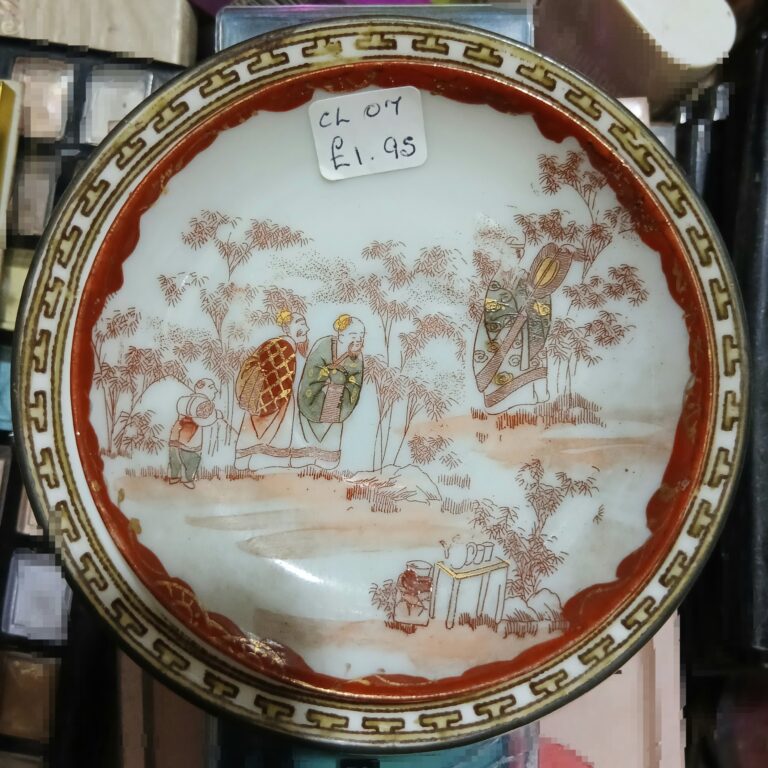
    There is a low-frequency hum inside an antique shop, an acoustic hush from dust and centuries of quiet survival. It is often the wounded object that commands the most reverence amidst the polished mahogany and gleaming silver. A spiderweb hairline fractured across the belly of a Qing dynasty jar; a cobalt Blue Willow plate stitched together with iron staples; a tea bowl held in delicate cohesion by golden veins of lacquer. In a modern economy obsessed with pristine surfaces and factory precision, these fractured ceramics defy logic. They do retain value despite their damage. Often, they derive their singular majesty precisely because they broke. The art market regularly bears witness to this quiet paradox. At major auction houses in London and New York, porcelain pieces bearing dramatic structural fractures, historic restorations or visible fractures routinely sell for astronomical sums. When a cracked 18th-century Chinese brush washer or a chipped Song Dynasty bowl is launched, purists do not turn away. Instead, connoisseurs see a vessel that has successfully negotiated with time. A pristine artifact can feel like an untouched relic in a glass museum case. A cracked ceramic, however, carries the irreplaceable friction of human history. This romantic obsession with fracture finds its deepest philosophical roots in the Japanese tradition of Kintsugi: literally, golden joinery. In 15th-century Japan, legend holds that the shogun Ashikaga Yoshimasa sent a damaged Chinese tea bowl back to China for repair. It returned bound by heavy and unsightly metal staples. Japanese craftsmen was displeased and sought a more poetic solution. He bonded the porcelain shards with Japanese lacquer dusting it with powdered gold. Rather than disguising the trauma, Kintsugi illuminated the break. This technique transformed a domestic accident into a radiant architecture of resilience. When collectors haunt dim antique parlors today for cracked celadon or worn earthenware, they are participating in a quiet rebellion against the disposable. We live in an era of engineered obsolescence where a small fracture on a smartphone screen renders the entire device wasted. Antique ceramics represent the opposite: fired earth that withstands centuries, absorbing the touch of generations, bearing scars as badges of longevity. A crack proves that the vessel was used, held, washed, dropped, mourned and salvaged. It shifts the object from a passive decoration to an active survivor. Even the historical methods of repair have become prized antiques in their own right. Before gold lacquer was widely available, 18th and 19th-century itinerant tinkerers repaired heirloom china using metal staples. They were drilling tiny holes on either side of a split and hammering in delicate bronze or iron rivets. To a contemporary eye, these industrial-looking stitches might seem like visual vandalism. Yet, to collectors of stapled china, those iron rivets are exquisite evidence of human ingenuity and resourcefulness from an era when nothing precious was ever casually thrown away.   Ultimately, the enduring value of cracked porcelain in antique shops lies in what it reflects about our own human condition. Perfection is intimidating, fragile and ultimately unfeeling. Rupture, on the other hand, is universal. When a buyer pays for a cracked jar, they are purchasing a physical manifestation of survival. They acquire a tangible reminder that broken things can be mended, that wounds can be highlighted with beauty and that time does not diminish value, but rather confers it.

  • Fuel light on? How far can you drive?

    Running out of fuel while driving can leave you stranded so it is important to pay attention when the fuel warning light appears on your dashboard. Many drivers wonder how far they can travel once this light turns on.  The answer depends on several factors including your car’s model age fuel efficiency driving style road conditions and weather. Experts say the fuel warning light usually comes on when only about 10% to 15% of the fuel tank is left. In most cases small cars can still travel around 20 to 30 miles (32 to 48 km) after the warning light appears. Larger vehicles may be able to drive up to 50 miles (80 km) before running out of fuel. However older vehicles rough roads heavy traffic or cold weather can reduce that distance because the engine uses more fuel in these conditions. Experts also warn that repeatedly driving until the tank is nearly empty may damage the fuel system or engine over time. While driving a few extra miles after the warning light comes on is usually safe it is always best to refill your tank as soon as possible.

  • The Kinship Conundrum: Tradition vs. Compatibility in Cousin Marriages

    While cousin marriage often offers a sense of cultural continuity, it frequently introduces complex emotional, financial and relational challenges that can strain familial bonds. In many traditional settings couples grow up together and are engaged at an early age. However this deep familiarity can sometimes work against the union.   Because the groom is already a member of the same extended family there is often less structural or financial obligation such as a substantial dowry or independent financial planning which can lead to early imbalances in the household.   Over time these unions can give rise to deep seated regret between both parties. Paradoxically while the shared family network is originally intended to keep the couple together it can also inadvertently lower the barrier to divorce as broader familial disputes quickly spill over into the marriage itself.   Ultimately cousin marriage represents a delicate conflict between cultural tradition and individual happiness. While it may appear socially practical from the outside it often masks fundamental incompatibilities between partners who were chosen for their lineage rather than their personal alignment. For these marriages to endure families must pivot away from rigid customs and instead prioritize open communication mutual compatibility and emotional well-being.   A bond sustained solely by kinship rarely stands the test of time proving that personal alignment must ultimately take precedence over tradition.

  • | | |

    European colonization brought smallpox to the Americas

    Historians have believed that the collapse of Indigenous populations across the Americas was triggered largely by smallpox. The historical manuscripts and missionary chronicles provided detailed eyewitness reports of these devastating outbreaks. Molecular proof links colonial-era American epidemics directly to Old World viral strains remained elusive. Now, a study published in the journal Science provides the definitive genetic confirmation researchers have sought for generations. It’s led by geneticists at Trinity College Dublin in collaboration with biological anthropologists at the Universidad de Chile. Researchers have successfully extracted and sequenced the oldest known smallpox viral genomes ever recovered in the Americas. The ancient viral DNA was retrieved from the naturally mummified remains of two individuals buried in northern Chile during the early Spanish colonial era. The viral samples were recovered from bone fragments belonging to an adult woman (aged 30 to 35) and a young man (aged 18 to 20) buried near Camarones Cove. A coastal site in northern Chile that once marked the southern reaches of the Inca Empire. The individuals had been naturally preserved by the hyper-arid climate. They’re wrapped in camelid wool blankets and interred in traditional cloth bundles. Scientists initially analyzed DNA from 13 individuals excavated at the site. They were searching for ancient bacterial infections such as tuberculosis. Instead, they discovered preserved traces of the variola virus. Guess what? It’s the deadly pathogen responsible for smallpox. Radiocarbon analysis alongside molecular clock estimates revealed that both individuals died between 1492 and 1631 CE. The violent era of Spanish conquest led by conquistadors like Francisco Pizarro. Because the two viral genomes recovered from the mummies were virtually identical, geneticists concluded that both individuals likely succumbed to the same localized outbreak or were infected by the same circulating viral strain.  Evolutionary Trajectory of a Global Killer When researchers mapped the newly recovered genetic sequences onto a global evolutionary tree of smallpox, the results were unequivocal. The Chilean viral strain positioned directly between medieval European strains. The strains included those previously recovered from Viking-era human remains and later 17th- to 19th-century strains circulating in Europe. This placement provides molecular evidence that the virus was introduced to Indigenous American communities from the Old World. The study yielded surprising insights into how pathogens evolve when introduced to vulnerable host populations. The variola virus originally evolved from a animal-host (zoonotic) pathogen. It was undergoing extensive genetic alteration up through the 16th century as it adapted to human hosts. Surprisingly, the virus’s rate of genetic change slowed dramatically during the peak colonial expansion of the 17th and 18th centuries. Researchers hypothesize that Indigenous populations lacked any pre-existing immunity. So, the virus had reached an evolutionary optimum. It could spread effortlessly without needing further genetic adaptation. The virus’s evolution accelerated once again in the late 18th and 19th centuries. It was after the introduction of Edward Jenner’s smallpox vaccine in 1796. Therefore, the evolutionary pressure forced the pathogen to adapt once more. Why This Discovery Matters Today Smallpox stands as one of the deadliest infectious diseases in human history. It has claimed hundreds of millions of lives over millennia before its official eradication in 1980 through global vaccination efforts. In the Americas, the disease inflicted physical casualties. The virus also shattered social structures and morale. The rapid disfigurement and death led communities to feel overwhelmed by forces they could neither treat nor comprehend. This discovery demonstrates the immense power of ancient DNA research. Tracing how pathogen evolution interacts with human migration, population immunity, and public health interventions provides critical context for understanding modern infectious disease threats today.  

  • |

    Remembering Marjane Satrapi: an author who humanized Iran

    The global arts community is mourning the unexpected passing of Marjane Satrapi. She is the pioneering French-Iranian author, illustrator, and film director best known for her graphic memoir Persepolis. Satrapi passed away in Paris at the age of 56. Relatives confirmed that her death was tied to profound heartbreak following the loss of her husband, Swedish producer Mattias Ripa, who died the previous year. Her death sparked an outpouring of tributes from political leaders, cultural institutions, and readers worldwide. French President Emmanuel Macron paid homage to Satrapi as a monumental talent who converted her childhood in revolutionary Iran into an accessible, universal human story, blending sharp irony, vulnerability, and courage. Born in 1969 in the northern Iranian city of Rasht, Satrapi grew up in Tehran during one of the most turbulent eras in modern Middle Eastern history. As a child of progressive, middle-class parents, she witnessed the overthrow of the Shah in 1979, followed by the rapid consolidation of power by the fundamentalist Islamic regime and the devastating Iran-Iraq War. Concerned for her safety and rebellious spirit, her family sent her to study at the Lycée Français in Vienna when she was just fourteen. Her years in Austria were marked by acute feelings of social isolation, homelessness, and cultural displacement. The struggles that would later become central themes in her creative career. After returning to Tehran to complete her university education in visual communication, Satrapi ultimately chose a life in exile, relocating permanently to France in 1994. In 2000, Satrapi published the first volume of Persepolis, a monochrome graphic novel that fundamentally altered how Western audiences viewed everyday life in Iran. Drawn in a bold, stripped-down visual style influenced by expressionist art, the book chronicled her youth with remarkable humor and emotional honesty. Satrapi demystified a country often flattened by geopolitical headlines. The book became an international bestseller, translated into dozens of languages and adopted into school curricula worldwide. In 2007, Satrapi co-directed an animated film adaptation alongside French artist Vincent Paronnaud. The film won the Jury Prize at the Cannes Film Festival, earned an Academy Award nomination for Best Animated Feature, and cemented Satrapi’s standing as a multi-talented cinematic voice.        “I don’t want to return to a dictatorship and spend the rest of my life in jail being tortured.” — Marjane Satrapi Satrapi’s artistic career extended well beyond Persepolis. She directed live-action feature films including Chicken with Plums (2011), the dark comedy The Voices (2014) starring Ryan Reynolds, and Radioactive (2019), a biopic celebrating Marie Curie. In addition, she was an accomplished painter and was elected to the prestigious French Academy of Fine Arts. Yet, Satrapi remained fiercely principled. She consistently criticized the Iranian regime while demanding true integrity from Western governments. In early 2025, she publicly rejected France’s prestigious Légion d’honneur, citing European political hypocrisy regarding human rights in Iran. Following the 2022 Iranian protests triggered by the death of Mahsa Amini, she edited the collective work Woman, Life, Freedom, uniting artists and historians to support the civil rights uprising. Through her uncompromising honesty, sharp wit, and visual mastery, Marjane Satrapi left behind a legacy that proved art can dismantle prejudice, bridge divide, and speak truth to power.  

Leave a Reply

Your email address will not be published. Required fields are marked *