elizabeth hurley opens
| |

Elizabeth Hurley opens up about keeping long-dista…

Elizabeth Hurley has offered a rare glimpse into her long-distance relationship with country music star Billy Ray Cyrus, sharing how the couple keeps their romance thriving despite living on opposite sides of the Atlantic. The actress and model, 61, spoke candidly in a new interview with E! News, revealing that distance has not weakened their bond since they began dating in early 2025.

Hurley and Cyrus surprised fans when they confirmed their relationship last year. While many questioned how the pair would make a transatlantic romance work, the couple has continued to show that commitment and communication can bridge the miles between them. During the interview, Hurley said they remain deeply connected by making time for one another, no matter where they are in the world.

The British actress explained that although she is based in England and Cyrus spends much of his time in the United States, they prioritize regular visits whenever their schedules allow. Instead of focusing on the distance, they make the most of every opportunity to be together, whether in the UK or the US.

Hurley also revealed that modern technology plays a major role in keeping their relationship strong. Frequent phone calls, video chats, and daily messages help the couple stay involved in each other’s lives even when they are thousands of miles apart. She suggested that maintaining open communication has been one of the biggest reasons their romance continues to flourish.

The model spoke warmly about Cyrus, describing their relationship as supportive and easy-going. She noted that they share similar values and enjoy spending quiet time together away from the spotlight. According to Hurley, they appreciate simple moments just as much as glamorous public appearances, allowing them to build a genuine connection despite their busy careers.

Since making their romance public, the pair have occasionally shared photos together on social media, delighting fans with glimpses of their travels and time spent as a couple. Their relationship has attracted widespread attention because it brought together two stars from different entertainment worlds, but both have largely chosen to keep the details of their romance private.

Hurley’s latest comments mark one of the few times she has spoken openly about their relationship. While she acknowledged that long-distance dating comes with challenges, she emphasized that mutual effort and trust make all the difference.

As both stars continue to balance demanding careers, Hurley’s optimistic outlook suggests they are focused on making their relationship last. Her latest interview offers fans a rare but heartfelt look at how she and Billy Ray Cyrus have turned a transatlantic romance into a successful partnership, proving that love can thrive even when separated by an ocean.

Similar Posts

  • |

    Australian court rejects Hanson’s racial appeal

    An Australian court has rejected far-right politician Pauline Hanson’s appeal against a racial vilification ruling. The case relates to comments Hanson made about Pakistan-born Australian Senator Mehreen Faruqi in 2022. Faruqi had criticised the British Empire after the death of Queen Elizabeth II. She said she could not mourn the former monarch because of the empire’s history of colonisation. Hanson responded with a social media post directed at Faruqi. She criticised Faruqi for living in Australia and told her to return to Pakistan. Faruqi later filed a complaint over the remarks. The Federal Court ruled in 2024 that Hanson’s comments amounted to racial vilification. The court said the remarks were reasonably likely to offend, insult, humiliate or intimidate Faruqi. The court also said the comments could affect Muslim Australians and other people from migrant backgrounds. Hanson challenged the ruling. She argued that her comments did not violate Australia’s racial discrimination laws. She also argued that the relevant legislation was constitutionally invalid. The court rejected her appeal on Monday. The earlier finding against Hanson therefore remains in place. Hanson defended her position after the decision. She said she was angry about Faruqi’s comments concerning the late queen. She maintained that she had wanted to criticise what she considered disrespectful remarks. The case has renewed debate over political speech and racial discrimination in Australia. It also highlights the legal restrictions surrounding comments about race, religion and migrant backgrounds. Faruqi is a senator representing the Greens. She has been active on issues including human rights, immigration and racial equality. Hanson leads One Nation. The party has built its political support around strict immigration policies and stronger measures against illegal migration. Hanson has also called for major reductions in government spending. She has promoted proposals aimed at cutting public expenditure. The politician has further urged Australia to reconsider its membership of some international organisations. The court decision comes as One Nation continues to attract significant political support. Hanson remains one of Australia’s most recognisable figures on the political right. The ruling could add to the wider national discussion over the balance between freedom of expression and protection against racial discrimination. It also reinforces the legal risks politicians can face when public statements target people based on their race, religion or migrant background.

  • |

    Trump jokes about ICC as US steps up campaign against the court

    US President Donald Trump joked on Friday that he has not become a target of the International Criminal Court, making the remarks as his administration continues a diplomatic campaign against the Hague based institution and encourages member states to withdraw from it. Speaking during a cabinet meeting at the Camp David presidential retreat, Trump interrupted Secretary of State Marco Rubio while he was explaining the administration’s opposition to the court. Trump joked that there was no indication the ICC was pursuing him but added that it “could happen,” prompting laughter from those in attendance. The president then said Rubio was not trying to defend him but was instead supporting Israeli Prime Minister Benjamin Netanyahu, who is the subject of an arrest warrant issued by the ICC in 2024. Trump referred to the Israeli leader by his commonly used nickname, Bibi. The comments came as the United States continues to increase pressure on the International Criminal Court. In July, Washington launched a broad diplomatic effort aimed at weakening support for the institution. The campaign includes plans for additional sanctions against the court and calls on member countries to leave the organisation. Relations between the Trump administration and the ICC have remained tense. The United States has already imposed sanctions on several judges linked to the court, accusing it of overstepping its authority and threatening American interests. The International Criminal Court was established in 2002 to investigate and prosecute individuals accused of genocide, war crimes, crimes against humanity and other serious international offences when national legal systems are unwilling or unable to take action. Rubio repeated the administration’s criticism of the court during Friday’s meeting, describing it as an illegitimate international organisation. He said the United States had previously attempted to encourage reforms but claimed those efforts had failed. According to Rubio, the administration has now shifted its focus to reducing the court’s influence and encouraging more countries to reconsider their membership. He also said that five countries had either withdrawn from the ICC or announced plans to do so, adding that Washington hopes additional nations will follow the same path. Chad and Venezuela have recently declared their intention to leave the court. Neither the United States nor Israel is a member of the ICC. Both countries are not parties to the Rome Statute, the international treaty that created the court. Despite that, the ICC has continued to investigate cases involving several global conflicts, leading to repeated disagreements with governments that reject its jurisdiction. The latest remarks from Trump and Rubio underline the administration’s determination to challenge the authority of the International Criminal Court and strengthen its campaign against an institution it says exceeds its legal mandate.

  • | |

    Fresh monsoon spell to hit Pakistan from July 29

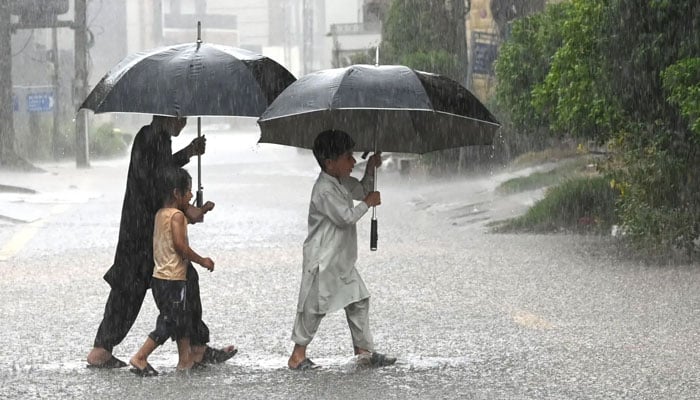
    Pakistan is expected to receive another widespread spell of monsoon rains from July 29 to August 5, with the weather system likely to affect several parts of the country. The Pakistan Meteorological Department (PMD) has warned of heavy and very heavy rainfall in several areas. It has also cautioned about urban flooding, flash floods and landslides. According to the weather advisory, moist monsoon currents from the Arabian Sea and Bay of Bengal are expected to enter the upper and central parts of the country from July 29. A westerly weather system affecting northern areas is also likely to strengthen from August 1. It may bring widespread rain and thunderstorms to upper and central regions. Islamabad, Rawalpindi, Murree and the Galliyat are expected to receive rain and thunderstorms from July 29 to August 4. Attock, Chakwal, Jhelum, Gujrat, Gujranwala, Hafizabad, Sialkot and nearby areas may also experience heavy rainfall. Several districts of central and southern Punjab are also likely to receive rain. These include Lahore, Narowal, Kasur, Okara, Sheikhupura, Faisalabad, Jhang, Sargodha and Sahiwal. Southern Punjab may see rainfall between July 31 and August 3. Bahawalpur, Rahim Yar Khan, Multan, Vehari, Khanewal, Lodhran, Muzaffargarh, Dera Ghazi Khan and Rajanpur are among the areas expected to be affected. Sindh is likely to receive rain from July 31 to August 2. Karachi, Hyderabad, Tharparkar, Umerkot, Mirpurkhas, Badin, Sanghar and several other districts may experience thunderstorms and moderate to heavy rainfall. Other parts of Sindh, including Sukkur, Larkana, Khairpur, Ghotki, Jacobabad, Shikarpur and Thatta, are also expected to receive rain. Khyber-Pakhtunkhwa is likely to face widespread rain and thunderstorms from July 29 to August 5. Dir, Chitral, Swat, Kohistan, Malakand, Nowshera, Charsadda, Bannu, Dera Ismail Khan and several other districts may receive heavy or very heavy rain. Peshawar, Mardan, Swabi, Mansehra, Abbottabad, Haripur, Bajaur, Mohmand, Khyber, Kurram, Orakzai and Waziristan are also expected to experience rainfall during the forecast period. Balochistan is likely to receive rain and thunderstorms from July 31 to August 3. Zhob, Loralai, Kohlu, Sibi, Kalat, Khuzdar, Lasbela, Awaran, Turbat, Panjgur, Gwadar and several surrounding areas may be affected. Kashmir and Gilgit-Baltistan are also expected to receive rain and thunderstorms. Kashmir may experience rainfall from the night of July 28 to August 5, while parts of Gilgit-Baltistan may remain affected until August 6. The PMD has issued a specific warning about urban flooding. Low-lying areas of Islamabad, Rawalpindi, Peshawar, Nowshera, Gujranwala, Gujrat, Sialkot, Lahore, Multan and Faisalabad could face flooding between July 30 and August 4. Several cities and districts in Sindh may also face urban flooding from July 31 to August 2. These include Hyderabad, Sukkur, Shaheed Benazirabad, Thatta, Badin, Sanghar, Khairpur, Mithi, Mirpurkhas and Umerkot. The weather department has also warned of landslides in vulnerable mountainous areas. Upper Khyber-Pakhtunkhwa, Gilgit-Baltistan, Murree, Galliyat and Kashmir could be affected. Heavy rainfall may also cause flash floods in streams and nullahs. Hill torrents in Dera Ghazi Khan and parts of northeastern Balochistan could also experience sudden flooding. Strong winds and lightning may damage weak structures during the spell. Solar panels, electricity poles, billboards and other vulnerable installations could be affected. The PMD has advised tourists and travellers to exercise caution during the rainy period. People travelling through mountainous areas have been urged to remain alert. Farmers have also been advised to plan agricultural activities according to weather conditions. They have been asked to take precautionary measures to protect crops and livestock.

  • |

    PBS revises import data after billions of dollars in discrepancies

    The Pakistan Bureau of Statistics (PBS) has revised the country’s monthly and annual import figures after uncovering major discrepancies in trade data, with the adjustments reaching billions of dollars over certain periods. The data revisions, which could amount to as much as $30 billion for some periods, are expected to have a notable impact on Pakistan’s Gross Domestic Product (GDP) calculations and other key economic indicators. The statistical agency has incorporated the updated import figures across several major sectors as part of the data reconciliation process. According to senior government officials, the PBS has completed a detailed report outlining the discrepancies and the methodology used to revise the import statistics. The report has been submitted to the Ministry of Finance, which is currently examining its potential implications. The ministry is expected to make the findings public by the end of August 2026. Differences emerge between PBS and SBP data The issue came to light after officials identified significant differences between import figures compiled by the PBS and corresponding data maintained by the State Bank of Pakistan (SBP). The discrepancies were initially detected while comparing Pakistan’s trade figures with China. Further scrutiny subsequently revealed differences in specific tariff lines and categories of imports that had not been fully reflected in the PBS data. Following the discovery, the Pakistan Single Window and other relevant government institutions became involved in the reconciliation process. The objective was to identify the source of the differences, verify transaction-level information and ensure that import statistics accurately reflected the country’s external trade. The matter later attracted the attention of the International Monetary Fund (IMF), which has been closely monitoring Pakistan’s economic data and statistical reporting under its reform programme. IMF seeks greater transparency The IMF had previously highlighted weaknesses in Pakistan’s procedures for collecting, compiling and consolidating import data. It called for improvements in the statistical framework and greater transparency about the scale and economic impact of the discrepancies. Under the agreed reform requirements, the PBS was tasked with publishing revised monthly and annual import statistics by the end of August 2026. The statistical agency is also expected to provide an explanation of the changes and their impact on previously reported figures. The revisions are particularly significant because imports are an important component of national accounts and external-sector statistics. Changes in import values can influence the calculation of GDP, trade balances, current account figures and other macroeconomic indicators. GDP impact under review The Ministry of Finance is examining the PBS report largely because of the potential impact of the revised import figures on national economic data. Officials are assessing how the changes could affect previously reported GDP estimates and other indicators based on import statistics. The scale of the revisions means that the exercise could result in adjustments to historical economic data, depending on how the revised figures are incorporated into the national accounts. Officials, however, are expected to provide further details once the Ministry of Finance completes its review and the PBS publishes the revised statistics. IMF review mission approaching The development comes ahead of the IMF’s next review of Pakistan’s economic reform programme. The Fund’s review mission under the country’s $7 billion Extended Fund Facility (EFF) is expected to visit Pakistan by early September 2026. The publication of revised import data before the mission’s arrival is likely to be closely watched, as strengthening the reliability and transparency of economic statistics remains an important element of Pakistan’s commitments under the IMF programme.

  • | |

    HEC Chief calls for education, research to become …

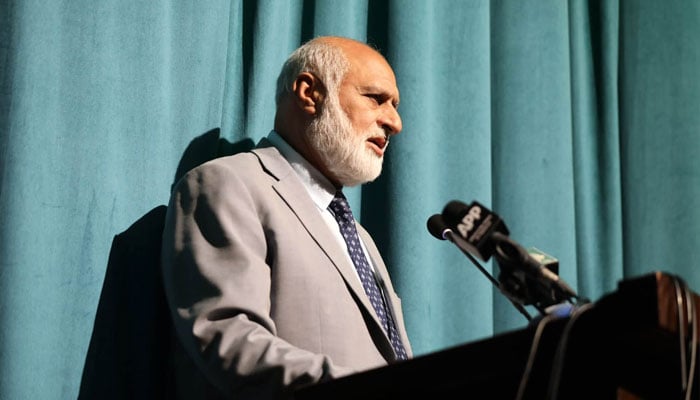
    ISLAMABAD: Higher Education Commission (HEC) Chairman Dr Niaz Ahmed has called for a major shift in Pakistan’s approach to higher education and research, saying universities must become central to the country’s economic, technological and social development. Speaking about his recent nearly two-week visit to China, Dr Niaz Ahmed said Pakistan could learn valuable lessons from China’s development model, particularly its close cooperation among universities, industry, research institutions and the government. The HEC chairman visited China with a delegation of senior vice chancellors from leading Pakistani universities on the instructions of the prime minister and at the invitation of Chinese education authorities and academic institutions. During the visit, Pakistani and Chinese universities discussed joint and dual-degree programmes, faculty and student exchanges, collaborative research and greater opportunities for Pakistani students to pursue higher education in China. He said efforts were also underway to strengthen the CPEC Consortium of Universities and establish 10 Sinology Centres in Pakistan. The Higher Education Commission has been asked to nominate 10 Pakistani universities for the initiative. Dr Niaz said his meetings with Chinese universities and research organisations showed that universities there function as more than degree-awarding institutions. They are closely connected with industry and government, helping develop new technologies, solve industrial problems, support startups and prepare skilled workers for emerging economic needs. He noted that research in China is increasingly focused on turning knowledge into practical solutions, new products and economic opportunities rather than simply increasing the number of research publications. The HEC chairman said China’s rapid progress in artificial intelligence, robotics, automation and digital technology was particularly striking. These technologies, he observed, have moved beyond laboratories and are now being used in factories, transportation, hotels and urban services. He also highlighted China’s rapidly expanding electric vehicle industry, saying the transformation demonstrated the importance of developing technology rather than simply consuming it. According to him, countries that build their own technological capabilities will be better positioned to compete in the future. Dr Niaz attributed China’s progress not only to investment and technology but also to discipline, punctuality, hard work and a clear national vision. He said the country’s experience demonstrated how coordinated efforts by government institutions, universities, industries and citizens could produce lasting national development. Reflecting on Pakistan’s traditional focus on Western academic models, he said his visit had strengthened his belief that China offers an important Asian development experience that Pakistan should study carefully. He stressed, however, that Pakistan should adapt successful practices to its own circumstances rather than simply copy the Chinese system. The HEC chairman said Pakistani universities now needed to examine whether they were merely producing degree holders or actually developing human capital capable of contributing to the national economy. He called for curricula to be aligned with future employment needs, with greater emphasis on artificial intelligence, data science, automation and other emerging fields. Universities, he said, must also strengthen faculty capabilities and build closer relationships with industry. Dr Niaz further stressed that research should focus on solving national and industrial problems, developing technologies and creating business opportunities rather than remaining limited to academic publications. After returning from China, he said, he shared his observations with university leaders across Punjab, Sindh, Balochistan, Azad Jammu and Kashmir, Gilgit-Baltistan and the federal capital. The objective was to encourage universities to reconsider their approaches to curriculum development, research, faculty training and industry partnerships. He said Pakistan already possesses a large network of universities, talented researchers and a young population, but these strengths need to be supported by a clear national strategy and sustained investment. “The real strength of a nation lies not only in roads, buildings and factories, but also in knowledge and human capital,” Dr Niaz said, stressing that Pakistan’s journey towards developed-country status must begin in university classrooms and research laboratories and eventually translate into stronger industries, a more productive economy and greater national prosperity.

  • | |

    Adam Scott reveals awkward moment from daughter’…

    Adam Scott has revealed an awkward but hilarious moment involving his daughter and one of his most memorable career setbacks. The Severance star recently appeared on The Tonight Show Starring Jimmy Fallon, where he opened up about his daughter Francesca “Frankie” Scott’s experience in a New York acting program. What began as an ordinary acting lesson quickly became uncomfortable when Scott discovered that his own failed audition for The Office had become part of the class discussion. Scott explained that Frankie, who is preparing to enter her senior year of high school, was attending an acting program in New York during the summer. On the first day of one of her classes, the teacher decided to show the students two audition tapes. The first was Scott’s audition for The Office. The second belonged to John Krasinski, who ultimately won the role of Jim Halpert. The teacher then asked the students to analyze both performances and discuss why Krasinski got the part while Scott did not. According to Scott, the instructor had no idea that one of his students was actually the actor’s daughter. For Frankie, the lesson was understandably embarrassing. Scott recalled that his daughter was “mortified” by the situation. The awkwardness became even greater after class, when the teacher stopped Frankie and asked whether she knew either of the actors whose auditions had been shown. The instructor eventually connected the dots after realizing Frankie’s last name and discovering that she was Scott’s daughter. Scott said the teacher felt terrible once he understood what had happened. Despite the uncomfortable experience for his daughter, Scott found the entire situation amusing. Rather than being offended by the criticism, he joked that he was simply happy to know that he was being used as a lesson in a prestigious acting class. The irony is that Scott’s The Office audition did not prevent him from building a successful television career. Although Krasinski became synonymous with Jim Halpert, Scott later landed the beloved role of Ben Wyatt on Parks and Recreation. He went on to appear in projects including Big Little Lies, The Good Place and Severance. Scott is currently filming the third season of Severance in New York, making the timing of his daughter’s acting experience even more fitting. What could have been an embarrassing family moment ultimately became a funny reminder that even successful actors experience rejection. For Scott, his old audition may not have won him the role of Jim Halpert, but it has certainly found a new purpose as an unexpected teaching moment for the next generation of performers.

Leave a Reply

Your email address will not be published. Required fields are marked *