Australian court rejects Hanson’s racial appeal
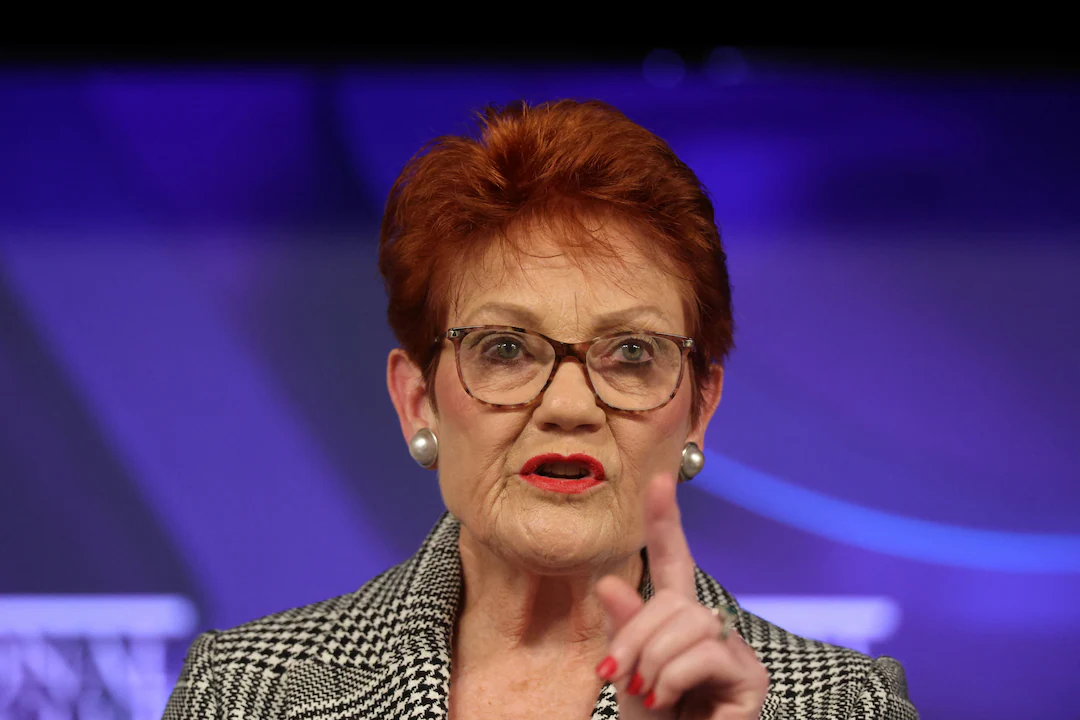
An Australian court has rejected far-right politician Pauline Hanson’s appeal against a racial vilification ruling.
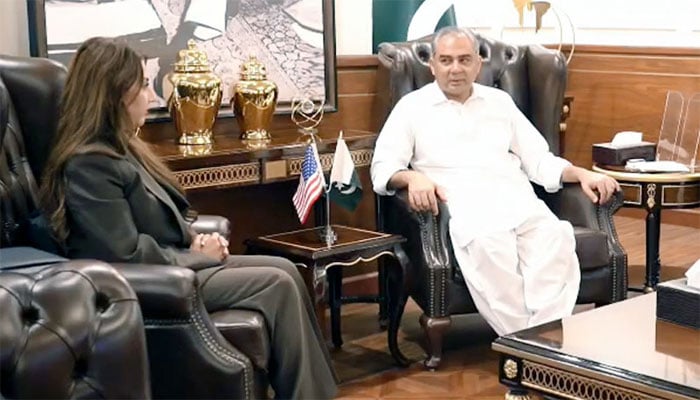
The case relates to comments Hanson made about Pakistan-born Australian Senator Mehreen Faruqi in 2022.
Faruqi had criticised the British Empire after the death of Queen Elizabeth II. She said she could not mourn the former monarch because of the empire’s history of colonisation.
Hanson responded with a social media post directed at Faruqi. She criticised Faruqi for living in Australia and told her to return to Pakistan.
Faruqi later filed a complaint over the remarks.
The Federal Court ruled in 2024 that Hanson’s comments amounted to racial vilification. The court said the remarks were reasonably likely to offend, insult, humiliate or intimidate Faruqi.
The court also said the comments could affect Muslim Australians and other people from migrant backgrounds.
Hanson challenged the ruling. She argued that her comments did not violate Australia’s racial discrimination laws.
She also argued that the relevant legislation was constitutionally invalid.
The court rejected her appeal on Monday. The earlier finding against Hanson therefore remains in place.
Hanson defended her position after the decision. She said she was angry about Faruqi’s comments concerning the late queen.
She maintained that she had wanted to criticise what she considered disrespectful remarks.
The case has renewed debate over political speech and racial discrimination in Australia. It also highlights the legal restrictions surrounding comments about race, religion and migrant backgrounds.
Faruqi is a senator representing the Greens. She has been active on issues including human rights, immigration and racial equality.
Hanson leads One Nation. The party has built its political support around strict immigration policies and stronger measures against illegal migration.
Hanson has also called for major reductions in government spending. She has promoted proposals aimed at cutting public expenditure.
The politician has further urged Australia to reconsider its membership of some international organisations.
The court decision comes as One Nation continues to attract significant political support. Hanson remains one of Australia’s most recognisable figures on the political right.
The ruling could add to the wider national discussion over the balance between freedom of expression and protection against racial discrimination.
It also reinforces the legal risks politicians can face when public statements target people based on their race, religion or migrant background.